
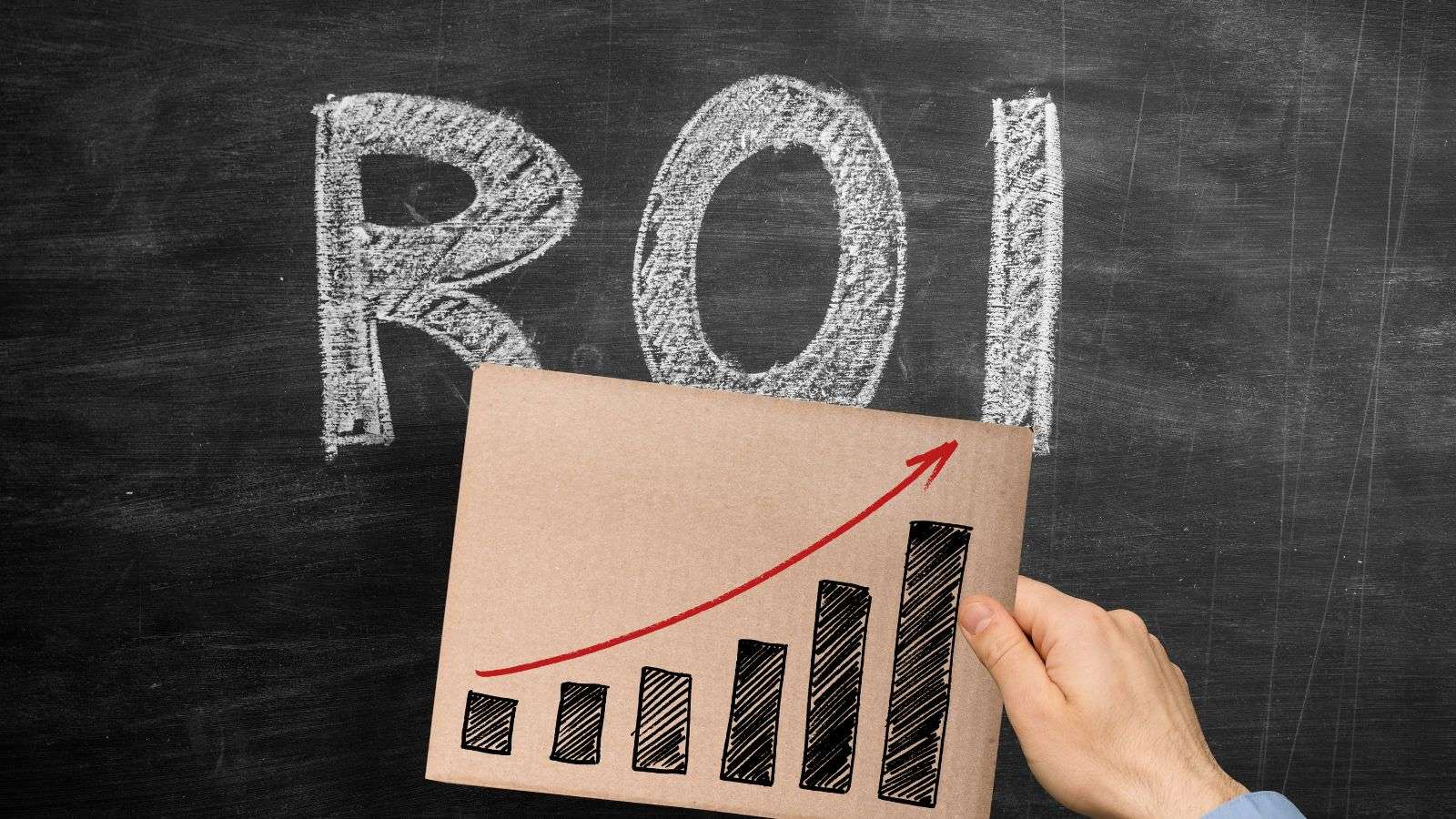
Choosing the right roofing material is a decision rife with various factors to consider, one of which is the return on investment (ROI). Understanding the ROI of aluminum roofing can help homeowners make more informed decisions about their roofing choices.
In this article, we unpick the concept of roi in home improvement, discuss why aluminum roofing is a worthwhile investment, and provide several tips to maximize the roi of your aluminum roof investment.
Understanding ROI in aluminum roofing choices
ROI, or return on investment, is an important factor to consider when making aluminum roofing choices. Aluminum roofs are known for their durability, energy efficiency, and low maintenance requirements. While the initial cost of installing an aluminum roof may be higher compared to other roofing materials, the long-term benefits can outweigh the upfront expense.
Aluminum roofs have a long lifespan, often lasting 50 years or more, which means homeowners can enjoy significant savings on replacement and repair costs over time. Aluminum roofs are highly reflective and can help reduce energy consumption by keeping the interior of the building cooler, leading to lower energy bills. These factors contribute to a positive ROI for homeowners who choose aluminum roofing.
10 Tips to maximize the ROI of your aluminum roof investment
1. Conduct thorough research before choosing an aluminum roofing contractor
Choosing the right contractor is crucial for maximizing the ROI of your aluminum roof investment. Take the time to research and compare different contractors in your area. Look for experienced professionals who specialize in aluminum roofing installations and have a proven track record of customer satisfaction. Ask for references and read online reviews to ensure you’re making an informed decision.
2. Opt for high-quality aluminum roofing materials
Investing in high-quality aluminum roofing materials is essential for long-term durability and performance. Look for reputable manufacturers that offer warranties on their products. Consider factors such as thickness, coating, and resistance to corrosion to make sure your roof can withstand harsh weather conditions and maintain its appearance over time.
3. Proper installation is key
Even the highest-quality aluminum roofing materials won’t perform well if not installed correctly. Hire a professional contractor who has expertise in aluminum roof installation. They should follow manufacturer guidelines and best practices to allow for a proper and secure installation. This will prevent issues down the line and help maximize the lifespan of your roof.
4. Regularly inspect and maintain your aluminum roof
To ensure your aluminum roof performs optimally and lasts for its expected lifespan, regular inspections and maintenance are necessary. Inspect your roof annually or after severe weather events to identify any potential issues such as loose fasteners, damaged coating, or debris buildup. Perform routine cleaning to remove leaves, dirt, or other debris that can hinder drainage and cause damage.
5. Keep gutters and downspouts clean
Proper drainage is crucial for the longevity of your aluminum roof. Clogged gutters and downspouts can lead to water buildup, which can cause leaks and damage over time. Regularly clean your gutters and downspouts, especially during the fall when leaves tend to accumulate. Consider installing gutter guards to minimize debris accumulation and reduce maintenance needs.
6. Insulate your attic
Proper attic insulation can significantly impact the energy efficiency of your home and reduce heating and cooling costs. Insulating your attic helps maintain a stable temperature in your living space, reducing the strain on your HVAC system. This, in turn, can lower energy consumption and increase the ROI of your aluminum roof investment.
7. Invest in proper ventilation
Good ventilation is essential for preserving the integrity of your aluminum roof. Proper airflow helps regulate temperature and moisture levels, preventing condensation, mold, and rot. Make sure your attic has adequate ventilation through vents or fans to promote air circulation and protect your roof from potential damage.
8. Trim overhanging branches
Overhanging tree branches can pose a risk to your aluminum roof, especially during storms or high winds. Regularly trim branches that are in close proximity to your roof to minimize the chances of damage from falling limbs or scraping against the surface of the roof.
9. Avoid walking on the roof unnecessarily
While aluminum roofs are durable, it’s best to avoid unnecessary foot traffic to prevent accidental damage. If you need to access the roof for maintenance or repairs, use proper safety measures, such as using a sturdy ladder with rubberized feet and wearing appropriate footwear, to minimize the risk of slipping or causing dents in the roof surface.
10. Monitor and address issues promptly
Finally, it’s essential to address any issues or signs of damage promptly to prevent further deterioration and costly repairs. Keep an eye out for signs of leaks, loose or damaged fasteners, discoloration, or any other abnormalities. If you notice any problems, contact a professional roofer to assess and fix the issue before it escalates.
Why is aluminum roofing a good investment?
First, aluminum roofs are highly durable and have a long lifespan, often lasting 50 years or more. This means homeowners can enjoy significant savings on replacement and repair costs over time. Aluminum is a lightweight material, making it easier to install and reducing the strain on the building’s structure.
Aluminum roofs are also resistant to corrosion, rust, and fire, making them a reliable choice for various climates and environments. Furthermore, aluminum roofs are highly reflective, helping to reduce heat absorption and lower energy consumption for cooling during hot weather. This energy efficiency translates into lower utility bills and long-term cost savings.
Cost vs. savings in aluminum roofing
| Cost Factors | Savings Factors |
|---|---|
| Initial installation costs | Energy cost savings |
| Material cost | Long lifespan |
| Labor cost | Low maintenance |
| Disposal cost | Insurance savings |
| Repair and replacement costs | Increased property value |
- Initial installation cost: The initial installation cost includes expenses related to purchasing the aluminum roofing materials, hiring a contractor, and labor fees. While the upfront cost of aluminum roofing may be higher compared to other materials, its long-term benefits can outweigh this initial investment.
- Material cost: The cost of aluminum roofing materials depends on factors such as thickness, coating, and quality. Choosing high-quality materials can increase the upfront cost but provide durability and longevity, reducing the need for frequent repairs or replacements.
- Labor cost: Labor costs are associated with hiring professional contractors for the installation of the aluminum roof. It is important to choose experienced contractors who specialize in aluminum roofing to have proper installation and maximize the potential savings over time.
- Disposal cost: When replacing an old roof with aluminum roofing, there may be additional costs for disposing of the old materials. Proper disposal is important for environmental reasons, but it is also essential to factor in these costs when considering the overall investment.
- Repair and replacement cost: While aluminum roofs are known for their durability, occasional repairs may still be necessary due to severe weather events or accidental damage. However, the frequency and cost of repairs are generally lower compared to other roofing materials, resulting in long-term savings.
- Energy cost savings: One of the significant advantages of aluminum roofing is its energy efficiency. Aluminum roofs reflect sunlight, reducing heat absorption and keeping the building cooler. This can result in lower energy consumption for cooling during hot weather, leading to substantial savings on energy bills over time.
- Long lifespan: Aluminum roofs have a long lifespan, often lasting 50 years or more with proper maintenance. This longevity eliminates the need for frequent roof replacements and reduces associated costs, providing significant savings over the life of the roof.
- Low maintenance: Aluminum roofs require minimal maintenance compared to other roofing materials. Routine inspections, cleaning debris, and addressing minor issues promptly can help extend the lifespan of the roof and minimize repair costs.
- Insurance savings: Some insurance companies offer discounts on homeowner’s insurance premiums for properties with aluminum roofs. This is due to the roof’s durability, fire resistance, and ability to withstand severe weather conditions, reducing the risk of damage and insurance claims.
- Increased property value: Investing in an aluminum roof can increase the value of your property. Potential buyers recognize the durability, low maintenance, energy efficiency, and long lifespan associated with aluminum roofs, making them an attractive feature that can enhance the overall value and marketability of your home.
The sustainability factor in aluminum roofing ROI
Aluminum is a highly sustainable material with a low carbon footprint. It is widely recycled, with a high percentage of aluminum roofing materials being made from recycled content. By choosing aluminum roofing, homeowners contribute to reducing waste and promoting a circular economy. Aluminum is energy-efficient both during its production and use.
Its high reflectivity helps reduce heat absorption, resulting in lower energy consumption for cooling. This leads to reduced greenhouse gas emissions and lower utility bills, enhancing the long-term financial benefits and environmental impact of the investment.
Furthermore, the long lifespan and durability of aluminum roofs minimize the need for frequent replacements, reducing waste and preserving natural resources.
Factors influencing the ROI of aluminum roofs
- Installation quality: Proper installation by experienced professionals ensures the roof’s performance and longevity.
- Material durability: high-quality aluminum roofing materials with superior durability contribute to a longer lifespan and reduced repair or replacement costs.
- Energy efficiency: The energy-saving properties of aluminum roofs, such as reflectivity and insulation, result in lower energy consumption and reduced utility bills.
- Maintenance requirements: low maintenance needs minimize ongoing costs and increase the overall ROI of aluminum roofs.
- Weather resistance: The ability of aluminum roofs to withstand harsh weather conditions, such as strong winds or heavy rain, reduces the risk of damage and associated repair expenses.
- Insurance benefits: Insurance companies may offer discounts on homeowner’s insurance premiums due to the fire resistance and durability of aluminum roofing, resulting in potential savings.
- Property value: Aluminum roofs can enhance the value of a property due to their long lifespan, energy efficiency, and low maintenance requirements.
- Recyclability: The recyclability of aluminum contributes to its sustainability and reduces waste, aligning with environmental considerations.
- Local climate: The suitability of aluminum roofs in specific climates, such as areas prone to extreme heat or corrosive environments, affects their performance and overall ROI.
- Long-term cost analysis: A comprehensive analysis considering upfront costs, energy savings, maintenance expenses, and potential insurance benefits provides a more accurate assessment of the ROI of aluminum roofs.
Aluminum roofing ROI compared to other materials
| ROI Factors | Aluminum Roofing | Other Roofing Materials |
|---|---|---|
| Durability | High | Varies |
| Lifespan | Long | Varies |
| Energy Efficiency | High | Varies |
| Maintenance | Low | Varies |
| Replacement Cost | Low | Varies |
| Insurance Savings | Potential | Varies |
| Environmental Impact | Sustainable | Varies |
First, aluminum roofs are known for their durability, with a high resistance to corrosion, rust, and fire. This durability translates into a longer lifespan, resulting in reduced replacement costs over time. Aluminum roofs excel in energy efficiency, reflecting sunlight and reducing heat absorption.
This leads to lower energy consumption and potential savings on cooling costs. Moreover, the low maintenance requirements of aluminum roofs contribute to ongoing cost savings compared to other materials that may require more frequent repairs or upkeep. There is also the potential for insurance savings due to the fire resistance and durability of aluminum roofing.
Finally, aluminum roofs have a positive environmental impact as they are highly recyclable, promoting sustainability and reducing waste. Considering these factors, aluminum roofing demonstrates a strong ROI when compared to other roofing materials.
The ROI influence of an aluminum roof lifespan
Aluminum roofs are known for their exceptional durability and longevity, often lasting 50 years or more with proper maintenance. This extended lifespan directly translates into long-term cost savings for homeowners. By investing in an aluminum roof, homeowners can avoid the expense of frequent roof replacements that other materials may require. The reduced need for replacement not only saves on material and labor costs but also minimizes the disruption and inconvenience associated with roof replacement projects.
Furthermore, the longer lifespan of aluminum roofs contributes to increased property value as potential buyers recognize the durability and low maintenance requirements associated with this roofing option. Ultimately, the extended lifespan of an aluminum roof significantly enhances its ROI by providing homeowners with many years of reliable protection and financial savings.
The role of maintenance in aluminum roofing ROI
While aluminum roofs are known for their durability and low maintenance requirements, regular upkeep is still essential to ensure optimal performance and extend the lifespan of the roof. Routine inspections should be conducted to identify any signs of damage or issues, such as loose fasteners, damaged coatings, or debris buildup.
Promptly addressing any identified problems can prevent further deterioration and costly repairs down the line. Regular cleaning of the roof surface to remove leaves, dirt, or other debris helps maintain proper drainage and prevents potential damage.
By investing time and effort in regular maintenance, homeowners can prevent minor issues from escalating into major problems, ensuring that their aluminum roof continues to perform well and deliver long-term cost savings.
Testimonials sent in by aluminum roof users
- “Our aluminum roof has been a fantastic investment. It’s been 10 years, and we haven’t had to worry about any leaks or repairs. It’s definitely saved us money in the long run.” John D.
- “Switching to an aluminum roof was the best decision we made for our home. Our energy bills have noticeably decreased, and the roof still looks as good as new after 15 years. It’s a great return on investment!” Sarah M.
- “I was skeptical about the upfront cost of an aluminum roof, but it has proven to be worth every penny. We’ve had several storms, and our roof has held up perfectly. The peace of mind and savings are invaluable.” Michael R.
- “The low maintenance of our aluminum roof is a game-changer. We used to spend so much time and money on repairs with our old roof, but since switching to aluminum, it’s been hassle-free. We couldn’t be happier!” Emily T.
- “Not only does our aluminum roof look sleek and modern, but it has also saved us money in unexpected ways. Our insurance premiums went down, and the energy efficiency has made a noticeable difference in our bills. It’s been a win-win!” David S.