
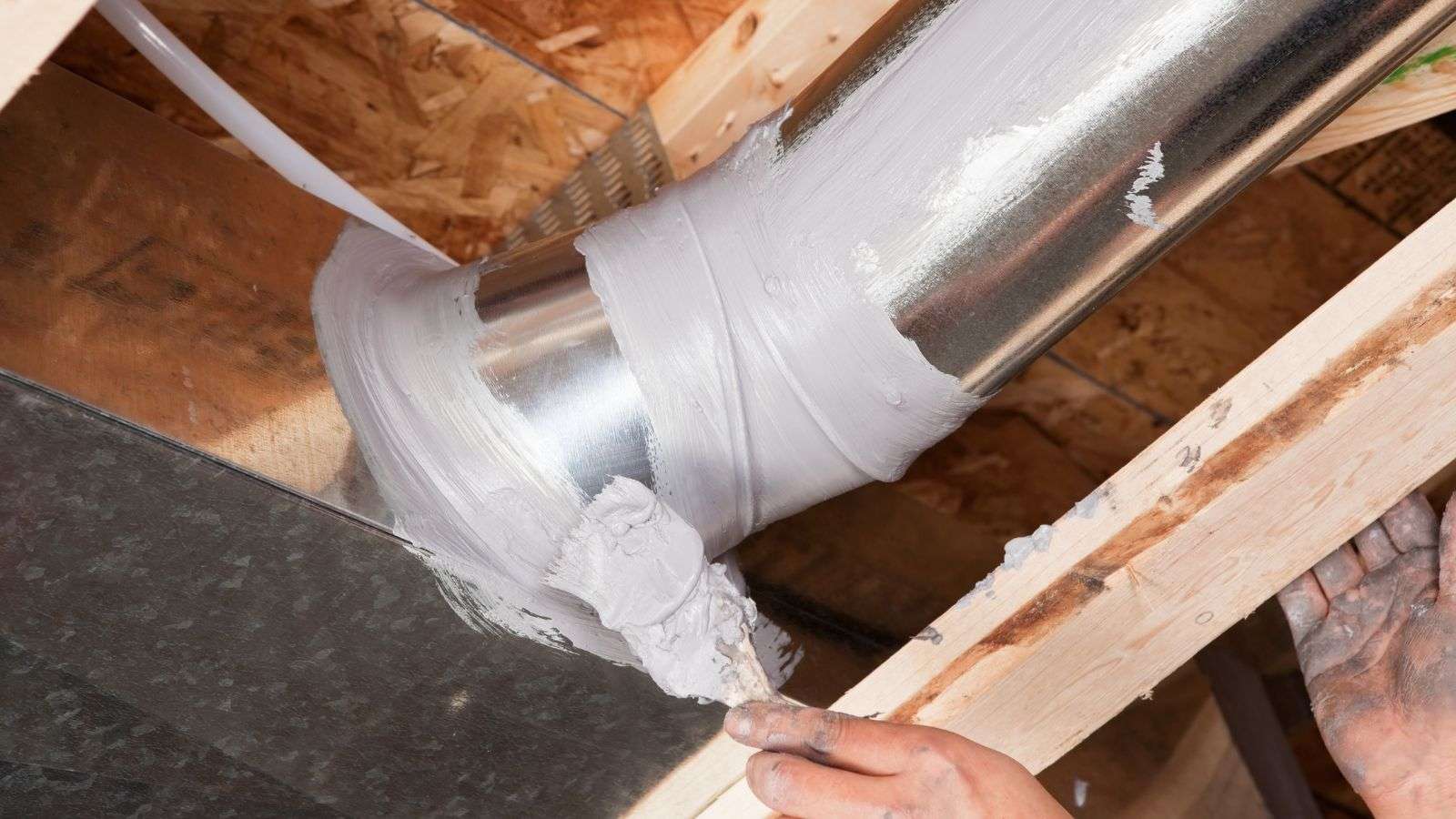
Air-sealing your house is an essential part of maintaining energy efficiency and comfort. Deciding which products to use can be a challenging task due to the wide range of products available on the market.
In this article, we aim to simplify this process by providing an in-depth look at the best products available for air-sealing your house.
3 Best types of products to effectively air seal your house
1. Weatherstripping
Weatherstripping is a highly effective product for air-sealing your house. It involves sealing gaps around windows and doors to prevent drafts and reduce energy loss. Here are some helpful tips for weatherstripping:
- Choose the right type of weatherstripping for each specific area, such as adhesive-backed foam tape, door sweeps, or V-strip.
- Prioritize areas that are prone to air leaks, such as exterior doors and windows.
- Clean and dry the surfaces before applying weatherstripping to support proper adhesion.
- Measure and cut the weatherstripping material accurately to achieve a tight seal.
- Regularly inspect and replace worn-out weatherstripping to maintain its effectiveness.
2. Caulk
Caulking is another essential product for air-sealing your house. It involves sealing gaps and cracks in various surfaces, such as walls, ceilings, and floors. Here are some informative tips for caulking:
- Choose the appropriate type of caulk based on the material you are sealing (e.g., silicone caulk for wet areas, acrylic latex caulk for general use).
- Properly prepare the surface by removing any old caulk, dirt, or debris before applying new caulk.
- Use a caulk gun for precise application and control of the caulk bead.
- Smooth the freshly applied caulk with a caulk finishing tool or a wet finger to achieve a neat finish.
- Allow sufficient time for the caulk to dry and cure before exposing it to moisture or temperature changes.
3. Insulation
Insulation plays a major role in air sealing by preventing heat transfer between the interior and exterior of your house. While insulation is commonly associated with energy efficiency, here are some detailed tips that can make a difference:
- Consider using spray foam insulation for hard-to-reach areas and spaces with irregular shapes.
- Make sure there is proper installation of insulation, paying attention to gaps, voids, and compression.
- Insulate not only walls and attics but also floors, crawlspaces, and ductwork.
- Opt for insulation materials with a high R-value to maximize energy savings.
- Regularly inspect insulation for signs of damage or degradation and address any issues promptly.
Why is air sealing your house important?
First of all, it helps to improve energy efficiency by preventing air leaks and reducing heat loss or gain. This means that your heating and cooling systems can operate more efficiently, resulting in lower energy bills.
Also, air sealing enhances indoor comfort by minimizing drafts, cold spots, and humidity issues. It creates a more consistent and comfortable temperature throughout your home. Air sealing helps to improve indoor air quality by reducing the infiltration of pollutants, allergens, and outdoor contaminants.
It also contributes to noise reduction by minimizing the entry of external noise.
What is air leakage?
Air leakage refers to the unintentional flow of air into or out of a building through gaps, cracks, or openings in the building envelope. In the context of a house, air leakage typically occurs through areas such as windows, doors, walls, floors, ceilings, and utility penetrations. These gaps and cracks can occur due to poor construction, aging materials, or natural wear and tear over time. Air leakage can result in the loss of heated or cooled air from the interior, leading to energy inefficiency and higher utility bills.
It can also allow outdoor air, along with pollutants, allergens, and moisture, to enter the house, affecting indoor comfort and air quality. By understanding and addressing air leakage through effective air sealing measures, homeowners can improve energy efficiency, enhance comfort, and create a healthier living environment.
Product type: Caulk vs. spray foam
| Product Type | Caulk | Spray Foam |
|---|---|---|
| Application | Applied with a caulk gun in a controlled manner | Applied using a spray can or special equipment |
| Material | Acrylic latex, silicone, or other types of caulk | Polyurethane or other types of foam |
| Purpose | Sealing gaps and cracks in various surfaces | Insulating and air-sealing hard-to-reach areas |
| Flexibility | Generally flexible after drying, allowing for some movement | Rigid and provides structural support once cured |
| Ease of Use | It is easy to apply and control the amount of caulk used | Requires proper equipment and technique for application |
| Coverage | Suitable for smaller gaps and cracks | Ideal for larger gaps and areas with irregular shapes |
| Insulation | Provides minimal insulation properties | Offers superior insulation and thermal barrier |
| Moisture Resistance | Varies depending on the type of caulk used | Provides a moisture barrier when properly applied |
| Cost | Relatively affordable | Can be more expensive than caulking materials |
| Longevity | May require periodic inspection and reapplication | Generally long-lasting and durable |
Caulk is a commonly used product for sealing gaps and cracks in various surfaces. It is applied with a caulk gun, allowing for precise control over the amount of caulk used. Caulk is available in different types, such as acrylic latex or silicone, with varying flexibility after drying. It is suitable for sealing smaller gaps, such as those around windows, doors, or baseboards. Caulk provides some insulation properties but is not as effective as spray foam in terms of thermal barrier.
On the other hand, spray foam is an excellent choice for insulating and air-sealing hard-to-reach areas or larger gaps. It is typically applied using a spray can or special equipment, expanding upon application to fill in gaps and create a tight seal. Spray foam is made of polyurethane or other foam materials, providing superior insulation properties and acting as a thermal barrier. Once cured, it becomes rigid and provides structural support.
When it comes to moisture resistance, caulking materials have varying levels of effectiveness, depending on the type used. Spray foam, when properly applied, creates a moisture barrier. In terms of cost, caulking materials are generally more affordable compared to spray foam, which can be more expensive due to the specialized equipment required.
Both caulking and spray foam have their advantages and are suitable for different scenarios. Caulk is easy to use, suitable for smaller gaps, and provides some flexibility. Spray foam is ideal for larger gaps and areas with irregular shapes and offers superior insulation properties.
How to choose the right air sealing product
- Identify areas of air leakage. Begin by inspecting your house for areas where air leakage is occurring, such as windows, doors, vents, or utility penetrations. Take note of the specific locations that require air sealing.
- Determine the type of gap or crack. Assess the size and nature of the gaps or cracks you need to seal. Are they small, large, irregular, or in hard-to-reach areas? This will help you select a product that is suitable for the specific type of gap you are dealing with.
- Consider material compatibility: Take into account the materials you are sealing. Certain air sealing products work better with specific surfaces. Make sure the product you choose is compatible with the materials you need to seal, such as wood, metal, or concrete.
- Evaluate flexibility requirements: Determine whether the areas you are sealing require flexibility. For areas that may experience movement or expansion, a flexible product like caulk is recommended. If rigidity and structural support are needed, consider using spray foam insulation.
- Assess insulation properties: Consider whether insulation is a priority for your air sealing needs. Some products, like spray foam, provide excellent insulation properties along with air-sealing capabilities. If insulation is important to you, look for products that offer enhanced thermal performance.
- Review product labels and specifications: Read the labels and specifications of different air sealing products. Pay attention to details such as application method, coverage area, drying or curing time, moisture resistance, and durability. This information will help you make an informed decision.
- Seek professional advice if necessary. If you are uncertain about which air sealing product to choose or if you have complex air sealing requirements, it may be helpful to consult with professionals such as contractors or energy auditors. They can provide valuable insights and recommendations based on their expertise.
The role of insulation in air sealing your house
Insulation helps a lot in air sealing your house by creating a barrier that prevents the transfer of heat between the interior and exterior environments. While air sealing focuses on sealing gaps, cracks, and openings, insulation complements this process by minimizing heat loss or gain through the building envelope.
By installing insulation in walls, attics, floors, and other areas, it helps to maintain a stable and comfortable indoor temperature while reducing the need for excessive heating or cooling. Insulation also improves energy efficiency by reducing the workload on HVAC systems, resulting in lower energy consumption and reduced utility bills.
Insulation contributes to soundproofing and enhances indoor comfort by minimizing noise transmission from outside. Overall, insulation is an essential component of air sealing as it works together to create an energy-efficient, comfortable, and well-insulated home environment.
Advantages of using high-performance door and window sealing products
- Improved energy efficiency: High-performance door and window sealing products help to significantly reduce air leakage around doors and windows, resulting in improved energy efficiency by preventing drafts and heat loss/gain.
- Enhanced comfort: By effectively sealing gaps and cracks, these products minimize drafts and cold or hot spots near doors and windows, providing a more comfortable indoor environment throughout the year.
- Noise reduction: high-performance sealing products help to block out external noise, creating a quieter and more peaceful living space.
- Better indoor air quality: By sealing gaps and cracks, these products prevent the entry of outdoor pollutants, allergens, and dust, improving indoor air quality for a healthier living environment.
- Reduced utility bills: By minimizing air leakage, high-performance sealing products reduce the strain on heating and cooling systems, leading to energy savings and lower utility bills.
- Increased durability: These sealing products are designed to withstand weather elements, UV radiation, and temperature fluctuations, ensuring long-lasting performance and durability.
- Easy installation: Many high-performance sealing products are user-friendly and simple to install by homeowners, saving time and money on professional installation.
- Aesthetically pleasing: These products come in various designs and finishes, allowing for seamless integration with the existing doors and windows while enhancing their overall appearance.
- Protection against moisture: High-performance sealing products provide a moisture barrier around doors and windows, helping to prevent water infiltration and potential water damage.
- Long-term cost savings: Investing in high-quality door and window sealing products can lead to long-term cost savings through energy efficiency improvements and reduced maintenance needs.
How to properly apply air sealing products for optimal results
- Prepare the surfaces: Ensure that the surfaces where you will be applying the air sealing products are clean, dry, and free of dust, debris, or old sealant. Use a brush or vacuum to remove any loose particles.
- Select the appropriate product. Choose the air sealing product that is suitable for the specific application and type of gap or crack you are sealing. Consider factors such as flexibility, compatibility with materials, and insulation properties.
- Read the product instructions: Thoroughly read and understand the manufacturer’s instructions provided with the air sealing product. Pay attention to any specific guidelines or precautions mentioned.
- Cut the applicator tip: If using a tube-type product, cut the applicator tip at a 45-degree angle to create an appropriate-sized opening for application.
- Apply the product: Start applying the air sealing product by placing the tip of the caulk gun or nozzle at one end of the gap or crack. Gently squeeze the trigger or press the nozzle to dispense the product into the gap in a continuous and controlled manner.
- Smooth and shape the seal: Use a caulk smoothing tool, a putty knife, or a wet finger to smooth and shape the applied sealant. This helps to provide a neat and effective seal along the entire length of the gap or crack.
- Clean up excess sealant: Immediately clean up any excess sealant using a damp cloth or sponge before it dries. This will help achieve a cleaner finish and prevent any unwanted residue.
- Allow proper drying and curing time. Follow the recommended drying and curing time specified by the manufacturer. Avoid disturbing or touching the sealed area until it has fully cured to promote optimal performance.
- Inspect and reapply if needed. Once the sealant has dried and cured, inspect the sealed area for any gaps or areas that may require additional sealing. If necessary, reapply the air-sealing product to ensure complete coverage and effectiveness.
- Dispose of waste properly: Dispose of any unused sealant, empty tubes, or packaging according to local regulations and guidelines.
Cost versus benefit: Are air sealing products worth the investment?
| Aspect | Cost | Benefit |
|---|---|---|
| Initial Investment | Varieties based on products | Improved energy efficiency and reduced utility bills |
| Energy Savings | Lower energy consumption | Reduced heating and cooling costs |
| Comfort Improvement | Minimizes drafts | Consistent indoor temperature and reduced hot or cold spots |
| Indoor Air Quality | Reduces air pollutants | Improved air quality and respiratory health |
| Durability | Varieties based on products | Long-lasting performance and cost savings |
| Return on Investment | It depends on energy prices | Potential long-term savings over time |
- Initial investment: The cost of air sealing products varies depending on the specific products chosen. While there is an upfront cost involved, the benefits obtained from improved energy efficiency and reduced utility bills often outweigh the initial investment.
- Energy savings: Air sealing products help to minimize air leakage, reducing the amount of heated or cooled air that escapes from the house. This results in lower energy consumption and reduced heating and cooling costs over time.
- Comfort improvement: By sealing gaps and cracks, air sealing products prevent drafts and minimize temperature variations throughout the house. This creates a more comfortable indoor environment with consistent temperatures and fewer hot or cold spots.
- Indoor air quality: air sealing helps to reduce the infiltration of outdoor pollutants, allergens, and dust particles into the house. This leads to improved indoor air quality, enhancing respiratory health and overall well-being.
- Durability: The durability of air sealing products can vary depending on the specific products chosen. You need to select high-quality materials that can withstand weather elements and provide long-lasting performance. With proper installation and maintenance, these products can contribute to cost savings over time.
- Return on investment: The return on investment for air sealing products depends on energy prices, climate conditions, and individual usage patterns. While it may take some time to recoup the initial investment, the potential for long-term savings through reduced energy consumption and lower utility bills makes it a worthwhile investment.
Evaluating different brands of air sealing products
First, assess the reputation and reliability of the brand. Look for brands that have a track record of producing high-quality and effective air sealing products.
Second, examine the specific features and capabilities of each brand’s products. Consider factors such as flexibility, compatibility with different materials, insulation properties, and durability.
Third, read customer reviews and testimonials to gather insights from other users regarding the performance and effectiveness of the products. Compare prices and consider the overall value for money offered by each brand.
It may also be helpful to consult with professionals or seek recommendations from trusted sources to make an informed decision.
Air sealing your house: Long-term maintenance and care
Regularly inspect the sealed areas for any signs of wear, damage, or gaps that may have developed over time. Address any issues promptly by reapplying sealant or using appropriate air-sealing products. Keep an eye on the condition of doors, windows, and other components that may impact the effectiveness of the air sealing.
Maintain proper ventilation to prevent moisture buildup and mold growth, as excessive moisture can compromise the integrity of air sealing. Regularly replace or clean air filters to ensure optimal airflow and prevent clogging. We recommend scheduling periodic energy audits or professional inspections to assess the overall energy efficiency and identify any areas that may require additional air sealing.
You can find well-qualified HVAC technicians in our website directory, Big Home Projects.