
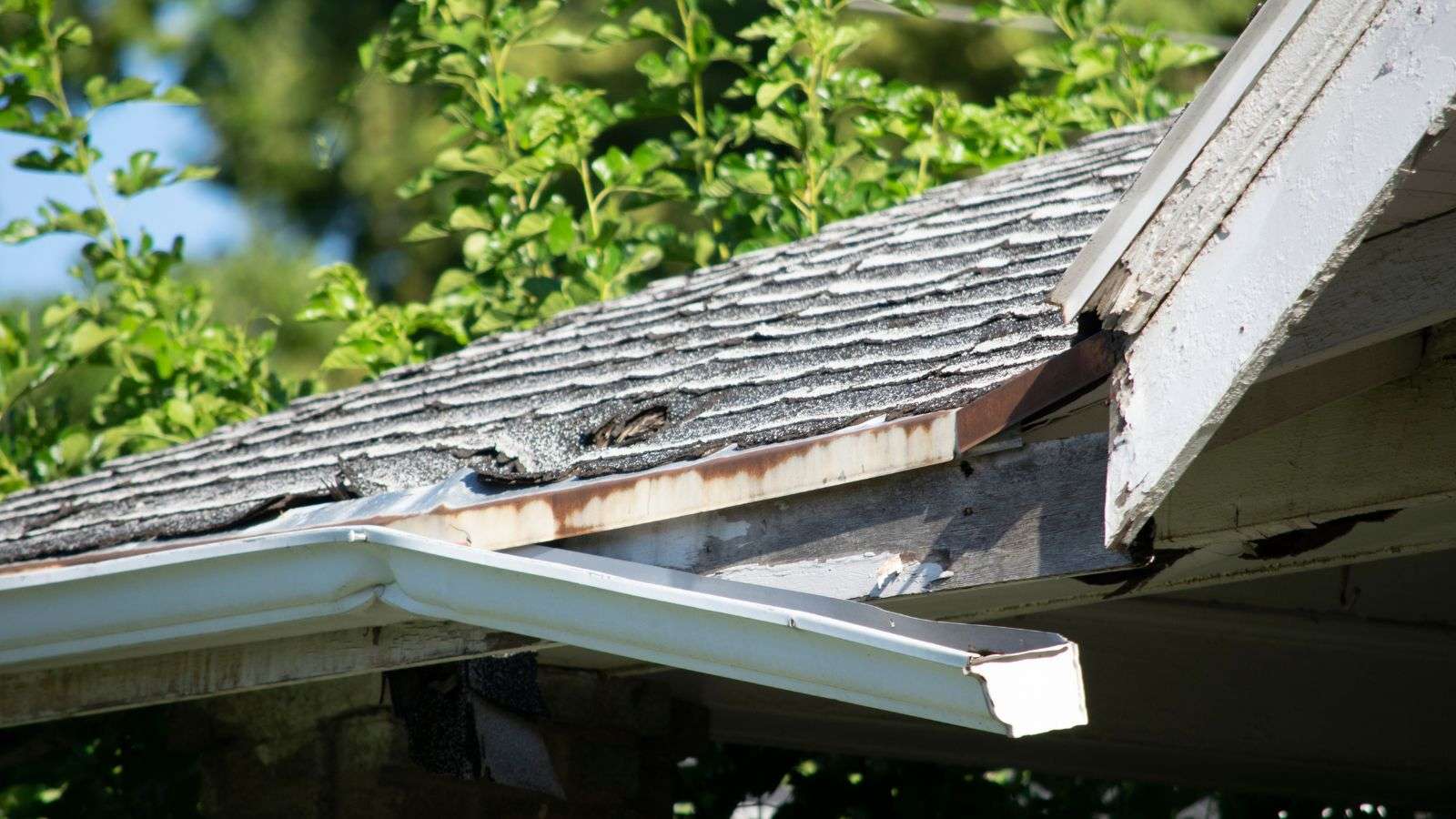
Drought conditions can have a significant impact on roofs, leading to various levels of damage and deterioration. More and more homeowners are concerned with how long periods of drought can affect their homes and subsequent maintenance costs.
In this article, we will discuss the impact of drought on roofs, explore the different types of damage it can cause, and provide solutions for safeguarding your roof against these adverse effects.
Understanding droughts and their characteristics
Droughts are prolonged periods of abnormally low precipitation, leading to water scarcity and significant impacts on various sectors. They are characterized by their duration, intensity, and spatial extent. Droughts can be categorized into four types: meteorological, agricultural, hydrological, and socioeconomic. Meteorological drought occurs when there is a deficit in precipitation over an extended period.
Agricultural drought affects crop growth and livestock production due to insufficient soil moisture. Hydrological drought involves reduced water availability in rivers, lakes, and groundwater sources. Socioeconomic drought refers to the impacts on human activities and livelihoods caused by water scarcity.
Droughts can have severe consequences, including reduced agricultural productivity, water shortages for drinking and sanitation, increased wildfire risk, and ecological disturbances. Monitoring and early warning systems are necessary for managing droughts and implementing appropriate mitigation strategies.
3 Visible effects of prolonged drought on your rooftop
1. Cracked or damaged roof tiles
Prolonged drought can cause visible effects on your rooftop, such as cracked or damaged roof tiles. When the soil beneath your house becomes dry and compacted due to a lack of rainfall, it can cause the foundation to shift slightly. This shifting can lead to stress on the roof structure, resulting in cracked or broken tiles. To address this issue, you need to regularly inspect your roof for any signs of damage. If you notice cracked or damaged tiles, you need to contact a professional roofing contractor to assess the situation and carry out the necessary repairs. Taking prompt action can help prevent further damage and maintain the integrity of your roof.
2. Accumulation of dust and debris
Another visible effect of prolonged drought on your rooftop is the accumulation of dust and debris. During dry periods, the wind can carry dust particles and other debris onto your roof surface. Over time, this buildup can become significant and impact the overall appearance of your rooftop. Moreover, accumulated debris may also hinder proper drainage and cause water pooling during rare rainfall events. To address this issue, regular roof cleaning is recommended. You can use a soft-bristle broom or a low-pressure water hose to remove loose debris and dust from your roof. However, exercise caution while cleaning to avoid damaging the roof surface or dislodging any loose tiles.
3. Algae or moss growth
A prolonged drought can create favorable conditions for the growth of algae or moss on your rooftop. When there is limited rainfall and moisture, shaded areas of the roof may retain dampness for longer periods, providing an environment conducive to the growth of these organisms. Algae or moss growth not only affects the aesthetic appeal of your roof but can also lead to potential damage over time. These organisms can trap moisture, leading to the accelerated deterioration of roof materials. To mitigate this issue, regular roof maintenance is essential. You can consider using commercially available moss or algae control products specifically designed for roofs. Trimming nearby overhanging trees or vegetation can help reduce shade and promote airflow, discouraging the growth of algae or moss.
What happens to roofs during intense sun exposure?
Intense sun exposure can have several effects on roofs. The primary impact is increased heat absorption, which can cause the roof materials to expand, contract, and degrade over time. This can lead to the deterioration and warping of roofing materials, such as shingles, tiles, or metal sheets.
UV radiation from the sun can also break down the chemical composition of roof materials, causing them to become brittle and more susceptible to cracking or disintegration. Prolonged exposure to intense sunlight can fade or discolor the roof surface, diminishing its aesthetic appeal.
To mitigate the effects of intense sun exposure, you need to choose roofing materials with high UV resistance and regularly inspect and maintain the roof to identify and address any signs of damage or wear. Proper insulation and ventilation can also help reduce heat absorption and prolong the lifespan of the roof.
The science behind the effect of drought on roofing materials
The lack of moisture and resulting changes in temperature and humidity are the main causes of the drought’s impact on roofing materials. During a drought, the absence of rainfall leads to a decrease in the moisture content of the air and the underlying soil.
As a result, the roofing materials are exposed to prolonged dry conditions, which can cause them to shrink, crack, or become more brittle. This is particularly true for organic materials like wood or asphalt shingles, which can lose their flexibility and structural integrity when deprived of moisture. The increased temperature during drought periods can further exacerbate the effects on roofing materials. Intense heat from the sun can cause thermal expansion and contraction, putting additional stress on the roof components.
These repeated cycles of expansion and contraction can lead to the deterioration of roofing materials over time. Choose roofing materials that can withstand dry conditions and make sure to perform proper maintenance to lessen the impact of drought on roofs.
Does prolonged drought contribute to roof deterioration?
Yes, prolonged drought can contribute to roof deterioration. The lack of rainfall and moisture during a drought can have several detrimental effects on roofing materials. The absence of sufficient water can cause the roof materials to become dry, brittle, and more susceptible to cracking, warping, or disintegration. The increased temperature and intense sun exposure during drought periods can further accelerate the deterioration process.
The excessive heat can cause thermal expansion and contraction, leading to stress on the roof components. This repeated stress, coupled with the lack of moisture, can degrade the structural integrity of the roof over time. In order to prevent roof damage from a protracted drought, it is crucial to perform routine inspections and maintenance and use roofing materials that are resistant to dry conditions and have a high durability rating.
Signs that a drought might damage your roof
- Cracked or missing shingles: The presence of cracked or missing shingles is one indication that drought damage to your roof may have occurred. Prolonged dry conditions can cause shingles to become brittle and susceptible to cracking. The lack of moisture can weaken the adhesive that holds the shingles in place, leading to shingle loss during strong winds or storms.
- Sagging or uneven roof: Drought-induced damage can also manifest as a sagging or uneven roof. The prolonged absence of moisture can cause the roof structure to deteriorate, weakening its integrity. This can result in visible sagging or an uneven appearance, indicating potential damage to the underlying support system.
- Water stains or leaks: While drought is characterized by a lack of rainfall, it doesn’t mean that your roof is completely impervious to water-related issues. In fact, drought-induced damage can create vulnerabilities that allow water to penetrate your roof. Look out for water stains on ceilings or walls, as well as signs of moisture or dampness in the attic. These can indicate roof leaks that may have developed due to weakened or damaged roofing materials.
- Increased energy bills: Although not directly visible on the roof itself, another sign of drought-related roof damage can be observed through your energy bills. A compromised roof can lead to poor insulation and ventilation, allowing hot air to enter during the summer months and warm air to escape during the winter months. As a result, your HVAC system may have to work harder to maintain comfortable indoor temperatures, leading to increased energy consumption and higher utility bills.
- Visible mold or mildew: Prolonged drought can create conditions where moisture gets trapped in certain areas of the roof, such as under damaged or improperly sealed shingles. This trapped moisture can create an environment conducive to the growth of mold or mildew. If you notice any visible signs of mold or mildew on your roof or in the attic, it may indicate drought-related damage that needs attention.
Consequences of ignoring drought-related roof damage
- Structural damage: Ignoring drought-related roof damage can lead to significant structural issues. Cracked or damaged roofing materials can allow water to seep into the underlying structure, compromising its integrity over time. This can result in weakened support beams, rotting wood, or even structural collapse in severe cases.
- Interior water damage: Neglected roof damage can result in water infiltration, leading to interior water damage. Leaks from a damaged roof can cause water stains on ceilings, walls, and even damage to insulation and electrical systems. Over time, this can lead to mold and mildew growth, further deteriorating the indoor air quality and potentially causing health issues.
- Increased energy costs: A damaged roof that is not repaired can also contribute to increased energy costs. Gaps or cracks in the roofing system can allow hot or cold air to escape, making your HVAC system work harder to maintain the desired temperature. This extra strain on your heating or cooling system can result in higher energy consumption and inflated utility bills.
- Decreased property value: Ignoring drought-related roof damage can negatively impact the value of your property. A damaged roof is a red flag for potential buyers, as it suggests negligence and the need for costly repairs. This can make it more challenging to sell your home or may decrease its market value.
- Safety hazards: Damaged roofs pose safety hazards to occupants and visitors. Loose or missing shingles can become projectiles during strong winds, potentially causing harm or property damage. A weakened roof structure increases the risk of roof collapse, posing a significant danger to anyone inside the building.
Proactive measures to protect your roof from drought damage
- Regular roof inspections: Conduct regular roof inspections to identify any signs of drought-related damage. Look for cracks, gaps, or missing shingles, as well as areas of sagging or unevenness. Pay attention to the condition of the flashing around chimneys, vents, and skylights. Identifying and addressing issues early can prevent further damage and costly repairs.
- Maintain proper roof ventilation. Adequate roof ventilation is essential for preventing heat buildup and reducing the risk of damage caused by extreme temperatures. Make sure your roof has proper ventilation systems in place, such as ridge vents, soffit vents, or exhaust fans. This helps to regulate the temperature and moisture levels within the attic, preventing excessive heat and moisture-related issues.
- Apply roof coatings: Consider applying a reflective roof coating to protect your roof from intense sun exposure. Roof coatings with high solar reflectance can help reduce heat absorption, keep the roof surface cooler and minimize thermal stress on the materials. These coatings can also extend the lifespan of the roof by providing an additional layer of protection against UV radiation.
- Maintain gutters and downspouts: Proper maintenance of your gutters and downspouts is key for effective water drainage. Clear any debris or leaves that may accumulate in the gutters to prevent clogging and guarantee water can flow freely. Also, check for any leaks or damage in the gutter system and repair them promptly to avoid water pooling on the roof.
- Consider drought-resistant roofing materials: When replacing or installing a new roof, consider using drought-resistant roofing materials. Certain materials, like metal, clay tiles, or synthetic shingles, are known for their durability and ability to withstand dry conditions. These materials are less likely to crack or deteriorate under prolonged drought periods.
Cost of drought damage repairs for roofs
The cost of drought damage repairs for roofs can vary depending on the extent of the damage and the specific repairs required. Minor repairs, such as fixing a few cracked or missing shingles, may cost anywhere from $200 to $500. However, if the damage is more severe, such as sagging or structural issues, the costs can escalate significantly.
Repairing structural damage or replacing an entire roof can range from $5,000 to $15,000 or more, depending on factors such as the size of the roof, materials used, and labor costs in your area. These estimates are approximate and can vary based on various factors. Neglecting drought-related roof damage can lead to more extensive and costly repairs in the long run.
Innovative roofing materials are resistant to drought conditions
- Green roofs: Green roofs, also known as living roofs, are innovative roofing systems that incorporate vegetation and growing mediums. They can help mitigate the impact of drought by retaining and utilizing rainwater efficiently. The vegetation acts as a natural insulation layer, reducing heat absorption and providing additional benefits such as improved air quality and habitat for wildlife.
- Cool roofs: Cool roofs are designed to reflect more sunlight and absorb less heat compared to traditional roofs. They are typically made of materials with high solar reflectance, such as white or light-colored coatings, tiles, or metal sheets. By reducing heat absorption, cool roofs can help maintain lower temperatures on the roof surface and in the building below, reducing the cooling load and energy consumption during hot weather.
- Solar roof tiles: Solar roof tiles combine the functionality of traditional roofing materials with solar panels. These tiles are designed to generate electricity from sunlight while protecting your roof from drought damage. Solar roof tiles can be an innovative solution for homeowners looking to harness renewable energy while maintaining the integrity and durability of their roofs.
- Synthetic roofing materials: Synthetic roofing materials, such as synthetic shingles or tiles, are engineered to be highly durable and resistant to drought conditions. These materials are typically made from synthetic polymers or composites, offering advantages such as enhanced water resistance, UV resistance, and long lifespans. They can withstand extreme temperatures and require minimal maintenance, making them an appealing option for regions prone to drought.
- Metal roofing systems: Metal roofs have long been recognized for their durability and longevity. They are highly resistant to drought-related damage, such as cracking or warping. Metal roofs are lightweight, fire-resistant, and can efficiently shed rainwater during rare rainfall events. Some metal roofing systems incorporate reflective coatings to enhance their solar reflectance and reduce heat absorption.
Future predictions of drought’s impact on roofs in light of climate change
As climate change continues to influence weather patterns, future predictions suggest an intensification of drought conditions in certain regions, leading to heightened impact on roofs. With more frequent and prolonged droughts expected, roofs will face increased exposure to extreme heat, reduced moisture levels, and potential water scarcity.
This can result in accelerated deterioration of roofing materials, including cracking, warping, and decreased structural integrity. The heightened risk of wildfires associated with droughts poses a significant threat to roofs, especially in wildfire-prone areas. Furthermore, the increased frequency of intense rainfall events following periods of drought can lead to sudden stress on roofing systems, potentially causing water infiltration and structural damage.
As a result, the demand for drought-resistant roofing materials, improved insulation, and innovative roofing solutions is likely to rise as property owners seek to adapt to the evolving challenges posed by climate-induced drought conditions.