
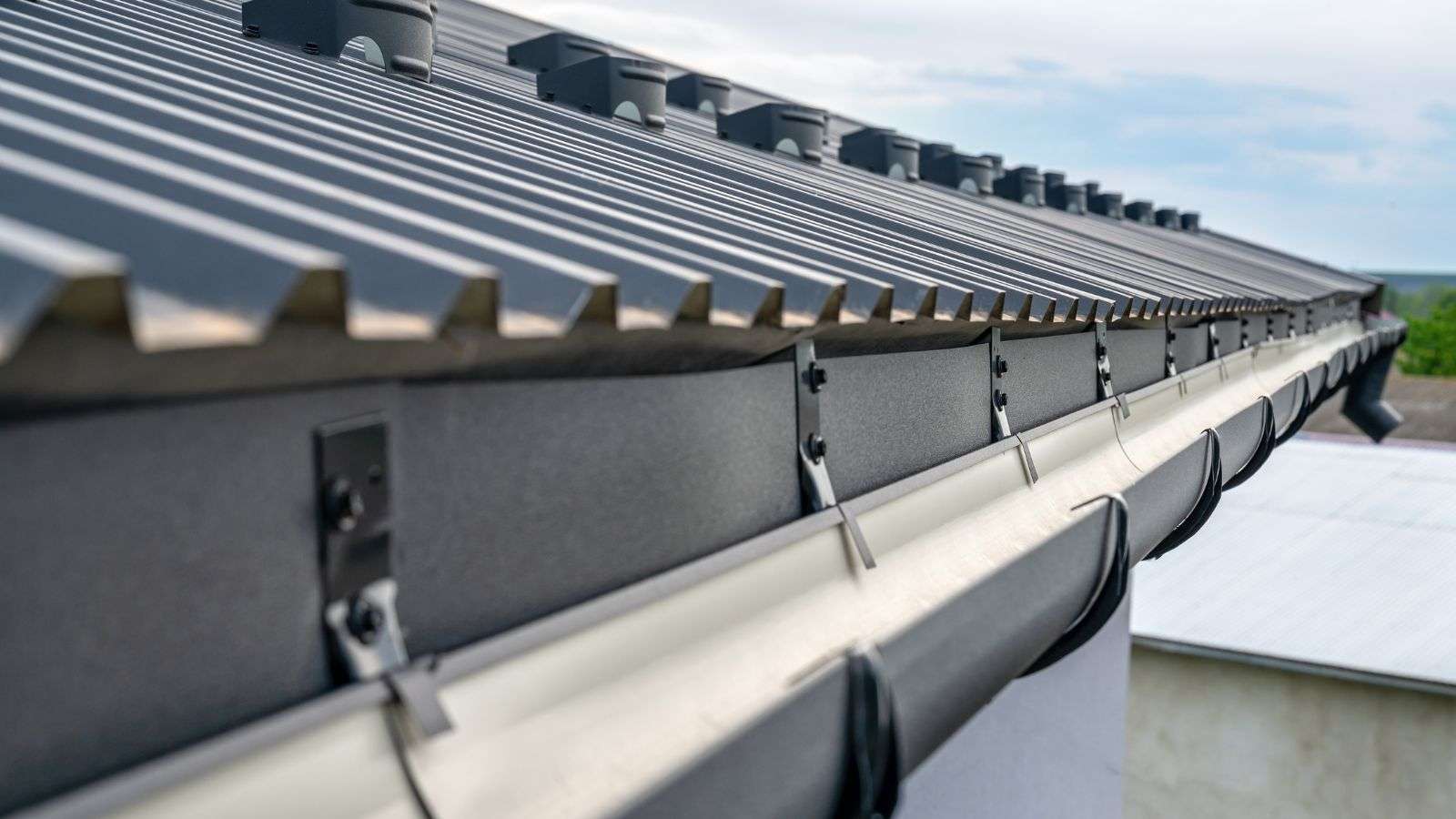
Maintaining your home can be a daunting task, especially when you have to pay attention to parts as small but significant as gutter brackets. Understanding their significance and learning how to make them last longer is key to preventing costly repairs and replacements.
In this article, we’re providing vital tips for prolonging the life of your gutter brackets, exploring their importance, understanding their lifespan, and detailing how to identify signs of wear and tear, among other essential aspects.
5 Essential Tips for Prolonging the Life of Gutter Brackets
1. Regularly Clean and Clear Debris from Gutters
To prolong the life of your gutter brackets, it is crucial to keep your gutters clean and free from debris. Regularly inspect your gutters for leaves, twigs, dirt, and other debris that may accumulate over time. Use a sturdy ladder and gloves to remove the debris manually or utilize a gutter cleaning tool. This will prevent clogs and allow for proper water flow, reducing the strain on your gutter brackets.
2. Install Downspout Extensions
One often overlooked aspect of maintaining gutter brackets is managing the water flow from downspouts. Installing downspout extensions can redirect water away from the foundation of your home, preventing excessive moisture buildup that can compromise the stability of your gutter brackets. Make sure the extensions are properly positioned and slope away from the house to effectively divert water.
3. Regularly Check and Adjust Bracket Alignment
Over time, gutter brackets may shift or become misaligned due to various factors, such as weather conditions or general wear and tear. You have to regularly inspect the alignment of your gutter brackets and make adjustments as needed. Use a level to verify that the brackets are straight and properly supporting the weight of the gutters. This will help distribute the load evenly and avoid unnecessary stress on individual brackets.
4. Reinforce Brackets with Extra Support
If you live in an area with heavy rain or snowfall, reinforcing your gutter brackets with additional support can significantly extend their lifespan. Consider installing gutter hangers or brackets at closer intervals, especially in areas prone to excessive water accumulation or ice dams. This will provide extra support and prevent excessive strain on individual brackets during harsh weather conditions.
5. Regular Maintenance and Inspection
Regular maintenance and inspection play a major role in prolonging the life of gutter brackets. Set a schedule to inspect your gutters at least twice a year, preferably in the spring and fall. Look for signs of damage, such as rust, cracks, or loose screws, and repair them promptly. Check for any signs of sagging or unevenness in the gutters, as this may indicate an underlying issue with the brackets. You can extend the life of your gutter brackets and stop additional damage from happening if you take care of issues as soon as they arise.
The Importance of Gutter Brackets at Home
If you want your home’s gutter system to last and work properly, gutter brackets are an absolute must. These brackets are responsible for securely attaching the gutters to the fascia or the roofline, providing stability and support for the entire system. Without proper gutter brackets, your gutters may sag, detach, or collapse, leading to various issues that can significantly impact your home.
First, gutter brackets make sure rainwater and melting snow are effectively channeled away from your home’s foundation. The gutters are held firmly in place to avoid foundation damage, basement flooding, and soil erosion caused by water pooling around the base of your house.
Moreover, gutter brackets help protect your home’s exterior by directing water away from its walls, windows, and doors. This prevents water damage, mold growth, and rotting of the siding or paint, which can be expensive to repair. Gutter brackets contribute to the overall structural stability of your roof. Properly installed gutter supports aid in load distribution along the roofline or fascia. This reduces the risk of stress on individual sections of the gutter system and prevents potential damage to your roof.
Gutter brackets are not a one-time installation. Regular maintenance, cleaning, and inspections are essential to verify that the brackets remain in optimal condition. If you clean debris, check alignment, reinforce with extra support if necessary, and inspect your gutters regularly, you can extend the life of your gutter brackets and have a gutter system that protects your home effectively.
Exploring Different Types of Gutter Brackets
- Fascia Brackets: Fascia brackets are one of the most common types of gutter brackets, and they attach directly to the fascia board of your house. These brackets are typically made of durable materials such as metal or plastic and provide a stable support for the gutters. They are versatile and suitable for various gutter sizes and materials, making them widely used in residential gutter installations.
- Roof Mount Brackets: Roof mount brackets are designed to be installed directly on the roofline. These brackets provide a secure attachment point for the gutters and distribute the weight along the roof edge. Roof-mount brackets are often used when there is no fascia board or when the fascia is not strong enough to support the gutters. They are commonly used in metal roof installations or in situations where the roof overhang is minimal.
- Hidden Hanger Brackets: Hidden hanger brackets are designed to be concealed from view, providing a clean and seamless appearance for the gutter system. These brackets are typically hidden behind the gutter, attaching them to the fascia or roofline. Hidden hanger brackets offer added stability and can support heavy loads, making them suitable for areas with heavy snowfall or frequent rainstorms.
- Half-Round Brackets: Half-round brackets are specifically designed for half-round gutters, which have a distinctive semicircular shape. These brackets have a curved design that matches the shape of the gutters, providing a secure and aesthetically pleasing attachment. They are available in various materials, such as copper, aluminum, or stainless steel, allowing homeowners to choose the option that best complements their home’s style.
- Adjustable Brackets: Adjustable brackets provide flexibility in gutter installation, allowing for easy adjustment and alignment. These brackets can be moved horizontally or vertically to accommodate variations in roofline angles or to ensure proper water flow. Adjustable brackets are particularly useful when dealing with curved roofs or uneven surfaces, ensuring that the gutters are properly supported and aligned.
Understanding the Typical Lifespan of Gutter Brackets
The lifespan of gutter brackets can vary depending on various factors, such as the material used, the quality of the installation, climate conditions, and maintenance practices. Generally, well-maintained and properly installed gutter brackets can last for several decades.
For example, metal brackets made of materials like galvanized steel or aluminum are known for their durability and can last anywhere from 20 to 50 years or more, depending on the climate. These brackets are resistant to rust and corrosion, making them suitable for areas with high humidity or frequent rainfall.
Plastic or PVC brackets, on the other hand, may have a shorter lifespan of around 10 to 20 years. While they are less expensive and easier to install, they may be more prone to deterioration over time due to exposure to UV rays and temperature fluctuations.
How Material and Quality Influence Gutter Bracket Lifespan
The material and quality of gutter brackets have a significant impact on their lifespan. Different materials offer varying levels of durability, resistance to corrosion, and overall strength, which directly influence how long the brackets will last. For example, metal brackets made of galvanized steel or aluminum are known for their longevity.
Galvanized steel brackets are coated with a layer of zinc, providing excellent corrosion resistance and a lifespan of 20 to 50 years or more. Aluminum brackets are lightweight, resistant to rust, and can also last for several decades. On the other hand, plastic or PVC brackets are generally less durable than metal brackets and may have a shorter lifespan of around 10 to 20 years. The quality of the brackets themselves is also crucial.
Well-made brackets with solid construction and proper reinforcement are more likely to withstand the stresses of heavy rain, snow, and wind, leading to a longer lifespan. Only trained professionals should install the brackets because they must be properly positioned and fastened. Regular maintenance, such as cleaning debris and conducting inspections, also plays a role in extending the lifespan of gutter brackets, regardless of the material used.
Recognizing Signs of Wear and Tear on Gutter Brackets
- Visible Rust or Corrosion: One of the most obvious signs of wear and tear on gutter brackets is the presence of rust or corrosion. Metal brackets, especially those made of steel, are susceptible to rust over time, particularly in areas with high humidity or exposure to moisture. Inspect the brackets for any reddish-brown discoloration or flaking of the metal, as these are indications of rust. Rust weakens the structural integrity of the brackets and may lead to eventual failure if not addressed.
- Loose or Detached Brackets: If you notice that the gutter brackets are loose or detached from the fascia or roofline, it is a clear sign of wear and tear. Over time, the brackets may become weakened or damaged, causing them to lose their grip on the gutters. This can result from factors such as improper installation, age, or exposure to extreme weather conditions. Loose or detached brackets can lead to sagging gutters and compromised water flow, potentially causing water damage to your home’s exterior.
- Sagging or Uneven Gutters: Another sign of worn-out brackets is when the gutters begin to sag or appear uneven. This may indicate that the brackets are no longer able to support the weight of the gutters properly. Sagging gutters can lead to water pooling, overflow, and potential damage to the structure of your home. Take immediate action by checking and strengthening the brackets or, if required, consulting an expert.
- Cracks or Breaks in Brackets: Inspect the gutter brackets for any visible cracks or breaks. This can occur due to age, impact damage, or exposure to extreme weather conditions. Cracked or broken brackets compromise their ability to hold the gutters securely, leading to instability and potential failure. If you notice any signs of damage, you need to replace the affected brackets promptly to maintain the continued functionality of your gutter system.
- Alignment Issues: Misalignment of gutter brackets can indicate wear and tear on the brackets themselves or problems with the gutter system as a whole. Check if the brackets are straight and evenly spaced along the fascia or roofline. Misaligned brackets may result from shifting due to temperature fluctuations, improper installation, or general wear over time. Adjusting or replacing misaligned brackets will help maintain proper gutter function and prevent further damage.
What to Consider When Choosing the Right Gutter Brackets
- Material: The material of the gutter bracket is important as it determines its durability and resistance to weather conditions. Common materials include aluminum, steel, and vinyl. Aluminum brackets are lightweight and resistant to rust, while steel brackets offer strength and durability. Vinyl brackets are low-maintenance and resistant to corrosion.
- Style: Consider the style of the gutter bracket that complements your overall gutter system design. There are various styles available, including hidden brackets, fascia brackets, and roof hanger brackets. Hidden brackets provide a sleek and streamlined appearance by hiding the brackets behind the gutter. Fascia brackets attach the gutters directly to the fascia board, while roof hanger brackets are designed to hang the gutters from the roof’s edge.
- Size and Compatibility: Make sure the gutter brackets you choose are compatible with the size of your gutters. Different gutter sizes require different bracket sizes for proper installation. Measure the width of your gutters and select brackets that match the size accordingly.
- Weight Capacity: Consider the weight capacity of the gutter brackets to confirm they can support the weight of your gutters, especially during heavy rain or snowfall. The weight capacity should be able to handle the combined weight of water, debris, and potential ice buildup. You have to choose brackets with a higher weight capacity to ensure stability and longevity.
- Ease of Installation: Look for gutter brackets that are easy to install, especially if you plan to do it yourself. Some brackets come with pre-drilled holes or snap-on features, which can simplify the installation process. Consider your level of expertise and choose brackets that align with your installation capabilities.
- Maintenance: Consider the maintenance requirements of the gutter brackets. Some materials may require more maintenance than others. For example, steel brackets may need periodic painting or coating to prevent rusting. Vinyl brackets, on the other hand, are generally low-maintenance and only require occasional cleaning.
- Cost: Evaluate the cost of the gutter brackets in relation to your budget. While it is important to consider quality and durability, you should also make sure the chosen brackets fit within your budget constraints. Compare prices from different suppliers and consider any additional costs, such as shipping or installation fees.
Installing Gutter Brackets Properly to Increase Lifespan
- Proper Spacing: When installing gutter brackets, you must make sure there is proper spacing between each bracket. The recommended spacing will depend on the type and size of the gutters, as well as the anticipated weather conditions in your area. Installing brackets too far apart can lead to excessive stress on individual brackets, causing them to weaken or fail. On the other hand, overcrowding the brackets may restrict water flow and increase the risk of clogs. Following manufacturer guidelines or consulting with a professional can help determine the appropriate spacing for your specific gutter system.
- Secure Attachment: Gutter brackets should be securely attached to the fascia or roofline to provide reliable support for the gutters. Use appropriate screws or fasteners that are suitable for the material of your fascia or roofline. Make sure the brackets are tightly secured and that there is no movement or looseness. Proper attachment prevents brackets from shifting or detaching over time, increasing their lifespan and maintaining the stability of the gutter system.
- Level Alignment: It is essential to install gutter brackets in a level alignment to ensure proper water flow and weight distribution. Use a level to make sure the brackets are straight and parallel to the ground. Misaligned brackets can cause sagging or uneven gutters, leading to water pooling, overflow, and potential damage to your home. Taking the time to align the brackets accurately during installation will help maintain the integrity of your gutter system and prolong the lifespan of the brackets.
- Reinforcement for Heavy Loads: If you live in an area prone to heavy rainfall or snowfall, consider reinforcing your gutter brackets to withstand the additional load. This can involve installing additional brackets or hangers at closer intervals along the gutter system. Reinforcing brackets provide extra support and distribute the weight more evenly, reducing strain on individual brackets and increasing their lifespan. Locations prone to ice dams or areas with heavy water accumulation should prioritize this.
- Professional Installation: While some homeowners may choose to install gutter brackets themselves, professional installation can ensure proper alignment, secure attachment, and optimal performance of the gutter system. Professionals have the expertise and experience to handle various types of gutter systems and can provide guidance on selecting the right type of brackets for your specific needs. Investing in professional installation can save you time, effort, and potential issues in the long run.
Can Maintenance Enhance the Life of Your Gutter Brackets?
Regular maintenance can significantly enhance the lifespan of your gutter brackets by preventing premature wear and addressing potential issues before they escalate. Cleaning the gutters regularly to remove debris and leaves helps prevent clogging, which can place excessive strain on the brackets and compromise their integrity.
Regular inspections allow you to identify signs of wear and tear, such as rust, loose brackets, or misalignment, and address them promptly. Maintaining the surrounding area by trimming overhanging branches and ensuring proper drainage can minimize the impact of environmental factors on the brackets.
By proactively addressing maintenance tasks and promptly addressing any issues that arise, you can extend the lifespan of your gutter brackets and ensure the continued functionality of your gutter system, ultimately protecting your home from potential water damage.
When to Seek Professional Help for Gutter Bracket Maintenance
You have to seek professional help for gutter bracket maintenance when facing complex issues that require specialized knowledge or tools or when safety concerns arise. Examples of such situations include significant bracket damage, extensive rust or corrosion, or if the gutters are showing signs of detachment from the brackets.
If you are unfamiliar with ladder safety or uncomfortable working at heights, it is best to enlist the help of professionals to make certain the task is completed safely and effectively. Big Home Projects‘ directory can be a valuable resource for finding reputable professionals who specialize in gutter maintenance and repair, providing peace of mind that the job will be handled expertly and with attention to safety.
Final Thoughts on Making Gutter Brackets Last Longer
Making gutter brackets last longer involves a combination of proactive measures, regular maintenance, and, when necessary, professional assistance. By adhering to proper installation practices, ensuring regular cleaning and inspections, and promptly addressing signs of wear and tear, you can significantly extend the lifespan of your gutter brackets.
Considering the quality of materials and reinforcing brackets when needed can provide added durability. Accessing professional help for complex issues or when safety is a concern makes sure maintenance tasks are handled with expertise and attention to safety.
Ultimately, by taking these steps, you can maximize the longevity of your gutter brackets, maintain a reliable gutter system, and safeguard your home from potential water damage.