
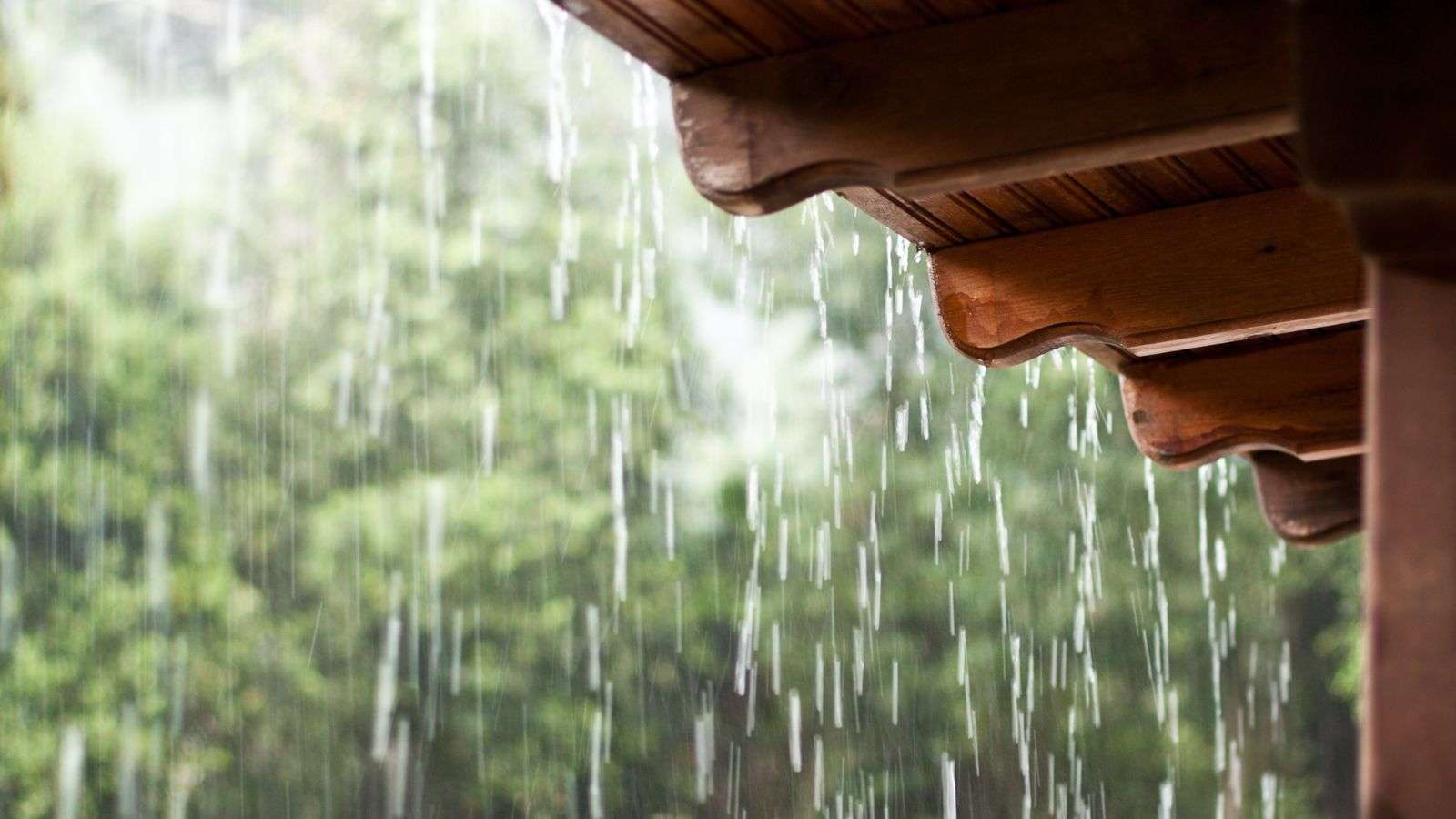
Acid rain can cause significant damage to roofs, leading to substantial repair costs and potential health hazards. Knowing how to fix this damage gives home and building owners control over the safety and stability of their structures.
In this article, we’ll go into more detail about acid rain damage and how to repair it, as well as provide detailed advice on how to prevent, resist, and be future-proof against this widespread environmental problem.
Understanding the Impact of Acid Rain on Roofs
Acid rain can have a significant impact on roofs, causing various forms of damage. When acid rain falls on roofs, it reacts with the materials, particularly those made of limestone or concrete, leading to corrosion and deterioration. The acidic components in the rain, such as sulfur dioxide and nitrogen oxides, can break down the protective coatings on roofs and weaken the structure over time.
This can result in cracks, leaks, and a reduced lifespan of the roof. Acid rain can discolor and stain roofs, leaving unsightly marks. For example, metal roofs may develop rust spots, while asphalt shingles may lose their granules and become brittle. The cumulative effect of acid rain on roofs can necessitate costly repairs or premature replacement. In order to lessen the damage that acid rain can do to roofs, it is essential to use acid-resistant materials and to maintain roofs regularly.
5 Essential Steps for Repairing Acid Rain Damage on Roofs
1. Assess the Damage
Before starting the repair process, it is essential to assess the extent of the acid rain damage on your roof. Start by looking for any obvious signs of corrosion, cracks, leaks, discoloration, or other acid rain-related deterioration on the roof. Take note of the affected areas and evaluate the severity of the damage. This evaluation will help you determine the necessary repairs and materials needed for the restoration process.
2. Clean the Roof Surface
To effectively repair acid rain damage on your roof, it’s imperative that you clean the surface thoroughly. Begin by removing any debris, such as leaves or twigs, from the roof. Next, use a mild detergent or specialized roof cleaner along with a soft-bristle brush to gently scrub away any stains or discoloration caused by acid rain. Rinse the roof surface with water to guarantee all cleaning agents are removed. Proper cleaning prepares the roof for further repair and allows for better adhesion of repair materials.
3. Repair Cracks and Leaks
Addressing cracks and leaks promptly is vital to prevent further damage to your roof. Identify any areas where acid rain has caused cracks or created openings that allow water penetration. Use a suitable roof sealant or repair patch to seal these cracks and prevent leaks. Apply the sealant or patch according to the manufacturer’s instructions, ensuring proper coverage and adhesion. This step will help restore the integrity of your roof and protect it from future acid rain damage.
4. Restore Protective Coatings
Acid rain can strip away protective coatings on your roof, leaving it vulnerable to further deterioration. As part of the repair process, consider restoring these protective coatings to enhance the roof’s resilience against acid rain. Depending on the type of roof material, choose an appropriate sealant or coating product designed to resist acidic elements. Apply the coating evenly across the roof surface, following the manufacturer’s guidelines. This restoration step will provide an added layer of defense against future acid rain damage.
5. Implement Preventive Measures
Once you have repaired and restored your roof from acid rain damage, you need to take preventive measures to minimize future impacts. Consider installing gutters and downspouts to divert rainwater away from the roof surface, reducing exposure to acid rain. Regular roof inspections and maintenance can help identify and address any signs of acid rain damage before they worsen. Taking proactive steps, such as using acid-resistant roofing materials and applying protective coatings periodically, can also contribute to long-term protection against acid rain.
Recognizing Signs and Symptoms of Acid Rain Damage on Your Roof
- Discoloration: One of the most noticeable signs of acid rain damage on roofs is discoloration. Acid rain can cause stains and marks on the surface of the roof, making it appear discolored or blotchy. For example, asphalt shingles may develop dark streaks or patches due to the corrosive effects of acid rain.
- Cracks and Breaks: Acid rain can weaken the structure of the roof over time, leading to the development of cracks and breaks. These can occur in various roofing materials, such as concrete, tiles, or metal. Look for any visible cracks or gaps in the roof surface, especially in areas that are frequently exposed to acid rain.
- Loss of Protective Coatings: Acid rain can strip away the protective coatings on roofs, leaving them vulnerable to further damage. Pay attention to any signs of peeling or deterioration of the protective layer. For instance, metal roofs may lose their protective paint, exposing the underlying material to acid rain.
- Leakage and Water Damage: Acid rain damage can compromise the waterproofing capabilities of the roof, leading to leaks and water infiltration. Inside your home, look for indications of water stains or dampness on the ceilings or walls because these can point to acid rain-related roof damage. Inspect the attic for any signs of moisture, such as wet insulation or mold growth.
- Reduced Lifespan: Acid rain damage can significantly reduce the lifespan of a roof. If your roof is showing signs of premature aging, such as brittle shingles or a deteriorating structure, it may be a result of prolonged exposure to acid rain. Consider the age of your roof and compare it to its current condition to evaluate if acid rain damage is a contributing factor.
Assessing the Severity of Acid Rain Damage on Roofs
Assessing the severity of acid rain damage on roofs is essential to determining the necessary actions for repair and restoration. Start by visually inspecting the roof for visible signs of damage, such as discoloration, cracks, or breaks. Take note of the extent and location of these issues.
Check for any signs of leaks or water damage inside the building. Evaluating the severity involves considering the overall condition of the roof, the type of roofing material, and the age of the roof. For example, if there are widespread cracks, significant discoloration, or multiple areas with water infiltration, it indicates more severe damage. Consider the roof’s structural soundness and any hazards that may pose a threat to your safety.
The DIY Guide to Repairing Acid Rain Damage
- Clean the Roof Surface: Begin the repair process by thoroughly cleaning the roof surface. Remove any debris, such as leaves or twigs, and use a mild detergent or specialized roof cleaner to scrub away stains caused by acid rain. Rinse the roof surface with water to verify all cleaning agents are removed, providing a clean and prepared surface for repairs.
- Repair Cracks and Leaks: Address any cracks or leaks caused by acid rain damage. Identify the areas where cracks or openings are present and use a suitable roof sealant or repair patch to seal them. Apply the sealant or patch according to the manufacturer’s instructions, ensuring proper coverage and adhesion. This step will prevent further water infiltration and protect the integrity of the roof.
- Replace Damaged Shingles or Tiles: If acid rain has caused significant damage to individual shingles or tiles, it may be necessary to replace them. Carefully remove the damaged pieces and replace them with new ones of the same type and size. This allows for a uniform appearance and restores the protective function of the roofing material.
- Restore Protective Coatings: Acid rain can strip away protective coatings on roofs, leaving them vulnerable to further damage. Consider restoring these coatings as part of the repair process. Choose an appropriate sealant or coating product designed to resist acidic elements and apply it evenly across the roof surface. This restoration step provides an added layer of defense against future acid rain damage.
- Implement Preventive Measures: Take preventive measures to minimize future acid rain damage. Install gutters and downspouts to divert rainwater away from the roof surface and reduce exposure to acid rain. Regularly inspect the roof for signs of damage and perform routine maintenance, such as removing debris and cleaning gutters. Consider using acid-resistant roofing materials for future replacements or installations.
Short-term Solutions for Acid Rain Rooftop Damage
- Temporary Patching: In the short term, one solution for acid rain rooftop damage is to apply temporary patches to seal cracks or leaks. Use a roof repair tape or a waterproof sealant specifically designed for temporary fixes. These products can provide a temporary barrier against water infiltration until a more permanent repair can be done.
- Covering with Tarps: If there are extensive areas of damage on the roof, covering them with tarps can provide temporary protection against further water damage. To prevent wind or rain from blowing the tarps away, secure them tightly. This solution can be particularly useful when immediate repair is not possible or during severe weather conditions.
- Regular Roof Inspections: Conduct regular inspections to identify any new signs of damage or worsening of existing acid rain damage. By detecting issues early on, you can address them promptly and prevent further deterioration. Pay close attention to areas prone to acid rain damage, such as chimney flashings, vents, or skylights.
- Clearing Debris and Maintaining Gutters: Keep the roof surface clean by regularly removing debris like leaves, branches, or moss. This helps prevent clogged gutters and allows rainwater to flow freely, reducing the risk of water accumulation and potential damage caused by acid rain.
- Applying Protective Coatings: Applying a temporary protective coating specifically designed for acid rain damage can provide some additional protection in the short term. These coatings form a barrier between the roof surface and the acidic components of rainwater, slowing down the corrosion process. You may need to reapply these coatings over time, so keep that in mind. They are only a temporary fix.
The Role of Roofing Materials in Acid Rain Damage Resistance
The choice of roofing materials plays a significant role in the resistance against acid rain damage. Certain materials are more resistant to the corrosive effects of acid rain, offering better protection for roofs. For example, metal roofs, such as those made of aluminum or steel, are known for their durability and resistance to acid rain. They do not deteriorate easily and can withstand the acidic components present in rainwater. Another option is synthetic roofing materials, such as synthetic slate or rubber roofing, which are designed to be highly resistant to acid rain damage.
On the other hand, materials like limestone or concrete are more susceptible to corrosion from acid rain due to their alkaline nature. Regular maintenance and applying protective coatings can help enhance the resistance of these materials. In order to guarantee long-term durability and minimize repairs caused by acid rain damage, it is important to consider the acid rain resistance capabilities of roofing materials when making your selection.
The Implications of Not Treating Acid Rain Damage on Roofs
Failing to treat acid rain damage on roofs can have significant implications, both in terms of structural integrity and financial costs. Without prompt repairs, acid rain damage may get worse over time.
Cracks can expand, leading to leaks that can result in water damage to the interior of the building, including walls, ceilings, and insulation. The weakened structure of the roof can also become a safety hazard, especially during extreme weather conditions. Neglecting acid rain damage can ultimately result in the need for more extensive and costly repairs or even premature roof replacement.
As acid rain-related discoloration and stains become more noticeable, the property’s aesthetic appeal might be at risk. You can preserve the roof’s long-term integrity and reduce the risk of further damage and associated expenses by promptly addressing acid rain damage and implementing preventive measures.
Regular Roof Maintenance to Mitigate Effects of Acid Rain
- Inspect the Roof Annually: Conduct regular roof inspections at least once a year to identify any signs of acid rain damage or other issues. Look for cracks, discoloration, loose shingles, or any areas that may indicate water infiltration. By catching problems early on, you can address them promptly and prevent further damage.
- Clean Gutters and Downspouts: Regularly clean your gutters and downspouts to allow for proper drainage of rainwater. Clogged gutters can lead to water accumulation on the roof, increasing the risk of acid rain damage. Remove leaves, debris, and other obstructions to maintain unobstructed water flow.
- Trim Overhanging Branches: Trim tree branches that hang over the roof to minimize the accumulation of leaves and debris. Overhanging branches can trap moisture and promote the growth of moss or algae, which can exacerbate acid rain damage. Keeping branches trimmed also reduces the risk of falling limbs during storms.
- Address Moss or Algae Growth: If you notice the growth of moss or algae on your roof, take steps to remove them promptly. Moss and algae can retain moisture, leading to accelerated deterioration of the roof’s surface. Use appropriate cleaning solutions or seek professional assistance to safely remove these organisms.
- Apply Protective Coatings: Consider applying protective coatings specifically designed to resist acid rain damage. These coatings form a barrier between the roof surface and acidic components in rainwater, providing an extra layer of protection. Follow the manufacturer’s instructions for application and reapplication intervals.
- Promptly Repair Damage: If you observe any signs of acid rain damage, such as cracks or leaks, address them promptly. Seal cracks, replace damaged shingles or tiles, and apply suitable repair materials to prevent further water infiltration and structural deterioration.
Greener Approaches to Handling Acid Rain Roof Damage
One greener approach to handling acid rain roof damage is to consider environmentally friendly roofing materials and solutions that minimize the impact on the environment while addressing the damage. This can include the use of recycled or sustainable roofing materials, such as recycled metal or eco-friendly synthetic roofing options.
Incorporating green infrastructure elements, such as green roofs or rooftop gardens, can help mitigate the effects of acid rain by reducing stormwater runoff and providing natural insulation. When repairing acid rain damage, opt for non-toxic or low-VOC (volatile organic compound) sealants and coatings to minimize environmental impact. Furthermore, implementing rainwater harvesting systems can divert acidic rainwater away from the roof surface, reducing its corrosive effects.
Guarding Your Roof Against Future Acid Rain Harm
To guard your roof against future acid rain harm, consider preventative measures such as using acid-resistant roofing materials, including metal roofs, synthetic roofing options, or specially treated shingles that are designed to withstand the corrosive effects of acid rain.
Implementing regular roof maintenance, including inspections, cleaning gutters to prevent water buildup, and promptly addressing any signs of damage, can help protect your roof from the detrimental effects of acid rain. Installing gutter guards and maintaining proper ventilation in the attic can also aid in diverting rainwater away from the roof and reducing moisture buildup, thus minimizing the impact of acid rain.
Applying protective coatings or sealants specifically formulated to resist acidic elements can provide an additional layer of defense. Together, these steps help to protect your roof from future acid rain damage and maintain its longevity and structural integrity.