
Cleaning bathroom drains can seem like a daunting task, but with proper tools and techniques, it can turn into a manageable routine. From understanding what causes clogs to the impact of regular cleaning on drain lifespan, there’s a lot to consider.
In this article, we will explore six effective methods for thoroughly cleaning bathroom drains and delve into essential aspects of this topic.
6 Effective methods for thoroughly cleaning bathroom drains
1. Regularly use a drain cleaner
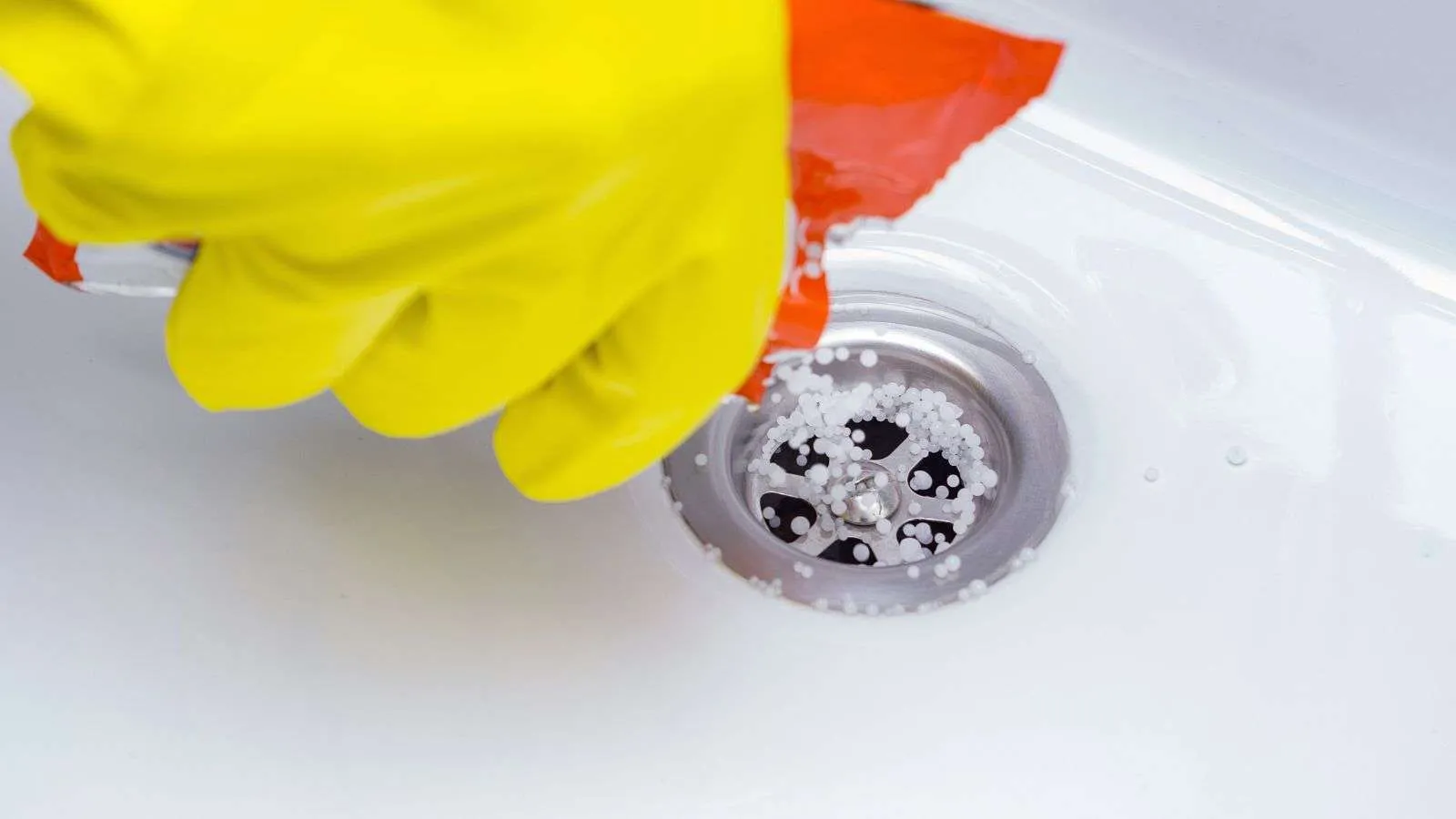
Using a drain cleaner on a regular basis is an effective way to keep your bathroom drains clean and free from clogs. Choose a drain cleaner that is specifically designed for bathroom drains and follow the instructions on the label. This will help to dissolve any buildup of hair, soap scum, and other debris that can accumulate in your drains over time.
2. Remove hair regularly
Hair is one of the main culprits when it comes to clogged bathroom drains. To prevent this, regularly remove any hair that has accumulated in the drain. You can use a pair of tweezers or a small brush to carefully pull out the hair. This simple step can go a long way in preventing future clogs and maintaining a clean drain.
3. Use a drain snake or auger
If you’re dealing with a stubborn clog in your bathroom drain, using a drain snake or auger can be very helpful. Insert the snake into the drain and rotate it to break up the clog. Slowly pull out the snake, taking care not to damage the pipes. This method is particularly effective for removing hair clogs or other debris that may be blocking the flow of water.
4. Create a DIY vinegar and baking soda solution
Vinegar and baking soda are natural cleaning agents that can be used to effectively clean bathroom drains. Start by pouring half a cup of baking soda down the drain, followed by half a cup of vinegar. Allow the mixture to foam for a few minutes, then flush it down with hot water. This combination helps to break down grease, grime, and odors, leaving your drains clean and fresh.
5. Make use of a wet/dry vacuum
A wet/dry vacuum can be a powerful tool for cleaning bathroom drains. Simply place the vacuum hose over the drain opening and create a tight seal. Turn on the vacuum to suck out any debris or clogs that may be causing problems in your drain. This method is particularly effective for removing large or stubborn blockages.
6. Maintain proper ventilation
Proper ventilation is essential for preventing unpleasant odors and keeping your bathroom drains clean. Ensure that your bathroom is well-ventilated by opening windows or using an exhaust fan while showering or bathing. This helps to remove excess moisture, reducing the chances of mold and mildew growth in your drains.
Why do bathroom drains get dirty?
One of the main reasons is the accumulation of hair, soap scum, and other debris that goes down the drain during showers or while washing hands. Over time, these substances can build up and create blockages in the drain, leading to slow drainage and unpleasant odors.
The moist and humid environment of the bathroom provides a breeding ground for bacteria, mold, and mildew, which can contribute to the dirtiness of the drains. Lack of regular cleaning and maintenance can further exacerbate the problem, allowing dirt and grime to accumulate and clog the drains.
The most common bathroom drain problems
- Clogged drains due to the accumulation of hair, soap scum, and other debris.
- Slow drainage caused by blockages in the pipes.
- Unpleasant odors arising from bacteria, mold, or mildew growth in the drains.
- Leaking pipes or faulty seals leading to water damage.
- Corrosion or deterioration of the drain pipes over time.
- Backups or overflow of water in the drain due to a malfunctioning plumbing system.
- Infiltration of tree roots into underground drain pipes, causing blockages and damage.
Tools you need to maintain clean bathroom drains
- Plunger: A plunger is a versatile tool that can be used to unclog bathroom drains by creating suction and dislodging blockages.
- Drain snake or auger: A drain snake or auger is a long, flexible tool that can reach deep into the drain to break up and remove stubborn clogs.
- Wire brush or small brush: A wire brush or small brush can be helpful for removing hair and debris from the drain surface and keeping it clean.
- Wet/dry vacuum: A wet/dry vacuum can be used to suck out debris or clogs from the drain, providing a powerful cleaning solution.
- Bucket or container: Having a bucket or container on hand is useful for catching water and debris when working on the drain and preventing any mess.
- Rubber gloves: Rubber gloves are essential to protect your hands from dirt, grime, and any chemicals you may use during the cleaning process.
- Cleaning solution: Depending on your preference, you may choose to use a commercial drain cleaner, vinegar and baking soda mixture, or other cleaning solutions specifically formulated for bathroom drains.
How to prevent bathroom drains from getting dirty
First, install drain covers or screens to catch hair and larger debris before they enter the drain. Regularly clean these covers to prevent buildup. Second, avoid pouring grease, oils, or harsh chemicals down the drain, as they can contribute to clogs and buildup. Third, regularly clean the drain with a homemade solution of vinegar and baking soda or a commercial drain cleaner to dissolve any residue and keep the drain clear. Make sure to remove hair from the drain regularly to prevent blockages. Finally, maintain proper ventilation in the bathroom to minimize moisture and inhibit mold and mildew growth, which can contribute to dirty drains.
Natural methods vs chemical drain cleaners: pros and cons
| Natural Methods | Chemical Drain Cleaners |
|---|---|
| Pros | Pros |
| Environmentally friendly | Strong and fast-acting |
| Safer for pipes and septic systems | Can effectively dissolve tough clogs |
| Non-toxic and safer for pets and children | Widely available and easy to use |
| Cost-effective | Can be used as a preventative measure |
| Cons | Cons |
| May require more time and repeated applications for tough clogs | Harsh chemicals may pose health risks if mishandled or used improperly |
| Not as effective on severe or stubborn clogs | Can cause damage to older or fragile pipes |
| May not completely eliminate odors | Environmental impact due to chemical ingredients |
| Some natural methods may have a distinct odor | Can be more expensive than natural alternatives |
Natural methods
Natural methods of cleaning drains, such as using a mixture of vinegar and baking soda, have several advantages. They are environmentally friendly, non-toxic, and safer for both the pipes and the people using them. These methods are generally cost-effective and can be used regularly as a preventative measure. However, they may take longer to work on tough clogs and may require repeated applications. Some natural methods may have a distinct odor that might not be pleasant for everyone.
Chemical drain cleaners
Chemical drain cleaners offer strong and fast-acting solutions for clearing clogs. They are highly effective in dissolving tough clogs and are widely available and easy to use. However, they come with some drawbacks. Harsh chemicals can pose health risks if mishandled or used improperly. They can also cause damage to older or fragile pipes. Chemical drain cleaners may have an environmental impact due to their chemical ingredients. Moreover, they can be more expensive compared to natural alternatives.
How to use chemical drain cleaners safely and effectively
Start by carefully reading and understanding the instructions provided by the manufacturer. Wear protective gloves and eye goggles to prevent any contact with the chemicals. Ensure that the area is well-ventilated to avoid inhaling fumes. Pour the recommended amount of the drain cleaner into the drain and let it sit for the specified time. Avoid using excessive amounts, as it can lead to damage or corrosion of pipes.
After the specified time, flush the drain with plenty of water to remove any remaining residue. If the clog persists, do not attempt to use more chemical drain cleaner immediately. Instead, consider seeking professional help. Always store chemical drain cleaners in a safe place, away from children and pets.
Detecting when professional cleaning is required
While regular maintenance and DIY cleaning methods can often keep bathroom drains in good condition, there are certain signs that indicate the need for professional cleaning services. If you notice persistent or recurring clogs that cannot be cleared with household remedies, it may be time to seek professional assistance.
Foul odors emanating from the drain, slow drainage despite attempts to clear the clog, or gurgling sounds coming from the pipes can also indicate a more serious underlying issue that requires professional attention. If you are unsure about handling chemicals or using tools like drain snakes, it is advisable to consult a professional. When in doubt, it is always better to reach out to experts who can assess the situation and provide effective solutions.
For finding trusted professionals in your area, you can refer to the directory of Big Home Projects on our website.
The impact of regular cleaning on drain lifespan
Regular cleaning plays a significant role in extending the lifespan of drains. By regularly cleaning bathroom drains, you can potentially extend the lifespan of your plumbing system by several years.
You can also prevent the accumulation of hair, soap scum, and other debris that can lead to clogs and blockages. This reduces the strain on the drainpipes, allowing water to flow freely and preventing potential damage.
Regular cleaning helps to remove bacteria, mold, and mildew that can grow in drains due to moisture and humidity. These microorganisms can corrode pipes and cause deterioration over time. By maintaining clean drains, you minimize the risk of costly repairs or replacements and ensure the longevity of your plumbing system.