
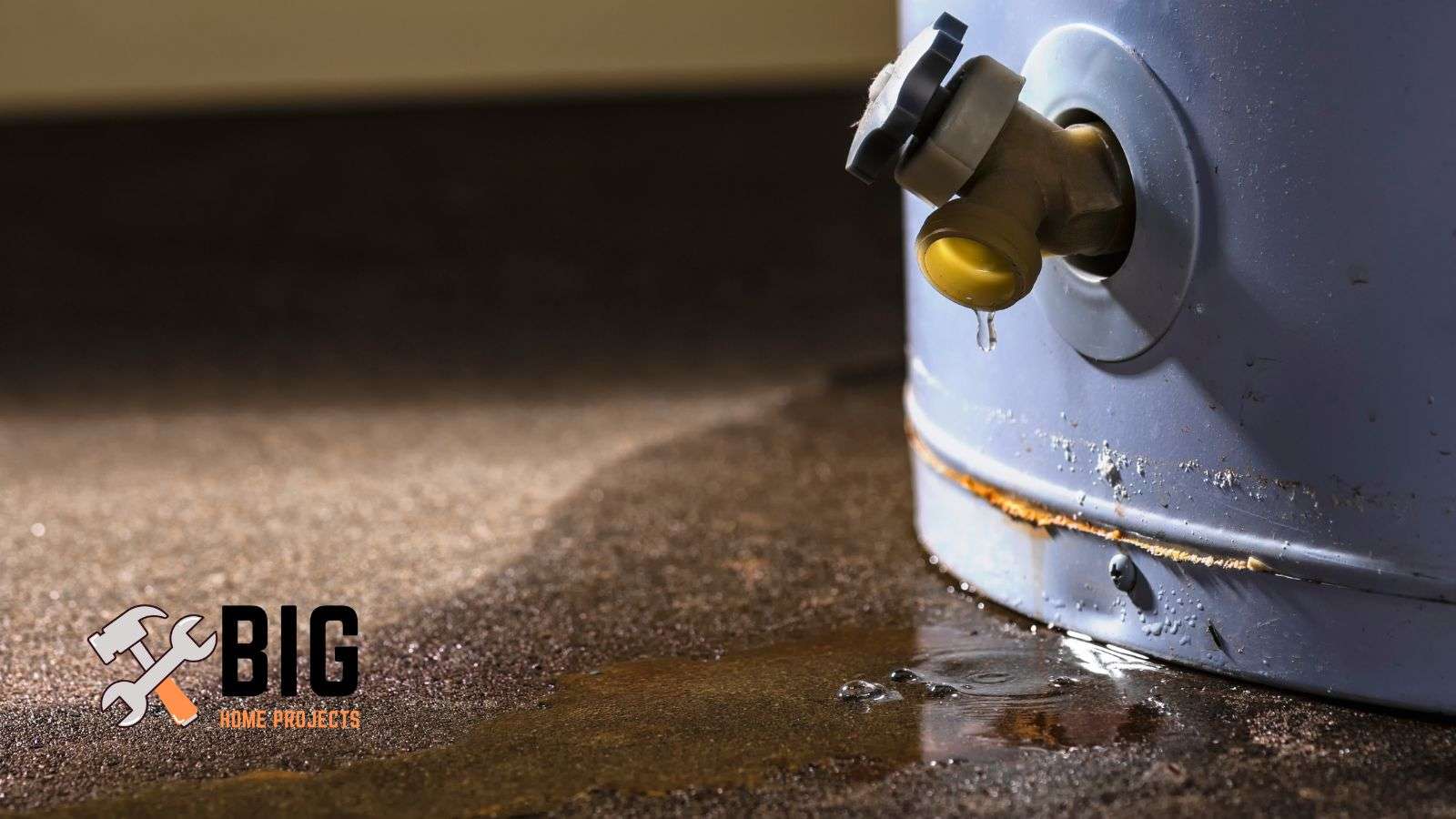
Dealing with a leaking water heater can be a frustrating experience, especially if you don’t know how to handle it correctly. A leaking water heater can cause significant damage to your home, property, and personal belongings if left unattended.
In this article, we’ll provide nine essential tips to help you deal with a leaking water heater, including who to call for help and what to do in the meantime.
9 essential tips for dealing with a leaking water heater
Tip 1: Shut off the power
For safety reasons, it’s important to shut off the power first before dealing with a leaking water heater. If your heater is electric, turn off the breaker at your home’s electrical panel. For gas heaters, look for a dedicated gas shut-off valve and turn it to the “off” position.
Tip 2: Turn off the water supply
After shutting off the power, also turn off the water supply to prevent more water from entering the tank. The shut-off valve is often located above the heater on a pipe that leads to it.
Tip 3: Identify the source of the leak
Identifying where the leak originates is crucial to figuring out how to fix it. It could be from valves, connections, or even the tank itself. Use a flashlight if necessary, and look closely at all possible areas.
Tip 4: Check the pressure relief valve
Problems with the pressure relief valve can occasionally cause leaks. This valve regulates pressure within your water heater. If it malfunctions or becomes too pressurized, it can cause leaks.
Tip 5: Inspect the drain valve
The drain valve can also be a source of leaks. Check whether this valve is completely closed or not; if not, close it tight enough, but don’t over-tighten as this may cause further issues.
Tip 6: Examine the tank for cracks
If you cannot find any leak sources around valves or connections, inspect the tank itself. Over time, tanks may develop cracks due to corrosion, which can cause leakage.
Tip 7: Call a professional plumber
If you’re unable to determine where the leak is coming from or feel uncomfortable doing these steps yourself, don’t hesitate to call a professional plumber who has experience dealing with such situations.
Tip 8: Regular maintenance
Regular maintenance isn’t just about preventing future leaks; it can also help identify small issues before they become big problems. This includes annual inspections and proper flushing of your water heater tank every six months or so for sediment buildup removal.
Tip 9: Consider replacement
Finally, if your water heater is old and frequently causes trouble like leakage or inconsistent heating performance, consider replacing it with an energy-efficient model, which will save you money over time.
What are the immediate steps I should take if my water heater is leaking?
- Turn off the power or gas supply: If you have an electric water heater, go to your circuit breaker and switch off the corresponding breaker for the water heater. If you have a gas water heater, find the gas shut-off valve and turn it off. This step is crucial to preventing any electrical or gas-related accidents.
- Turn off the water supply: Locate the cold water supply pipe connected to your water heater and shut off the water supply valve. It’s usually a lever-style valve that you can turn clockwise to close.
- Allow the water heater to cool down: If you had hot water running before discovering the leak, the water inside the tank might be scalding hot. Give it some time to cool down before attempting any further actions.
- Drain the tank (optional): If you want to prevent more water from leaking and causing additional damage, you can attach a hose to the drain valve at the bottom of the water heater and direct it to a floor drain or outside. Open the valve to let the water drain out.
- Assess the leak: Try to identify the source and extent of the leak. Common areas of leakage include the drain valve, pressure relief valve, or tank itself. If the leak is coming from a valve, it might be fixable with a replacement washer or valve. However, if the tank itself is leaking, it may need to be replaced entirely.
- Call a professional plumber: Water heater issues can be complex, and attempting a DIY fix could worsen the problem or pose safety risks. Contact a licensed plumber who specializes in water heaters to assess the situation and provide the necessary repairs or replacements.
- Clean up and dry the area: Mop up any water on the floor to prevent water damage to your property. If the leak has caused water to come into contact with electrical appliances or outlets, be extremely cautious and avoid touching any wet electrical components.
- Check for warranty coverage: If your water heater is relatively new, check if it’s still under warranty. Some leaks or issues might be covered, and the manufacturer might replace or repair the unit at no cost to you.
Turning off the water supply when you notice a leak?
You should definitely turn off the water supply to the water heater if you notice a leak. Shutting off the water supply is one of the first and most important steps to take when dealing with a leaking water heater.
This will help prevent further water from filling the tank and leaking out, reducing potential water damage and minimizing safety hazards.
To turn off the water supply to the water heater, follow these steps:
- Locate the cold water supply pipe: The cold water supply pipe is usually connected to the top of the water heater.
- Shut off the water supply valve: The water supply valve is typically a lever-style valve. Turn it clockwise (to the right) to close the valve and stop the flow of water to the water heater.
By turning off the water supply, you can prevent the water heater from filling up with more water, which will reduce the amount of leakage.
Once the water supply is shut off, it’s essential to call a professional plumber to assess the situation and fix the issue.
Is a water heater leak considered an emergency?
A water heater leak can potentially be an emergency, depending on the severity of the leak and the amount of water being released.
If the leak is minor and you have successfully turned off the water supply and power or gas to the water heater, it may not be an immediate emergency.
However, if the leak is significant (gushing water) or you cannot control it by turning off the water supply, it could quickly escalate into a more serious situation.
Here are some guidelines to help you decide whether a water heater leak is an emergency and when you should seek assistance:
- The severity of the leak: If the leak is minor and you can easily control it by turning off the water supply and adding power or gas to the water heater, you may not need to panic. However, if the leak is substantial and floods the area, it should be treated as an emergency.
- Electrical hazards: If the leaking water comes into contact with electrical components, outlets, or appliances, it can pose an immediate danger of electric shock. In such cases, it’s crucial to consider it an emergency and take immediate action.
- Gas leaks: For gas water heaters, if you notice a gas smell along with the leak, it’s extremely hazardous. Gas leaks can lead to fire or explosion risks. In this case, evacuate the premises, call the gas company, and seek professional help immediately.
- Water damage: If the leak is causing significant water damage to your property, it’s essential to address it promptly to prevent further destruction and mold growth.
Can I DIY a water heater leak myself?
While it might be tempting to attempt fixing a water heater leak yourself, it is generally recommended to call a professional plumber right away.
Water heaters involve electricity or gas, and mishandling these systems can lead to safety hazards or void the warranty.
Without proper knowledge and experience, identifying the source of the leak and conducting successful repairs can be challenging.
Calling a licensed plumber ensures the problem is accurately diagnosed, the appropriate repairs are made safely, and potential complications are avoided, providing peace of mind and an efficient resolution of the issue.
How do I find the source of the water heater leak?
- Safety first: Before you begin, ensure the water heater is turned off. If it’s an electric water heater, switch off the circuit breaker dedicated to the water heater. For a gas water heater, turn off the gas supply valve.
- Visual inspection: Carefully examine the water heater, looking for any visible signs of water leakage. Check around the base of the tank, the top, and all sides. Look for dripping water, puddles, or water stains.
- Check the fittings: Inspect all the fittings, connections, and pipes leading to and from the water heater. Common places for leaks include the inlet and outlet pipes, pressure relief valve, drain valve, and heating element ports.
- T&P (Temperature and Pressure) relief valve: This valve is a safety feature that releases excess pressure from the tank. If it’s faulty, it could cause leaks. Be cautious when checking the T&P valve, as hot water may be released. Make sure it’s properly attached and not dripping water.
- Drain valve: The drain valve is located near the bottom of the water heater. Check if it’s fully closed and not leaking.
- Tank integrity: Inspect the tank itself for any signs of rust, corrosion, or cracks. A leaking tank is a significant issue and often requires a water heater replacement.
- Condensation: In some cases, what appears to be a leak might be condensation forming on the exterior of the tank. Wipe the outside of the tank dry and observe if the moisture returns.
- Wipe the area dry: After identifying the leak or its general location, wipe the area around it dry. This helps distinguish new leaks from existing ones.
- Observe and re-check: With the water heater still turned off, wait for a while and observe if any new leaks appear or if the identified leak persists.
Should I contact a plumber or the manufacturer for a leaking water heater?
When dealing with a leaking water heater, it’s best to contact a plumber rather than the manufacturer’s support line.
Plumbers possess the expertise and experience needed to accurately diagnose the problem, provide immediate assistance, and ensure safety compliance.
They offer unbiased advice, prioritize efficient solutions, and have access to specialized tools and genuine replacement parts.
Choosing a plumber over the manufacturer’s support line guarantees that the issue is addressed promptly and professionally, minimizing the risks and potential damage associated with the leak and enabling you to consider suitable replacement options if necessary.
Potential causes of a water heater leak
Numerous factors can lead to a water heater leak, and the difficulty of repair depends on the particular problem. Some potential causes of a water heater leak include:
- Loose or faulty valves: The drain valve or pressure relief valve may be loose or have a faulty seal, leading to water leakage. In many cases, these valves can be easily tightened or replaced.
- Corrosion: Over time, water heaters can develop corrosion on the tank or pipes, leading to leaks. Corrosion-related leaks are often more challenging to repair, and if the tank is extensively corroded, it may require replacement.
- Sediment buildup: Sediment can accumulate at the bottom of the tank over time, causing corrosion and leaks. Flushing the tank regularly can prevent this issue.
- Damaged tank: Physical damage to the tank, such as dents or cracks, can cause leaks. Repairing a damaged tank is typically not recommended, and replacement is the safer option.
- Faulty temperature and pressure relief valve (T&P Valve): If the T&P valve is not functioning correctly, it may leak water as a safety measure. Replacing a faulty T&P valve is usually straightforward.
- Faulty heating element gasket: Electric water heaters have heating elements with gaskets that can wear out and cause leaks. Replacing the gasket is a relatively simple repair.
- High water pressure: Excessively high water pressure can cause stress on the tank and fittings, leading to leaks. Installing a pressure regulator can help alleviate this issue.
- Condensation: In humid environments, condensation can form on the exterior of the tank, mimicking a leak. Wiping off the moisture and insulating the tank can resolve this problem.
Signs that differentiate between a minor leak and a more severe issue
There are several tell-tale signs that can help differentiate between a minor water heater leak and a more severe issue:
- Amount of water: A minor leak may result in a small puddle or a few drips around the base of the water heater. On the other hand, a severe leak could lead to a significant amount of water pooling on the floor and spreading rapidly.
- Consistency: A minor leak might occur sporadically or only when the water heater is in use. A severe issue often leads to a continuous and steady flow of water.
- Water temperature: If the leak is from the hot water outlet or a heating element port, you might notice that the water is warm or hot. A cold water leak could indicate a different issue.
- Corrosion and rust: Severe leaks or long-term leaks can cause corrosion and rust around the base of the water heater or on nearby pipes and fittings.
- Water quality: Water from a minor leak may still be relatively clear. In contrast, a severe leak may lead to discolored or muddy water due to sediment being stirred up or rust from corroded parts.
- Odors: If there’s a gas leak along with water leakage, you might detect a distinct rotten egg smell, which indicates the presence of natural gas.
- Sounds: A severe leak might result in hissing or bubbling noises from the water heater due to water coming into contact with a heating element or other hot components.
- Impact on water pressure: A significant leak could lead to reduced water pressure or a complete loss of hot water supply.
- Electricity or gas supply: If the leak is affecting electrical components or gas lines, you might experience issues with the water heater’s operation or notice the smell of gas.
Can a water heater leak cause water damage?
A water heater leak can indeed cause water damage to your home if not addressed promptly.
Even a small, slow leak can lead to significant problems over time, seeping into walls, floors, and structural components and potentially fostering the growth of mold and mildew. Swift action is essential to prevent further damage and costly repairs.
To minimize the impact of a water heater leak, start by turning off the water supply and power or gas to the unit. Mop up excess water around the heater and, if feasible, place a container to catch dripping water.
Next, call a professional plumber to assess and repair the leak accurately, reducing the risk of additional damage. If your water heater is under warranty, check for coverage, as the manufacturer may offer repair or replacement services.
Address any water damage promptly, cleaning and drying affected areas to prevent mold growth.
Consider using dehumidifiers to reduce moisture levels. If the leak has affected electrical components, avoid touching anything until a professional plumber or electrician has evaluated the situation.
Regular maintenance can help prevent future leaks and extend your water heater’s life. Schedule maintenance with a professional plumber for tasks like tank flushing, valve inspection, and identifying signs of wear.
By taking these measures and promptly addressing water heater leaks, you can safeguard your property and avoid extensive damage to your home.
Remember, for safety and effective solutions, always rely on the expertise of licensed professionals when dealing with water heater issues.
Preventive maintenance tips to reduce the likelihood of a water heater leak
- Regular inspection: Periodically inspect your water heater for any signs of leaks, rust, or corrosion. Look for water spots, dampness, or discolored areas around the unit.
- Flushing the tank: Sediment buildup inside the water heater tank can accelerate corrosion and lead to leaks. Drain and flush the tank at least once a year to remove accumulated sediment.
- Check pressure relief valve: Test the Temperature and Pressure (T&P) relief valve annually to ensure it is functioning correctly. Lift the lever and allow some water to discharge, which helps prevent pressure buildup.
- Check the anode rod: The anode rod is designed to attract corrosive elements within the water heater. Check it annually and replace it if it’s heavily corroded to protect the tank from rusting.
- Maintain proper water pressure: Excessively high water pressure can strain the water heater and its components, leading to leaks. Install a pressure regulator if needed to maintain a safe and recommended pressure level (typically between 40 and 60 psi).
- Inspect and tighten fittings: Regularly check all fittings, connections, and pipes associated with the water heater. Ensure they are properly tightened and not showing signs of leakage.
- Insulate pipes: Insulate both hot and cold water pipes connected to the water heater to prevent condensation and conserve energy.
- Monitor temperature settings: Keep the temperature setting on the water heater at a safe and energy-efficient level (around 120 degrees Fahrenheit or 49 degrees Celsius).
- Keep the area clean: Avoid storing flammable items or clutter around the water heater to reduce potential fire hazards and allow for proper ventilation.
- Check for gas leaks: If you have a gas water heater, occasionally check for gas leaks by using soapy water on the connections. If you detect a gas smell, turn off the gas supply immediately and seek professional assistance.
- Consider a water softener: If you have hard water, consider installing a water softener to reduce mineral deposits that can contribute to corrosion and other issues.
Other interesting articles: