
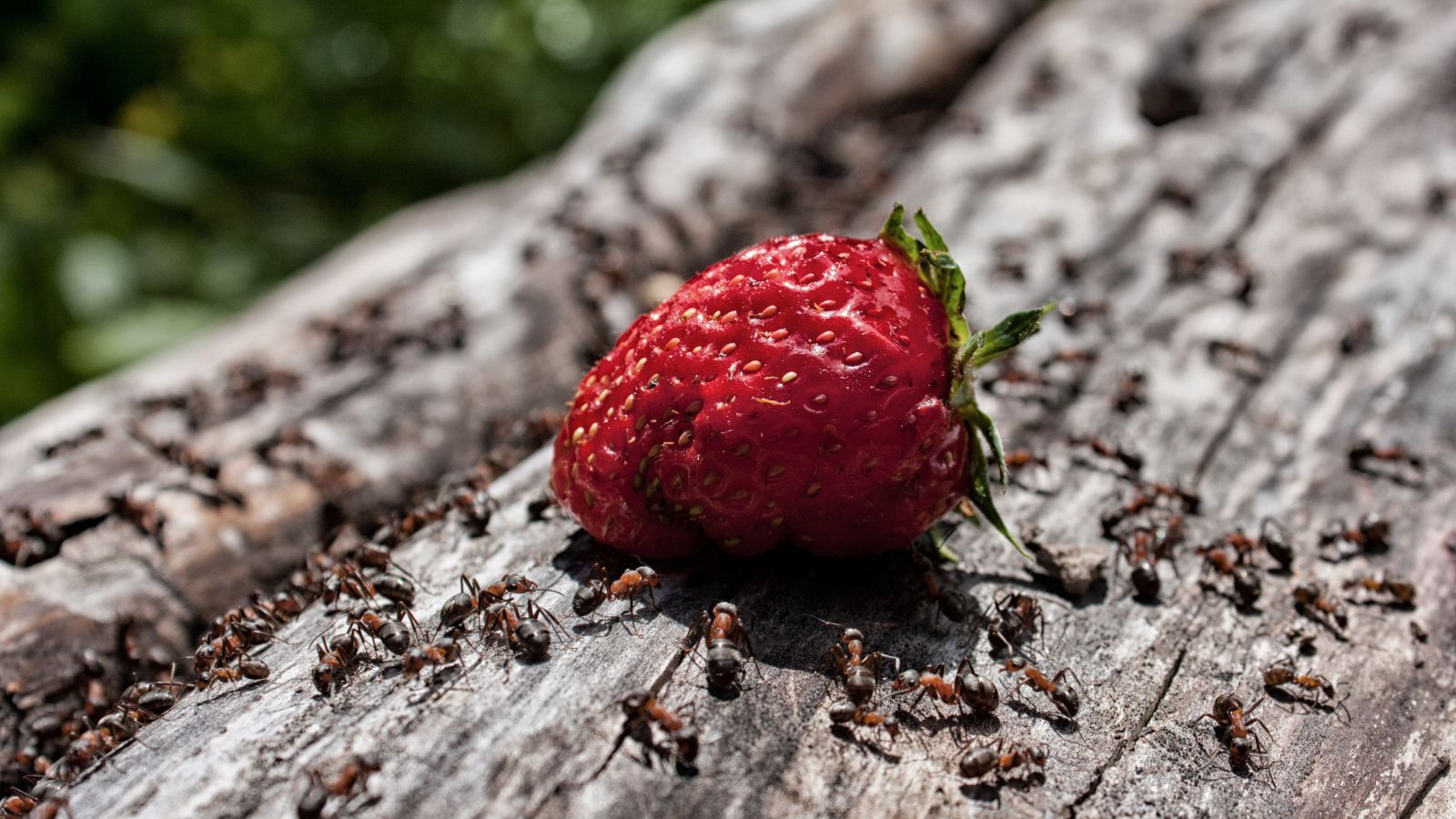
Ant infestations can be a frustrating problem for homeowners, but with the right methods, they can be resolved quickly and effectively. In this article, we’ll explore the most common questions about getting rid of ants, share 10 proven strategies to tackle infestations, and provide tips to keep them from returning. Plus, if you need professional help, BigHomeProjects.com can connect you with trusted local pest control experts to make your home ant-free in no time.
How Do You Get Rid of Ant Infestations Quickly?
To get rid of an ant infestation quickly, the first step is targeting their food supply and entry points. Start by cleaning up food spills immediately, especially sugary or greasy substances, as these are major attractants. Store all food, including pet food, in airtight containers, and take out the trash daily. Check your home for cracks around windows, doors, and foundations—seal these using caulk to block their entryways. For a quick natural solution, you can mix water with white vinegar or peppermint oil and spray it along ant trails and entry points. This disrupts their scent trails, forcing them to find other routes. I personally tried this with peppermint oil during a kitchen infestation, and it worked overnight to deter them while I set up baits.
Next, focus on eliminating the colony itself. Use commercial ant baits or make your own by mixing borax with sugar in a 1:3 ratio. Place these near visible ant trails but avoid killing the ants you see; they’re crucial for transporting the bait back to the colony. Outdoor nests can be targeted directly by pouring boiling water on them or sprinkling diatomaceous earth around your home’s perimeter. If you’re dealing with carpenter ants, inspect for wood damage and repair it immediately—these ants can cause structural issues if left unchecked. For larger infestations, professional pest control may cost $150–$500 depending on the severity, but it’s often worth it for a faster resolution.
10 Effective Ways to Get Rid of Ant Infestations Quickly
1. Clean and Remove Food Sources
Ants are drawn to food like magnets, especially sugary or greasy substances. Start by wiping down countertops, sweeping floors, and vacuuming carpets daily until the infestation is under control. Store pantry items like cereal, rice, and snacks in airtight containers—ants can chew through thin plastic bags. Don’t forget about pet food; clean bowls after every feeding and store the food in sealed tubs. Trash cans are another hotspot, so take out the trash regularly and use bins with tight-fitting lids. Even small crumbs under appliances can create an ant buffet, so be thorough while cleaning.
2. Use Natural Repellents
Natural remedies are a great first line of defense for repelling ants. Mix equal parts water and white vinegar in a spray bottle and spritz it along windowsills, doorways, and baseboards where ants travel. For something less acidic, try sprinkling cinnamon or coffee grounds around their entry points—these disrupt their scent trails. If you want a long-lasting solution, soak cotton balls in peppermint oil or citrus oil and place them near problem areas. Unlike sprays that evaporate quickly, these oil-soaked balls can deter ants for days.
3. Set Ant Baits
Baiting is one of the most effective methods to eliminate an entire colony. Use commercial ant baits or make your own by mixing borax with sugar in a 1:3 ratio; the sugar lures ants while the borax kills them slowly. Place the bait near ant trails but resist the urge to kill the ants you see—they need to return to the colony with the poisoned food. If you notice ants ignoring your bait, experiment with different food bases like peanut butter or honey to match their preferences.
4. Seal Entry Points
Ants are expert infiltrators, often entering through tiny cracks or gaps you might not notice immediately. Inspect your home for openings around windows, doors, and baseboards, and seal them using silicone-based caulk. Pay extra attention to areas near pipes or vents—they’re common entry points for pests. If your home has damaged or rotting wood, repair it quickly since carpenter ants are attracted to moisture-damaged areas. A little effort sealing these gaps goes a long way in preventing future infestations.
5. Outdoor Treatments
If you spot ant nests outside, address them directly to prevent indoor invasions. Pouring boiling water over the nest is a quick and effective method, but for a less aggressive option, sprinkle diatomaceous earth around the mound and your home’s perimeter. Diatomaceous earth is non-toxic and works by dehydrating ants as they walk through it. Trim bushes and tree branches that touch your house—these act as bridges for ants to access your home. Maintaining a tidy yard can make a huge difference.
6. Keep Moisture Under Control
Ants thrive in damp environments, so controlling moisture levels in your home is essential. Fix leaky faucets, pipes, or roofs as soon as you notice them. Use a dehumidifier if you have a humid basement or crawlspace—it eliminates conditions that attract ants like odorous house ants or carpenter ants. Check for puddles under sinks and appliances; even condensation from air conditioners can be enough to lure them indoors.
7. Use Essential Oils Strategically
Essential oils aren’t just for aromatherapy—they’re excellent ant deterrents when used correctly. Peppermint oil is particularly effective; mix it with water at a 10:1 ratio in a spray bottle and apply it along ant trails or entry points. Tea tree oil works similarly but has antibacterial properties that keep surfaces cleaner while repelling pests. For persistent infestations, add several drops of clove oil to your mixture—it has strong insecticidal properties that target ants specifically.
8. Target Hidden Colonies
Sometimes the visible ants are only the tip of the iceberg—the colony could be hidden inside walls or under floors. To locate these colonies, follow ant trails back to their source. If you suspect they’re inside the walls, tap lightly along suspect areas and listen for faint rustling sounds. Once you’ve identified the colony’s location, use foam insecticides designed for crevices or consult a pest control expert who can safely access hard-to-reach nests.
9. Monitor Ant Activity After Treatment
After applying repellents or baiting strategies, you’ll need to monitor ant activity closely for at least a week. Track whether the number of visible ants decreases and whether they’re still following trails. If activity persists, reassess your bait placement—ants may be avoiding it due to food preferences or nearby disruptions like cleaning agents. Keeping tabs on ant movement helps you refine your methods and makes sure complete eradication.
10. Hire Professional Help for Severe Infestations
If DIY methods aren’t cutting it or the infestation is extensive, don’t hesitate to call a pest control service. Professionals use advanced techniques like perimeter treatments, non-repellent sprays, and targeted bait stations to eliminate colonies efficiently. Costs typically range from $150 to $500 depending on infestation size and treatment complexity, but it’s worth it for peace of mind when dealing with persistent invaders. Many services also include follow-up visits to ensure long-term success.
Why Do Ants Invade Homes and How Can You Stop Them?
Ants invade homes primarily in search of food, water, and shelter. They’re highly organized and use pheromone trails to guide the colony to reliable food sources, which can be as small as a few crumbs or a sticky spot on your counter. During dry seasons, they often enter homes seeking moisture from leaky pipes, condensation, or pet water bowls. Certain species, like carpenter ants, are also drawn to damp or rotting wood as nesting sites, which can cause structural damage over time. If your home offers easy access to these necessities—like unsealed cracks around doors and windows or poorly stored food—they’ll exploit it. Research shows that odorous house ants and pavement ants are the most common indoor invaders in the U.S., with their colonies numbering in the thousands, making infestations hard to contain.
To stop ants from invading, you need a proactive approach that disrupts their access points and survival needs. Seal all entry points using silicone caulk, paying special attention to areas around pipes, vents, and electrical outlets. Store food in airtight containers and clean up spills immediately—even grease splatter on stovetops can attract them. Control moisture by repairing leaks quickly and using a dehumidifier in damp areas like basements. For an added layer of defense, create physical barriers with diatomaceous earth or apply non-toxic sprays made from essential oils like tea tree or clove oil. Studies have shown that these natural methods effectively repel ants without harming pets or kids. Targeting outdoor nests near your home with boiling water or bait stations can stop ants before they migrate indoors, reducing the risk of future invasions.
Natural and Chemical Solutions for Ant Infestations
Natural solutions for ant infestations rely on disrupting their scent trails and creating barriers they won’t cross. A highly effective method is using a mixture of white vinegar and water in a 1:1 ratio to spray along ant trails, windowsills, and baseboards. The acidity of the vinegar destroys their pheromone trails, leaving them disoriented. Diatomaceous earth, a fine powder made from fossilized algae, is another natural option. When ants walk through it, the powder punctures their exoskeletons, dehydrating and killing them. It’s non-toxic to humans and pets, making it a safe option for indoor and outdoor use. I used diatomaceous earth in my garden to stop ants from attacking my tomatoes—it worked within two days without damaging the plants. For persistent ants, essential oils like eucalyptus or clove oil can be mixed with water and sprayed around entry points; these oils act as both repellents and mild insecticides.
Chemical solutions are often faster and more aggressive but come with specific precautions. Commercial ant baits containing borax or hydramethylnon are highly effective because they target the entire colony. Worker ants bring the poisoned bait back to the nest, killing the queen and the colony over time. For immediate results, perimeter sprays with pyrethroid-based insecticides can block entry points and kill ants on contact. However, these sprays should be used sparingly around children and pets due to their toxicity. Professional-grade solutions like Termidor (fipronil) are often used by pest control experts for severe infestations; they’re non-repellent, meaning ants unknowingly carry the substance back to the colony. While effective, treatments like this can cost $200–$500 depending on the size of the infestation. Always read labels carefully and follow instructions when using chemical products to minimize risks to your household.
Proven Methods to Prevent Ants from Returning
- Seal cracks and gaps in your home: Ants are excellent at finding tiny entry points, so inspect your home carefully. Use silicone caulk to seal cracks around windows, doors, and baseboards. Don’t forget less obvious areas like where pipes enter the walls or gaps around electrical outlets. For extra protection, install weather stripping on doors and windows to block entry. A friend of mine once had ants entering through a barely noticeable gap in a bathroom tile—sealing it completely solved the problem.
- Create a dry environment: Ants love moisture, so controlling humidity indoors is key. Fix leaky faucets and pipes immediately, and use a dehumidifier in damp spaces like basements or laundry rooms. If you notice condensation under your refrigerator or around your air conditioner, wipe it regularly and make sure proper drainage. Carpenter ants, in particular, thrive in wet wood, so addressing water damage quickly prevents them from nesting.
- Maintain a clean outdoor perimeter: Keep the area around your home free of debris that can attract ants. Trim bushes and tree branches that touch your house since they act as bridges for ants. Avoid leaving wood piles or mulch directly against your foundation—carpenter ants are especially drawn to these areas. If you have outdoor trash bins, make sure they’re tightly closed and clean out any spills.
- Use deterrents regularly: Even after eliminating an infestation, keep natural deterrents like diatomaceous earth or essential oil sprays in place as a preventative measure. Sprinkle diatomaceous earth along your home’s perimeter or spray peppermint oil near entry points every few weeks to discourage ants from returning. These methods are safe and easy to maintain without requiring constant attention.
- Monitor for early signs of activity: Catching ant activity early can save you a lot of trouble. Look out for stray ants near windowsills, baseboards, or pantry areas—these are often scouts looking for food sources. If you spot them, clean the area thoroughly and set bait traps right away to stop a colony from forming nearby. I noticed a single ant on my kitchen counter and immediately placed borax bait—within 24 hours, no more ants.
- Store food properly: Keep all food items sealed in airtight containers, including snacks, baking goods, and even pet food. Ants can easily chew through thin plastic bags or cardboard boxes, so invest in durable storage solutions. If you keep sugar or rice in their original packaging, transfer them into glass or thick plastic containers to eliminate temptation.
- Clean regularly behind appliances: Areas like under the fridge or stove often go unnoticed during routine cleaning but can be hotspots for crumbs and grease buildup that attract ants. Pull out appliances every month and vacuum up debris while wiping down surfaces. One time I found an old sticky spill under my toaster that had become an ant magnet—it was a game-changer once I cleaned it up.
- Keep trash bins spotless: Ants often scout trash bins for scraps of food residue. Wash indoor trash cans regularly with soap and water to remove lingering smells and grime. If you use outdoor bins, hose them down occasionally and make sure the lids fit securely. Even small spills on the outside of the bin can attract ants.
- Inspect outdoor nests regularly: If you’ve had infestations before, check your yard periodically for ant nests near your home’s foundation. Destroy nests before they get too large—pour boiling water directly onto them or use bait stations designed for outdoor colonies. This proactive approach can prevent ants from migrating indoors again.
- Use professional pest control for long-term solutions: If preventative measures aren’t enough or you live in an area prone to recurring infestations, consider hiring pest control services for regular treatments. Many companies offer quarterly inspections and treatments to keep pests away year-round. While this can cost $100–$300 per visit, it’s often worth the peace of mind if ants keep coming back despite your efforts.
Find Trusted Pest Control Experts on BigHomeProjects.com
At BigHomeProjects.com, we make it easy to find trusted pest control experts in your area who specialize in handling ant infestations. If you’re dealing with a small kitchen invasion or a major colony hidden in your walls, our platform connects you with pre-vetted professionals who know exactly how to tackle the problem. We list only reliable contractors with proven track records, so you won’t waste time sifting through questionable reviews or amateurs who aren’t up to the task. You can search by location and service type, making it simple to find someone local who understands the specific pests common to your area. If you’ve got carpenter ants damaging your woodwork, we’ll connect you with a pro who has experience treating structural infestations safely and effectively.
We also help contractors and pest control specialists find work by connecting them with homeowners actively looking for help. If you’re a contractor, joining our directory means you’ll get real leads from people who need your services now. We focus on creating a transparent system where both homeowners and contractors can feel confident about the match. Homeowners can read reviews, check qualifications, and compare specialists before deciding who to hire. And contractors benefit from a steady stream of clients without dealing with the hassle of unreliable job boards. It’s a win-win setup, and we’ve built it to make sure every project starts off on the right foot—whether you’re getting rid of ants or tackling bigger home improvements.
Leave a Reply
You must be logged in to post a comment.