
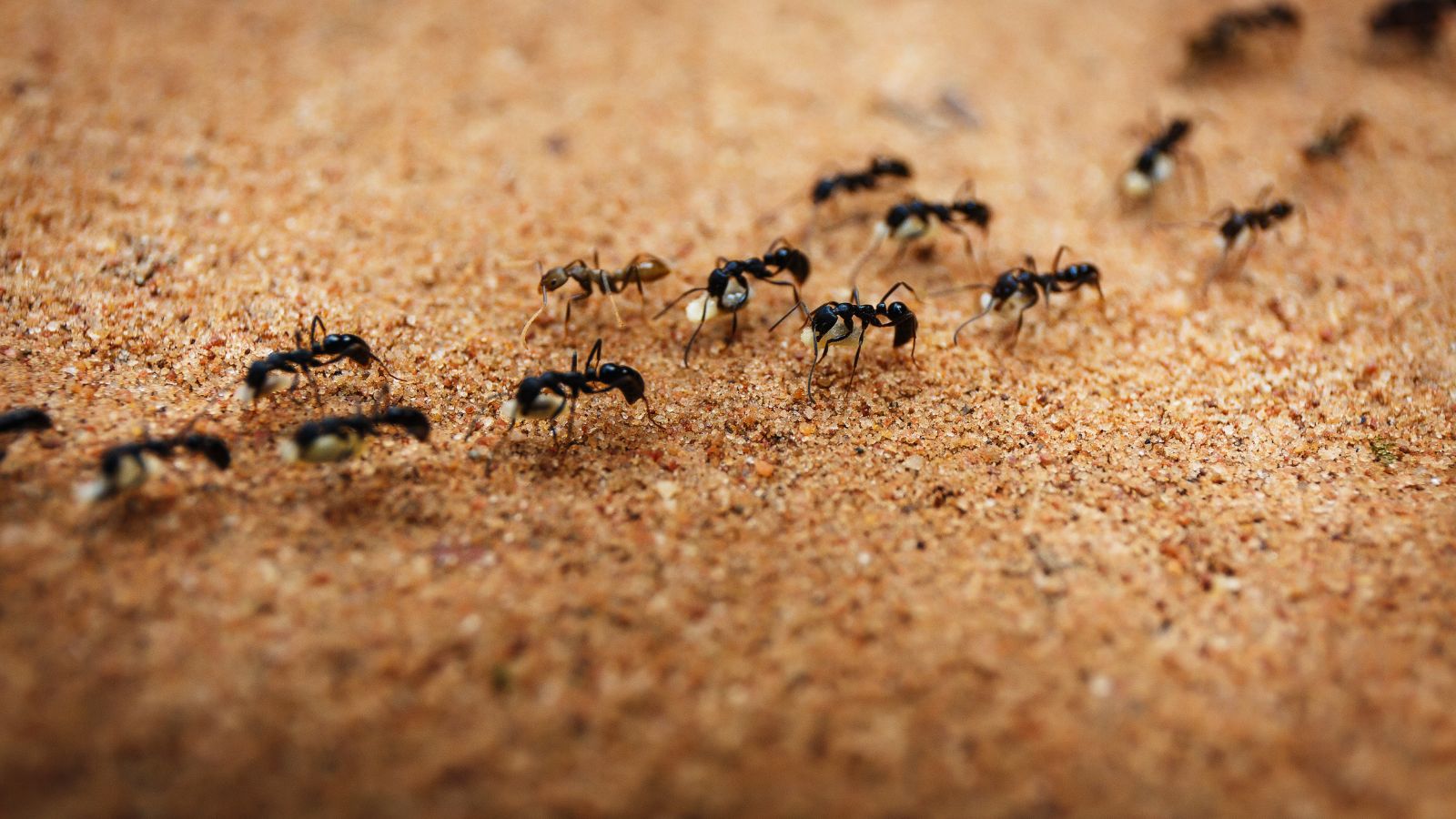
Identifying the difference between ants and termites is essential for homeowners tackling pest issues, especially during home improvement projects. While these insects may look similar at first glance, their physical traits, nesting habits, and the damage they cause are vastly different. At BigHomeProjects.com, understanding these distinctions can help you find trusted contractors to address infestations effectively and protect your home investment.
How Can You Tell the Difference Between Ants and Termites?
The easiest way to tell the difference between ants and termites is by looking at their body structure. Ants have a narrow, pinched waist that separates their thorax from their abdomen, making them easy to identify when compared to termites, whose bodies are more uniform and cylindrical without a “waist.” Their antennae are another giveaway—ants have elbowed antennae that bend sharply, while termites have straight, beaded antennae. If you spot wings, you’ll notice that ants have two pairs of wings, with the front pair larger than the rear, whereas termites’ wings are equal in size and shape. Color also plays a role; ants are usually darker—black, brown, or reddish—while termites are pale white, cream-colored, or light brown. If you’re ever unsure, a close inspection with a flashlight can help you pinpoint these differences.
Behaviorally, ants and termites operate differently within their habitats. Ants are omnivores, foraging out in the open for a variety of foods like crumbs or dead insects, while termites stick to dark spaces and consume wood or cellulose materials directly from your home’s structure. I’ve personally seen termite damage in an old shed I was renovating—it wasn’t just wood shavings like you’d see with ants but entire mud-lined tunnels burrowing deep into the beams. If termites are active, you’re unlikely to spot them unless you disturb their nest, whereas ants are much more visible during their food search. Knowing these behavioral tendencies can save you from misidentifying the pest and help you act fast before costly repairs become necessary.
10 Key Differences Between Ants and Termites You Should Know
1. Body Shape
Ants have a distinct pinched waist between their thorax and abdomen, making them easy to spot if you know what to look for. Termites, on the other hand, have a straight, tubular body with no waistline. This difference is crucial because it helps you identify the insect even when they’re moving quickly. If you’re examining a pest closely, use a magnifying glass or zoom in with your phone camera to see these subtle structural differences.
2. Antennae
Ant antennae are elbowed and sharply bent, while termites have straight, beaded antennae. This feature can be hard to notice without getting up close, but it’s one of the most reliable ways to tell them apart. If you’re checking for pests indoors, try shining a bright light near baseboards or cracks—they’ll often pause briefly, giving you a chance to observe this critical trait.
3. Wings
Wings are another major clue. Ants have two pairs of wings, but their front wings are noticeably larger than the back ones. Termites, meanwhile, have wings that are equal in size and shape. A quick tip: After swarming season, you’ll often find discarded wings near windowsills or doorways. If the wings are all uniform, you’re likely dealing with termites.
4. Color
The coloration of ants and termites is surprisingly different. Ants tend to be darker—black, brown, or reddish—while termites are pale, ranging from white to cream or light brown. You might notice termites blending in with wood or drywall dust due to their lighter color, which can make spotting them tricky if you’re not paying attention.
5. Foraging Behavior
Ants actively forage out in the open for food, including crumbs, sugary spills, or protein sources like dead insects. Termites are far more secretive and avoid light—they stay hidden inside wood or soil unless their nest is disturbed. If you’re checking for pests and see insects boldly moving around your counters or floors, it’s almost certainly ants.
6. Nesting Habits
Ants excavate wood to create nests but don’t consume the material—they leave smooth tunnels behind. Termites eat as they tunnel through wood, often leaving behind mud-lined galleries as they travel deeper into the structure. If you’re inspecting damage, look for signs of mud; it’s an unmistakable indicator of termite activity.
7. Damage Patterns
Ant damage is usually less severe and localized compared to termites. You’ll find clean wood shavings and neat tunnels where ants have been working. Termite damage, however, is extensive; they hollow out wooden beams entirely and leave visible mud tunnels that compromise structural integrity. Spotting termite damage early could save you thousands in repair costs.
8. Diet
Ants are omnivores and eat everything from crumbs to plant material to other insects. Termites stick strictly to cellulose-based materials like wood, paper, and drywall. If you find pests near your pantry or pet food bowls, chances are you’re dealing with ants—not termites.
9. Visibility
Ants are far more visible during their daily activities because they forage out in the open. Termites are rarely seen unless their nest has been disturbed or during a swarm season when they fly off to establish new colonies. If you don’t see anything but suspect damage inside walls or floors, termites may be the culprit.
10. Infestation Signs
Signs of infestation can vary widely between ants and termites. Ant infestations often include trails of workers heading toward food sources and visible mounds outside your home. Termite infestations reveal themselves through sagging floors or ceilings, hollow-sounding wood, and mud tubes along walls or foundations. Knowing these signs can help you act quickly before the problem worsens.
Physical Traits: Spotting the Visual Differences
The body structure is the first and most obvious way to differentiate ants from termites. Ants have a thin, pinched waist that creates a clear separation between their thorax and abdomen, and their segmented bodies are easy to spot, even without magnification. Termites, on the other hand, have a uniform, straight body with no distinct waist, giving them a more cylindrical appearance. Another key difference lies in their legs—ant legs are typically longer and more angular, allowing them to move quickly across open surfaces, while termite legs are shorter and thicker, built for tunneling through wood or soil. If you see an insect scurrying along your countertop or floor with a narrow waist and sleek legs, it’s almost certainly an ant.
Wings also help you visually identify these pests if you catch them during their swarm stage. Ant wings are uneven, with the front pair noticeably larger than the rear, which gives them a slightly unbalanced flying pattern. Termites, however, have wings that are identical in size and shape, creating a more stable, straightforward flight. One little-known fact is that termite wings break off easily after swarming; if you see piles of uniform wings near windows or entry points, it’s a strong indicator of termite activity. Ant wings, in contrast, are more durable and stay attached until they naturally fall off.
Understanding Nesting and Behavioral Variations
Ants build nests in a wide variety of locations, including soil, wood, and even inside walls or under flooring. Their nesting behavior is strategic—they excavate spaces in wood but do not consume it, leaving behind smooth tunnels that are structurally intact. Carpenter ants, for example, carve out galleries in damp or decayed wood to house their colony, often near windows or roof leaks. In contrast, termites build intricate mud tubes to maintain moisture and connect their colony to food sources. These tubes act like highways for termites, allowing them to travel safely between your home’s foundation and wooden structures. I found an active termite infestation in a client’s basement—the mud tubes stretched from the foundation to the base of wooden support beams, enabling termites to steadily eat away at the structure unnoticed.
Behaviorally, ants are highly visible during foraging, creating organized trails to and from food sources. They rely heavily on pheromone signals to direct other workers, which is why you’ll often see long lines of ants heading to sugary spills or crumbs. Termites, however, avoid light and rarely leave their colony unless swarming to establish new nests. Their behavior is more destructive—worker termites chew through wood nonstop, feeding the colony while maintaining the nest’s internal structure. If you disturb a termite nest, you may notice soldiers rushing out to defend it; they have larger jaws or mandibles designed for protection rather than food gathering. Ant colonies are more territorial, often engaging in battles with other ant species for resources, while termites focus exclusively on expansion and survival within a single colony.
Common Signs of Infestation That Homeowners Should Look For
- Discarded Wings: After swarming, termites shed their wings, often leaving piles near windowsills, doorways, or light fixtures. These wings are uniform in size and shape, which is a clear sign of termites. If you find wings of different sizes, it’s likely ants instead. This is one of the easiest ways to identify termite activity without tearing into walls or wood.
- Mud Tubes: Termites build mud tubes along foundations, walls, or crawl spaces to stay moist and protected as they travel from their nest to a food source. These tubes look like thin, dried dirt trails and are often found on concrete or wood surfaces. If you break one open and see active termites, that’s your confirmation.
- Hollow-Sounding Wood: Tap on wooden beams, floors, or furniture; if it sounds hollow or papery, termites may have already eaten away the inside. I helped a neighbor who thought his floorboards were just creaky, but it turned out termites had hollowed out the joists underneath—an expensive repair that could’ve been avoided with early detection.
- Frass (Wood Shavings or Droppings): Ants, especially carpenter ants, leave behind frass—small piles of wood shavings or sawdust—near their nesting sites. This material is clean and smooth because ants don’t eat the wood they excavate. If you spot frass near door frames or windows, it’s worth investigating further.
- Sagging Floors or Ceilings: Termites weaken wood as they consume it, causing floors or ceilings to sag over time. This is especially noticeable in basements or crawl spaces where moisture issues are common. If areas of your home start to feel bouncy or uneven underfoot, termites could be at work.
- Visible Ant Trails: Ants create highly organized trails to transport food back to their colony. These trails are often visible along baseboards, countertops, or outdoor walkways. If you follow the trail, you can usually locate the nest or entry point into your home.
- Pinholes in Drywall: Termites sometimes create tiny pin-sized holes in drywall as they tunnel through walls. These holes may be accompanied by faint smudges of dirt or bits of drywall dust on the floor. It’s a subtle but telling sign that termites are active behind the scenes.
- Noise in Walls: If your home is quiet enough, you might hear faint clicking or rustling sounds coming from walls or wooden structures. This is caused by termites chewing through wood or soldiers banging their heads to warn the colony of potential threats.
- Outdoor Mounds: Some ant species, like fire ants, build visible mounds in soil near your home. These mounds can signal a nearby colony that might eventually make its way indoors. Check garden beds, lawn edges, and around the foundation for signs of activity.
- Damaged Baseboards or Trim: Termites often target baseboards and trim since they’re easy to reach and made of softwood. Look for bubbling paint, warped wood, or small cracks—these could all indicate termites feeding underneath the surface.
Why Identifying Ants vs. Termites Matters for Big Home Projects on BigHomeProjects.com
When you’re tackling major home renovations or repairs, knowing whether you’re dealing with ants or termites is crucial because the type of pest directly impacts the scope and cost of your project. Termites can cause structural damage that might require a contractor experienced in foundation repairs, carpentry, or even full-scale rebuilding of compromised areas. On the other hand, ants—especially carpenter ants—might require less invasive work, like replacing small damaged sections of wood. At BigHomeProjects.com, we connect you with trusted local contractors who specialize in identifying and repairing pest-related damage, so whether you’re replacing termite-ravaged beams or patching ant-damaged trim, you’ll know you’re hiring someone who’s up for the job.
For contractors, this distinction matters just as much. If you list your business on BigHomeProjects.com, you want homeowners to trust that you understand the difference between ant and termite infestations and can recommend the right course of action. A pest control company listed on our platform might focus on eradicating termites and ensuring they don’t return, while a general contractor might handle the repairs to walls, floors, or furniture afterward. Addressing specific pest-related needs allows contractors to build credibility and attract more leads through our directory. Proper pest identification isn’t just about stopping the problem—it’s about helping homeowners feel confident that their investment is being protected by experts who know exactly what they’re doing.
Leave a Reply
You must be logged in to post a comment.