
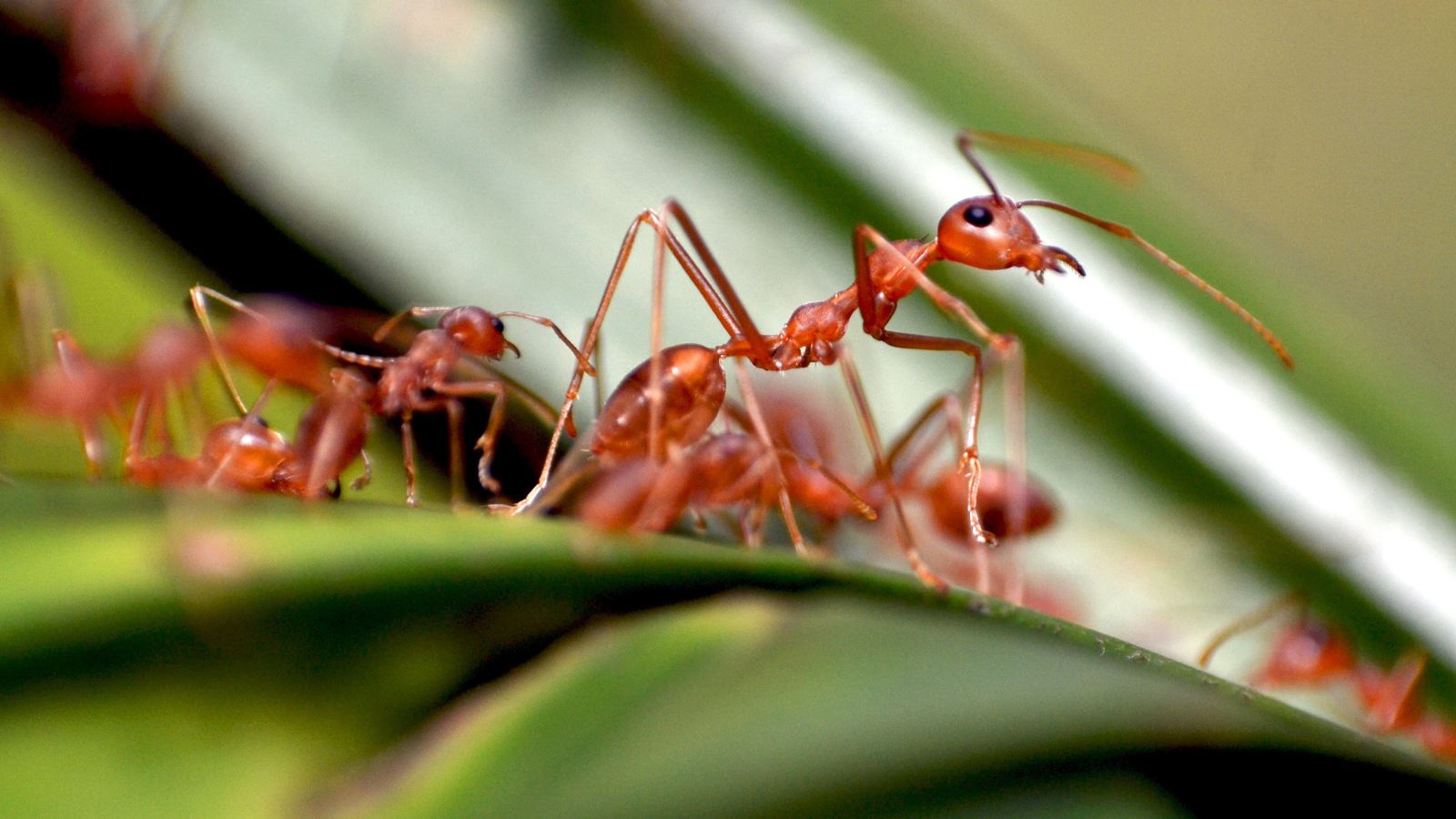
The introduction of non-native ant species can have far-reaching ecological consequences, impacting biodiversity and disrupting ecosystems. In this article, we will explore the ten implications of introducing these invasive ants, highlighting the mechanisms behind their invasion and strategies for management. Being familiar with these factors is essential for homeowners and contractors alike to address ecological challenges effectively.
What are the implications of introducing non-native ant species?
Introducing non-native ant species can lead to significant ecological disruptions. One of the most pressing implications is biodiversity loss. Invasive ants can outcompete native species for resources, leading to a staggering reduction in species diversity—research indicates that ant invasions can decrease species numbers by up to 53%. This decline often occurs through direct predation and competition, where invasive ants exploit food sources and nesting sites that native ants rely on. These invasive species can alter ecosystem dynamics, as seen in a Kenyan savanna where an invasive ant species diminished tree cover, ultimately affecting predator-prey relationships, such as lions hunting zebras.
Management of invasive ant species requires a proactive approach. Effective prevention strategies are paramount, as regulating international trade and educating the public about the risks associated with transporting non-native species can significantly reduce introductions. During my time studying ant populations, I observed how quickly an invasive species established itself in a new area, outcompeting native ants and altering local habitats within just a few seasons. Implementing early detection systems and rapid response measures can help mitigate these impacts before invasive ants become entrenched. Fostering ecosystem resilience by maintaining high-quality habitats is also essential, as it allows native species to better cope with the presence of invaders.
10 Implications of Introducing Non-Native Ant Species Explained
1. Biodiversity Loss
Introducing non-native ant species can drastically reduce biodiversity in an area. When these invasive ants establish themselves, they often outcompete native species for food and nesting sites, leading to a decline in local ant populations and other organisms that rely on them. You might not realize it, but ants play crucial roles in ecosystems, such as seed dispersal and soil aeration. To counter this, supporting local conservation efforts and planting native flora can help create a more balanced environment that favors native species over invaders.
2. Ecosystem Disruption
Invasive ants disrupt the natural balance of ecosystems by altering species interactions. Their presence can change predator-prey dynamics, which affects plants and animals throughout the food web. If you’re managing land or gardens, consider practicing integrated pest management (IPM) techniques that focus on maintaining ecological balance. This includes introducing beneficial insect species that can help control ant populations without resorting to harmful chemicals.
3. Changes in Habitat Structure
Non-native ants can modify habitats in ways you might not expect. They can alter soil composition and nutrient cycling through their nesting behaviors. This change can affect plant growth and even lead to erosion in some cases. If you notice changes in your garden or local area, take a closer look at the ant species present; understanding their impact can help you make informed decisions about managing your landscape.
4. Competition with Native Species
The competition between non-native and native ants is fierce. Invasive ants often have traits that make them more aggressive or successful in exploiting resources. This means that native ants may be pushed out of their ecological niches. If you’re an enthusiast or a gardener, consider creating habitats that encourage native ant populations by providing diverse food sources and nesting materials. This can help bolster their numbers against invasive threats.
5. Increased Predation Pressure
Invasive ants can increase predation pressure on native insects and other small creatures. Dominating food resources can lead to declines in other populations, causing ripple effects throughout the ecosystem. Keep an eye out for signs of declining insect diversity in your area; if you notice fewer pollinators or other beneficial insects, it may be time to investigate the ant species present and consider management techniques.
6. Unpredictable Ecosystem Effects
The effects of introducing non-native ants can be unpredictable and complex. Changes in vegetation caused by ant activity can have cascading effects on various wildlife species. If you’re involved in ecological restoration or land management, it’s essential to monitor these changes closely and adapt your strategies accordingly. Being flexible in your approach can help mitigate unforeseen consequences.
7. Economic Impacts
The introduction of non-native ants can also have economic implications, particularly for agriculture and forestry. Invasive ants may protect pests like aphids from their natural predators, leading to crop damage and increased pest management costs. If you’re a farmer or involved in agricultural planning, consider investing in preventive measures such as biological control agents that target invasive ant populations while preserving beneficial insects.
8. Human Health Risks
Some non-native ant species can pose health risks to humans. Fire ants are notorious for their painful stings, which can trigger allergic reactions in some individuals. If you’re dealing with an infestation, it’s wise to take precautions by wearing protective clothing and seeking professional pest control services if necessary. Educating yourself about the specific ant species in your area can help you manage these risks effectively.
9. Spread of Other Invasive Species
Invasive ants can facilitate the spread of other invasive species by creating disturbances in their environments. They may inadvertently transport seeds or larvae of other pests as they move about. To combat this, maintain vigilance in monitoring your surroundings for new invasive arrivals and take action early through removal or control methods when you spot them.
10. Challenges in Management
Managing non-native ant species presents unique challenges due to their ability to form supercolonies and adapt quickly to new environments. Traditional pest control methods may not always be effective against these resilient invaders. If you’re faced with an infestation, consider a multi-pronged approach that combines chemical treatments with habitat modification and public awareness campaigns to foster community involvement in managing these pests effectively.
How Invasive Ants Disrupt Ecosystems and Biodiversity
Invasive ants can really shake things up in ecosystems by taking over resources that native species depend on. These ants often have a knack for competing fiercely for food and nesting spots. Some invasive species can form supercolonies, which means they work together in huge numbers, making it tough for local ant populations to survive. This competition can lead to fewer native ants and, over time, disrupt the balance of the entire ecosystem. When native ants decline, it affects other animals too, like birds and reptiles, which rely on them for food.
Another way invasive ants disrupt ecosystems is through their impact on plants. When they invade, they can change how nutrients move in the soil and even how plants grow. Certain invasive ants protect harmful pests, like aphids, from their natural predators. This protection allows pest populations to explode, harming plants and crops. The overall health of the ecosystem suffers as a result, leading to fewer plants and insects that are essential for a balanced environment.
The Role of Human Activities in Ant Invasions
Human activities play a big part in the spread of invasive ant species. When people travel or trade across countries, they often unintentionally carry ants with them. This can happen through shipping containers, luggage, or even plants and soil. Research shows that around 80% of invasive species introductions happen because of human movement. In my own experience, I found a colony of invasive Argentine ants in a potted plant I bought from a nursery. This showed me just how easily these ants can hitch a ride into new areas.
Another way humans contribute to ant invasions is by changing landscapes. Activities like urban development, agriculture, and deforestation create disturbances that can make it easier for invasive ants to thrive. When forests are cut down, the soil becomes disturbed, and the native ant populations can be weakened, allowing invasive species to move in. Studies have indicated that areas with more human activity often have higher populations of invasive ants compared to untouched habitats. This shows how our actions directly influence the balance of ecosystems and can allow invaders to take over.
Key Management Strategies to Mitigate Ant Invasions
- Prevention: The best way to handle invasive ants is to stop them before they arrive. This means being careful about what you bring into your home or garden. When buying plants, check for any signs of ants or their nests in the soil. Educating yourself and others about the risks of transporting non-native species can make a big difference. Simple practices like cleaning your shoes and equipment after being outside can help keep those pesky invaders at bay.
- Early Detection: Catching invasive ants early on can save you a lot of trouble later. Set up monitoring systems to spot these ants before they establish large colonies. You can use bait traps or sticky traps around your property to check for any unwanted guests. If you notice any suspicious ant activity, act quickly to remove them before they spread.
- Integrated Pest Management (IPM): Instead of relying solely on chemical pesticides, use a combination of methods to control ant populations. IPM focuses on understanding the ecology of your area and using that knowledge to manage pests naturally. You could introduce natural predators like certain beetles that eat ants or use barriers made from diatomaceous earth that disrupt their trails without harming other wildlife.
- Habitat Modification: Change your environment to make it less inviting for invasive ants. This could involve removing food sources like pet food left outside or sealing cracks in your home where ants might enter. Keeping your garden tidy by regularly trimming plants and removing debris can also help deter them. A well-kept space is less attractive to invasive species.
- Community Involvement: Getting your neighbors involved can amplify your efforts against invasive ants. Organize community clean-up days or workshops to educate others about the importance of monitoring and managing ant populations. Working together helps create a more unified front against invasions, making it harder for these pests to take hold in your area.
- Research and Adaptation: Stay informed about the latest findings related to invasive ants and management strategies. Science is always evolving, and new methods or insights may become available that can help you tackle ant invasions more effectively. Joining local environmental groups or following research publications can provide valuable updates and strategies tailored to your region.
- Use of Biological Control: Explore the option of biological control by introducing natural enemies of invasive ants. Certain parasitic wasps or nematodes can target specific ant species without affecting native wildlife. Make sure to research thoroughly before introducing any new species so that they won’t cause further issues in your ecosystem.
- Public Awareness Campaigns: Support or participate in campaigns aimed at raising awareness about the impacts of invasive species. Sharing information through social media, local events, or educational programs can help spread the word and encourage others to take action. The more people know about the problem, the more likely they are to contribute to solutions in their own communities.
Find Trusted Contractors for Ecological Projects at BigHomeProjects.com
At BigHomeProjects.com, we know that finding the right contractors for ecological projects can be a bit of a challenge. That’s why we’ve created a directory that connects you with trusted local professionals who specialize in environmentally friendly practices. When you visit our site, you’ll find contractors who are not only skilled in their trade but also knowledgeable about sustainable methods. This means they can help you with projects that minimize the impact on local ecosystems, whether it’s landscaping, pest management, or habitat restoration.
We know how important it is to work with someone who really gets the ecological side of things. Our listings include reviews and ratings from other homeowners and investors, so you can feel confident in your choices. Plus, if you’re a contractor or handyman looking to get involved in ecological projects, our platform helps you find work in this growing field. We make it easy for everyone to connect, ensuring that your projects contribute positively to your community and the environment.
Leave a Reply
You must be logged in to post a comment.