
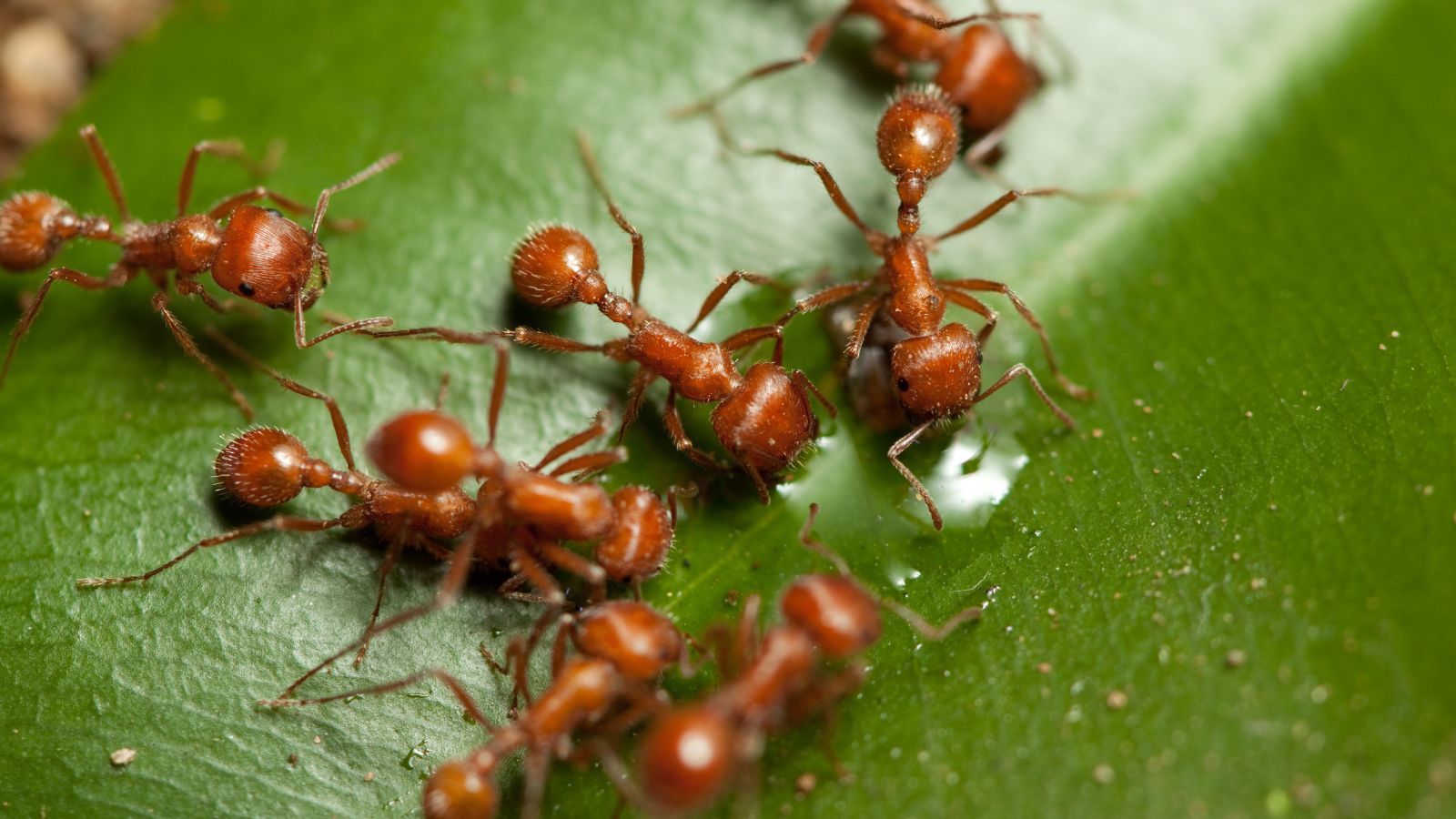
Fire ants are not just a nuisance but also pose serious health risks to humans, pets, and livestock. Understanding the dangers associated with their aggressive behavior and potent venom is essential for effective prevention and treatment. In this article, we will explore the health risks of fire ants, their impact on animals, and tips for finding reliable pest control contractors through BigHomeProjects.com.
What are the health risks associated with fire ants?
Fire ants pose several significant health risks that can affect both humans and animals. When stung, individuals experience intense pain characterized by a burning sensation and itching, which can last for up to an hour. Within hours of being stung, pustules often develop at the site, leading to potential infections if not treated properly. In rare instances, fire ant stings can induce anaphylaxis, a severe allergic reaction that could escalate quickly and become life-threatening. Individuals with no prior history of allergies may still experience this reaction. You have to recognize the symptoms early—hives, swelling, or difficulty breathing—and seek immediate medical attention.
For pets and livestock, the risks are equally concerning. Fire ants tend to swarm and target sensitive areas like the face, causing painful stings that can lead to significant swelling. This reaction often interferes with an animal’s ability to eat, drink, or breathe effectively. I remember a time when my dog got swarmed by fire ants while playing outside; he yelped in pain and had to be rushed to the vet for treatment. Such incidents highlight the importance of vigilance in areas where fire ants are prevalent. Aside from direct health impacts, fire ants also disrupt outdoor activities and contribute to economic burdens through increased healthcare costs and potential crop damage in agricultural settings. Being proactive in fire ant management can help mitigate these risks and protect both your health and that of your pets.
7 Health Risks of Fire Ants You Need to Know Now
1. Painful Stings
Fire ants are notorious for their painful stings, which feel like a sharp jab followed by a burning sensation. This pain can linger for up to an hour, making it a rather unpleasant experience. If you find yourself in an area with fire ants, it’s best to stay alert and avoid disturbing their nests. If you do get stung, try to clean the area with soap and water immediately to minimize the risk of infection. Applying a cold compress can also help reduce swelling and discomfort. Remember, the sooner you treat the sting, the better off you’ll be!
2. Pustule Formation
One of the more frustrating aspects of fire ant stings is the formation of pustules at the sting site. These small, pus-filled blisters appear within hours and can be quite itchy. While it’s tempting to scratch, doing so can lead to infection and make matters worse. Keep the area clean and consider using an over-the-counter hydrocortisone cream to alleviate itching. If the pustules become red or swollen, it’s a good idea to consult a healthcare provider to prevent further issues.
3. Allergic Reactions
In some cases, fire ant stings can trigger severe allergic reactions, such as anaphylaxis. This life-threatening condition can develop rapidly, often within minutes of being stung. Symptoms may include difficulty breathing, swelling of the throat, or hives. If you know you’re allergic, carrying an epinephrine auto-injector (EpiPen) is crucial. Even if you’ve never had an allergic reaction before, it’s smart to watch for unusual symptoms after a sting. Don’t hesitate to seek medical help if you notice anything concerning.
4. Swarming Attacks
Fire ants are known for their aggressive swarming behavior. When their nest is disturbed, they can attack in large numbers, which can be particularly dangerous for pets and small children. If you or your pet accidentally stumble upon a nest, try to back away slowly without making sudden movements. If you’re out walking and see fire ant mounds, steer clear and keep an eye out for any signs of aggression from the ants. It’s better to avoid the area entirely than risk a painful encounter.
5. Effects on Pets
Pets are especially vulnerable to fire ant stings, which can lead to serious health issues if not managed quickly. Areas like the face and ears are often targeted, resulting in swelling that can obstruct breathing or eating. If your pet gets stung, check for swelling and signs of distress immediately. You may need to take them to a vet for treatment, especially if they show signs of an allergic reaction. Always keep an eye on your pets in areas known for fire ants to prevent such incidents.
6. Social and Economic Impacts
The presence of fire ants doesn’t just affect individual health; it has broader social and economic implications as well. Fire ants can disrupt outdoor activities and lead to increased healthcare costs due to sting-related injuries. They also pose a threat to agriculture by damaging crops and equipment, impacting local economies. Being proactive about fire ant management can save you time and money down the line—whether that means hiring pest control or implementing preventive measures around your property.
7. Environmental Concerns
As invasive species, fire ants have been known to disrupt local ecosystems significantly. They can outcompete native wildlife for resources, leading to declines in biodiversity. This environmental shift can ultimately impact human health as well; changes in local flora and fauna can influence everything from allergies to food sources. Staying informed about fire ant populations in your area can help you take steps to mitigate their impact on both your health and the environment around you.
The Impact of Fire Ant Stings on Pets and Livestock
Fire ant stings can be particularly harmful to pets and livestock due to their sensitive skin and lack of understanding about the threat. When a pet or farm animal gets stung, they often react with immediate pain, which can lead to excessive barking, whining, or even aggressive behavior as they try to escape the discomfort. The swelling from the stings can impair their ability to eat or drink, especially in areas like the mouth or throat. For livestock, such as cows or horses, swelling can cause serious complications, potentially leading to suffocation if the throat swells significantly. This kind of emergency requires quick action; seeking veterinary help can prevent further complications.
In my experience, I had a friend whose horse was stung by fire ants while grazing. The horse went into a panic, causing a minor injury as it tried to shake off the ants. The swelling around its face was alarming and required immediate veterinary intervention. Treatments often include antihistamines or corticosteroids to reduce inflammation and pain. The costs for treating sting reactions can add up quickly—anywhere from $100 to several hundred dollars, depending on the severity of the reaction and the treatments needed. Keeping animals away from known fire ant mounds is crucial, and using preventative measures like sprays or barriers can help protect them from future stings.
Common Symptoms and Reactions to Fire Ant Stings
- Pain: When a fire ant stings, you’ll feel an immediate sharp pain that can be quite intense. This sensation often feels like a quick zap, followed by a burning feeling. For some people, this pain can last for up to an hour, making it hard to focus on anything else.
- Itching: After the initial pain subsides, itching usually kicks in. This can be incredibly frustrating, as the urge to scratch can be overwhelming. Scratching the sting site can lead to further irritation or even infection, so it’s best to resist the temptation and treat it with a cold pack or anti-itch cream instead.
- Redness and Swelling: The area around the sting often becomes red and swollen. This reaction is your body’s natural response as it sends blood to the injured area to aid healing. The swelling can sometimes expand, making the area feel even more uncomfortable. If you notice excessive swelling, it’s worth consulting a healthcare professional.
- Pustule Formation: Within a few hours of getting stung, you may notice small blisters or pustules forming at the sting site. These are filled with fluid and can be quite itchy. It’s important not to pop these blisters, as this can lead to infection and prolong healing.
- Allergic Reactions: Some individuals may experience allergic reactions to fire ant stings, which can range from mild to severe. Symptoms include hives, swelling beyond the sting site, or difficulty breathing. If you notice any of these symptoms, especially after multiple stings, seek medical help immediately, as this could indicate an anaphylactic reaction.
- Nausea and Dizziness: In rarer cases, people might experience nausea or dizziness after being stung. This could be due to a combination of pain and anxiety about the sting itself. If you feel faint or unwell, it’s best to sit down and take deep breaths until the feeling passes.
- Emotional Distress: The experience of getting stung by fire ants can be quite traumatic, especially for pets who may not understand what’s happening. This emotional response can lead to fear or anxiety around areas where fire ants are present. For pets, this might mean they become hesitant to go outside after a bad experience.
Find Trusted Local Contractors for Pest Control at BigHomeProjects.com
At BigHomeProjects.com, we know that dealing with pests like fire ants can be a real headache. That’s why we’ve created a platform where homeowners can easily find trusted local contractors who specialize in pest control. When you visit our site, you can browse through a variety of vetted professionals in your area, making it easier to tackle any pest problem you might be facing. Each contractor listed has been reviewed and rated by other users, so you can feel confident you’re choosing someone reliable and knowledgeable about the best methods for managing fire ants and other pests.
We know how important it is to get quick and effective help when you’re dealing with an infestation. Our directory connects you with experienced pest control experts who can assess your situation and offer tailored solutions. If you’re looking for preventative measures, emergency treatments, or advice on managing an ongoing issue, our contractors have the expertise to help you out. Plus, by using BigHomeProjects.com, you support local businesses and make sure that you’re getting personalized service from professionals who know the unique challenges of your community.
Leave a Reply
You must be logged in to post a comment.