
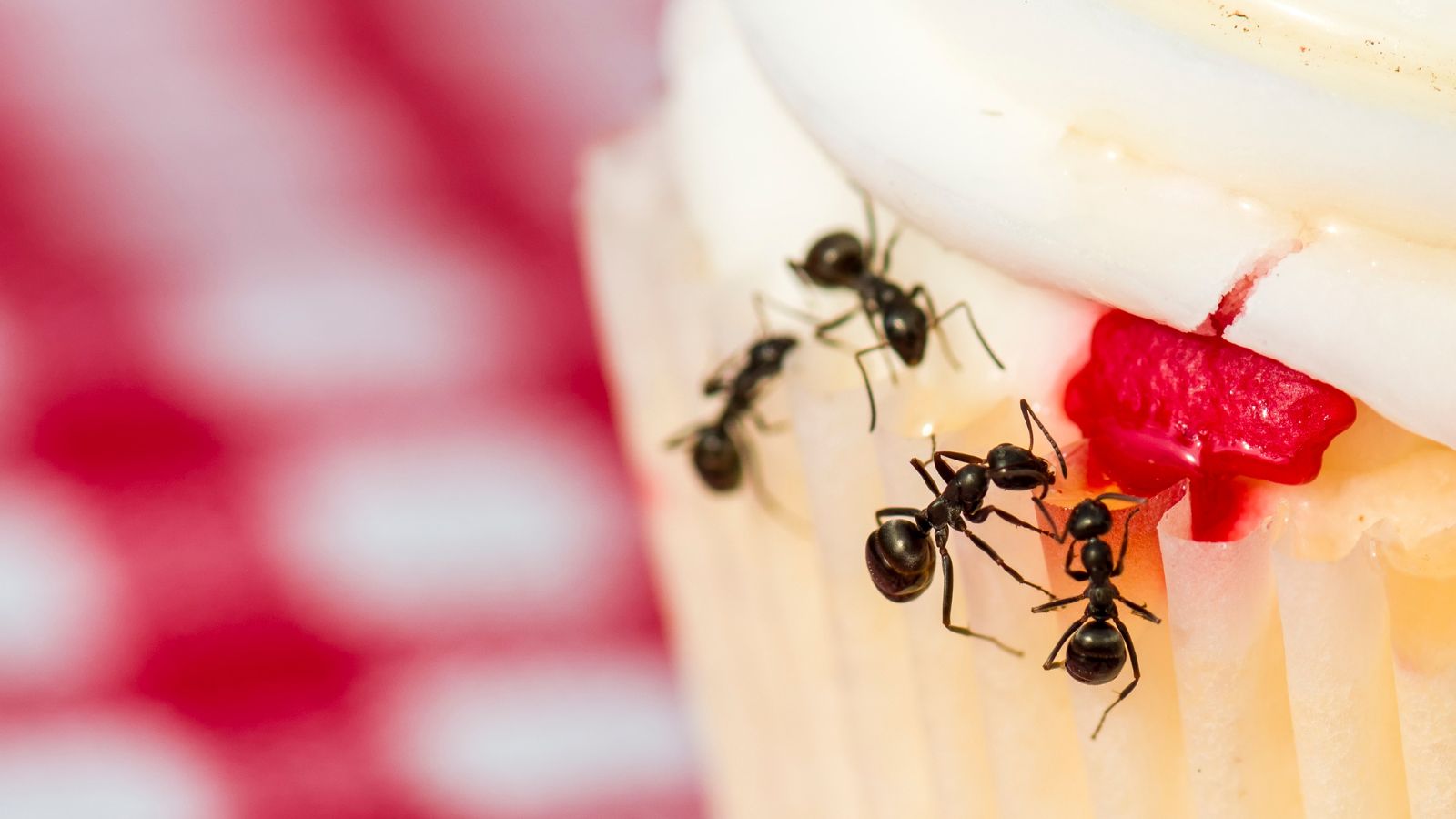
Understanding what types of food different ant species prefer can help homeowners better manage and prevent infestations. This article explores seven common food preferences among ants, explaining why some seek sugars while others go for proteins or fats. It also offers insights into how these dietary habits influence pest control and how BigHomeProjects.com connects you with trusted contractors to address these issues effectively.
What types of food do ants usually seek in and around homes?
Ants in and around homes primarily target food sources rich in sugars, proteins, and fats, depending on the species. Sugar ants, like Lasius niger, are often drawn to sugary liquids such as honey water, syrup, and nectar, which they forage for to fuel their high-energy needs. On the other hand, protein-focused ants like Camponotus americanus will hunt for insects, cooked meats, and cheese to support brood development. Fat-seeking species tend to go after nuts and seeds, which provide essential lipids for colony health. Knowing these preferences helps you identify why ants invade certain areas—sugar trails might lead you to the kitchen or pantry, while protein seekers might target pet food or garbage bins.
From my experience dealing with a Camponotus castaneus infestation, targeting their favorite foods like fruit flies and apples helped control their numbers. These ants showed a clear preference for fresh fruits combined with small insects, which made bait placement effective. Seasonal variations also influence their foraging behavior; during colder months ants shift focus toward protein-rich foods to sustain the colony, while in warmer months, they actively seek sugary substances.
7 Types of Food Different Ant Species Prefer Most
1. Sugars and Sweet Substances
Sugar-seeking ants like Lasius niger and Camponotus americanus target sugary liquids such as honey, syrup, nectar, and even honeydew produced by aphids. If you want to keep these ants away, try cutting off their access to sweet liquids by wiping spills immediately and sealing sugary foods in airtight containers. A lesser-known trick is to place cucumber peels near entry points, as they naturally repel many sugar-loving ants. When setting baits, using sugary solutions mixed with slow-acting insecticides can be effective because these ants share food within the colony, spreading the bait further.
2. Proteins and Insects
Several ant species, including Camponotus americanus and Formica fusca, prefer protein-rich foods like insects, cooked meats, mealworms, and cheese. These ants need proteins mainly for feeding their larvae. If you notice ants near your pet’s food or garbage with meat scraps, that’s a strong clue they’re protein hunters. One less obvious tip is to avoid leaving pet food out overnight since it attracts these protein-focused ants aggressively. Using protein-based baits works best in cooler months when ants shift their diet toward proteins for colony growth.
3. Fats and Oils
Ants looking for fats and oils often go after nuts, seeds, and oily leftovers. Fat is a dense energy source, especially important for species like certain Camponotus ants that require it for long-term survival. If you want to deter these ants, clean up cooking oil spills quickly and store nuts in sealed containers. Interestingly, some fats can repel ants too—citrus oils applied around entry points work as natural barriers. Fat-based baits mixed with slow-acting poison allow the colony to ingest enough to weaken it over time.
4. Fruits and Sweet Juices
Fruits like apples, oranges, cherries, and melons attract species such as Camponotus castaneus and Camponotus chromaiodes because of their high sugar and water content. If you grow fruit trees or keep fresh fruit indoors, watch for trails leading away from these areas. A practical but often overlooked tip is to remove fallen fruit from your yard regularly to reduce outdoor ant populations. If you want to trap them, placing slices of fruit near entry points helps lure them in for baiting.
5. Honeydew from Aphids and Other Sap-Sucking Insects
Many ant species farm aphids for their honeydew, a sugary liquid excreted by these insects. This relationship is essential for ants like Lasius niger and Camponotus americanus. If aphids infest your plants, you might see increased ant activity as they protect aphids from predators. To break this cycle, treat your plants for aphids early using insecticidal soaps or neem oil; fewer aphids mean fewer ants attracted to your garden.
6. Cooked Meats and Leftovers
Cooked meats, cheese, and lunch meats attract protein-loving ants such as Formica fusca and Camponotus americanus. These foods can become hotspots for infestations if left uncovered or disposed of improperly. A rarely mentioned tip is to clean your trash bins regularly with soapy water to remove meat residues that attract ants. Also, avoid placing trash bins near the house foundation or doors to minimize easy access for scavenging ants.
7. Seeds and Grains
Certain ants target seeds and grains due to their carbohydrate and fat content. Species that forage for oats, cereals, and bread tend to invade pantries when these foods are accessible. You can prevent this by storing grains in airtight containers and keeping pantry shelves clean and dry. A unique approach is to sprinkle bay leaves inside pantry shelves; many ants dislike the smell and avoid those areas altogether, making it a natural deterrent without chemicals.
How do ant dietary preferences affect pest control strategies?
Pest control works best when you match the bait to the ant’s dietary preference. Sugar-based baits attract sugar-foraging ants like Lasius niger, while protein-based baits work better for species like Camponotus americanus that hunt insects and meat. Using the wrong bait wastes time and money because ants won’t take it back to their colony. Targeted baiting improves bait uptake and colony elimination, which lowers the overall cost of pest control by reducing repeated treatments. Also, slow-acting insecticides mixed in baits let ants carry poison back to the nest, killing more ants without spraying everywhere.
Seasonal changes in diet also affect how you handle pest control. In colder months, ants often prefer proteins to help larvae grow, so switching to protein baits during this time increases effectiveness. In warmer months, sugar baits work better because ants look for energy-rich foods. Ignoring these shifts can lead to failed treatments and frustrating infestations. Plus, knowing species-specific preferences helps pest controllers place baits strategically near where ants forage most, improving success rates without overusing chemicals. This focused approach saves money and reduces environmental impact.
Why do some ants prefer sugary foods while others prefer proteins?
Ants prefer sugary foods or proteins based on their colony’s nutritional needs and their ecological role. Worker ants often seek carbohydrates like sugars to fuel their high-energy activities such as foraging and nest building. At the same time, the larvae require proteins to grow and develop properly, so certain species specialize in hunting insects or scavenging protein-rich foods to feed their young. This division of labor shapes why some ants consistently target sugary substances, while others focus on proteins. Camponotus americanus workers frequently forage for insects because their larvae need the amino acids found in protein.
In one case, I noticed a Camponotus castaneus colony near my backyard shifting from sugary baits in summer to protein baits in early fall. This change happened because the colony prepared for winter by feeding larvae more protein to build stronger bodies. It showed me how ant dietary preferences link directly to their seasonal life cycles and survival strategies. These preferences also depend on the ant’s digestive enzymes and gut microbiota, which influence how efficiently they process sugars versus proteins.
Common foods that attract different ant species: a quick reference list
- Sugary liquids and syrups: Ants like Lasius niger are drawn to sweet liquids such as honey, maple syrup, and nectar. These foods give them quick energy, making your kitchen a hotspot for their activity. To keep them away, avoid leaving sugary drinks or spills out in the open.
- Protein-rich insects and meats: Species like Camponotus americanus prefer protein sources like crickets, mealworms, cooked chicken, and cheese. They need proteins mostly to feed their developing larvae. If you notice ants around pet food or garbage with meat scraps, that’s a clue they are protein foragers.
- Nuts and oily seeds: Some ants look for fats and oils found in nuts and seeds. These foods provide dense energy necessary for colony survival. If you store nuts or seeds improperly, you might attract these fat-seeking ants.
- Fresh fruits and fruit juices: Camponotus castaneus often go after fruits like apples, cherries, and oranges because they offer sugars and moisture. Fallen fruit in your yard can increase ant activity, so regular cleanup helps reduce their numbers.
- Honeydew from aphids and sap-sucking insects: Many ants farm aphids for honeydew, a sugary substance aphids excrete. If you see ants protecting aphids on your plants, treating the aphids will indirectly reduce the ant population.
- Cooked leftovers and processed meats: Formica fusca and similar species often scavenge on leftover meals, especially those with meats or cheeses. Keeping trash bins clean and sealed tight helps prevent these scavengers from invading.
- Grains and cereals: Pantry-invading ants often target carbohydrates from oats, bread, and cereals. Storing these in airtight containers and keeping shelves dry reduces the risk of infestation by grain-foraging ants.
How BigHomeProjects.com Helps You Find Contractors to Manage Ant and Pest Issues
At BigHomeProjects.com, we connect you with trusted local contractors who specialize in managing ant and pest problems. We know how frustrating it can be to deal with ants invading your home, and finding the right professional can make all the difference. Our directory lists contractors with experience in targeted pest control methods, including baiting strategies that match different ant species’ food preferences. Using our site allows access to experts who tackle infestations effectively, eliminating the trial and error that costs both time and money.
We don’t provide pest control services ourselves, but we make it easy for you to find contractors who do. If you need someone to inspect your home for ant trails or apply specialized treatments based on ant dietary habits, our platform helps you locate the professionals nearby. You can read reviews, compare services, and contact contractors directly through BigHomeProjects.com. This way, you get reliable help fast and avoid the common mistakes that make ant infestations worse.
Leave a Reply
You must be logged in to post a comment.