
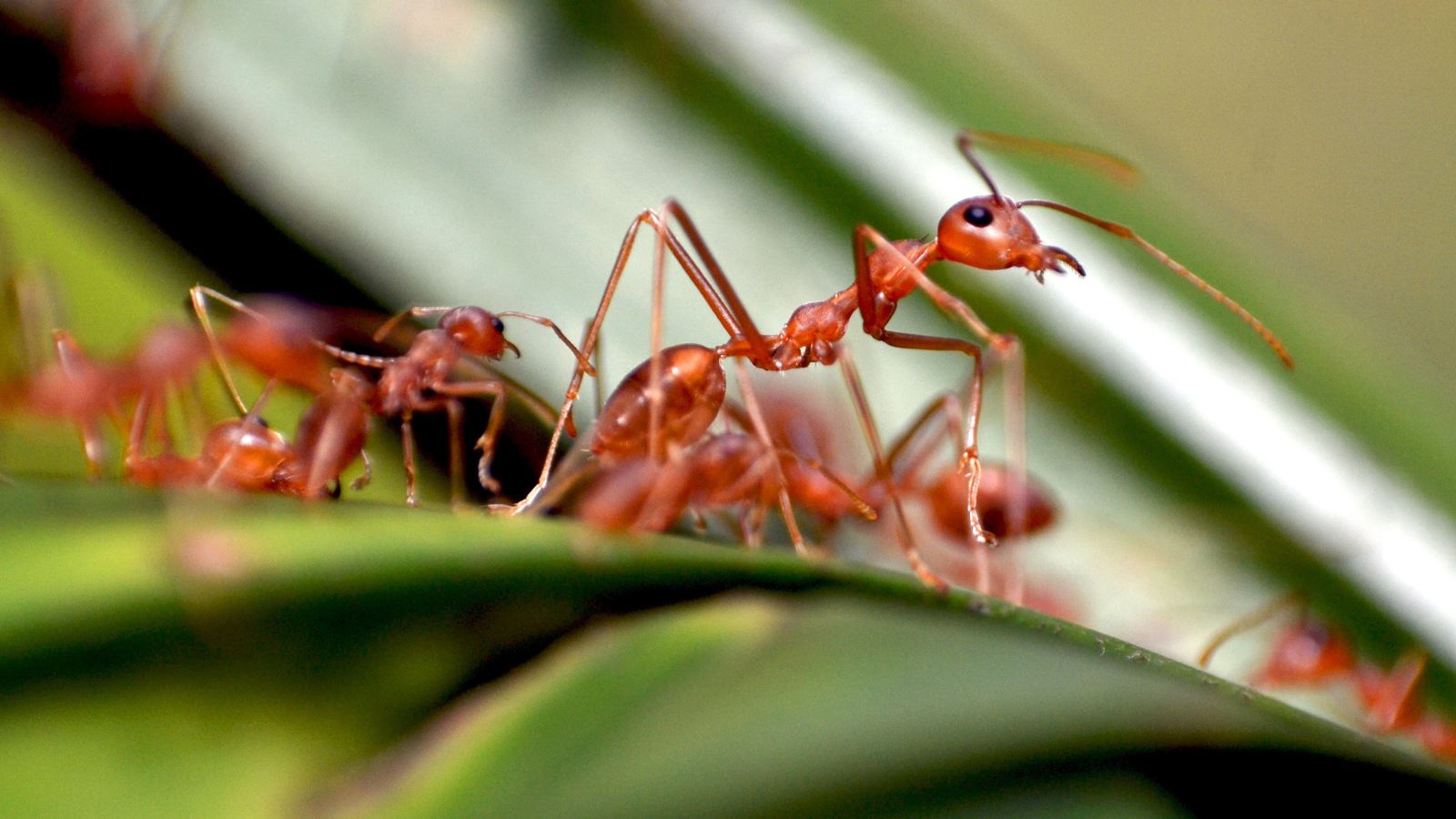
Ants have developed impressive methods to maintain the perfect temperature inside their nests, ensuring the survival and growth of their colonies. This article explores five key strategies ants use to regulate nest temperature, from architectural design to behavioral adaptations. Understanding these natural techniques can offer valuable insights for homeowners and contractors interested in efficient climate control solutions.
How Do Ants Keep Their Nest Temperature Just Right?
Ants keep their nest temperature just right through a combination of architectural and behavioral adaptations that work together seamlessly. One major method involves constructing nests with specialized insulating materials like thatched layers or dense soil, which help trap solar heat during the day. They also adjust nest depth strategically, digging deeper into cooler soil layers when external temperatures rise, which stabilizes the internal climate. You’ll notice nurse ants moving the brood in response to temperature fluctuations, shifting larvae between warmer and cooler zones to maintain an ideal range of about 16°C to 24°C. This brood translocation is crucial because larvae are highly sensitive to temperature changes, and even slight deviations can affect their development.
From my field observations, ventilation control plays a huge role in temperature regulation. Ants open and close nest entrances to manage airflow, preventing overheating or excessive moisture buildup. Larger colonies even generate metabolic heat through collective activity and clustering, which adds warmth during cooler periods. Plus, ants modify soil properties by aerating it, which improves moisture retention and creates microhabitats that help cool the nest when necessary. These strategies combine to form a highly efficient climate control system that ensures colony survival even in harsh environments. If you’re interested in natural climate control, watching these ants work together offers practical insights into passive temperature regulation techniques.
5 Ways Ants Regulate Temperature Inside Their Nests Efficiently
1. Insulated Nest Mounds
Ants build their nests with materials that trap heat effectively, like packed soil, plant fibers, and sometimes even tiny stones. These insulating layers keep the nest warm during cold nights and cool during hot days. What’s cool is how some species add a thatched roof or a layer of loose soil on top, which acts as a thermal buffer. This design slows down temperature changes inside the nest, so the colony experiences fewer extreme shifts. When you see those big ant hills, think of them as natural climate-controlled homes that use local materials to create comfort.
2. Adjusting Nest Depth
When outside temperatures swing too high or low, ants dig deeper tunnels or chambers to reach stable soil layers where temperatures stay consistent. This movement isn’t random—it’s an active way to escape the heat of midday sun or cold surface air during the night. Some species can shift entire brood chambers several centimeters deeper or closer to the surface depending on the season or weather. If you ever notice ants disappearing underground on hot days, they’re likely managing temperature zones underground that help their young stay safe.
3. Moving Brood Within Thermal Zones
Nurse ants play an essential role in temperature regulation by transporting eggs, larvae, and pupae among different nest areas. Since developing ants are very sensitive to temperature swings, these workers shift them into warmer spots when it’s cold or cooler zones when it’s too hot. This constant adjustment ensures optimal growth rates and survival chances for the brood. This behavior shows how ants add a layer of fine-tuned control over their environment that architecture alone can’t provide.
4. Ventilation Through Nest Design
Ants use their nest layout to control airflow, which helps regulate both temperature and humidity inside. Some species build intricate tunnel networks with multiple entrances or vents that they open and close depending on external conditions. This system helps cool the nest during hot weather and keeps moisture levels balanced, preventing fungal growth or overheating. Watching an ant hill’s entrances closely reveals a dynamic system where airflow management is essential for the colony’s health.
5. Metabolic Heat Production and Soil Modification
In larger colonies, ants generate heat through muscle activity and clustering, which raises the nest’s internal temperature especially during cooler periods. This collective heat production acts like a natural heater for the brood chamber. Ants modify the soil by aerating it with their tunnels and adding organic matter, which improves moisture retention and creates cooler microhabitats within the nest. These combined effects help maintain a stable and comfortable environment even when outside temperatures fluctuate wildly.
How Nest Design Helps Ant Colonies Control Temperature
Nest design in ants includes specialized chambers and tunnels that optimize heat retention and dissipation. Some species build vertical galleries that create convection currents, pulling warm air upward and cooler air downward. This natural airflow reduces hot spots inside the nest and distributes temperature evenly. Walls made from packed soil mixed with organic matter improve thermal inertia, allowing the nest to absorb heat slowly during the day and release it gradually at night. This design reduces energy loss and prevents sudden temperature spikes harmful to the brood.
Ants also incorporate multiple entrances at strategic points, which act as vents to manage humidity and temperature levels. These openings can be sealed or opened by worker ants depending on external conditions, helping control airflow precisely. In addition, some nests include moisture-retentive zones where humidity stabilizes, preventing desiccation of larvae. This microclimate regulation inside the nest makes sure that temperature and moisture levels stay within a narrow optimal range, critical for egg viability and worker efficiency.
The Role of Brood Movement in Ant Temperature Regulation
Nurse ants constantly monitor temperature gradients inside the nest and move brood to microhabitats with optimal thermal conditions. This brood translocation ensures larvae and pupae stay within a narrow temperature range, usually between 18°C and 24°C, which maximizes development rates and reduces mortality. Moving brood to warmer chambers accelerates metabolism during cooler periods, while shifting them to cooler zones prevents overheating when external temperatures spike. In my experience observing Formica colonies, I noticed worker ants carrying larvae up and down tunnels several times a day, adjusting their position as sunlight warmed or cooled different parts of the nest.
This movement also helps regulate humidity around the brood, which influences heat exchange and prevents desiccation. Certain chambers have higher moisture content that stabilizes temperature fluctuations and protects delicate developmental stages. Nurse ants exploit these humidity gradients, relocating brood to maintain both thermal and moisture homeostasis. This dynamic behavior complements architectural nest features, allowing colonies to fine-tune environmental conditions essential for healthy brood growth without costly energy expenditure.
Key Behaviors and Environmental Adjustments Ants Use to Manage Nest Climate
- Selective Nest Entrance Management: Ants open or close specific entrances to control airflow based on outside temperature and humidity. When it’s hot, opening multiple vents helps cool the nest through increased ventilation. In cooler weather, sealing entrances reduces heat loss. This behavior allows ants to fine-tune nest climate daily without needing complex structures.
- Soil Aeration and Moisture Regulation: Ants continuously dig and rearrange soil within the nest, improving aeration and moisture retention. This activity changes how heat transfers through the soil, creating cooler or warmer pockets as needed. These microhabitats help buffer temperature swings and maintain stable conditions essential for brood health.
- Clustering for Heat Generation: When outside temperatures drop, ants huddle together, especially around the brood chambers. This clustering generates metabolic heat that raises nest temperature slightly, protecting developing larvae during cold spells. Larger colonies show this behavior more clearly since more individuals contribute to heat production.
- Dynamic Brood Placement: Ants don’t just move brood for temperature regulation; they also shift it in response to humidity changes within the nest. Some chambers hold more moisture, which slows heat loss and prevents drying out. Ants use these wetter areas during dry periods to keep the brood from dehydration while maintaining the right temperature.
- Use of Organic Materials for Insulation: Some ant species incorporate organic debris like leaves or twigs into their nests. These materials add insulation and help buffer temperature changes. Plus, organic matter can absorb moisture, contributing to humidity control inside the nest. This strategy shows how ants use natural resources around them to optimize their microclimate efficiently.
What Homeowners Can Learn from BigHomeProjects.com
At BigHomeProjects.com, we often see how temperature control in homes can be a real challenge, and ants offer some smart lessons. Their use of insulated materials and clever ventilation systems can inspire homeowners to think about natural airflow and insulation in their own houses. While we don’t provide construction services ourselves, our directory helps you connect with contractors who specialize in energy-efficient designs and smart climate control solutions. Just like ants adjust their nest depth or open and close entrances to regulate temperature, a good contractor can recommend ways to improve your home’s insulation or install ventilation systems that keep your space comfortable without driving up energy bills.
Another thing ants do well is moving their brood to the right temperature zones, which shows the importance of adaptable living spaces. You might want rooms that stay cooler in summer and warmer in winter, and local contractors listed on BigHomeProjects.com can help customize your home’s layout or HVAC system to achieve that. Our site connects you with pros who know how to balance airflow, humidity, and insulation for optimal comfort. So, while ants can’t fix your AC or install new windows, they remind us how thoughtful design and smart adjustments can make a big difference—and that’s exactly what you get when hiring the right contractor through our platform.
Leave a Reply
You must be logged in to post a comment.