
Are you curious about bidets and whether they are considered plumbing fixtures? Bidets have gained popularity in recent years as a hygienic and eco-friendly alternative to toilet paper.
In this article, we will delve into the world of bidets, discussing their benefits, the different types available, and how they can be installed in your bathroom. So, let’s address the burning question: is a bidet a plumbing fixture? Read on to find out!
Is a bidet a plumbing fixture?
A bidet is a plumbing fixture. It is a specialized bathroom fixture that is designed for personal hygiene, particularly for cleaning the genital and anal areas after using the toilet.
It typically consists of a basin-like fixture that is installed next to the toilet and is equipped with water jets or a nozzle for spraying water.
Bidets are commonly found in many countries around the world, particularly in Europe and Asia, and they are often considered an essential part of bathroom plumbing fixtures.
How are bidets installed in a bathroom?
- Standalone bidet: Standalone bidets are separate fixtures that require their own dedicated space in the bathroom. They are typically installed next to the toilet and require additional plumbing connections for water supply and drainage.
- Bidet toilet seat: Bidet toilet seats are installed on top of existing toilet bowls. They replace the regular toilet seat and include integrated bidet functions. Installation usually involves removing the existing toilet seat, attaching the bidet seat, and connecting it to the water supply and electrical outlet, if necessary.
- Bidet attachment: Bidet attachments are devices that can be easily attached to existing toilet bowls. They usually consist of a nozzle or spray arm that is connected to the water supply and positioned near the toilet bowl. Some attachments require a power source, while others run on water pressure.
Can bidets be added to an existing toilet?
Bidets can indeed be added to an existing toilet through various options.
One option is to install a bidet toilet seat, which replaces the regular toilet seat and includes integrated bidet functions.
Another option is to add a bidet attachment, consisting of a nozzle or spray arm connected to the water supply, to the existing toilet bowl.
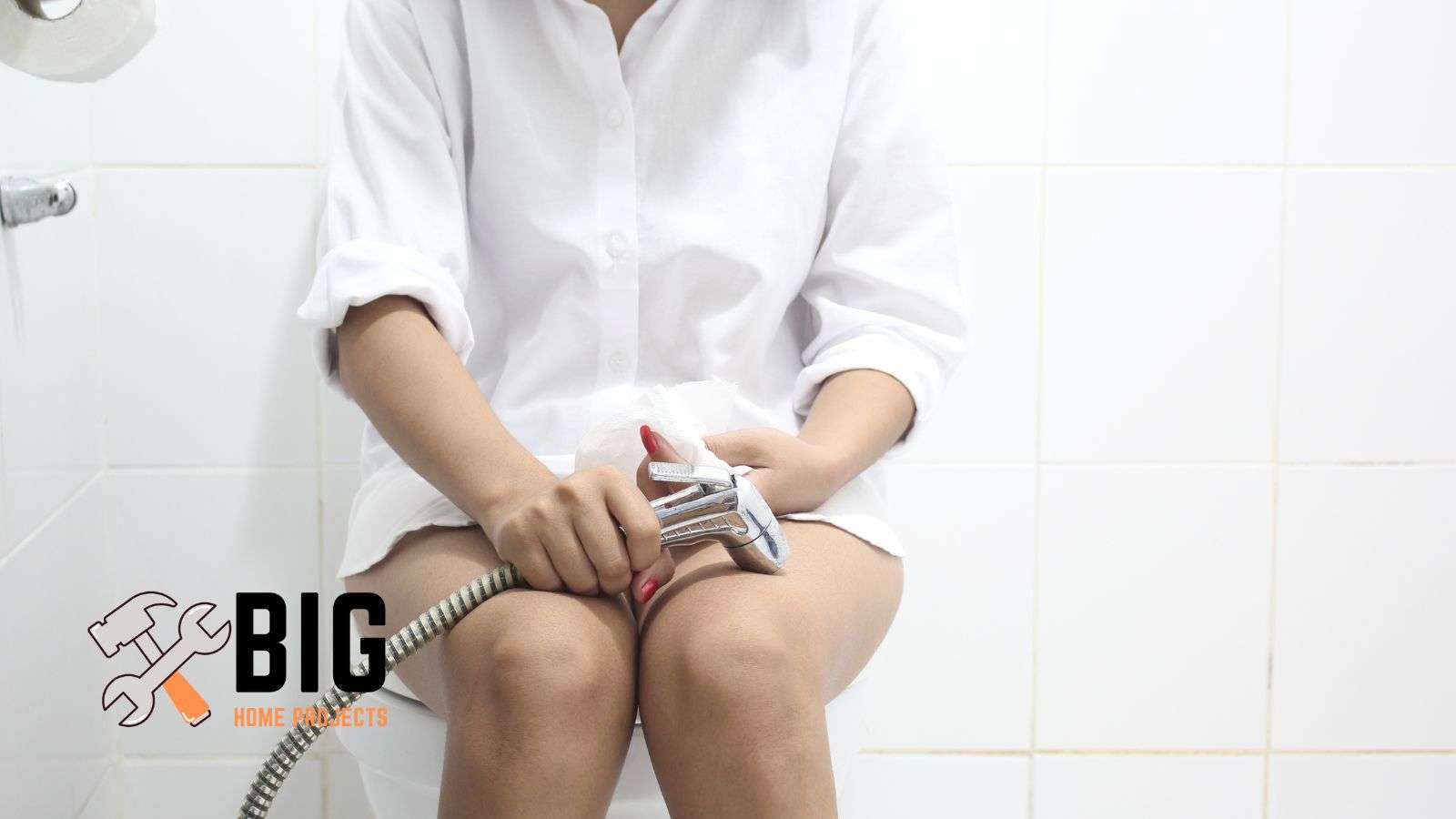
A handheld bidet sprayer can be installed next to the toilet for easy access. Regardless of the method chosen, it is crucial to follow the manufacturer’s instructions and, if needed, seek professional assistance to ensure proper installation and compliance with local plumbing codes.
How do bidets compare to other plumbing fixtures in terms of maintenance?
- Cleaning: Bidets, like toilets and sinks, need regular cleaning to maintain hygiene. This involves wiping the surface, cleaning the nozzles or spray arms, and ensuring proper water flow. Some bidet models offer self-cleaning features that help minimize maintenance efforts.
- Water supply: Bidets require a water supply connection, similar to sinks and toilets. It is important to check for any leaks, ensure proper water pressure, and address any plumbing issues as needed. Regular inspection and maintenance of the water supply connections are recommended.
- Plumbing maintenance: Bidets may require occasional plumbing maintenance, such as checking for clogs or leaks in the drainage system. If any issues arise, it is advisable to consult a professional plumber to address them promptly.
- Electrical components (if applicable): Some bidet models include electrical components for features like heated water or seats, air dryers, or automatic functions. It is essential to follow the manufacturer’s instructions regarding electrical maintenance to ensure proper functioning and safety.
Can a bidet be connected to existing plumbing?
A bidet can be connected to existing plumbing. The specific method of connection will depend on the type of bidet and the existing plumbing setup in your bathroom. Here are a few common ways to connect a bidet to existing plumbing:
- Water supply: Bidets typically require a water supply connection to provide the necessary water for cleaning. You can connect the bidet to the existing water supply line that feeds the toilet or sink. This can be done by adding a T-valve or splitter to the water supply line, allowing water to be diverted to the bidet when needed.
- Drainage: Bidets that have built-in basins or bowls may require a separate drainage connection. In this case, you may need to install additional pipes or connect the bidet’s drainage outlet to the existing plumbing system, similar to how toilets or sinks are connected.
- Professional help: If you’re unsure about the plumbing connections or lack experience in plumbing work, it is recommended that you seek the assistance of a professional plumber. They can evaluate your existing plumbing system and ensure that the bidet is correctly connected to the plumbing lines while complying with local regulations and codes.
Bidet vs. other plumbing fixtures
| Plumbing Fixture | Description | Why Consider a Plumbing Fixture? |
| Bidet | A specialized bathroom fixture used for personal hygiene, often mounted near the toilet. It features a water spray for cleansing. | Considered a plumbing fixture because it requires water supply and drainage connections to function properly. It is installed in bathrooms and connected to the plumbing system to provide the necessary water flow and disposal of waste. |
| Toilet | A fixture used for the disposal of human waste. It has a water tank and bowl connected to a drainpipe. | Considered a plumbing fixture because it relies on water for flushing waste, and it connects to the plumbing system for waste disposal. |
| Sink | A fixture used for washing hands, dishes, and various other tasks. It has a faucet for hot and cold water supplies. | Considered a plumbing fixture because it relies on water supply and drainage connections. It is connected to the plumbing system to provide water for use and to drain wastewater. |
| Bathtub | A large container for holding water, primarily used for bathing. It usually has a faucet and a drain. | Considered a plumbing fixture because it requires both water supply and drainage connections. It is connected to the plumbing system to fill the tub with water and to drain used bathwater. |
| Shower | A fixture used for bathing, featuring a showerhead that sprays water. It typically has a drain in the floor. | Considered a plumbing fixture because it relies on a water supply for showering and requires a drain to remove the used water. It is connected to the plumbing system for water supply and drainage. |
The table compares different plumbing fixtures, including bidets, with their respective functions and highlights the commonality among them as they all require water supply and drainage connections to be considered integral components of the plumbing system.
What’s the debate against bidets not being a plumbing fixture?
- Cultural differences: Bidets are more common in some regions than others, and in areas where they are not widely used, they may be viewed as non-essential additions to the plumbing system.
- Installation complexity: Retrofitting a bidet into an existing bathroom may require additional plumbing work and modifications, leading to higher installation costs compared to traditional fixtures like toilets or sinks.
- Space constraints: In smaller bathrooms or tight spaces, installing a bidet might not be practical, making some argue that it should not be considered a standard plumbing fixture.
- Alternative hygiene methods: Critics of bidets may argue that other methods, such as using toilet paper or wet wipes, are sufficient for personal hygiene, making bidets seem unnecessary.
- Limited use cases: Some individuals might perceive bidets as serving a limited purpose compared to other plumbing fixtures, leading to the opinion that they should not be classified in the same category.
- Lack of regulation: In regions without specific plumbing codes or regulations for bidets, they may not be formally recognized as plumbing fixtures, contributing to the debate.
What plumbing is required for a bidet?
- Water supply line: A bidet needs a water supply line to provide the water used for cleansing. This line is usually connected to the water supply system of the building or home. The size and connection type of the water supply line will depend on the local plumbing standards and the bidet’s design.
- Hot water connection (optional): Some bidets offer the option of warm water for cleansing. In such cases, an additional hot water supply line may be required, connected to a water heater or a separate hot water source.
- Bidet faucet or control valve: The bidet will have a faucet or control valve that allows the user to regulate the water flow for cleansing. This control is typically situated within easy reach of the user.
- Drainage connection: After use, the bidet requires a drainage connection to dispose of the wastewater. The bidet’s drainage pipe is typically connected to the existing drainage system or a separate waste pipe.
- P-Trap (optional): Some bidets may have a built-in P-trap, which helps prevent sewer gases from entering the bathroom. If not integrated into the bidet, a P-trap might be installed within the drainage pipe.
- Backflow prevention device (optional): In some areas with plumbing regulations, a backflow prevention device may be required to prevent contamination of the water supply.
- Shut-off valve: A shut-off valve is essential for turning off the water supply to the bidet when maintenance or repairs are necessary.
Does a bidet use the same plumbing as a toilet?
A bidet can use the same plumbing as a toilet in certain cases. If you have a bidet toilet seat or a bidet attachment, it can typically be connected to the existing water supply line that feeds the toilet.
This involves adding a T-valve or splitter to divert water to the bidet when needed. However, if you have a standalone bidet that has its own basin or bowl, it may require separate plumbing connections for both the water supply and drainage.
In such cases, additional plumbing work may be needed to connect the bidet to the existing plumbing system.
How does a bidet work?
A bidet, as a plumbing fixture, typically works by providing a stream or spray of water for personal hygiene purposes.
It is usually positioned near the toilet and connected to the water supply and drainage system. When activated, either through a control knob or electronic panel, water is directed to a nozzle or spray arm located in the bidet.
The user can then position themselves over the bidet and use the water to cleanse their genital and anal areas.
Some bidets may offer additional features such as adjustable water temperature, water pressure, and even air drying.
The water used in bidets can either be sourced from the same water supply as the toilet or from a dedicated water line connected to the bidet.
Can you call a plumber to install and repair a bidet?
Yes, it is common to call a plumber to install and repair a bidet. Plumbers are skilled professionals who have the expertise and knowledge to handle various plumbing installations and repairs, including bidets.
They can ensure that the bidet is properly connected to the existing plumbing system, including the water supply and drainage lines.
If any issues arise with the bidet, such as leaks, clogs, or malfunctioning components, a plumber can diagnose and fix the problem efficiently.
Calling a plumber for bidet installation and repair can help ensure the job is done correctly and in compliance with local plumbing codes, providing peace of mind and optimal functionality of the bidet.