
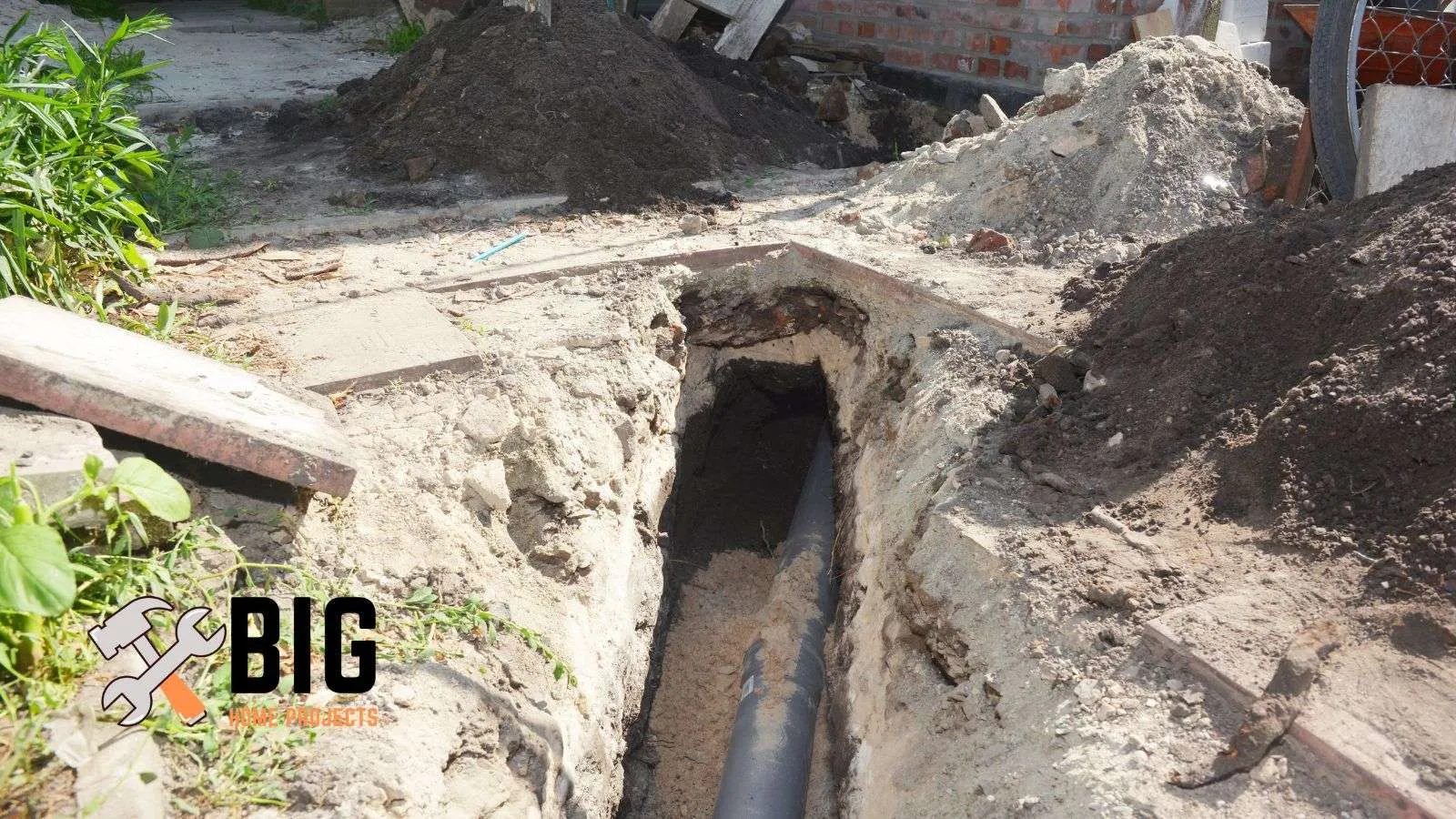
Having a clear understanding of your home’s sewer system is crucial to identifying any potential problems before they escalate. Recognizing the signs of a sewer line clog can help you address the issue promptly and avoid costly repairs.
In this article, we’re going to discuss the causes of sewer line clogs and provide an in-depth look at the 10 most common signs every homeowner should be aware of.
What causes a sewer line clog?
One main cause is the accumulation of debris and materials such as hair, grease, food particles, and soap residue, which can build up over time and obstruct the flow of wastewater.
Another cause is the intrusion of tree roots into the sewer pipes, as roots are attracted to the moisture and nutrients within the pipes and can grow inside, causing blockages. The flushing of inappropriate items down the toilet or drains, such as sanitary products, paper towels, or excessive amounts of toilet paper, can cause sewer line clogs.
Aging or deteriorating sewer pipes can also contribute to clogs, as they may collapse or develop cracks that impede the passage of waste.
10 Common signs of a sewer line clog homeowners should watch out for
1. Slow draining
One common sign of a sewer line clog is slow draining in sinks, bathtubs, or toilets. If you notice that water takes longer than usual to go down the drain, it could indicate a blockage in the sewer line. Avoid using chemical drain cleaners, as they can worsen the clog and damage your pipes. Instead, try using a plunger or a drain snake to clear minor blockages.
2. Gurgling noises
Unusual gurgling or bubbling sounds coming from your drains or toilet when you use them can be another indication of a sewer line clog. Gurgling noises may occur due to air trapped in the pipes, which can be caused by a blockage hindering the normal flow of wastewater.
3. Foul odors
Persistent foul odors emanating from your drains, especially sewage-like smells, might be a sign of a sewer line clog. These unpleasant odors can indicate that wastewater is not flowing freely through the sewer system. To help prevent foul odors, regularly clean your drains with a mixture of baking soda and vinegar or use specialized drain cleaning products.
4. Multiple clogged fixtures
Experiencing clogs in multiple fixtures simultaneously is a significant red flag for a sewer line clog. If various drains and toilets in your home are backed up or not functioning correctly at the same time, it suggests a common issue in the main sewer line. In such cases, it is best to contact a professional plumber who can assess and address the problem effectively.
5. Water backing up
Water backing up from one plumbing fixture when you use another is another indication of a sewer line clog. For instance, if flushing the toilet causes water to rise in the shower drain or sink, it suggests a blockage in the sewer line. Avoid using any plumbing fixtures until the issue is resolved to prevent further backups and potential water damage.
6. Overflowing toilet
An overflowing toilet is often caused by a blockage in the sewer line. If you notice that your toilet bowl fills up or overflows when you flush, it is essential to take immediate action to prevent water damage. Try using a plunger to remove the blockage. If that doesn’t work, avoid flushing again and call a professional plumber for assistance.
7. Sewage backup
The most severe sign of a sewer line clog is sewage backup. If you witness raw sewage coming up from your drains or toilet, it indicates a severe obstruction that requires immediate attention. Avoid coming into contact with the sewage backup, as it can contain harmful bacteria and pose health risks. Call a professional plumber right away to handle the situation safely.
8. Patches of lush grass
Oddly enough, patches of excessively lush and green grass in your yard, even during dry periods, can suggest a sewer line clog. A leak or break in the sewer pipe can act as fertilizer for your lawn, causing certain areas to grow more vigorously than others. If you notice this phenomenon, have a plumber inspect your sewer line to identify any potential issues.
9. Rodent infestation
A sudden increase in rodent activity around your property could potentially be linked to a sewer line clog. Rats and other pests are attracted to the smell of sewage and can infiltrate your home through damaged or compromised sewer pipes. Addressing the sewer line blockage promptly can help deter rodent infestations and protect your home from further damage.
10. Foundation cracks
In some cases, an undetected sewer line log can cause significant damage to your home’s foundation. If you notice unexplained cracks or shifts in the foundation, you may be investigating the possibility of a sewer. with a professional plumber or specialist to assess the situation and determine if there is any connection between the issues and the line.
How can I identify the signs of a sewer line clog?
- Slow draining: If water takes longer than usual to go down the drain,
- Gurgling noises: Unusual gurgling or bubbling sounds from drains or toilets
- Foul odors: Persistent sewage-like smells coming from drains
- Multiple clogged fixtures: Simultaneous clogs in various drains and toilets
- Water backing up: Water rises in one fixture when using another.
- Overflowing toilet: The toilet bowl fills up or overflows when flushed.
- Sewage backup: Raw sewage comes up from drains or toilets.
- Patches of lush grass: Excessively green and vigorous grass in certain areas of the yard
- Rodent infestation: Sudden increase in rodent activity around the property
- Foundation cracks: Unexplained cracks or shifts in the home’s foundation
Are slow drains indicative of a sewer line clog?
Slow drains can be indicative of a sewer line clog. When water takes longer than usual to go down the drain, it suggests that there may be a blockage in the sewer line. However, slow drains can also be caused by other factors, such as hair or debris buildup in the pipes.
If you experience consistent slow drainage in multiple fixtures, along with other signs like foul odors or gurgling noises, it is best to have a professional plumber assess the situation to determine if a sewer line clog is the underlying cause.
How can frequent toilet backups be a sign of a sewer line clog?
Frequent toilet backups can be a sign of a sewer line clog. When a sewer line is obstructed, it restricts the flow of wastewater from your home. As a result, flushing the toilet can cause water to back up, fill the bowl, or even overflow onto the floor. This occurs because the blockage prevents proper drainage, and the wastewater has nowhere to go.
If you experience frequent toilet backups, especially in conjunction with other signs like slow draining or foul odors from drains, it’s best to consult a professional plumber who can diagnose the issue and take the necessary steps to address the sewer line clog.
What role do tree roots play in sewer line clogs?
Tree roots can play a significant role in sewer line clogs. As trees grow, their roots naturally seek out sources of water, including sewer pipes. Over time, tree roots can infiltrate and penetrate the sewer lines through small cracks or joints, seeking moisture and nutrients. As the roots continue to grow inside the pipes, they can cause blockages by trapping debris and forming a tangled mass.
This can lead to reduced water flow, slow draining, or even complete obstruction of the sewer line. If you have trees near your sewer lines and experience recurring clogs, you will need to have a professional plumber assess the situation and implement appropriate measures to address the root intrusion and prevent further sewer line damage.
What is the relationship between sewer gas odor and sewer line clogs?
Sewer gas odor and sewer line clogs are closely related. When there is a blockage in the sewer line, it can impede the proper flow of wastewater, causing it to stagnate. As a result, the trapped wastewater releases foul-smelling gases, which include hydrogen sulfide, methane, and ammonia.
These gases can escape through drains, vents, or even cracks in the pipes, leading to an unpleasant sewer gas odor. Therefore, if you detect a persistent sewer gas odor in your home, it could be an indication of a sewer line clog.
How can I determine if a sewer line clog is affecting multiple fixtures?
To determine if a sewer line clog is affecting multiple fixtures, you can perform a simple test. Start by running water in one fixture, such as a sink or bathtub, and observe the drainage. If you notice water backing up or slow draining in other fixtures, such as toilets or nearby drains, it suggests that the clog is affecting multiple areas of your plumbing system.
Flushing the toilet and observing if the water rises in other fixtures can also indicate a sewer line clog. If you consistently experience issues with multiple fixtures or notice a pattern of slow drainage or backups throughout your home, you might need the assistance of a professional plumber to diagnose and address the underlying issue with the sewer line.
Can sewer line clogs cause mold and mildew?
Yes, sewer line clogs can potentially cause mold and mildew issues. When a sewer line is clogged, it can lead to water backup and stagnant moisture in the plumbing system. This excess moisture provides an ideal environment for mold and mildew growth. Mold and mildew thrive in damp and dark conditions, and the presence of wastewater can further contribute to their development.
If left unaddressed, mold and mildew can spread to surrounding areas, causing not only unpleasant odors but also potential health risks. Therefore, address sewer line clogs promptly to prevent the conditions that promote mold and mildew growth and to mitigate any existing mold or mildew concerns.
What are the best prevention measures for sewer line clogs?
- Proper disposal of waste: Avoid flushing non-biodegradable items such as wipes, sanitary products, or paper towels down the toilet or pouring grease and oil down drains.
- Regular drain maintenance: Implement routine drain cleaning measures using natural solutions like baking soda and vinegar or enzymatic drain cleaners to help prevent buildup and keep the pipes clear.
- Tree and shrub management: Be mindful of planting trees or shrubs near sewer lines, as their roots can infiltrate and damage the pipes. Consult with professionals for proper tree placement and regular root maintenance.
- Grease disposal: Dispose of cooking grease and oil by allowing them to cool and solidify, then placing them in a sealed container and discarding them in the trash.
- Use drain guards: Install drain guards or strainers in sinks, tubs, and showers to catch hair, food particles, and other debris that can contribute to clogs.
- Professional inspections: Schedule regular professional inspections of your sewer line to identify any potential issues early on and address them proactively.
- Proper plumbing usage: Be mindful of what you flush or pour down drains. Avoid excessive use of chemicals or harsh cleaners that can damage pipes and disrupt the natural balance of the sewer system.
- Educate household members: Inform everyone in your household about proper plumbing practices to ensure they are aware of what can and cannot be flushed or poured down drains.
- Promptly address plumbing issues: If you notice slow drainage or other warning signs of a potential clog, take immediate action to resolve the issue before it worsens and leads to a complete blockage.
- Professional maintenance: Consider scheduling periodic maintenance with a professional plumber to clean and inspect your sewer line, ensuring its optimal functioning and reducing the risk of clogs.
What are the risks associated with ignoring sewer line clogs?
- Backups and water damage: Ignoring sewer line clogs can lead to frequent backups in toilets, sinks, and other drains, causing water damage to your property.
- Health hazards: Sewer line clogs can result in sewage backups, exposing you and your family to harmful bacteria, viruses, and other pathogens present in wastewater.
- Structural damage: If left untreated, sewer line clogs can cause increased pressure and stress on the pipes, potentially leading to pipe bursts or cracks that require expensive repairs.
- Foul odors: Sewer line clogs can cause unpleasant sewage odors to permeate your home, making it uncomfortable to live in and difficult to eliminate the smell.
- Rodent and pest infestation: Blocked sewer lines can attract rodents and pests that are attracted to the smell of sewage, increasing the risk of infestation within your property.
- Mold and mildew growth: Stagnant water from sewer line backups can create a conducive environment for mold and mildew growth, which can lead to respiratory issues and property damage.
- Damage to landscaping: If a sewer line clog causes leaks or breaks in the pipes, it can affect your yard and landscaping, leading to soil erosion, sinkholes, or dying vegetation.
- Increased repair costs: Ignoring sewer line clogs can result in more extensive damage over time, leading to higher repair costs for both the sewer line and any related property damage.
How can a professional clean or repair a sewer line clog?
A professional can clean or repair a sewer line clog using various methods, depending on the severity of the clog. One common method is hydro jetting, which involves using high-pressure water to clear out obstructions and thoroughly clean the pipes. For more stubborn clogs or potential damage, a professional may utilize techniques like sewer snake augering or trenchless pipe lining. These methods help remove blockages and restore the proper flow of wastewater.
To find a professional for sewer line cleaning or repair, you can visit our website directory, Big Home Projects, where you can search for local service providers specializing in plumbing and sewer line services.
When should I consider replacing my sewer line?
Replacement may be necessary if you are experiencing frequent and persistent sewer line clogs, backups, or leaks that cannot be effectively resolved through repairs. If your sewer line is old and made of outdated materials like clay or cast iron, it may be more prone to damage and blockages.
Other signs that indicate the need for replacement include significant damage to the sewer line, such as cracks, collapses, or root intrusions that cannot be adequately repaired.