
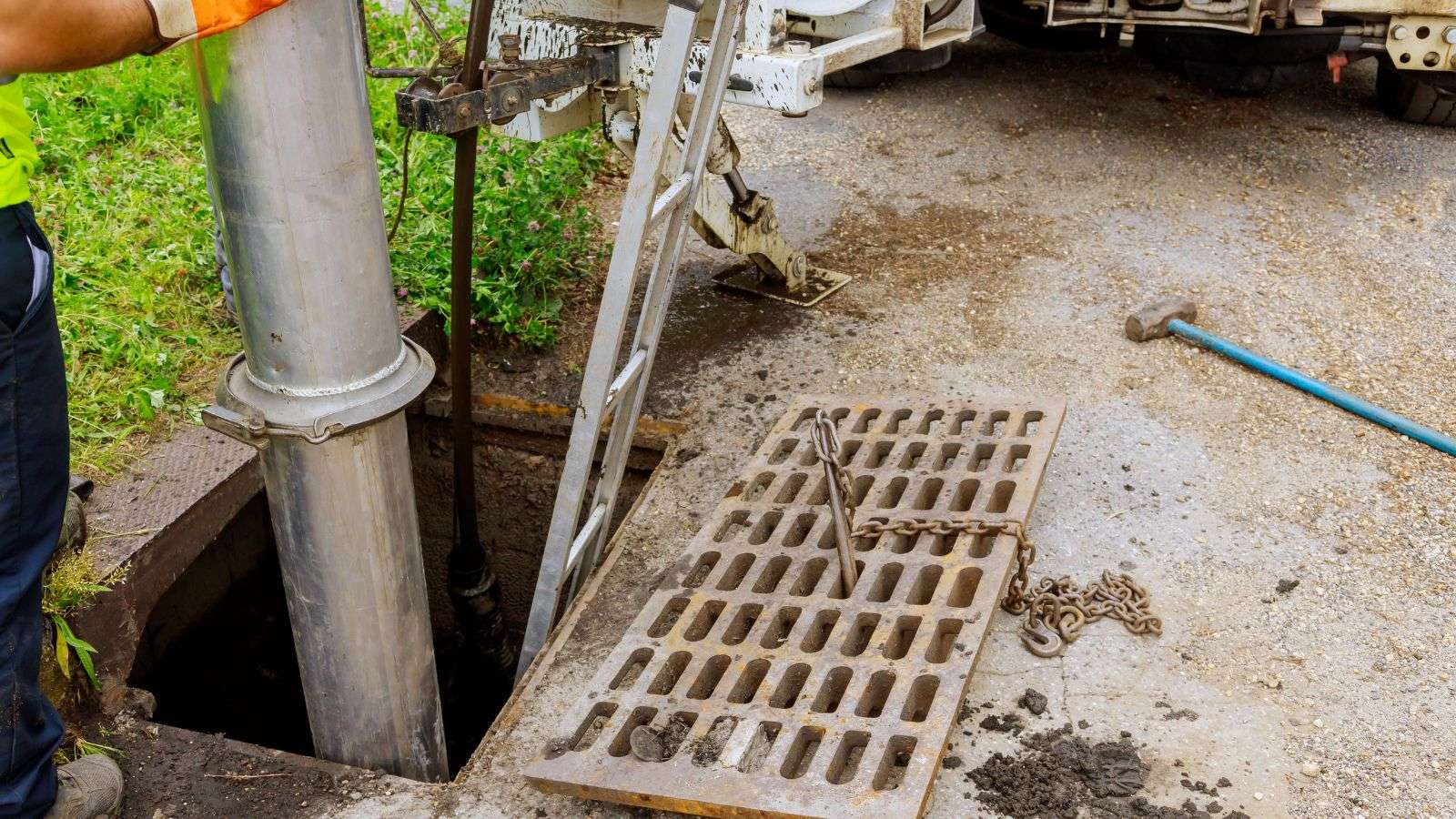
Dealing with a sewer line clog can become a major problem for homeowners in Chicago if not addressed promptly. Such issues are not just frustrating but can lead to significant damage and costly repairs.
In this article, we will be understanding the common causes of sewer clogs, their signs,, and how you can deal with them before they become insurmountable problems.
The top 5 unmistakable signs of a Chicago sewer line clog
1. Slow draining or backed up fixtures
If you notice that your sinks, toilets, or showers are draining slower than usual or are completely backed up, it could be a sign of a sewer line clog. This is because the clog prevents proper water flow, causing it to accumulate and result in slow draining or backups.
To address this issue, you can try using a plunger to clear the blockage. However, avoid using chemical drain cleaners,, as they can be harmful to your pipes. If the problem persists, it’s best to call a professional plumber who can assess the situation and use specialized tools to clear the clog effectively.
2. Unpleasant odors
A foul smell coming from your drains or near the sewer cleanout could indicate a sewer line clog. When there’s a blockage, sewage may not be able to flow freely, leading to trapped gases that create unpleasant odors.
You can try flushing the drains with hot water after pouring baking soda and vinegar down them to temporarily resolve this issue. However, keep in mind that this is only a temporary solution, and it’s important to have a professional plumber inspect and fix the underlying cause of the clog.
3. Gurgling or bubbling sounds
If you hear gurgling or bubbling sounds coming from your drains or toilets when you use other plumbing fixtures, it could be a sign of a sewer line clog. These sounds occur when air is trapped in the pipes due to the blockage.
In such cases, it’s recommended to avoid using any plumbing fixtures until the issue is resolved. Continuing to use them may worsen the clog and potentially lead to more significant problems. Contacting a professional plumber is the best course of action to identify and remove the blockage.
4. Water backups in unusual places
When there’s a sewer line clog, wastewater may find alternative paths and back up into unexpected areas. For instance, you might notice water backups in basement floor drains, bathtub drains, or even outdoor areas like your yard.
If you come across water backups in unusual places, it’s crucial to address the issue promptly to prevent further damage. Contact a professional plumber who can perform a thorough inspection and clear the sewer line clog using appropriate methods.
5. Multiple fixtures affected simultaneously
If you experience issues with multiple plumbing fixtures at the same time, such as several toilets or sinks being clogged simultaneously, it’s likely indicative of a sewer line clog. Since multiple fixtures connect to the same main sewer line, a blockage can affect all of them.
In such cases, do not attempt attempt to fix the problem on your own, as it may require specialized equipment and expertise. A qualified plumber will have the necessary tools to locate and remove the clog efficiently, restoring proper drainage in your home.
What could be causing your Chicago home’s sewer line to clog?
One common culprit is the buildup of debris, such as grease, hair, or food particles, over time. Tree root intrusion is another frequent cause, as roots can infiltrate the sewer pipes in search of water and nutrients, leading to blockages. Aging pipes or pipes that have been damaged due to shifting soil or other factors can also contribute to clogs.
Flushing inappropriate items down the toilet, such as baby wipes, paper towels, or feminine hygiene products, can also result in sewer line clogs. Regular maintenance and being mindful of what goes down your drains can help prevent these issues and keep your sewer line functioning properly.
Slow drains in Chicago homes can indicate a sewer line issue
If you’re experiencing slow drains in your Chicago home, it could be a sign of a sewer line issue. Slow drains occur when there’s a blockage or restriction in the sewer line, preventing proper water flow. There are numerous potential causes of this, such as debris accumulation, tree root intrusion, or broken pipes. Do not ignore slow drains, as they can worsen over time and eventually lead to complete blockages or backups.
If you notice slow drains in multiple fixtures or other signs such as foul odors or gurgling sounds, contact a professional plumber who can assess the situation and address any potential sewer line issues promptly. Taking action early can help prevent further damage and maintain the proper functioning of your sewer system.
Are foul odors a signal of a sewer line clog in Chicago?
Yes, foul odors can indeed be a signal of a sewer line clog in Chicago. When there is a blockage in the sewer line, it hinders the flow of sewage and can cause trapped gases to build up. These gases often produce unpleasant odors that can be detected near drains, toilets, or even in the vicinity of the sewer cleanout.
If you notice persistent foul odors coming from your plumbing fixtures or certain areas of your home, it is recommended that you have a professional plumber inspect your sewer line for any potential clogs or blockages. They will be able to identify the underlying issue and take appropriate measures to clear the clog, eliminate the odors, and restore proper functioning to your sewer system.
Identifying the common culprits behind Chicago sewer line clogs Tree roots, grease, and debris
- Tree roots: Tree roots are a common culprit behind sewer line clogs in Chicago. Roots can infiltrate the pipes in search of water and nutrients, causing blockages and restricting the flow of sewage.
- Grease: The buildup of grease and fats from cooking can lead to sewer line clogs. When these substances are poured down the drain, they can solidify and stick to the inner walls of the pipes, gradually narrowing the passageway.
- Debris: Various types of debris, such as hair, food particles, soap scum, and other materials, can accumulate in the sewer lines over time. This accumulation can cause blockages and hinder the proper flow of wastewater.
- Aging or damaged pipes: Over time, sewer pipes can deteriorate or become damaged due to factors like shifting soil, corrosion, or wear and tear. These issues can create obstructions or structural problems that contribute to sewer line clogs.
- Improper flushing: Flushing inappropriate items down the toilet, such as baby wipes, paper towels, or feminine hygiene products, can cause clogs in the sewer line. These items do not break down easily and can accumulate, leading to blockages.
Step by step how to be proactive in preventing sewer line clogs in Chicago
- Dispose of grease properly: Avoid pouring grease, cooking oil, or fats down the drain. Instead, let them cool and solidify in a container, then dispose of them in the trash.
- Use drain guards: Install drain guards or screens over your drains to catch hair, food particles, and other debris that can contribute to clogs. Regularly clean and empty the drain guards to maintain their effectiveness.
- Be mindful of what goes down the drain. Avoid flushing inappropriate items down the toilet, such as baby wipes, paper towels, or feminine hygiene products. Only flush toilet paper and waste that can easily break down.
- Tree root maintenance: If you have trees near your sewer line, consider regular tree root maintenance. Have a professional inspect and trim tree roots that may be growing too close to your sewer pipes to prevent intrusion and potential clogs.
- Regular plumbing maintenance: Schedule routine inspections and maintenance for your plumbing system. A professional plumber can identify any potential issues early on, such as signs of pipe damage or developing clogs, and address them before they worsen.
- Educate household members: Educate everyone in your household about proper drain usage and what should and should not go down the drains. Encourage responsible habits to prevent clogs and maintain the health of your sewer line.
- Avoid chemical drain cleaners. Chemical drain cleaners may provide temporary relief for clogs but can also damage pipes over time. Opt for natural alternatives or contact a professional plumber for safe and effective solutions.
- Consider sewer line inspections: If you have an older home or suspect potential issues with your sewer line, consider scheduling periodic sewer line inspections. This can help identify any developing problems early on and allow for timely repairs or preventive measures.
Knowing when to call a professional for sewer line clogs in Chicago
Knowing when to call a professional for sewer line clogs in Chicago is essential to addressing the issue effectively. We recommend calling a professional plumber if you experience persistent or recurring sewer line clogs, slow draining or backups in multiple fixtures, foul odors coming from drains or near the sewer cleanout, gurgling or bubbling sounds when using plumbing fixtures, or water backups in unusual places like basement floor drains or your yard. These signs indicate potential problems with your sewer line that require specialized knowledge and equipment to diagnose and fix.
Professionals listed on our directory website, Big Home Projects Professionals, can provide the expertise and assistance needed to resolve sewer line clogs and ensure the proper functioning of your plumbing system.
What are your options for repairing a sewer line clog in Chicago?
- Hydro jetting: Hydro jetting is a highly effective method for clearing sewer line clogs. It uses high-pressure water to flush out debris, tree roots, and other obstructions, restoring proper flow and functionality to the sewer line.
- Sewer snaking or augering: Sewer snaking or augering involves using a flexible cable with a rotating head to break up and remove clogs in the sewer line. It is particularly useful for smaller or localized blockages.
- Trenchless pipe lining: Trenchless pipe lining, also known as cured-in-place pipe (CIPP) lining, is a non-invasive method of repairing sewer lines. It involves inserting a resin-coated liner into the existing pipe, which is then inflated and hardened to create a new, seamless pipe within the old one.
- Traditional sewer line replacement: In more severe cases where the sewer line is extensively damaged or collapsed, traditional sewer line replacement may be necessary. This process involves excavating the old pipe and replacing it with a new one.
The impact of Chicago’s weather on sewer line clogs
The city experiences both extreme cold temperatures in the winter and hot, humid summers. In winter, freezing temperatures can cause the ground to freeze and contract, potentially leading to the shifting or cracking of sewer pipes. The contraction and expansion of the soil due to temperature fluctuations can also put stress on the pipes, increasing the risk of damage or collapse.
During heavy rainfall or snowmelt, the increased water flow can overload the sewer system, exacerbating existing clogs or causing new ones. The accumulation of debris, such as leaves or tree roots, can be more prevalent during the warmer months, leading to blockages. Chicago homeowners need to be aware of these weather-related factors and take proactive measures to prevent sewer line clogs, such as regular maintenance and being mindful of what goes down the drains.
Aging infrastructure in Chicago may contribute to sewer line clogs
Many of the city’s sewer systems were built decades ago and may be susceptible to deterioration or damage over time. Aging pipes can develop cracks, corrosion, or structural issues, which can lead to blockages in the sewer line. As the infrastructure ages, it may not be able to handle the increasing demands of a growing population and changing weather patterns.
Heavy rainfall events or snowmelt can overwhelm the system, causing backups and clogs. The city needs to invest in infrastructure upgrades and maintenance to ensure the proper functioning of the sewer system and prevent frequent clogs. Homeowners should also be proactive in maintaining their own sewer lines and seek professional assistance if they suspect any issues with the aging infrastructure.