
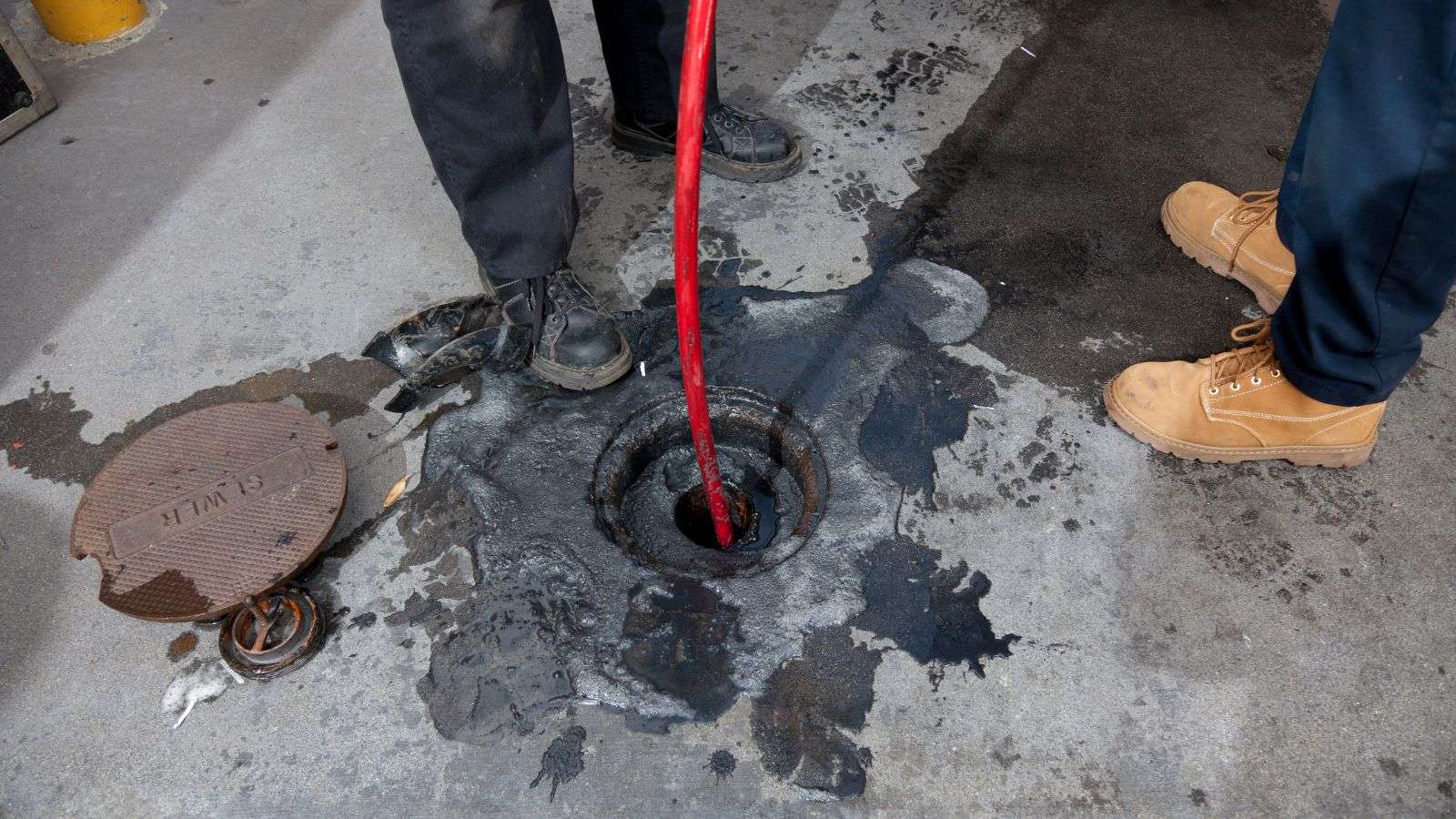
Considering hydro-jetting for your sewer lines? This critical decision impacts your plumbing system’s functionality, your finances, and overall property maintenance.
In this article, we’ll extensively explore hydro-jetting for sewer lines, including a section on ten key questions to ask before choosing this solution.
Can you use hydro-jetting for sewer lines?
Yes, hydro-jetting can be used for cleaning sewer lines. It is a method that uses high-pressure water to clear out clogs, debris, and build-up in the sewer pipes. The powerful water pressure can effectively remove blockages and clean the interior of the pipes, improving the flow and preventing future clogs.
Hydro-jetting is commonly used by professional plumbers as an effective and efficient way to maintain and restore sewer lines.
10 questions to ask yourself before choosing hydro-jetting for sewer lines
1. Is hydro-jetting suitable for my specific sewer line?
Before choosing hydro-jetting for your sewer lines, assess whether this method is suitable for your specific situation. Factors such as the age, material, and condition of your sewer pipes may impact the effectiveness and safety of hydro-jetting. Consulting with a professional plumber can help you determine if hydro-jetting is the right choice for your sewer line.
2. Are there any pre-existing issues or damage in the sewer line?
You have to identify any pre-existing issues or damage in your sewer line before opting for hydro-jetting. Hydro-jetting utilizes high-pressure water, which can exacerbate existing problems like cracks, breaks, or weakened pipes. A thorough inspection by a qualified plumber will help identify any potential issues that need to be addressed before proceeding with hydro-jetting.
3. Are there any tree roots infiltrating the sewer line?
Tree roots infiltrating sewer lines can cause blockages and damage. Hydro-jetting can effectively remove tree roots, but it may not be a permanent solution. Address the root cause of the problem, such as tree growth near the sewer line, to prevent future root intrusion.
4. Have other methods of drain cleaning been unsuccessful?
If you have already tried other drain cleaning methods without success, hydro-jetting might be a viable option. Its high-pressure water can dislodge and remove stubborn clogs and debris that other methods may struggle to clear.
5. Are there any sensitive areas or components that could be damaged by high-pressure water?
Certain sensitive areas or components within the sewer line system may be prone to damage from high-pressure water. For example, older pipes or fragile joints could be compromised during hydro-jetting. Identifying and protecting these vulnerable areas is essential to prevent further damage during the process.
6. Do I have access to a professional plumber with hydro-jetting expertise?
Hydro-jetting is a specialized technique that requires proper training and equipment. Make sure that you have access to a professional plumber who has experience and expertise in performing hydro-jetting. Hiring a qualified plumber will help allow for the procedure to be carried out safely and effectively.
7. What are the costs associated with hydro-jetting?
Consider the costs associated with hydro-jetting before making a decision. The price may vary depending on factors such as the length of the sewer line, the severity of the clog, and any additional repairs or maintenance required.
8. How frequently does my sewer line require cleaning?
Assessing the frequency of sewer line cleaning is important for determining whether hydro-jetting is necessary. If your sewer line experiences frequent clogs or blockages, hydro-jetting can provide a more thorough cleaning than traditional methods, potentially reducing the need for frequent maintenance.
9. Am I willing to follow proper maintenance practices after hydro-jetting?
To prolong the effectiveness of hydro-jetting, you have to follow proper maintenance practices afterward. This may include regular inspections, implementing preventive measures, and adhering to recommended usage guidelines to prevent future clogs and blockages.
10. What is the expected outcome of hydro-jetting for my sewer lines?
Understanding the expected outcome of hydro-jetting is crucial for making an informed decision. Hydro-jetting can effectively remove clogs, debris, and build-up in your sewer lines, improving their flow and preventing future blockages. However, try your best to have realistic expectations and consider any limitations or potential risks associated with the procedure.
Understanding hydro-jetting: What is it?
Hydro-jetting is a method used to clean and unclog sewer lines and drainage pipes. It involves the use of high-pressure water to dislodge and remove debris, grease, scale, and other build-up from the interior walls of the pipes. The process utilizes a specialized nozzle attached to a hose that delivers a powerful stream of water at high pressure, typically ranging from 1,500 to 4,000 pounds per square inch (psi).
This high-pressure water effectively clears away blockages and thoroughly cleans the pipes, restoring their flow capacity and preventing future clogs. Hydro-jetting is commonly performed by professional plumbers and is considered an efficient and environmentally-friendly solution for maintaining and restoring sewer lines.
The science behind hydro-jetting technology
Hydro-jetting technology is based on the principles of fluid dynamics and the power of high-pressure water. When water is forced through a specialized nozzle at extremely high pressure, it creates a powerful jet stream that can effectively remove various types of blockages and deposits in sewer lines. The high-pressure water acts as a cutting force, breaking apart stubborn clogs, such as tree roots, grease, scale, and debris, and propelling them downstream.
The pressure also scours the interior walls of the pipes, removing accumulated sediment and restoring their original diameter. Hydro-jetting technology offers a combination of hydraulic force and velocity to thoroughly clean sewer lines, providing a reliable and efficient method for maintaining and restoring proper flow in drainage systems.
The advantages of hydro-jetting for sewer lines
- Thorough cleaning: Hydro-jetting provides a thorough cleaning of sewer lines, removing stubborn clogs, debris, grease, and scale that may accumulate over time.
- Effective clog removal: The high-pressure water jet can break apart and clear even the most stubborn clogs, including tree roots and heavy build-up.
- Prevents future blockages: Hydro-jetting not only clears existing clogs but also helps prevent future blockages by thoroughly cleaning the interior walls of the pipes, reducing the likelihood of debris and grease buildup.
- Environmentally friendly: Hydro-jetting is an environmentally friendly method as it does not involve the use of harsh chemicals. It relies solely on the power of water to clean and clear the sewer lines.
- Safe for pipes: Unlike mechanical methods that may damage pipes, hydro-jetting is a non-invasive technique that poses minimal risk to the integrity of the sewer lines when performed by a professional plumber.
- Versatile: Hydro-jetting can be used for various types of sewer lines, including residential, commercial, and industrial. It is suitable for different pipe materials and sizes.
- Efficient and time-saving: Hydro-jetting is a quick and efficient method for clearing sewer lines, often requiring less time than traditional methods. It allows for faster restoration of proper flow in the drainage system.
- Improves overall system performance: By removing clogs and buildup, hydro-jetting improves the overall performance of the sewer line system, ensuring proper flow and reducing the risk of backups or sewage problems.
Hydro-jetting and sewer line efficiency: What’s the connection?
Over time, sewer lines can accumulate debris, grease, scale, and other build-up that restricts the flow of wastewater. This can lead to slow drainage, backups, and other plumbing issues. Hydro-jetting effectively removes these obstructions by using high-pressure water to clear the pipes. By thoroughly cleaning the interior walls and dislodging clogs, hydro-jetting restores the original diameter of the sewer lines, allowing wastewater to flow freely.
This leads to improved efficiency as the water can move through the system more efficiently, reducing the risk of backups and ensuring proper drainage. Hydro-jetting helps prevent future blockages by removing the debris and build-up that could contribute to clogging.
Overall, hydro-jetting is a highly effective method for maintaining and enhancing the efficiency of sewer lines, ensuring optimal performance and reducing the need for frequent maintenance or repairs.
The difference between Hydro-jetting vs. traditional methods
- Cleaning effectiveness: Hydro-jetting provides a more thorough and effective cleaning compared to traditional methods. The high-pressure water can dislodge and remove stubborn clogs, debris, grease, and scale from the sewer lines, resulting in a more comprehensive cleaning.
- Versatility: Hydro-jetting is suitable for various types of sewer lines, regardless of their material or diameter. It can be used in residential, commercial, and industrial settings. Traditional methods may be limited in their effectiveness or applicability to certain types of sewer lines.
- Non-invasive: Hydro-jetting is a non-invasive method that does not require digging or extensive disruption to the surrounding area. Traditional methods, such as snaking or mechanical cleaning, may involve more invasive procedures that can cause damage to the pipes or property.
- Preventive measure: Hydro-jetting not only clears existing clogs but also helps prevent future blockages by thoroughly cleaning the interior walls of the sewer lines. Traditional methods may only provide temporary relief and may not address the underlying causes of clogs.
- Environmental impact: Hydro-jetting is an environmentally friendly method as it utilizes the power of water without the need for harsh chemicals. Traditional methods may rely on chemical drain cleaners that can be harmful to the environment.
- Efficiency: Hydro-jetting is often faster and more efficient compared to traditional methods. The high-pressure water can quickly clear clogs and restore proper flow in the sewer lines, resulting in shorter downtime and faster resolution of plumbing issues.
- Safety: When performed by a professional plumber, hydro-jetting is a safe method that poses minimal risk of damage to the sewer lines. Traditional methods, if not executed properly, can potentially cause damage to the pipes or lead to further plumbing issues.
- Cost: The cost of hydro-jetting may vary depending on factors such as the length of the sewer line and the severity of the clogs. However, in the long run, hydro-jetting can be a cost-effective solution as it provides a more thorough cleaning and helps prevent future blockages, reducing the need for frequent repairs or maintenance associated with traditional methods.
Examining the safety of hydro-jetting for your plumbing system
- Professional expertise: We recommend hiring a professional plumber with experience in hydro-jetting to maintain the safe and proper execution of the process. They will have the necessary knowledge and expertise to handle the equipment and manage the high-pressure water safely.
- Assessment of plumbing system: Before performing hydro-jetting, a thorough assessment of the plumbing system should be conducted. This helps identify any pre-existing issues or vulnerabilities that could be aggravated by the high-pressure water. Addressing these concerns beforehand ensures the safety of the plumbing system.
- Protective measures: During hydro-jetting, protective measures should be taken to safeguard the surrounding areas and components. This may include covering or securing vulnerable fixtures, ensuring proper ventilation, and taking precautions to prevent water damage or flooding.
- Proper pressure regulation: The pressure used in hydro-jetting should be regulated appropriately to avoid excessive force that could potentially damage the pipes or cause other issues. A professional plumber will have the knowledge to determine and adjust the pressure accordingly.
- Suitability for different pipe materials: Hydro-jetting is generally safe for different pipe materials, including PVC, cast iron, and clay. However, certain older or fragile pipes may be more susceptible to damage. A professional plumber can assess the condition of the pipes and determine if hydro-jetting is suitable and safe.
- Avoiding DIY attempts: Hydro-jetting should not be attempted as a DIY project, as it requires specialized equipment and expertise to maintain safety. Improper handling of high-pressure water can lead to injuries or further damage to the plumbing system.
- Post-jetting inspection: After hydro-jetting, conduct a post-jetting inspection to make sure the process was successful and did not cause any unforeseen issues. This helps identify any potential concerns and allows for prompt resolution if needed.
- Regular maintenance: To maintain the safety and integrity of the plumbing system, regular maintenance is essential. This includes periodic inspections, addressing any identified issues promptly, and following recommended maintenance practices to prevent future plumbing problems.
Potential drawbacks you should know about hydro-jetting
- Risk of pipe damage: While hydro-jetting is generally safe for most pipes, there is a small risk of pipe damage, especially if the pipes are old, corroded, or already weakened. The high-pressure water can potentially cause cracks or breaks in vulnerable pipes.
- Dislodging of pipe joints: In some cases, the force of the water jet during hydro-jetting can dislodge pipe joints, especially if they are already loose or compromised. This can lead to leaks or further damage to the plumbing system.
- Limited effectiveness for certain blockages: While hydro-jetting is highly effective for most types of blockages, it may have limitations for certain types of obstructions. For example, solid objects or hardened debris may require alternative methods for removal.
- Temporary water flow disruption: During the hydro-jetting process, the water supply to your property may need to be temporarily shut off to ensure safety. This can cause inconvenience for residents or businesses that rely on continuous water supply.
- Higher cost compared to traditional methods: Hydro-jetting can be more expensive compared to traditional drain cleaning methods. The specialized equipment and expertise required contribute to the higher cost associated with this method.
- Potential for water backflow: In rare cases, hydro-jetting can cause water backflow into fixtures or drains if there are existing plumbing issues or a lack of proper drainage. This can result in water damage or flooding if not addressed promptly.
- Need for professional expertise: Hydro-jetting should only be performed by a professional plumber with the necessary knowledge and experience. Attempting to perform hydro-jetting without proper expertise could lead to accidents, injuries, or further damage to the plumbing system.
- Requirement for pre-assessment and post-inspection: Prior to hydro-jetting, a thorough assessment of the plumbing system is needed to identify any pre-existing vulnerabilities. A post-inspection after the process is recommended to make sure there are no unforeseen issues or damages.
- Not suitable for all situations: While hydro-jetting is a versatile method, it may not be suitable for all situations. Factors such as extremely fragile pipes or specific types of blockages may require alternative cleaning methods.
- Environmental considerations: Hydro-jetting uses high-pressure water without chemicals, which makes it an environmentally friendly option. However, the excess water used during the process should be properly managed to avoid water waste and environmental impact.
What’s the cost of hydro-jetting sewer lines?
| Property Type | Cost Range |
|---|---|
| Small Residential | $300 – $500 |
| Larger Residential | $500 – $800 or more |
| Commercial | $800 – $1500 or more |
The cost of hydro-jetting sewer lines can vary widely depending on factors such as geographic location, the length and complexity of the sewer line, the severity of the clogs, and additional services required.
Generally, the cost can range from $300 to $800 or more for residential properties. Smaller residential properties may fall within the lower end of the range, while larger or more complex residential properties may incur costs toward the higher end. For commercial properties, such as restaurants or businesses with larger plumbing systems, the cost can range from $800 to $1500 or more.
Severe or stubborn clogs may require additional time and effort, potentially increasing the cost. If the hydro-jetting process uncovers underlying issues that require repairs or maintenance, the overall cost will be higher.
When should you choose hydro-jetting over other solutions?
- Persistent clogs: If you are experiencing persistent clogs that are not effectively resolved by traditional drain cleaning methods, hydro-jetting can be a more suitable option. Its high-pressure water can dislodge and remove stubborn clogs that other methods may struggle to clear.
- Preventive maintenance: Hydro-jetting is an excellent choice for preventive maintenance of sewer lines. By thoroughly cleaning the pipes and removing debris, grease, and scale, hydro-jetting helps prevent future blockages and keeps the sewer lines flowing smoothly.
- Tree root infiltration: If your sewer lines are prone to tree root infiltration, hydro-jetting can effectively remove tree roots and help prevent their regrowth. It provides a comprehensive solution for addressing root-related clogs and maintaining the integrity of the sewer lines.
- Grease buildup: Hydro-jetting is highly effective in removing grease buildup in sewer lines, which can be a common problem particularly for commercial kitchens or restaurants. The high-pressure water can cut through and flush away the accumulated grease, restoring proper flow.
- Thorough cleaning: When you need a thorough cleaning of your sewer lines to remove debris, sediment, scale, or other stubborn deposits, hydro-jetting offers a comprehensive solution. Its powerful water pressure can clear the pipes’ interior walls, resulting in improved flow and reduced risk of clogs.
- Long-lasting results: If you’re looking for a cleaning method that provides long-lasting results, hydro-jetting is a preferred choice. Its thorough cleaning action helps maintain the cleanliness and efficiency of sewer lines for an extended period, reducing the need for frequent maintenance or cleaning.
- Environmentally friendly: Hydro-jetting is an environmentally friendly option as it relies solely on the power of water without the use of harsh chemicals. If you prioritize eco-friendly solutions, hydro-jetting is a suitable choice for cleaning your sewer lines.
- Versatility: Hydro-jetting is versatile and can be used for different types of sewer lines, regardless of their material or diameter. Whether you have residential, commercial, or industrial sewer lines, hydro-jetting can be adapted to suit your specific needs.
How to pick the right hydro-jetting service provider
- Research and compare: Conduct thorough research and compare different hydro-jetting service providers in your area. Look for companies with experience, positive reviews, and a good reputation for quality work.
- Licensing and insurance: Ensure that the hydro-jetting service provider is properly licensed and insured. This helps protect you in case of any accidents or damages during the service.
- Expertise in hydro-jetting: Look for service providers who specialize in hydro-jetting and have extensive experience with this specific technique. They should have the necessary equipment, knowledge, and skills to perform the job effectively.
- Ask for referrals: Seek recommendations from friends, family, or neighbors who have previously used hydro-jetting services. Their firsthand experiences can help you identify reliable and reputable providers.
- Free estimates: Request free estimates from multiple hydro-jetting service providers. This allows you to compare pricing and services offered, helping you make an informed decision.
- Check credentials: Verify the credentials of the service provider, such as certifications or affiliations with professional organizations. This indicates their commitment to industry standards and ongoing training.
- Customer satisfaction: Read customer reviews and testimonials to gauge the overall satisfaction of previous clients. This can give you insights into the quality of work, professionalism, and customer service provided by the company.
- Get multiple quotes: Obtain multiple quotes from different hydro-jetting service providers to make sure you are getting a fair and competitive price for the service.
- Utilize directories: Utilize online directories like Big Home Projects that specialize in connecting homeowners with contractors and plumbers. These directories often provide information, ratings, and reviews to help you find reputable and trustworthy service providers.