
In the expansive state of Texas, residents encounter unique plumbing issues influenced by the region’s distinct climate and geological features. Regular inspection, understanding common problems, and proactive maintenance can prevent these issues from escalating, saving homeowners time, stress, and money.
In this article, we’ll explore the most common plumbing issues faced by Texas homeowners, questions to consider for routine maintenance, and practical tips to effectively manage your home’s plumbing system.
The top 10 common plumbing issues faced by texas homeowners And tips to avoid them
1. Leaky faucets
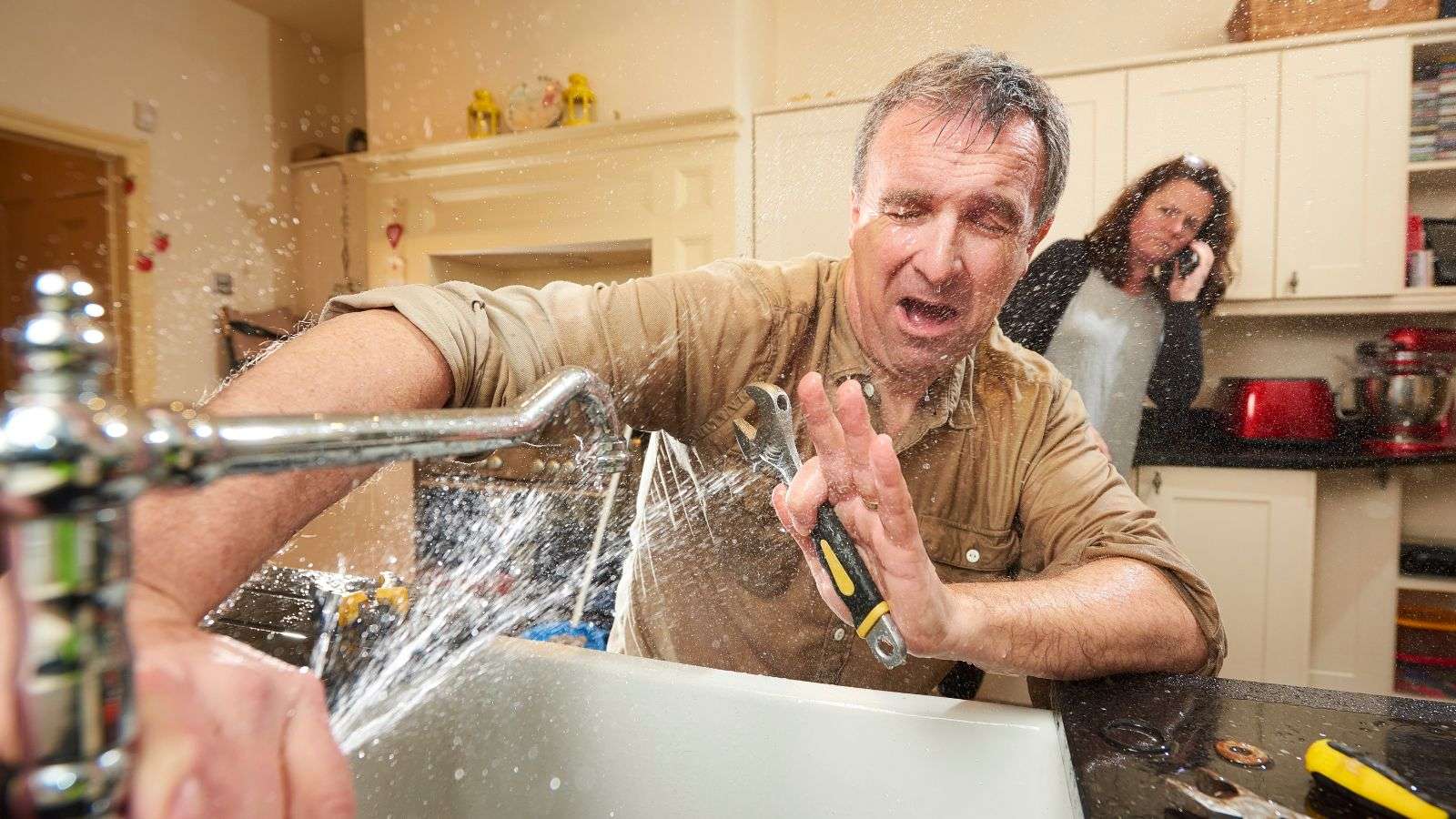
Many Texas homeowners experience leaky faucets as a common plumbing issue. Not only can they be annoying, but they can also waste a significant amount of water over time. To avoid this problem, regularly check your faucets for any signs of leaks or drips. If you notice a leak, fix it promptly to prevent further damage. In some cases, a worn-out washer or O-ring may need to be replaced. Remember to turn off the water supply before attempting any repairs.
2. Clogged drains
Clogged drains can be a major inconvenience for any household. To avoid them, be mindful of what you’re putting down your drains. Avoid pouring grease, coffee grounds, or large food particles down the sink. Use drain strainers to catch hair and debris in the bathroom. To keep your drains clear and freely flowing, regularly clean them with a mixture of baking soda and vinegar, followed by hot water.
3. Running toilets
A running toilet not only wastes water but can also increase your utility bills. To fix this issue, start by checking the flapper valve in the toilet tank. If it’s damaged or worn out, replace it. Adjusting the water level in the tank or cleaning mineral deposits from the toilet’s components can also help resolve the problem. If you’re unsure about making these adjustments, it’s best to consult a professional plumber.
4. Low water pressure
Low water pressure can be frustrating, especially when you’re trying to take a shower or wash dishes. Before calling a plumber, check for any clogs in the aerator of your faucets or showerheads. Mineral buildup can restrict water flow, so soak the aerators in vinegar to dissolve the deposits. If the problem persists, it may be an issue with your plumbing system and require professional attention.
5. Water heater problems
Malfunctioning water heaters can disrupt your daily routine. To maintain your water heater’s efficiency and prevent issues, flush the tank regularly to remove sediment buildup. Insulate your water heater and pipes to conserve energy and reduce heat loss. If you notice any leaks or strange noises coming from the unit, it’s advisable to have a professional inspect and repair it.
6. Burst pipes
Burst pipes can cause significant damage to your home if they are not addressed promptly. During colder months, insulate exposed pipes to prevent freezing and bursting. If you’re going on vacation or leaving your home unattended for an extended period, consider shutting off the main water supply to minimize the risk of burst pipes. If you encounter a burst pipe, immediately shut off the water supply and contact a plumber for emergency repairs.
7. Garbage disposal issues
Garbage disposals are prone to clogging and malfunctioning if not used properly. Avoid putting fibrous or starchy foods, grease, or large quantities of food waste down the disposal. Run cold water while using the disposal and allow it to continue running for a few seconds after turning it off to guarantee everything is flushed away properly.
8. Sewer line backups
Sewer line backups can be messy and unpleasant. To prevent this issue, avoid flushing anything other than toilet paper down the toilet. Dispose of grease and oil properly rather than pouring them down the drain. Tree roots can also invade sewer lines, so consider planting trees away from your sewer lines or having them periodically inspected by a professional.
9. Dripping showerheads
Dripping showerheads not only waste water but can also be an annoyance. To fix this issue, check for any mineral deposits that may be causing the drips. Soaking the showerhead in vinegar overnight can help dissolve these deposits. If the problem persists, consider replacing the showerhead with a more efficient model.
10. Faulty sump pump
A faulty sump pump can lead to basement flooding during heavy rains or storms. To make sure your sump pump is in good working condition, regularly test it by pouring water into the sump pit and observing its operation. Clean any debris or dirt that may accumulate in the pit to prevent clogs. If you notice any issues with your sump pump, contact a professional for repairs or replacement.
How does Texas’s unique climate influence your plumbing system?
Texas’s unique climate can have a significant impact on the plumbing systems of homeowners. The state experiences a wide range of weather conditions, from scorching summers to occasional freezing temperatures in some regions during the winter.
The extreme heat can cause pipes to expand and potentially lead to leaks or bursts, especially if they are older or not properly insulated. The occasional cold snap can result in frozen pipes, which can also lead to pipe damage and subsequent leaks once they thaw. Homeowners in Texas should be proactive in protecting their plumbing systems by insulating exposed pipes, especially those located in attics, basements, or crawl spaces.
How can regular inspections help prevent plumbing problems?
By scheduling routine inspections, homeowners can identify and address potential issues before they escalate into major problems. A professional plumber can assess the condition of pipes, drains, faucets, and other components, identifying signs of wear, leaks, or blockages that may not be immediately apparent. They can also check for proper water pressure, inspect water heaters for any signs of malfunction, and make sure that all plumbing fixtures are in good working order.
Regular inspections allow for early detection of minor leaks or hidden problems, which, if left unattended, can lead to significant damage and costly repairs down the line. Inspections provide an opportunity to perform preventive maintenance, such as cleaning drains and removing mineral buildup, which can help prolong the lifespan of plumbing systems.
What precautions can you take to avoid leaks and pipe bursts?
- Insulate exposed pipes: Insulating exposed pipes, especially those in attics, basements, and crawl spaces, helps protect them from extreme temperatures and reduces the risk of freezing and bursting.
- Properly seal and insulate openings: Double check to make sure that any openings or gaps where pipes enter your home are properly sealed and insulated to prevent cold air from reaching the pipes.
- Drain outdoor faucets: Before freezing temperatures arrive, drain and disconnect outdoor hoses and faucets to prevent water from freezing and causing pipe bursts.
- Keep interior temperature consistent: Maintain a consistent temperature inside your home, especially during colder months, to prevent pipes from freezing. Avoid drastic temperature fluctuations.
- Let faucets drip during freezing weather. Allowing faucets to drip slightly during freezing weather can relieve pressure in the pipes and prevent them from freezing.
- Disconnect and drain sprinkler systems: If you have an underground sprinkler system, make sure to disconnect and drain it before winter to avoid frozen pipes and potential damage.
- Know the location of your main water shut-off valve. Familiarize yourself with the location of the main water shut-off valve in your home. In the event of a sudden leak or burst, shutting off the water quickly can minimize damage.
- Schedule regular plumbing inspections: Regular inspections by a professional plumber can help detect any potential issues early on and address them before they turn into major leaks or bursts.
- Avoid DIY plumbing mistakes: When undertaking plumbing projects or repairs, ensure you have the necessary knowledge and skills. Improper installations or repairs can lead to leaks or pipe damage.
- Monitor water pressure: Excessively high water pressure can strain pipes and increase the risk of leaks or bursts. Use a pressure regulator to maintain a safe and appropriate water pressure level in your plumbing system.
How can you effectively clear clogged drains and prevent future blockages?
Start by using a plunger to create suction and dislodge the clog. If that doesn’t work, try using a plumbing snake or drain auger to physically remove the blockage. Avoid using chemical drain cleaners, as they can be harsh on your pipes and may not effectively clear the clog.
For regular maintenance, consider using a mixture of baking soda and vinegar followed by hot water to keep drains clear and odor-free. It’s also important to use drain strainers or screens to catch hair, food particles, and other debris before they enter the drain. Be mindful of what you put down the drain, avoiding pouring grease, coffee grounds, or large food scraps.
Finally, periodic professional drain cleaning can help remove any buildup or stubborn clogs that may be forming deep within the pipes, ensuring proper drainage and preventing future blockages.
What role does hard water play in Texas plumbing issues, and how can you minimize its impact?
The high mineral content in hard water, such as calcium and magnesium, can lead to mineral buildup and scale formation inside pipes, faucets, and appliances. Over time, this buildup can restrict water flow, reduce the efficiency of water heaters, and even cause corrosion or blockages.
To minimize the impact of hard water, homeowners can consider installing a water softener system. Water softeners use ion exchange technology to remove minerals from the water, reducing the negative effects of hard water on plumbing systems. Regular cleaning and descaling of faucets and showerheads can also help prevent mineral buildup.
Using vinegar or commercial descaling agents can dissolve the mineral deposits and restore proper water flow. Using water-saving fixtures and appliances can help reduce the amount of hard water flowing through the plumbing system, minimizing the potential for buildup.
How can you prevent frozen pipes during Texas’s cold snaps?
- Insulate exposed pipes: Insulate any exposed pipes, especially those in unheated areas like attics, basements, and crawl spaces. Wrap them with foam insulation sleeves or use heat tape to provide an extra layer of protection.
- Seal openings and cracks: Seal any gaps or openings in walls, floors, or foundations where cold air can enter and reach the pipes. Use caulk or spray foam insulation to close these gaps.
- Disconnect and drain outdoor hoses: Before freezing temperatures arrive, disconnect and drain outdoor hoses. Close the outdoor hose bibs or faucets and store the hoses in a warm location to prevent them from freezing and causing damage to the connected pipes.
- Keep the interior temperature consistent. Maintain a consistent temperature inside your home, even when you’re away. Avoid setting the thermostat too low during cold snaps to make sure the temperature remains above freezing throughout the house.
- Open cabinet doors: If you have plumbing located inside cabinets, such as under sinks, open the cabinet doors to allow warm air from the room to circulate around the pipes and prevent them from freezing.
- Let faucets drip: When temperatures drop near freezing, allow faucets that are connected to vulnerable pipes (such as those on exterior walls) to drip slightly. The flow of water can relieve pressure and prevent pipes from freezing.
- Use heating methods: For particularly cold nights, you can use additional heating methods like space heaters or heat lamps in areas where pipes are at risk of freezing. However, exercise caution and follow all safety guidelines when using these heating devices.
- Leave the heat on while away. If you plan to be away from home during a cold snap, keep the heat on at a minimum temperature to prevent pipes from freezing. This will help maintain a warmer environment and protect your plumbing system.
What are the most frequent toilet issues, and how can you prevent them in your Texas home?
- Clogged toilets: To prevent clogged toilets, avoid flushing excessive toilet paper, sanitary products, or other items that can cause blockages. Educate household members about proper toilet usage and provide a waste bin nearby for items that should not be flushed.
- Running toilets: A running toilet can waste water and increase your utility bills. To prevent this issue, check the flapper valve, adjust the chain, or replace the flapper if necessary. Ensure that the fill valve is functioning properly, and adjust the water level if needed.
- Weak flushing: A malfunctioning flapper valve or mineral buildup can result in weak or insufficient flushing. Regularly clean the inside of the toilet bowl and components to prevent mineral deposits. If the issue persists, consider replacing the flapper valve or consulting a plumber for further inspection.
- Leaking toilets: Leaky toilets can waste a significant amount of water. Check for any signs of leaks, such as water pooling around the base of the toilet or continuous sounds of running water. Replace worn-out wax seals or faulty fill valves to fix leaks and prevent water damage.
- Toilet tank condensation: In humid climates like Texas, toilet tanks can sometimes develop condensation on the outside, leading to water accumulation and potential damage to the floor. Use a toilet tank liner or insulation kit to prevent condensation and protect your bathroom floor.
- Toilet bowl stains: Hard water stains can accumulate in toilet bowls over time. Regularly clean the toilet bowl with a toilet cleaner specifically formulated to remove mineral stains. Consider using a toilet bowl brush with stiff bristles to scrub away stubborn stains.
What steps should Texas homeowners take to maintain a healthy septic system?
- Regularly pump the septic tank: Schedule regular septic tank pumping every 3 to 5 years, or as recommended by a professional, to remove accumulated solids and prevent clogs.
- Conserve water: Implement water conservation practices such as fixing leaky faucets, using water-efficient appliances, and spreading out laundry loads over time. Excessive water usage can overload the septic system and lead to problems.
- Avoid flushing non-biodegradable items. Only flush biodegradable waste and toilet paper down the toilet. Avoid flushing items like wipes, feminine hygiene products, diapers, or grease, as they can cause clogs and damage the septic system.
- Be mindful of what goes down the drain. Do not pour chemicals, oils, medications, or excessive amounts of cleaner down the drain. These substances can disrupt the natural balance of bacteria in the septic tank and harm the system.
- Do not drive over or build over the septic system. Avoid parking vehicles or constructing structures over the septic tank or drain field. The weight and pressure can compact the soil, obstructing proper drainage and potentially damaging the system.
- Protect the drain field by making sure that no structures, trees, or other large plants are blocking it. Roots can infiltrate pipes and cause blockages. Divert surface water away from the drain field to prevent oversaturation.
- Maintain a healthy balance of bacteria by using the septic-safe additives or bacteria activators that experts advise using to encourage a healthy balance of bacteria in the septic tank. These additives can enhance the breakdown of waste materials.
- Inspect and maintain effluent filters: Regularly inspect and clean effluent filters, which help prevent solids from entering the drain field. Follow manufacturer guidelines for maintenance.
What causes low water pressure, and how can you restore it in your home?
Some common causes include mineral buildup or sediment accumulation in pipes, a malfunctioning pressure regulator, leaks or clogs in the plumbing system, or issues with the municipal water supply. To restore water pressure in your home, you can try a few troubleshooting steps.
Start by checking all faucets and fixtures to see if the low pressure issue is isolated to one area or affects the entire house. If it’s localized, clean or replace aerators and showerheads that may be clogged with mineral deposits. If the low pressure is affecting the whole house, check the pressure regulator and make sure it is functioning correctly.
Clearing any clogs in pipes and repairing any leaks can also help restore water pressure. If these measures don’t improve the situation, it’s best to consult a professional plumber who can identify and address the underlying cause of the low water pressure effectively.
How can you protect your plumbing system from extreme Texas weather conditions?
During hot summers, insulate any exposed pipes to prevent them from expanding and potentially bursting. Consider using insulation sleeves or wrapping them with heat tape. During freezing temperatures, take precautions to prevent pipes from freezing and bursting by insulating vulnerable pipes, sealing any gaps or cracks where cold air can enter, and leaving cabinet doors open to allow warm air to circulate around pipes.
Disconnect and drain outdoor hoses before winter arrives to prevent water from freezing and causing damage. In cases of severe weather, such as hurricanes or heavy storms, secure outdoor plumbing fixtures or shut off the water supply if necessary. Regularly maintain your plumbing system by scheduling inspections, fixing leaks promptly, and replacing worn-out components.
By being proactive and taking these preventive measures, you can help protect your plumbing system from the extreme weather conditions often experienced in Texas.