
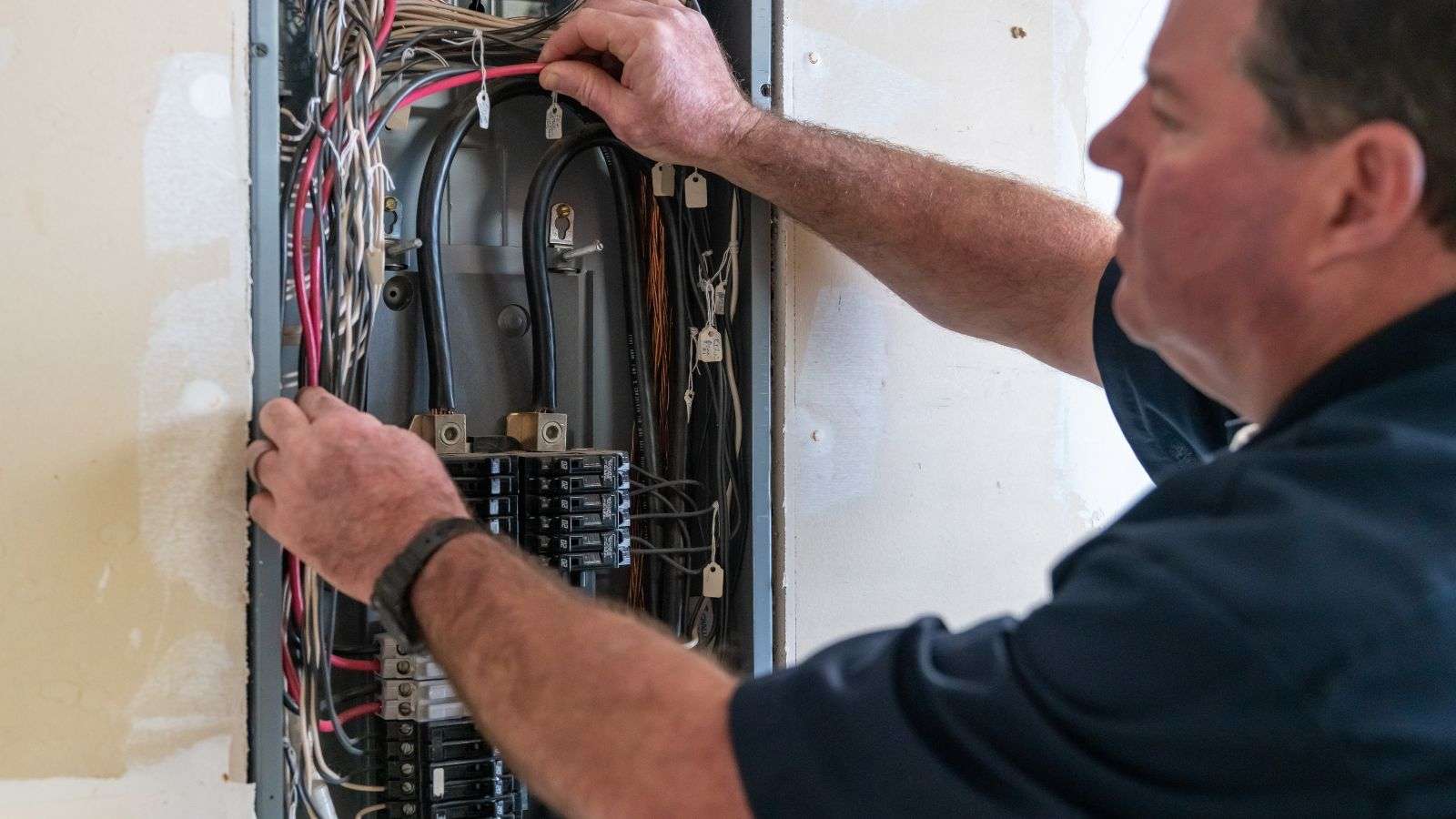
A circuit breaker plays a vital role in ensuring the electrical safety of your home, but it may not last forever. Knowing when to upgrade your circuit breaker is key to avoiding dangerous situations and ensuring a reliable power supply.
In this article, we’ll discuss when you should consider upgrading your circuit breaker, including five clear signs that it’s time to make a change.
When to upgrade your circuit breaker
The circuit breaker in your electrical system should be upgraded when it is no longer able to handle the electrical load of your household or when it becomes outdated and does not meet safety standards.
Signs that indicate the need for an upgrade include frequent tripping of the breaker, overheating, or if you are planning to add new appliances or expand your electrical system. Speak to a qualified electrician to assess your specific needs and make sure the upgrade is done safely and in compliance with local electrical codes.
5 Clear signs that you need to upgrade your circuit breaker
1. Frequent breaker tripping
If you notice that your circuit breaker is tripping frequently, it may be a sign that you need to upgrade it. Breakers trip as a safety measure when they detect an overload or a short circuit. However, if your breaker is tripping even when you are not using multiple high-powered appliances simultaneously, it could indicate that your electrical load has increased beyond the capacity of the breaker. To address this issue, you can try redistributing your electrical load among different circuits, but if the problem persists, it’s time to consider upgrading your circuit breaker.
2. Overheating breaker
Another clear sign that you need to upgrade your circuit breaker is if it becomes excessively hot. When a breaker overheats, it can be due to several factors such as loose connections, faulty wiring, or an outdated breaker that is unable to handle the electrical load. If you notice any signs of overheating such as burning smells, discoloration around the breaker, or the breaker feels hot to the touch, it is crucial to take action promptly. Ignoring this issue could lead to electrical hazards, including potential fires. Contact a licensed electrician to assess the situation and upgrade your breaker if necessary.
3. Inadequate amp capacity
Circuit breakers are designed with specific amp capacities to handle electrical loads. If you have an older home or an outdated electrical system, your circuit breaker might have a lower amp capacity than what is required for modern electrical demands. Upgrading to a higher amp capacity breaker can provide you with a safer and more reliable electrical system. A licensed electrician can help determine the appropriate amp capacity for your household needs and install the upgraded breaker.
4. Adding new appliances or expanding your electrical system
If you are planning to add new appliances or expand your electrical system, be aware that it may exceed the capacity of your current circuit breaker. These additions can increase the overall electrical load in your home, potentially leading to frequent breaker tripping or even causing damage to your electrical equipment. Before making any additions or expansions, consult with an electrician who can assess your electrical system and recommend an upgrade if necessary. Upgrading the circuit breaker allows for your system can handle the increased load safely.
5. Outdated breaker technology
Over time, advancements in technology and safety standards have led to more efficient and reliable circuit breakers. If your circuit breaker is outdated and does not meet current safety standards, it’s best to upgrade it. Older breakers may lack important features like AFCIs or ground fault circuit interrupters (GFCIs), which provide enhanced protection against electrical hazards. Upgrading to a newer model with these safety features can reduce the risk of electrical fires and electric shocks in your home.
What are circuit breakers and their role in your home
Their main purpose is to protect your electrical circuits and appliances from overloads and short circuits that can lead to electrical fires or damage. Circuit breakers act as automatic switches that detect excessive current flowing through a circuit and “trip” or shut off the circuit to prevent further damage.
They serve as a safety mechanism by interrupting the flow of electricity when it exceeds safe levels. Circuit breakers help to ensure the reliable and safe operation of your home’s electrical system, providing peace of mind and protection for you and your household.
Understanding the different types of circuit breakers
One common type is the thermal circuit breaker, which uses a bimetallic strip that bends when exposed to excessive heat, tripping the breaker. Another type is the magnetic circuit breaker, which relies on an electromagnet to detect and respond to sudden surges in current.
GFCIs are specialized circuit breakers that protect against electrical shocks by monitoring the flow of current and quickly shutting off power in the event of a ground fault. AFCIs are designed to detect dangerous arc faults, which can occur when electrical currents jump across gaps or damaged wires, potentially causing fires.
Understanding the different types of circuit breakers can help you choose the right ones for your specific electrical needs and enhance the safety and efficiency of your home’s electrical system.
How to choose the right circuit breaker for your home
- Determine your electrical load requirements: Assess the electrical appliances and devices in your home to calculate the total electrical load you need your circuit breaker to handle.
- Consider the amp rating: Choose a circuit breaker with an appropriate amp rating that can accommodate your electrical load while providing a safety margin. Common residential amp ratings include 15, 20, and 30 amps.
- Identify the breaker type: Determine if you require a standard circuit breaker, a GFCI, or an arc fault circuit interrupter (AFCI) based on the specific areas or circuits in your home that need protection.
- Check for compatibility: Make sure the circuit breaker you choose is compatible with your electrical panel or distribution board. It should fit properly and be designed for use with the specific brand and model of your panel.
- Consult a licensed electrician: If you are unsure about which circuit breaker to choose or need assistance with installation, it is recommended to consult a licensed electrician. They can provide expert advice based on your home’s electrical system and specific requirements.
- Prioritize safety features: Consider opting for circuit breakers with additional safety features such as AFCIs and GFCIs, especially for areas prone to fire hazards or moisture, like kitchens, bathrooms, and outdoor spaces.
- Ensure compliance with local codes: Make sure that the circuit breaker you select meets the electrical code requirements in your local area. Compliance with codes is essential for safety and to avoid potential issues during inspections or insurance claims.
Factors to consider when thinking of upgrading
- Electrical load: Assess the current and future electrical load requirements of your home to determine if your existing circuit breaker can handle the increased demand. Consider factors such as new appliances, renovations, or additional electrical circuits.
- Age and condition: Evaluate the age and condition of your current circuit breaker. Older breakers may lack modern safety features and may not meet current electrical codes. Upgrading to a newer model can enhance safety and reliability.
- Tripping frequency: If your circuit breaker frequently trips, it could indicate that it is overloaded or faulty. Upgrading to a higher amp capacity breaker can help prevent frequent tripping and allow for your electrical system operates smoothly.
- Safety features: Consider upgrading to circuit breakers with additional safety features such as AFCIs, GFCIs, or combination AFCI/GFCI breakers. These features provide enhanced protection against electrical faults, arc faults, and ground faults.
- Expansion plans: If you have plans to expand your home or add new appliances, make sure your circuit breaker can accommodate the increased electrical load. Upgrading to a higher amp capacity or adding new circuits may be necessary.
Safety risks of not upgrading an old circuit breaker
First of all, outdated circuit breakers may not be equipped with modern safety features such as AFCIs or GFCIs, which are designed to detect and prevent electrical faults that can lead to fires or electric shocks.
Second, old circuit breakers may have worn-out components or loose connections, increasing the risk of overheating, electrical arcing, and potential fire hazards. Additionally, as electrical systems in homes have evolved, older circuit breakers may not have the capacity to handle the increased electrical load demands of modern appliances and electronics, leading to frequent tripping or even damage to the electrical equipment.
Upgrading to a newer, properly rated circuit breaker is crucial for maintaining a safe and reliable electrical system in your home.
Do-it-yourself vs professional circuit breaker upgrade
Deciding between a do-it-yourself (DIY) circuit breaker upgrade and hiring a professional depends on various factors. While a DIY upgrade may be tempting to save costs, it is essential to consider the complexity and potential risks involved.
Upgrading a circuit breaker requires knowledge of electrical systems, proper wiring techniques, and adherence to safety codes and regulations. Hiring a licensed electrician ensures that the upgrade is done correctly, minimizing the risk of electrical hazards, such as fires or electric shocks.
Electricians have the expertise and experience to assess your electrical system, determine the appropriate amp capacity, select the right type of breaker, and install it safely. Their knowledge also guarantees compliance with local codes and regulations.
Environmental impact of upgrading your circuit breaker
On the positive side, upgrading to a newer and more efficient circuit breaker can result in energy savings over time. Improved circuit breaker technology can help prevent energy wastage and reduce the overall electricity consumption of your home. This can contribute to a decrease in greenhouse gas emissions associated with electricity generation.
However, the production and disposal of circuit breakers can have environmental impacts. The manufacturing process involves the use of raw materials and energy, while the disposal of old circuit breakers must be handled properly to avoid environmental contamination.
To minimize the environmental impact, it is advisable to choose energy-efficient circuit breakers, recycle or dispose of old ones responsibly, and consider the overall lifecycle impact when making upgrade decisions.
Average cost and factors influencing the price of upgrades
The cost of upgrading a circuit breaker can vary depending on factors such as the type of upgrade needed, amp capacity, labor costs, additional safety features, electrical panel compatibility, and local pricing variations.
On average, the cost can range from $200 to $1,500, including materials and labor. Simply replacing a breaker with a similar one will be less expensive than upgrading to a higher amp capacity or installing specialized breakers like AFCIs or GFCIs. Labor costs can vary based on the complexity of the installation and any necessary modifications.
Additional safety features and electrical panel modifications may also impact the overall cost. It is recommended to consult with a licensed electrician to assess your specific needs and obtain an accurate cost estimate for the circuit breaker upgrade based on your requirements and local factors.
Maintenance tips after upgrading your circuit breaker
- Regular inspection: Periodically inspect your circuit breaker to make sure it is in good condition. Look for any signs of damage, loose connections, or overheating. If you notice any issues, contact a licensed electrician for further evaluation and repairs.
- Labeling: Properly label each circuit breaker in your electrical panel to identify the corresponding areas or appliances they control. This will make it easier to troubleshoot and perform maintenance in the future.
- Keep clear: Maintain clear access to your circuit breaker panel. Avoid placing objects in front of or blocking the panel to allow for easy access during emergencies or maintenance work.
- Test GFCI and AFCI breakers: If your circuit breaker system includes GFCI or AFCI breakers, test them periodically per the manufacturer’s instructions to ensure they are functioning correctly. This helps with protection against ground faults and arc faults.
- Avoid overloading: Be mindful of the electrical load on each circuit to prevent overloading the breakers. Spread out high-powered appliances across different circuits and avoid using multiple high-energy devices simultaneously if they exceed the breaker’s capacity.
- Professional maintenance: Consider scheduling regular maintenance visits by a licensed electrician to thoroughly inspect and service your electrical system, including the circuit breakers. They can identify potential issues, perform necessary adjustments or repairs, and ensure your system remains safe and reliable.
- Educate household members: Inform everyone in your household about the location of the circuit breaker panel and basic safety instructions, such as how to reset a tripped breaker. This knowledge can help prevent accidents and promote safety awareness.