
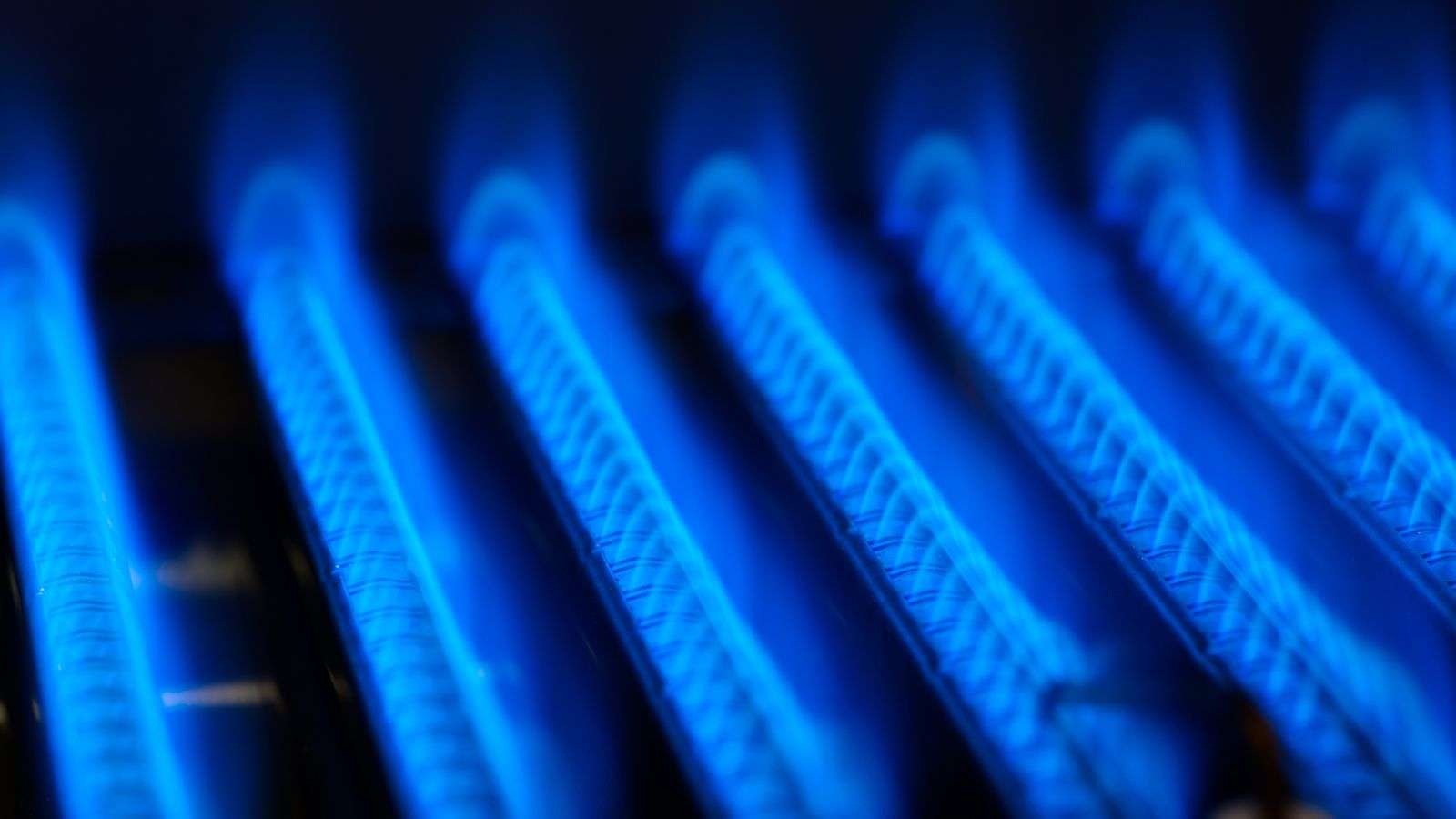
When dealing with a furnace, one problem homeowners often encounter is the failure of the ignition to catch fire. Understanding how a furnace ignition works, as well as recognizing the common problems associated with it, can provide a solid foundation for troubleshooting.
In this article, we delve into the reasons why a furnace ignition fires, how to diagnose issues, and when it is wise to call a professional technician. You will also learn about common furnace ignition problems and how to fix them, among many other helpful topics.
Why won’t my furnace ignite?
There could be several reasons why your furnace ignition is not firing. Some possible causes include a malfunctioning thermostat, a faulty ignition system, a clogged burner or pilot assembly, a problem with the gas supply, or an issue with the electrical connection. It is recommended to contact a professional HVAC technician to diagnose and fix the problem.
The top 5 common furnace ignition problems and how to fix them
1. Faulty thermostat
If your furnace ignition is not firing, a common culprit could be a faulty thermostat. Start by checking if the thermostat is set to the desired temperature and in heating mode. Make sure the batteries, if applicable, are properly installed and not depleted. If the thermostat appears to be functioning correctly but the furnace still won’t ignite, you may need to replace the thermostat. Consult the manufacturer’s instructions or seek professional help for proper installation.
2. Ignition system issues
An issue with the ignition system can prevent your furnace from firing up. Begin by inspecting the ignition components, such as the igniter or pilot light. Clean them carefully to remove any dirt, dust, or debris that might be obstructing the ignition process. If cleaning doesn’t solve the problem, the igniter or pilot light may need to be replaced. It’s recommended to refer to your furnace’s manual or consult a qualified technician for further assistance.
3. Clogged burner or pilot assembly
A clogged burner or pilot assembly can hinder proper ignition. Locate the burner and pilot assembly and visually inspect them for any obstructions like dirt, rust, or debris. If you notice any blockages, carefully clean them using a soft brush or compressed air. Take caution not to damage any components during cleaning. Once cleaned, try restarting your furnace to see if the ignition issue is resolved.
4. Gas supply problems
Inadequate gas supply can also prevent your furnace from igniting. Make sure the gas valve supplying fuel to the furnace is fully open. If you suspect a gas supply issue, it is important to prioritize safety. Check if other gas appliances in your home are functioning properly. If they are not, contact your gas company immediately to investigate and resolve any potential gas supply problems.
5. Electrical connection troubles
Sometimes, faulty electrical connections can interfere with the furnace ignition process. Begin by checking if the power switch for your furnace is turned on and if any circuit breakers related to the furnace are tripped. Inspect the wiring connections leading to the ignition system, ensuring they are secure and undamaged. If you find any loose or frayed wires, tighten or replace them as needed. However, if you are unfamiliar with electrical work, it’s best to consult a professional technician to avoid any potential hazards.
Understanding the basic functioning of a furnace ignition
A furnace ignition is a major component of a heating system that initiates the combustion process and ignites the fuel to produce heat. The basic functioning of a furnace’s ignition involves several key steps.
First, when the thermostat detects that the temperature has dropped below the desired level, it sends a signal to the furnace control board. The control board then activates the ignition system, which typically consists of an igniter or a pilot light.
The igniter or pilot light generates a spark or flame, depending on the type of ignition system that ignites the fuel, such as natural gas or propane. Once the fuel is ignited, the burner assembly releases the flames into the heat exchanger, where they warm up the air.
Finally, the blower fan circulates the heated air throughout the house via ductwork.
Common reasons for furnace ignition failure
- Thermostat issues: A malfunctioning thermostat can cause furnace ignition failure. It may not send the proper signal to initiate the ignition process or incorrectly detect the temperature, preventing the furnace from firing up.
- Ignition system malfunction: Problems with the ignition system components, such as a faulty igniter or pilot light, can lead to ignition failure. If these components fail to generate a spark or flame, the fuel cannot ignite, and the furnace won’t start.
- Gas supply problems: Insufficient or interrupted gas supply can prevent the furnace from igniting. Issues like a closed gas valve, low gas pressure, or a problem with the gas line can hinder the combustion process and cause ignition failure.
- Clogged burner or pilot assembly: Dirt, debris, or rust accumulation in the burner or pilot assembly can obstruct the ignition process. If these components are clogged, they won’t ignite the fuel properly and result in ignition failure.
- Electrical problems: Faulty electrical connections, damaged wiring, or tripped circuit breakers can disrupt the flow of electricity to the ignition system. Without a proper electrical supply, the ignition process cannot occur, leading to ignition failure.
Diagnosing a faulty furnace ignition
Diagnosing a faulty furnace ignition requires a systematic approach to identify the underlying issue. Start by checking the thermostat to confirm that it is set to the desired temperature and in heating mode. Verify that the furnace power switch is turned on and that there are no tripped circuit breakers. Next, inspect the ignition system components, such as the igniter or pilot light, for any signs of damage or malfunction.
Clean them carefully to remove any dirt or debris that may be affecting their performance. Check the gas supply to ensure it is sufficient and the gas valve is open. Examine the burner or pilot assembly for clogs or blockages, and clean them if necessary.
Troubles with the pilot light and ignition problems
Troubles with the pilot light and ignition problems can be frustrating when it comes to your furnace. If you are experiencing pilot light issues, start by ensuring that the gas supply is turned on and that the pilot light itself is clean and free from any debris.
If the pilot light won’t stay lit, you may need to adjust the flame or clean the thermocouple, which is a safety device that detects whether the pilot light is lit or not. A malfunctioning ignition switch or igniter can cause ignition issues. Check these components for any signs of damage or wear, and if necessary, replace them. Make sure that the electrical connections leading to the ignition system are secure and undamaged.
Checking ignition switch issues
When checking for ignition switch issues, there are a few steps you can take. Start by ensuring that the furnace power is turned off for safety. Then, locate the ignition switch, which is usually located near the burner assembly or control module. Inspect the switch for any signs of physical damage, such as loose or frayed wires or a visibly damaged switch mechanism. If any damage is found, the ignition switch may need to be replaced.
Check the electrical connections leading to the ignition switch to make sure they are secure and undamaged. If everything appears to be in good condition, you can test the switch using a multimeter to verify if it is functioning properly.
The dirty burner as a potential problem
A dirty burner can indeed be a potential problem in a furnace. Over time, dust, dirt, and other debris can accumulate on the burner, obstructing the proper flow of gas and air mixtures necessary for combustion. This can lead to inefficient burning, reduced heat output, and even ignition failure.
To address this issue, regularly clean the burner assembly. Start by turning off the furnace power and gas supply. Gently remove the burner assembly and inspect it for any visible dirt or debris. Use a soft brush or compressed air to carefully clean the burner ports and remove any buildup. Take care not to damage the burner while cleaning. Once cleaned, reinstall the burner assembly properly and confirm that it is securely in place.
Regular maintenance and cleaning of the burner can help optimize furnace performance and prevent potential problems associated with a dirty burner.
The role of gas supply in the ignition process
When the thermostat signals a need for heat, the gas valve opens to allow the flow of fuel, such as natural gas or propane, into the burner assembly. The gas supply needs to be sufficient in terms of pressure and volume to maintain proper combustion.
A properly functioning gas supply ensures that there is an adequate amount of fuel available for ignition. If there are issues with the gas supply, such as a closed valve, low gas pressure, or a problem with the gas line, it can lead to ignition problems or even complete failure to ignite. Regularly check the gas supply and make sure the gas valve is fully open and that there are no leaks in the system.
If there are any concerns or issues with the gas supply, it is recommended to contact a professional technician to diagnose and address the problem promptly for safe and efficient furnace operation.
The influence of thermostat settings on ignition firing
The thermostat serves as the control device that signals the furnace when to ignite and heat the space. When the thermostat detects that the ambient temperature has fallen below the set point, it sends a signal to the furnace to initiate the ignition process. The furnace then starts the fuel flow and activates the ignition system.
If the thermostat settings are incorrect or improperly calibrated, it can cause issues with the ignition firing. For instance, if the thermostat is set too low or in cooling mode instead of heating, it may prevent the furnace from receiving the signal to ignite. Similarly, if the thermostat is faulty and unable to accurately detect the temperature, it can lead to inconsistent or unreliable ignition firing.
Therefore, it is essential to verify that the thermostat is set to the desired temperature and in the correct heating mode for proper ignition and firing of the furnace.
Safety precautions for troubleshooting furnace ignition
- Turn off the power: Before troubleshooting any furnace ignition issues, always turn off the power to the furnace to ensure your safety and prevent electrical accidents.
- Shut off the gas: If you suspect any gas-related issues, such as a gas leak or interruption in the gas supply, it is important to shut off the gas valve leading to the furnace to prevent potential hazards.
- Wear protective gear: When working on a furnace, wear appropriate protective gear, such as gloves and safety glasses, to protect yourself from potential burns, sharp edges, or debris.
- Follow the manufacturer’s instructions: Consult the furnace manufacturer’s manual for specific instructions on troubleshooting procedures, safety precautions, and any warnings or guidelines related to your particular furnace model.
- Avoid excessive force: When inspecting or cleaning components, handle them gently and avoid applying excessive force. This helps prevent damage to the furnace and reduces the risk of injury.
- Consult a professional if unsure: If you are unsure about any aspect of troubleshooting the furnace ignition or encounter complex issues, it is recommended to seek assistance from a qualified HVAC technician who has the expertise and knowledge to handle furnace repairs safely and effectively.
When to call a furnace technician for professional help
It’s best to call a furnace technician for professional help in several situations. If you have attempted basic troubleshooting steps but are unable to diagnose or resolve the issue with your furnace ignition, it is best to seek the expertise of a professional.
If you encounter complex problems that require specialized knowledge or tools, such as issues with the control board, gas valve, or electrical components, it is recommended to contact a furnace technician. Furthermore, if your furnace is still under warranty, have a qualified technician handle any repairs to avoid voiding the warranty.
Finally, for general maintenance and annual inspections, it is beneficial to schedule a professional service to ensure the safe and efficient operation of your furnace. When seeking a furnace technician, you can find reputable professionals through our directory website, Big Home Projects, which offers a wide range of home improvement services.