
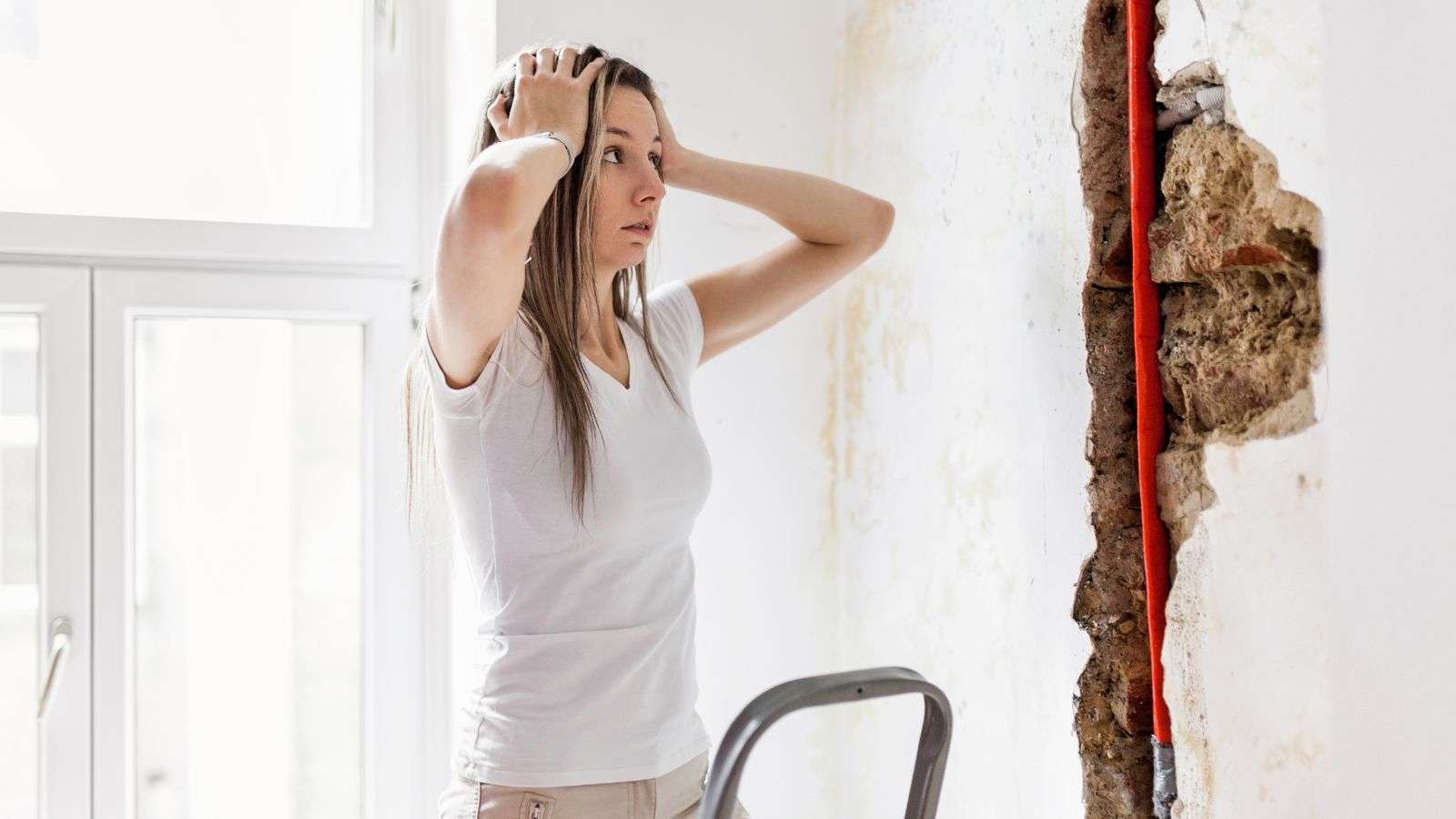
Leak detection in your Texas home is crucial for maintaining its structural integrity and preventing costly damage. Hidden leaks behind walls can be particularly challenging to locate and address.
In this article, we will go over different methods to detect these concealed issues and outline effective solutions to preserve your home’s condition.
7 Ways to detect hidden leaks without damage: key highlights
1. Visual inspection
Perform a thorough visual inspection of your home or property to detect hidden leaks. Look for signs of water damage, such as discoloration or peeling paint, damp spots on walls or ceilings, mold growth, or musty odors. Pay attention to areas near plumbing fixtures, pipes, and appliances.
2. Water meter test
Conduct a water meter test to check for hidden leaks. Begin by ensuring that all water sources are turned off, including faucets, showers, and appliances. Take note of the reading on your water meter and wait for a few hours without using any water. If the meter reading changes during this period, it could indicate a hidden leak.
3. Toilet leak detection
Toilets are common sources of hidden leaks. Add a few drops of food coloring into the toilet tank and wait for about 15 minutes without flushing. If the color appears in the toilet bowl, it suggests a leak. This simple test can help you identify leaks that may go unnoticed.
4. Pressure gauge test
Use a pressure gauge to check for hidden leaks in your plumbing system. Attach the gauge to an outdoor faucet and turn on the water supply. Observe the pressure reading on the gauge. If it drops significantly, there may be a leak somewhere in the system that requires further investigation.
5. Thermal imaging
Consider using thermal imaging technology to detect hidden leaks. This method utilizes infrared cameras to identify temperature variations caused by water leaks behind walls, under floors, or within ceilings. Thermal imaging can be particularly useful in pinpointing hard-to-find leaks.
6. Acoustic leak detection
Acoustic leak detection involves using specialized equipment to listen for sounds produced by hidden leaks. By detecting the sound of water escaping from pipes or fittings, this method can help locate leaks without causing damage. Professionals trained in acoustic leak detection can provide accurate results.
7. Professional inspection
When all else fails or if you suspect a severe leak, it’s recommended that you seek professional assistance. Plumbing professionals have the expertise and tools necessary to detect hidden leaks accurately. They can perform comprehensive inspections and offer appropriate solutions to address any leaks found.
What are the common causes of wall leaks?
- Faulty or damaged plumbing: Leaks can occur due to issues with the plumbing system, such as cracked pipes, loose fittings, or deteriorated seals.
- Poor construction: Improper installation of plumbing fixtures, pipes, or waterproofing materials during construction can lead to wall leaks over time.
- Exterior factors: External factors like heavy rainfall, flooding, or improper drainage systems can result in water seeping into the walls.
- Clogged gutters: When gutters are clogged with debris, water can overflow and penetrate the walls instead of being directed away from the property.
- Roofing problems: Damaged or poorly maintained roofs can allow water to enter and infiltrate the walls, leading to leaks.
- Condensation: Excessive moisture or condensation buildup inside the walls can cause leaks, particularly in areas with poor ventilation.
- Cracks or gaps: Small cracks or gaps in the walls can allow water to seep through, especially if they are located near plumbing fixtures or pipes.
The importance of prompt leak detection in homes in Texas
First and foremost, Texas is known for its hot and humid climate, which can exacerbate the effects of water leaks. Without timely detection, even a small leak can quickly escalate into a significant problem, leading to extensive water damage, mold growth, and compromised structural integrity. Texas is prone to severe weather events, including hurricanes and heavy rainfall, which can further increase the risk of leaks and flooding.
Detecting leaks promptly allows homeowners to take immediate action and prevent further damage, minimizing repair costs and potential health hazards associated with mold and mildew. Moreover, water conservation is crucial in Texas, as the state often faces drought conditions.
By detecting and repairing leaks promptly, homeowners can contribute to preserving precious water resources and reducing their utility bills. Therefore, being vigilant about leak detection in Texas homes is essential to safeguarding property, maintaining a healthy living environment, and promoting sustainable water usage.
How does Texas weather impact leak formation?
Texas weather can have a significant impact on the formation of leaks in homes. The state experiences a range of weather conditions, including high temperatures, humidity, heavy rainfall, and occasional severe storms. The combination of these factors can contribute to the development of leaks in various ways. Intense heat can cause materials to expand and contract, potentially leading to cracks or gaps in pipes or seals.
The high humidity levels prevalent in Texas can create a conducive environment for moisture buildup, increasing the likelihood of condensation and subsequent water damage. Heavy rainfall, especially during storms or hurricanes, can overwhelm drainage systems, causing water to seep into homes through roofs, walls, or foundation cracks. Texas is susceptible to extreme weather events, such as flash floods, which can result in sudden and severe water intrusion.
The unpredictable and sometimes harsh Texas weather underscores the importance of proactive leak detection and maintenance practices to mitigate the risks associated with leaks and prevent extensive damage to homes.
Identifying the key symptoms of hidden wall leaks
- Visible water stains or discoloration: Look for any unexplained water stains or discoloration on walls, ceilings, or floors, as they can indicate a hidden wall leak.
- Mold or mildew growth: The presence of mold or mildew, especially in areas with no apparent water source, may suggest a hidden wall leak.
- Musty or damp odors: If you notice persistent musty or damp odors in certain areas of your home, it could be a sign of hidden water leaks behind the walls.
- Peeling or bubbling paint or wallpaper: Moisture from hidden leaks can cause paint or wallpaper to peel, bubble, or appear distorted.
- Warped or swollen walls: Hidden wall leaks can lead to wall materials absorbing moisture, resulting in warping, bulging, or swelling.
- Sudden increase in water bills: If your water bills have spiked unexpectedly without any changes in usage patterns, it could indicate a hidden wall leak causing water loss.
- Sounds of dripping or running water: Listen for sounds of dripping or running water behind walls, which may suggest a hidden leak.
- Decreased water pressure: A hidden wall leak can reduce water pressure in affected fixtures or throughout the plumbing system.
- Cracks in walls or ceilings: In some cases, hidden wall leaks can cause visible cracks to form in walls or ceilings due to the moisture weakening the structure.
Can homeowners detect leaks behind walls themselves?
While homeowners can perform initial checks and detect some signs of leaks behind walls, detecting leaks accurately without professional assistance can be challenging. Homeowners can visually inspect for visible water stains, mold growth, or peeling paint on walls, which may suggest hidden leaks.
They can also conduct simple tests like the water meter test or the food coloring test for toilet leaks. However, some leaks may be subtle and not easily noticeable to an untrained eye. Advanced techniques like thermal imaging or acoustic leak detection require specialized equipment and expertise.
If homeowners suspect or have indications of hidden wall leaks, find professional assistance from plumbers or leak detection specialists who have the necessary tools and knowledge to accurately identify and locate leaks behind walls. Promptly addressing hidden leaks can help prevent further damage and ensure that repairs are carried out effectively.
When should you contact a professional leak detector?
You should contact a professional leak detector when you encounter persistent or severe signs of water leaks, especially if you are unable to locate the source or if the issue continues despite your efforts. Look for professional help if you notice extensive water damage, mold growth, unexplained musty odors, or significant increases in your water bills without an apparent cause.
If you suspect leaks behind walls, underground pipes, or in complex plumbing systems, professionals with specialized equipment and expertise can provide accurate detection and diagnosis. They can also offer guidance on the best course of action for repairs or replacements. To find reputable professionals for leak detection or other Big Home Projects, you can refer to our website directory for reliable service providers in your area.
Technology used in detecting hidden water leaks
- Thermal imaging: Thermal imaging technology uses infrared cameras to detect temperature variations behind walls caused by hidden water leaks. It can identify areas of moisture and potential leaks that are not visible to the naked eye.
- Acoustic leak detection: This method utilizes specialized equipment to detect the sound of water escaping from hidden leaks behind walls. By listening for unique frequencies and vibrations, acoustic leak detection can pinpoint the location of the leak without causing damage.
- Moisture meters: Moisture meters are handheld devices that measure the moisture content within materials. They can be used to identify areas of elevated moisture behind walls, indicating potential hidden leaks.
- Fiber optic borescopes: Fiber optic borescopes are flexible, slender cameras that can be inserted into small openings to inspect areas behind walls. They allow professionals to visually examine inaccessible spaces and identify any signs of hidden water leaks.
- Water leak detectors: Water leak detectors are electronic devices that can be placed near plumbing fixtures or in areas prone to leaks. They use sensors to detect the presence of water and can alert homeowners to potential hidden leaks behind walls.
- Ground-Penetrating Radar (GPR): Ground-penetrating radar is a non-invasive technique that uses radar pulses to create images of subsurface structures. It can be utilized to identify moisture levels and potential leaks behind walls without causing damage.
- Electronic listening devices: Electronic listening devices can amplify sounds and vibrations, allowing professionals to listen for the distinct noise produced by hidden water leaks behind walls.
- Digital pressure testing: Digital pressure testing involves pressurizing the plumbing system and monitoring pressure changes to identify potential leaks behind walls or in concealed pipes.
- Smoke testing: Smoke testing involves introducing non-toxic smoke into plumbing systems to detect any visible signs of smoke escaping from hidden leaks behind walls. This method helps locate hard-to-find leaks and plumbing system issues.
Consequences of ignoring leaks behind the walls
- Structural damage: Ignoring leaks behind the walls can lead to structural damage over time. Water seeping into the walls can weaken the integrity of the building materials, causing them to deteriorate, warp, or rot.
- Mold and mildew growth: Hidden leaks create a moist environment that promotes the growth of mold and mildew behind the walls. This can not only compromise indoor air quality but also pose health risks to occupants, especially those with allergies or respiratory conditions.
- Electrical hazards: Water leaks behind walls can come into contact with electrical wiring, leading to potential electrical hazards such as short circuits, sparks, or even fires.
- Increased utility bills: Ignored leaks can result in continuous water loss, leading to higher water bills. Leaks behind walls may go unnoticed for an extended period, causing a significant increase in utility costs.
- Decreased property value: Unaddressed leaks behind the walls can diminish the value of a property. The presence of water damage or mold issues may deter potential buyers, making it difficult to sell the property or decreasing its resale value.
- Proliferation of pest infestations: Moisture from hidden leaks can attract pests like termites, ants, or cockroaches, which thrive in damp environments. Ignoring leaks behind walls can inadvertently lead to pest infestations in the affected areas.
- Compromised indoor air quality: The presence of mold, mildew, and stagnant water behind walls can result in poor indoor air quality. This can cause respiratory issues and allergic reactions among occupants.
- Aesthetic damage: Ignored leaks can cause visible damage to walls, such as peeling paint, wallpaper, or stains. This can significantly impact the aesthetic appeal of the affected areas and require expensive repairs or renovations.
- Increased repair costs: Delaying necessary repairs for leaks behind walls can result in more extensive damage over time. This can lead to increased repair costs when the issue is finally addressed, as well as potential additional expenses for repairing surrounding areas affected by the prolonged leak.
Efficiently fixing leaks to preserve the integrity of your Texas home
Start by promptly identifying the source of the leak, whether it’s from plumbing fixtures, pipes, or roofs. Once identified, engage the services of a professional plumber or contractor with experience in leak repair. Make sure the necessary repairs are carried out promptly and effectively to prevent further damage.
Addressing leaks may involve fixing or replacing damaged plumbing components, sealing cracks or gaps, or repairing roofing materials. Address any water damage or mold growth resulting from the leak, as this can compromise the structural integrity and indoor air quality of your home. Regular maintenance and inspections can help prevent future leaks by identifying and addressing potential issues before they escalate.
By taking swift action and investing in proper repairs, you can safeguard your Texas home from further damage and maintain its value and livability for years to come.