
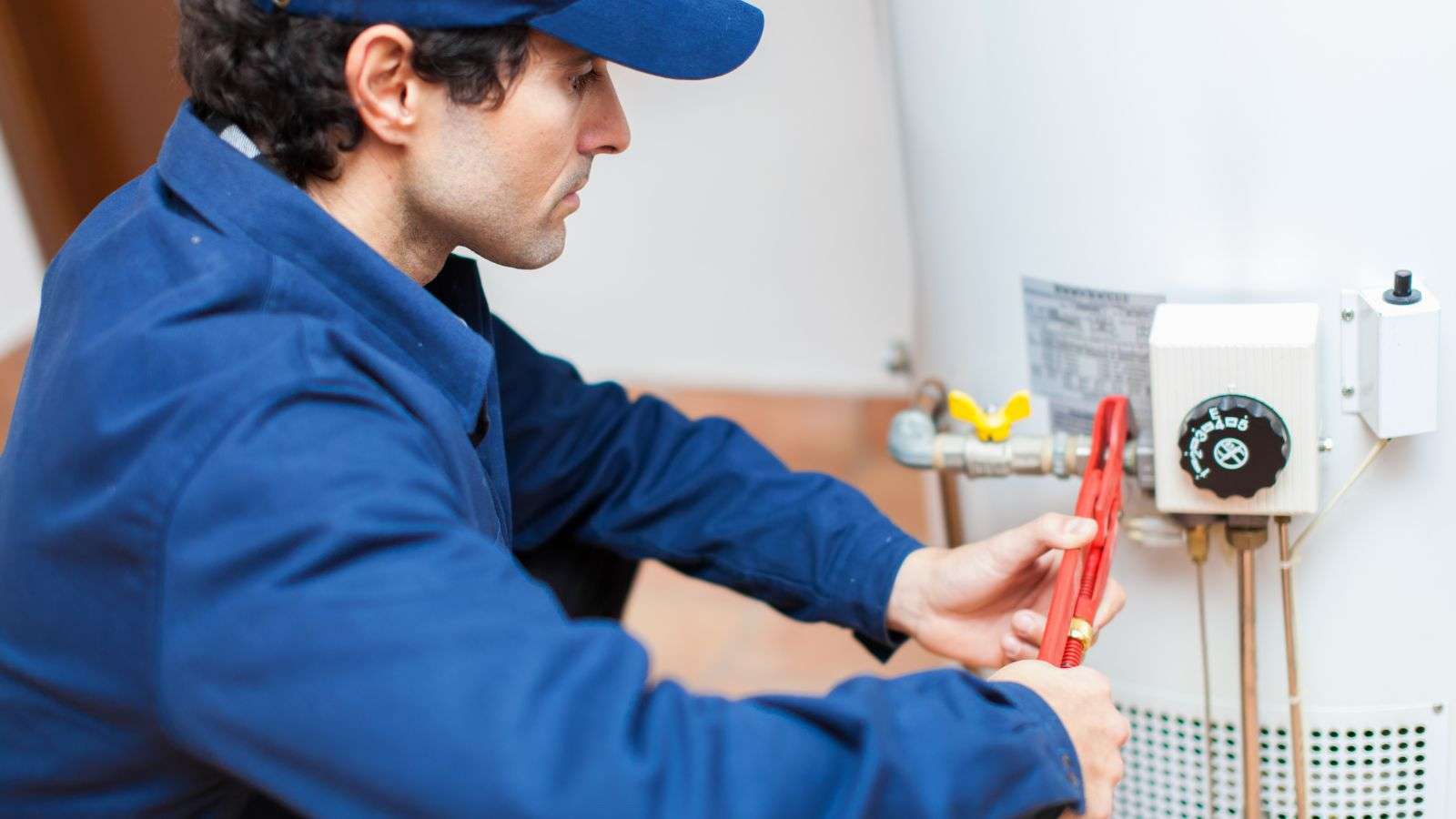
When your gas hot water heater starts giving you trouble, it’s essential to identify the problem and fix it as soon as possible. Living in Texas, where temperature variations can be drastic, having a functional hot water heater becomes even more critical.
In this article, we delve into how a gas hot water heater works, common issues, and effective troubleshooting steps, including an essential five-step guide. Also, we touch upon regular maintenance and knowing when it’s time to call professionals.
How does a gas hot water heater work?
A gas hot water heater works by using natural gas or propane to heat water. The heater contains a burner that ignites the gas, creating a flame inside the combustion chamber. As water flows into the tank, it is circulated around the combustion chamber, absorbing heat from the flame.
The heated water rises to the top of the tank and is then delivered through a hot water outlet to the desired fixtures in your home. Meanwhile, cold water enters the tank to replace the hot water that was used. A thermostat controls the temperature of the water, ensuring it stays at the desired level.
Identifying common gas hot water heater issues
- Pilot light won’t stay lit: A broken thermocouple or a clogged pilot tube may be to blame for this problem.
- No hot water: This problem may be due to a variety of reasons, such as a malfunctioning thermostat, a broken gas valve, or a faulty burner.
- Inadequate hot water: If you’re not getting enough hot water, it could be due to sediment buildup in the tank, a malfunctioning dip tube, or an undersized heater for your household needs.
- Strange noises: Unusual noises like rumbling or banging could indicate sediment buildup in the tank, causing overheating and reduced efficiency.
- Leaking water: Leaks can occur in various places, such as the pressure relief valve, drain valve, or from a crack in the tank itself.
- Rusty or discolored water: This problem is frequently a result of corrosion inside the tank, indicating potential deterioration and the need for inspection or replacement.
- Foul odor from hot water: A rotten egg smell is commonly associated with bacteria growth in the tank, which can be resolved through disinfection and maintenance.
5 Crucial steps to troubleshoot your gas hot water heater in Texas
1. Check the pilot light
Make sure to inspect the pilot light of your gas hot water heater. If it’s not lit, try relighting it following the manufacturer’s instructions. If the pilot light won’t stay lit, it could be due to a faulty thermocouple or a clogged pilot tube. In such cases, it might be necessary to replace the thermocouple or clean the pilot tube using compressed air. Check for any gas leaks around the pilot light area, and contact a professional if you suspect a gas leak.
2. Test the gas supply
If you have confirmed that the pilot light is on but there’s still no hot water, check if there is an adequate gas supply to the heater. Make sure the gas valve is fully open and that there are no gas line issues. If you’re unsure about the gas supply, it’s recommended to contact a qualified technician to assess and resolve any potential gas-related problems.
3. Inspect the burner and flame
A malfunctioning burner can also lead to no hot water or inadequate heating. Carefully examine the burner assembly for any signs of damage, corrosion, or debris accumulation. Clean the burner ports using a small brush or compressed air to remove any obstructions. Observe the color and quality of the flame. A steady blue flame indicates proper combustion, while a yellow or orange flame may signify an issue with combustion and potentially require adjustment by a professional.
4. Flush the tank
Over time, sediment can accumulate at the bottom of the tank, reducing its efficiency and causing various problems. Flushing the tank periodically helps remove the sediment buildup. Attach a hose to the drain valve located near the bottom of the tank and run it to a suitable drain or outside area. Turn off the gas supply and cold water inlet valve, then open the drain valve to allow water and sediment to drain out. Once the tank is empty, close the drain valve, turn on the cold water supply, and let it run for a few minutes to flush out any remaining sediment. Finally, turn on the gas supply and relight the pilot.
5. Check for leaks and inspect plumbing
Inspect all visible plumbing connections for leaks or signs of water damage. Pay attention to connections at the top and bottom of the tank, as well as valves and pipes leading in and out of the heater. If you notice any leaks, tighten loose connections or replace faulty parts as necessary. Check for signs of corrosion on the tank itself, which may indicate a need for further inspection or possible replacement.
Checking the gas supply to your hot water heater
Checking the gas supply to your hot water heater is an important step in troubleshooting any issues you may be experiencing. Start by ensuring that the gas valve, usually located near the bottom of the heater, is fully open. If it’s closed or partially closed, turn it to the open position.
Next, verify that the gas line supplying the heater is not damaged or blocked. Inspect the line for any visible leaks or damage, such as kinks or bends. If you suspect a gas leak, contact a professional immediately for assistance.
Finally, if you have access to your gas meter, check if the gas supply is turned on and functioning properly. If you’re unsure about any aspect of checking the gas supply, it’s always recommended to seek the help of a licensed technician for a thorough inspection and resolution of any gas-related issues.
Troubleshooting a pilot light that won’t stay lit
- Check for gas supply: Make sure the gas supply to the hot water heater is turned on and that there are no issues with the gas line or meter.
- Inspect the thermocouple. The thermocouple is a safety device that senses the pilot flame. Check if it’s positioned correctly and not damaged or dirty. If necessary, clean it gently with fine sandpaper or replace it if it’s faulty.
- Clean the pilot assembly. A clogged pilot assembly can prevent the pilot light from staying lit. Use compressed air to blow out any debris or blockages in the pilot tube, or carefully clean it with a small wire or needle.
- Adjust the flame sensor: The flame sensor, located near the pilot light, ensures that the burner stays on when there’s a flame. Gently clean it with a soft cloth to remove any buildup that might be interfering with its function.
- Check for drafts: Drafts or air currents around the pilot light can cause it to go out. Make sure all doors, windows, and vents in the vicinity are closed or properly sealed to prevent drafts from extinguishing the flame.
- Verify proper gas pressure. Insufficient gas pressure can also lead to a pilot light that won’t stay lit. Contact a professional to check and adjust the gas pressure if necessary.
- Consider replacing the gas control valve. If all else fails and your pilot light still won’t stay lit, the gas control valve may be faulty and require replacement. It’s recommended to have a qualified technician handle this task to maintain proper installation and safety.
Addressing insufficient hot water production
- Check the thermostat settings: Ensure that the thermostat on your hot water heater is set to the desired temperature. If it’s set too low, the water may not reach the desired level of hotness. Adjust the thermostat accordingly and give the heater some time to reach the new temperature setting.
- Inspect the dip tube. The dip tube is responsible for delivering cold water to the bottom of the tank for heating. Over time, it can deteriorate or break, resulting in insufficient hot water production. If you suspect a faulty dip tube, it’s best to have it replaced by a professional.
- Flush the tank: Sediment buildup at the bottom of the tank can hinder heat transfer and reduce the available volume for hot water. Flushing the tank periodically helps remove sediment. Refer to the manufacturer’s instructions to safely drain and flush the tank, or consider hiring a professional to perform this task.
- Consider the size of your heater. If you consistently experience insufficient hot water, it could be due to an undersized hot water heater for your household’s demands. Assess your household’s hot water needs and consult with a professional to determine if upgrading to a larger-capacity heater is necessary.
- Insulate hot water pipes: Insulating the hot water pipes leading from the heater can help retain heat and minimize heat loss during distribution, ensuring that hot water reaches your fixtures at a higher temperature. Pipe insulation kits are available at most hardware stores and are relatively easy to install.
Fixing gas and hot water heater leaks
First of all, turn off the gas supply to the heater using the shut-off valve located near the unit.
Next, identify the source of the leak. It could be from the pressure relief valve, drain valve, or a crack in the tank. Tighten any loose connections if applicable, but avoid over-tightening as it may cause more damage. If the leak persists or originates from a damaged component, it’s best to replace the faulty part.
For major leaks or cracks in the tank, it’s usually necessary to replace the entire heater. Always follow manufacturer instructions and local regulations when performing repairs or replacements.
Finally, remember to have a professional check for gas leaks and keep up with the proper functioning of the hot water heater before restoring the gas supply and using it again.
Dealing with strange noises from your hot water heater
- Flush the tank: Sediment buildup in the tank can result in strange noises like rumbling or banging. Flushing the tank can help remove the sediment and alleviate the noise. Follow the manufacturer’s instructions to safely drain and flush the tank, or seek professional assistance.
- Check the heating elements. If you have an electric hot water heater, unusual noises may be due to a faulty or failing heating element. Inspect the heating elements for signs of damage or corrosion and replace them if necessary.
- Inspect the burner: For gas hot water heaters, strange noises could indicate a problem with the burner. Check for any blockages or debris that may be interfering with its operation. Cleaning the burner assembly using compressed air or a small brush can help resolve the issue.
- Adjust the water pressure. Excessive water pressure can cause banging or knocking sounds in the pipes and fixtures. Consider installing a pressure-reducing valve or adjusting the existing valve to regulate the water pressure and minimize noise.
- Check for loose pipes. Vibrations from loose pipes can create rattling or knocking noises. Inspect the pipes connected to your hot water heater and secure any loose fittings or straps. Adding foam insulation around pipes can aid in reducing noise from pipe movement.
- Consider installing water hammer arrestors. A water hammer, a sudden pressure surge in the pipes, can cause loud banging noises. Installing water hammer arrestors at strategic points in your plumbing system can absorb the shock and minimize noise.
- Consult a professional. If the strange noises persist or you’re unsure about identifying and resolving the issue, it’s recommended to consult a professional plumber who can diagnose and address the problem effectively.
Eliminating unpleasant odors from your gas hot water heater
- Flush the tank: Unpleasant odors can sometimes be caused by bacterial growth in the tank. Flushing the tank can help remove any accumulated sediment and bacteria. Follow the manufacturer’s instructions or consult a professional plumber to safely drain and flush the tank.
- Disinfect the tank: After flushing the tank, disinfecting it can help eliminate bacteria and reduce odors. Mix a solution of one part household bleach with ten parts water. Carefully pour the solution into the tank, making sure to avoid contact with your skin or eyes. Let it sit for a few hours, then drain the tank and flush it again with clean water.
- Clean the anode rod: The anode rod is designed to attract corrosive elements in the water and protect the tank from rusting. However, over time, it can develop a buildup of bacteria and contribute to odor issues. Remove the anode rod according to the manufacturer’s instructions and clean it with a brush, or replace it if necessary.
- Inspect and clean the drain valve. Sediment or debris buildup in the drain valve can lead to foul odors. Carefully open the drain valve and flush it out using clean water. If necessary, use a small brush or compressed air to remove any stubborn buildup.
- Check for gas leaks: Although not directly related to odors, gas leaks can cause a distinct smell that may be mistaken for an odor coming from the hot water heater. If you detect a gas odor, immediately turn off the gas supply and contact your gas utility provider or a professional plumber for assistance.
- Maintain regular maintenance: To prevent future odors, consider implementing regular maintenance practices such as flushing the tank annually, checking and replacing the anode rod as needed, and following manufacturer recommendations for your specific hot water heater model.
Understanding the importance of proper ventilation
Proper ventilation is of utmost importance for various reasons. In the context of a gas hot water heater, it plays a crucial role in ensuring the safe operation of the appliance. Gas-fired water heaters produce combustion byproducts, such as carbon monoxide, which need to be vented outside to prevent their accumulation indoors. Without proper ventilation, these harmful gases can build up and pose serious health risks to occupants, including carbon monoxide poisoning.
Proper ventilation helps maintain the efficiency and performance of the hot water heater. Adequate airflow around the unit allows for efficient combustion and the proper exhaust of combustion byproducts. Insufficient ventilation can lead to incomplete combustion, reduced efficiency, and even potential damage to the heater.
Proper ventilation also helps prevent excess moisture buildup, which can contribute to mold growth and structural damage in the surrounding area. Moisture can accumulate from the combustion process itself as well as from condensation on cooler surfaces near the appliance. Good ventilation helps dissipate this moisture and maintain a dry environment.
How to perform regular maintenance on your gas hot water heater
- Turn off the gas supply: Locate the shut-off valve for the gas supply to the hot water heater and turn it off. This ensures your safety during maintenance.
- Turn off the water supply: Locate the cold water supply valve connected to the water heater and turn it off. This will prevent water from flowing into the tank during maintenance.
- Drain the tank: Attach a hose to the drain valve located near the bottom of the tank. Place the other end of the hose in a suitable drain or outside area. Open the drain valve and allow the water to completely drain from the tank. Be cautious as the water may be hot.
- Flush the tank: Close the drain valve and turn on the cold water supply valve for a few minutes. This will help flush out any remaining sediment or debris from the tank. Open the drain valve again to drain this flush water.
- Inspect and clean the burner assembly: Carefully remove the access panel or cover from the front of the water heater to access the burner assembly. Inspect it for any signs of dirt, dust, or debris. Use a soft brush or compressed air to clean the burner ports and remove any obstructions.
- Check the anode rod. Find the anode rod, which is typically hanging from a hex head at the top of the tank. Remove it using a socket wrench or similar tool. Inspect the rod for signs of corrosion or excessive wear. If it’s heavily corroded, consider replacing it with a new one.
- Inspect venting system: Inspect the flue pipe and venting system for any signs of damage, blockages, or disconnections. Make sure they are properly secured and free from obstructions.
- Check for gas leaks: Apply a mixture of soapy water to all gas connections, including the gas control valve and pilot assembly. If you notice bubbles forming, it indicates a gas leak. If a leak is detected, immediately turn off the gas supply and contact a professional technician for assistance.
- Restore water and gas supply: Close the drain valve and remove the hose. Turn on the cold water supply valve to refill the tank. Once the tank is full, turn on the gas supply using the shut-off valve.
- Relight pilot light: Follow the manufacturer’s instructions to relight the pilot light if necessary. This typically involves turning the gas control knob to “Pilot,” pressing and holding it down while igniting the pilot light, and then releasing it once the pilot light is lit.
Knowing when to call in professionals for help
While regular maintenance and troubleshooting can help with many issues, there are instances when calling in professionals is necessary for your safety and to ensure proper resolution. If you encounter complex problems beyond your expertise or if you are unsure about performing certain tasks, it’s best to seek the help of qualified professionals. This includes situations such as major leaks, gas-related issues, electrical problems, or when dealing with structural components of your gas hot water heater.
If you are unable to resolve an issue after following recommended troubleshooting steps or if you need to perform repairs or replacements that require specialized knowledge or tools, we recommend contacting professionals. They have the expertise and experience to handle the task efficiently and safely.
For finding professionals for big home projects, you can visit the directory website Big Home Projects which provides a comprehensive list of trusted professionals in various fields.