
Keeping your pipes clean and clear can be a daunting task, especially when traditional methods just don’t seem to be cutting it. Enter power rodding, a highly effective technique for cleaning pipes and removing stubborn blockages.
In this article, we’ll explore the advantages of power rodding and provide you with essential information on how it works and why it should be on your radar.
What is power rodding?
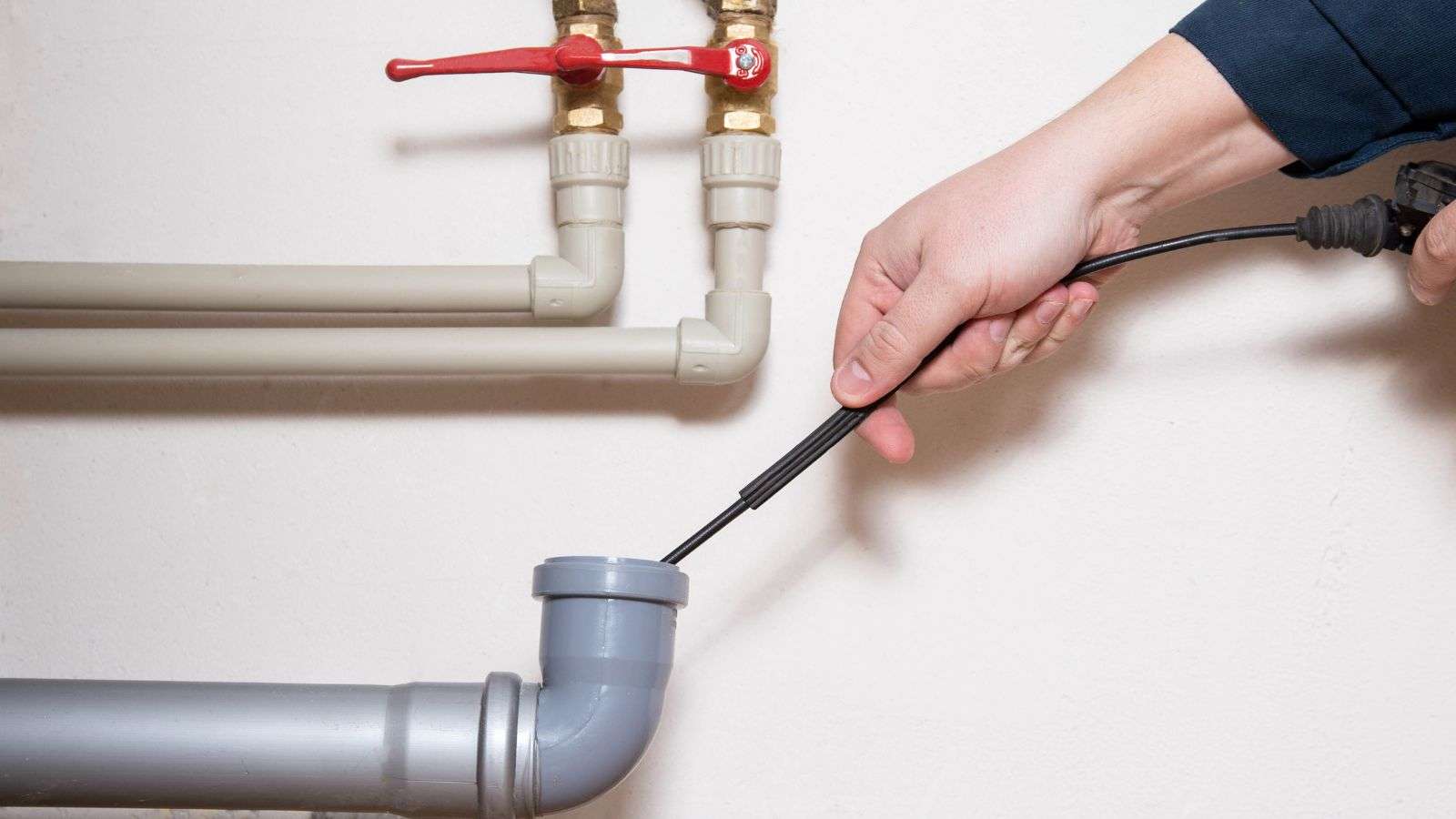
Power rodding is a method used to clear clogged drains or sewer lines. It involves using a specialized tool called a power rodder or drain snake, which consists of a flexible cable with a rotating blade at the end. The power rodder is inserted into the drain or sewer line, and as it rotates, the blade breaks up and removes obstructions such as debris, tree roots, or grease buildup. This process helps restore proper flow and prevents further plumbing issues.
5 Exceptional benefits of power rodding for cleaner pipes
1. Enhanced drain cleaning efficiency
Power rodding offers exceptional benefits for cleaner pipes by providing enhanced drain cleaning efficiency. The rotating blade of the power rodder effectively breaks up and removes stubborn clogs and blockages, ensuring thorough cleaning of the pipes. This method is highly effective in removing various types of obstructions, including tree roots and grease buildup, which can be challenging to eliminate using traditional drain cleaning techniques. By efficiently clearing the pipes, power rodding helps restore optimal water flow and prevents future plumbing issues.
2. Versatility and adaptability
One of the often overlooked benefits of power rodding is its versatility and adaptability. Power rodders come in various sizes and lengths, allowing plumbers to tackle drain cleaning jobs in different types of pipes and sewer lines. Whether it’s a residential, commercial, or industrial setting, power rodding can be customized to suit the specific needs of the plumbing system. This flexibility allows for even hard-to-reach areas and intricate pipe layouts to be effectively cleaned, maintaining the overall health and functionality of the plumbing system.
3. Non-destructive solution
Unlike some other drain cleaning methods that may involve invasive techniques or potentially harmful chemicals, power rodding is a non-destructive solution. The power rodder’s rotating blade gently removes blockages without causing damage to the pipes themselves. This means that power rodding is not only effective but also safe for your plumbing system. By using this method, you can rest assured that your pipes will be thoroughly cleaned without any risk of structural harm or corrosion.
4. Cost-effective maintenance
Regular maintenance of your plumbing system is essential to prevent major issues down the line. Power rodding offers a cost-effective maintenance solution by keeping your pipes clean and clear of debris. By proactively scheduling power rodding sessions, you can avoid costly repairs or replacements that may arise from neglected clogs or blockages. Maintaining clean pipes through power rodding helps extend the lifespan of your plumbing system and saves you money in the long run.
5. Eco-friendly option
In an era where environmental consciousness is crucial, power rodding stands out as an eco-friendly option for drain cleaning. Since power rodding relies on mechanical action rather than harsh chemicals, it minimizes the use of harmful substances that could potentially pollute water sources or harm ecosystems. By choosing power rodding as a drain cleaning method, you contribute to a cleaner and greener environment while still achieving optimal pipe cleanliness.
Power rodding vs. traditional pipe cleaning techniques
| Power Rodding | Traditional Pipe Cleaning Techniques |
|---|---|
| Efficiently removes stubborn clogs and blockages. | May struggle with tough or hard-to-reach obstructions. |
| Versatile and adaptable to different pipe sizes and layouts. | Limited effectiveness in certain types of pipes or layouts |
| Non-destructive method that does not harm the pipes. | There is a potential risk of pipe damage due to invasive techniques or harsh chemicals. |
| Cost-effective maintenance to prevent major plumbing issues. | Can lead to costly repairs or replacements if neglected. |
| Environmentally friendly with minimal use of harmful substances. | Relies on chemicals that may be harmful to the environment. |
By comparing power rodding with traditional pipe cleaning techniques, it becomes evident that power rodding offers several advantages. It efficiently removes stubborn clogs and blockages, making it highly effective in maintaining clear pipes. The versatility and adaptability of power rodding allow it to tackle various pipe sizes and layouts, ensuring comprehensive cleaning.
Power rodding is a non-destructive method that preserves the integrity of the pipes, avoiding potential damage. It is a cost-effective maintenance option that helps prevent major plumbing issues and provides an environmentally friendly approach by minimizing the use of harmful substances.
In contrast, traditional pipe cleaning techniques may struggle with tough obstructions, have limited effectiveness in certain pipes or layouts, carry the risk of pipe damage, lead to expensive repairs if neglected, and rely on chemicals that can be harmful to the environment.
How do you know when power rodding is necessary?
Knowing when power rodding is necessary can be determined by several signs and indicators. If you experience recurring clogs or slow drains in your plumbing system, it may be an indication that there is a more stubborn blockage that needs to be addressed. Foul odors emanating from the drains, gurgling sounds, or water backups are also signs that there may be a significant obstruction in the pipes.
If you notice that multiple fixtures are affected simultaneously, such as multiple sinks or toilets draining slowly, it could be a sign of a clog further down the sewer line. In these situations, consult with a professional plumber who can assess the situation and determine if power rodding is necessary to effectively clear the blockage and restore proper flow in your plumbing system.
The power rodding process explained
- Assessment: A professional plumber starts by assessing the plumbing system and identifying the location and severity of the clog or blockage.
- Preparation: The plumber ensures that the power rodding equipment is ready for use, including checking the condition of the cables, blades, and any necessary attachments.
- Insertion: The power rodder, a flexible cable with a rotating blade at the end, is carefully inserted into the drain or sewer line where the clog is located.
- Rotation: Once inserted, the plumber activates the power rodder, causing the cable to rotate rapidly. The rotating blade helps break up the clog and dislodge any debris or obstructions in its path.
- Clearing: As the power rodder rotates, it continues to move effectively, clearing the blockage. The action of the blade helps to break up stubborn clogs, tree roots, or grease buildup.
- Monitoring: During the process, the plumber monitors the progress and adjusts the speed and direction of the power rodder as needed to maintain thorough cleaning and prevent any potential damage to the pipes.
- Retrieval: Once the blockage is cleared, the power rodder is slowly withdrawn from the drain or sewer line. The plumber carefully inspects the cable and blade for any remaining debris and ensures that everything is clear before removing it completely.
- Cleanup: After power rodding, the plumber may run water through the pipes to flush out any remaining debris or particles. They also clean up the work area, ensuring that no mess or residue is left behind.
- Inspection: Finally, the plumber may conduct a visual inspection or use specialized tools, such as a drain camera, to assess the condition of the pipes and confirm that the blockage has been successfully cleared.
Power rodding equipment
- Power rodder: The main equipment used in power rodding is a power rodder, also known as a drain snake or sewer snake. It consists of a flexible cable made of materials like steel or nylon, which can vary in length and diameter depending on the specific application.
- Rotating blade: At the end of the power rodder cable, there is a rotating blade. The blade is designed to break up and dislodge clogs and obstructions as it rotates rapidly, allowing for effective cleaning of the pipes.
- Cable drum or reel: The power rodder cable is typically housed in a drum or reel. This drum serves as a storage container for the cable when it is not in use and allows for easy deployment and retrieval during the power rodding process.
- Power source: Power rodding equipment may require a power source to operate the rotating mechanism. This can be an electric motor or a gasoline engine, depending on the specific model and design of the power rodder.
- Attachments: Various attachments can be used with the power rodder to enhance its functionality. These include cutting blades of different sizes and shapes to address specific types of clogs or blockages. Other attachments may include retrieval tools or augers for more challenging situations.
- Protective gear: Plumbers who perform power rodding typically wear protective gear such as gloves, safety glasses, and sometimes waterproof clothing to allow for their safety and minimize any potential exposure to debris or wastewater during the process.
Maintaining your pipes after power rodding
- Regular inspections: Schedule regular inspections of your plumbing system to identify any potential issues or signs of clogs early on. This can help prevent major blockages from forming.
- Practice proper disposal: Avoid flushing or draining items that can cause clogs, such as grease, oil, food scraps, or sanitary products. Dispose of these items properly in the trash.
- Use drain guards or screens: Install drain guards or screens in sinks, showers, and tubs to catch hair, debris, and other particles before they enter the drain and potentially cause clogs.
- Flush with hot water: Periodically flush your drains with hot water to help dissolve any residual grease or soap buildup that may accumulate over time.
- Avoid chemical drain cleaners: Refrain from using chemical drain cleaners as they can be harsh on your pipes and may lead to corrosion or other damage. Opt for natural or enzymatic drain cleaning solutions instead.
- Consider preventive maintenance: Schedule regular preventive maintenance sessions with a professional plumber to proactively clean your pipes and identify any potential issues before they become major problems.
- Monitor water pressure: Keep an eye on the water pressure in your plumbing system. Excessive pressure can strain pipes and potentially lead to leaks or burst pipes.
- Educate household members: Inform everyone in your household about proper plumbing practices, including what can and cannot be flushed or drained, to prevent unintentional clogs.
Safety precautions in power rodding
- Wear protective gear: Always wear appropriate protective gear, including gloves, safety glasses, and sometimes waterproof clothing, when performing power rodding to protect yourself from debris and potential exposure to wastewater.
- Disconnect power sources: Before starting any power rodding work, make sure to disconnect any power sources that may be connected to the equipment to prevent accidental activation or electrical hazards.
- Follow the manufacturer’s instructions: Read and understand the manufacturer’s instructions for the power rodding equipment you are using. Adhere to the recommended guidelines and safety precautions provided.
- Ensure proper ventilation: work in well-ventilated areas or use exhaust fans to prevent the accumulation of harmful gases or fumes that may be released during the power rodding process.
- Beware of moving parts: Avoid placing your hands or body near the rotating blade or any other moving parts of the power rodder. Keep a safe distance and exercise caution throughout the operation.
- Secure the work area: Make sure the work area is clear of any obstacles or tripping hazards. Secure the power rodder cable properly to prevent it from getting tangled or causing accidents.
- Use caution with chemicals: If using any drain cleaning chemicals in conjunction with power rodding, follow the instructions carefully and use them with caution, as they can be potentially hazardous.
- Seek professional assistance if needed. If you are unsure about performing power rodding or encounter a complex clog, it is recommended to seek the assistance of a professional plumber who has the necessary expertise and equipment.
Selecting a professional power rodding service
Look for a service provider that has experience and expertise in power rodding specifically, as this ensures they are knowledgeable about the equipment and techniques involved. Check for proper licensing and certification to make sure they meet industry standards.
Read customer reviews or seek recommendations from trusted sources to gauge their reputation and reliability. It can also be helpful to inquire about their pricing structure, guarantees, and any additional services they offer. Consider using a website directory like Big Home Projects, which provides a platform for finding and comparing professional service providers in various home improvement categories, including power rodding. Using such a directory can streamline the selection process and help you find a reputable and qualified power rodding service for your specific needs.
Understanding the costs of power rodding
The cost of power rodding can vary depending on several factors. On average, the cost of a basic power rodding service can range from $100 to $300. Here are a few scenarios and their estimated cost ranges:
- Residential drain cleaning: For a typical residential drain cleaning job with a relatively simple clog, the cost can range from $100 to $200. This scenario assumes a standard-sized drain and a straightforward blockage that can be cleared with a regular power rodding session.
- Commercial or industrial drain cleaning: In commercial or industrial settings where larger pipes or more complex systems are involved, the cost can be higher. The price range for power rodding in these scenarios can be between $200 and $500 or more, depending on the size and complexity of the plumbing system.
- Tree root removal: If tree roots have infiltrated the sewer line, additional steps and specialized equipment may be required for effective removal. In such cases, the cost can increase significantly, ranging from $300 to $800 or more, depending on the severity of the root intrusion.
- Emergency services: If you require power rodding services outside of regular business hours or during weekends or holidays, emergency service rates may apply. These rates can be higher than standard rates, often with an additional fee ranging from $50 to $150.
Power rodding and its environmental impact
Power rodding, when compared to some other drain cleaning methods, can have a relatively lower environmental impact. This is primarily because power rodding relies on mechanical action rather than the use of harsh chemicals.
By avoiding the excessive use of chemical drain cleaners, power rodding helps reduce the release of harmful substances into the environment that can potentially contaminate water sources or harm ecosystems. However, power rodding still requires energy for operation, and the disposal of any debris or wastewater generated during the process should be done in accordance with local regulations and best practices to minimize any potential environmental impact.