
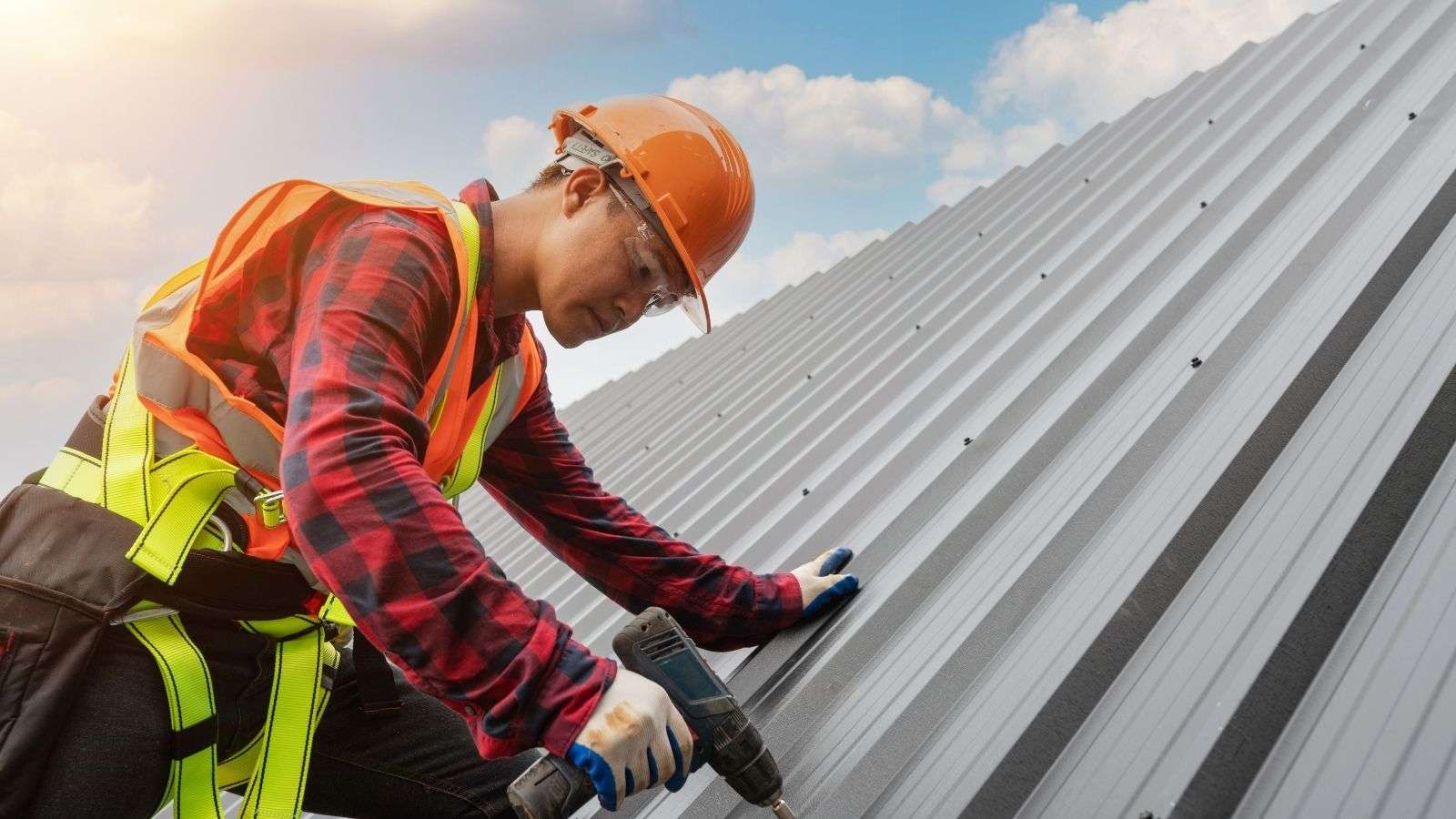
The world of warranties in the aluminum roofing sector can often seem complex. It combines diverse elements such as the quality of materials, the nature of workmanship, and the duration of coverage.
In this article, we navigate these complexities, highlighting five critical points homeowners should consider when evaluating such warranties.
Understanding the essence of warranties in the roofing industry
Warranties in the roofing industry typically range from 2, 5, 10, or 25 years, with some companies offering lifetime warranties. The contractor’s workmanship should last as long as the materials on the roof. Therefore, hire a roofing contractor that provides a lifetime warranty to ensure long-lasting protection.
The top 5 points to consider when selecting warranties for your aluminum roofing
1. Coverage period and terms
When selecting warranties for your aluminum roofing, it is essential to carefully consider the coverage period and terms offered. Look for warranties that provide adequate coverage for a significant period of time, such as 25-year or even lifetime warranties. Pay attention to any limitations or exclusions mentioned in the terms, as they may impact the extent of coverage. Remember to clarify whether the warranty covers both materials and workmanship.
2. Transferability
Another important point to consider is the transferability of the warranty. Some warranties can be transferred to a new homeowner if you decide to sell your property, which can add value and peace of mind to potential buyers. Make sure the warranty clearly states whether it can be transferred and any associated fees or procedures involved in the process.
3. Maintenance requirements
It’s crucial to understand the maintenance requirements outlined in the warranty. Different aluminum roofing products may have specific maintenance guidelines that need to be followed to maintain the validity of the warranty. These guidelines can include regular inspections, cleaning recommendations, and any necessary repairs or adjustments. Familiarize yourself with these requirements to maintain compliance.
4. Weather-related coverage
Consider the warranty’s level of weather-related coverage. Aluminum roofing is designed to withstand various weather conditions, but it’s important to verify whether the warranty covers damages caused by severe weather events such as hail, windstorms, or heavy snowfall. Understanding the specific weather-related coverage will give you confidence in your roof’s durability during extreme weather conditions.
5. The warranty provider’s reputation
Finally, it is important to assess the reputation and reliability of the warranty provider. Research their track record, customer reviews, and industry standing to gauge their credibility. A reputable warranty provider should have a history of honoring their warranties and providing efficient customer service. Knowing that a reputable company is backing your investment in an aluminum roofing warranty will give you peace of mind.
Distinguishing between material and workmanship warranties
| Material Warranty | Workmanship Warranty |
|---|---|
| Covers defects in the roofing materials used. | Covers any errors or defects in the installation or workmanship. |
| Typically provided by the manufacturer of the roofing materials. | Usually offered by the roofing contractor who installed the roof. |
| The coverage period can vary, usually ranging from 2 to 50 years. | The coverage period is often shorter than material warranties, typically ranging from 1 to 10 years. |
| Protects against issues such as premature aging, cracking, or manufacturing defects in the roofing materials. | Provides coverage for problems that arise due to errors or mistakes made during the installation process. |
| In the event of a material defect, the warranty may cover the cost of replacement materials but not the labor for installation. | In cases of workmanship issues, the warranty may cover the cost of labor and any necessary repairs or corrections. |
| Does not cover damages or issues caused by improper installation, neglect, or lack of maintenance. | Does not cover damages or issues caused by faulty materials or manufacturing defects. |
A material warranty covers defects in the actual roofing materials used, such as premature aging, cracking, or manufacturing defects. Depending on the particular product, the manufacturer will typically offer a warranty of this kind that can last anywhere between 2 and 50 years.
On the other hand, a workmanship warranty focuses on the installation and workmanship of the roofing contractor. It covers any errors or defects that arise due to mistakes made during the installation process. The roofing contractor will frequently offer workmanship warranties, which typically have shorter coverage periods of 1 to 10 years.
In terms of coverage, a material warranty protects against issues with the roofing materials themselves and may cover the cost of replacement materials if a defect is found. However, it usually does not cover the labor for installation. A workmanship warranty, on the other hand, provides coverage for problems caused by errors in installation and may include labor costs along with any necessary repairs or corrections.
Both types of warranties have limitations. A material warranty does not cover damages caused by improper installation, neglect, or lack of maintenance. Similarly, a workmanship warranty does not cover damages caused by faulty materials or manufacturing defects.
Importance of contractor’s workmanship in longevity of roof
A well-installed roof by an experienced and skilled contractor ensures that the materials are properly handled, installed, and sealed, minimizing the risk of leaks, damages, or premature wear. Attention to detail during the installation process, such as proper flashing, ventilation, and shingle alignment, can significantly impact the roof’s ability to withstand harsh weather conditions and maintain its structural integrity over time.
A reputable contractor will adhere to industry best practices, ensuring that the roof is installed in accordance with manufacturer specifications and local building codes. By prioritizing the contractor’s workmanship, homeowners can increase the chances of a durable and long-lasting roof that provides reliable protection for many years to come.
Decoding lifetime warranty: What it actually means and doesn’t mean
A lifetime warranty in the context of roofing typically means that the warranty is valid for as long as the original homeowner owns the property. It implies that the manufacturer or contractor guarantees against defects in materials or workmanship for the duration of the homeowner’s ownership. However, it’s important to note what a lifetime warranty doesn’t mean. It does not guarantee that the roof will last a lifetime without any repairs or maintenance.
Instead, it confirms that the manufacturer or contractor will take care of any qualifying issues during the homeowner’s ownership of the property. A lifetime warranty may not cover damages caused by extreme weather events, improper maintenance, or normal wear and tear over time. Homeowners should carefully review the terms and conditions of the warranty to understand its specific coverage and any limitations or exclusions that may apply.
Comparison between short-term and long-term warranties
| Short-Term Warranties | Long-Term Warranties |
|---|---|
| Typically have coverage periods ranging from 1 to 10 years. | Coverage periods are usually longer, ranging from 10 to 50 years or even lifetime warranties. |
| Offer limited protection for a specific period of time. | Provide extended protection for an extended duration, often for the life of the product or the homeowner’s ownership. |
| Commonly offered by roofing contractors for their workmanship. | Frequently provided by manufacturers for defects in materials or workmanship. |
| Focus on immediate issues and potential installation or workmanship errors. | Address both immediate concerns and long-term durability, covering materials and potential manufacturing defects. |
| May cover labor costs for repairs or corrections during the warranty period. | May cover both materials and labor costs for repairs or replacements, depending on the warranty terms. |
| Often require regular maintenance and adherence to specific guidelines. | May have maintenance requirements but generally provide more extensive coverage without strict maintenance obligations. |
Short-term warranties typically have coverage periods ranging from 1 to 10 years. They offer limited protection for a specific duration, focusing on immediate issues and potential installation or workmanship errors made by roofing contractors. Contractors frequently offer these warranties, which may include labor costs for corrections or repairs made during the warranty period. However, they often require regular maintenance and adherence to specific guidelines to maintain the warranty’s validity.
On the other hand, long-term warranties provide extended protection for an extended duration, usually ranging from 10 to 50 years or even lifetime warranties. They are frequently available from manufacturers and address both immediate issues and long-term durability, as well as materials and potential manufacturing flaws. Long-term warranties may cover both materials and labor costs for repairs or replacements, depending on the specific terms of the warranty. While they may have maintenance requirements, they generally offer more extensive coverage without strict maintenance obligations.
Role of the roofing contractor in warranty implementation
They serve as the primary point of contact between the homeowner and the warranty provider, ensuring that the warranty is properly implemented and any necessary repairs or replacements are carried out. The contractor is responsible for thoroughly inspecting the roof, identifying any issues covered by the warranty, and submitting claims on behalf of the homeowner.
They also play a vital role in coordinating with the warranty provider to schedule and perform the necessary repairs or replacements. A reputable roofing contractor will have a good working relationship with warranty providers, enabling them to navigate the warranty process efficiently and effectively. Their expertise and knowledge of the roofing system and warranty terms are invaluable in ensuring that homeowners receive the full benefits of their warranty coverage.
How crucial is a warranty when choosing aluminum roofing?
It provides assurance and peace of mind to homeowners, guaranteeing that the roofing materials and workmanship are of high quality and will withstand the test of time. A comprehensive warranty not only covers defects in materials but also addresses potential issues arising from installation errors or workmanship problems.
It serves as a safeguard, shielding homeowners from unforeseen costs and ensuring that the manufacturer or contractor will promptly address any qualifying issues. A warranty is a testament to the confidence and commitment of the roofing company, indicating their belief in the durability and longevity of their product.
Key points to note when reading your warranty document
- Coverage: Understand what aspects of the roofing system are covered by the warranty, such as materials, workmanship, or both.
- Coverage period: Note the duration of the warranty to make sure it aligns with your expectations and needs.
- Limitations and exclusions: Carefully review any limitations or exclusions mentioned in the warranty, such as damages caused by extreme weather events or improper maintenance.
- Transferability: Determine if the warranty is transferable to a new homeowner if you plan to sell your property.
- Maintenance requirements: Take note of any required maintenance tasks and guidelines to promote compliance with warranty obligations.
- Claims process: Familiarize yourself with the procedures for filing warranty claims, including any documentation or reporting requirements.
- Responsibilities of the homeowner: Understand your responsibilities as a homeowner, such as regular maintenance or reporting issues promptly, to maintain the validity of the warranty.
- Resolution process: Determine how warranty claims will be resolved, whether through repairs, replacements, or financial compensation.
- Authorized contractors: Check if the warranty requires using authorized contractors for repairs or replacements to avoid voiding the warranty.
- Transferring or voiding the warranty: Pay attention to any actions that may transfer or void the warranty, such as making unauthorized modifications to the roof or failing to meet maintenance obligations.
Best practices for maximizing warranty benefits
First, carefully review the warranty terms and fully understand the coverage, limitations, and requirements. Adhere to any maintenance guidelines specified in the warranty to make sure you fulfill your obligations as a homeowner. Regularly inspect your roof and promptly address any issues or damages to prevent them from escalating.
It is crucial to keep records of maintenance, repairs, and any warranty-related communication for future reference. In the event of a potential warranty claim, notify the warranty provider or contractor promptly and provide all necessary documentation and evidence to support your claim.
Finally, work with authorized contractors or professionals who are familiar with the warranty requirements to make sure any repairs or replacements are carried out according to the warranty terms.
By following these best practices, you can maximize the benefits of your warranty and ensure that you receive full protection and value from your roofing investment.