
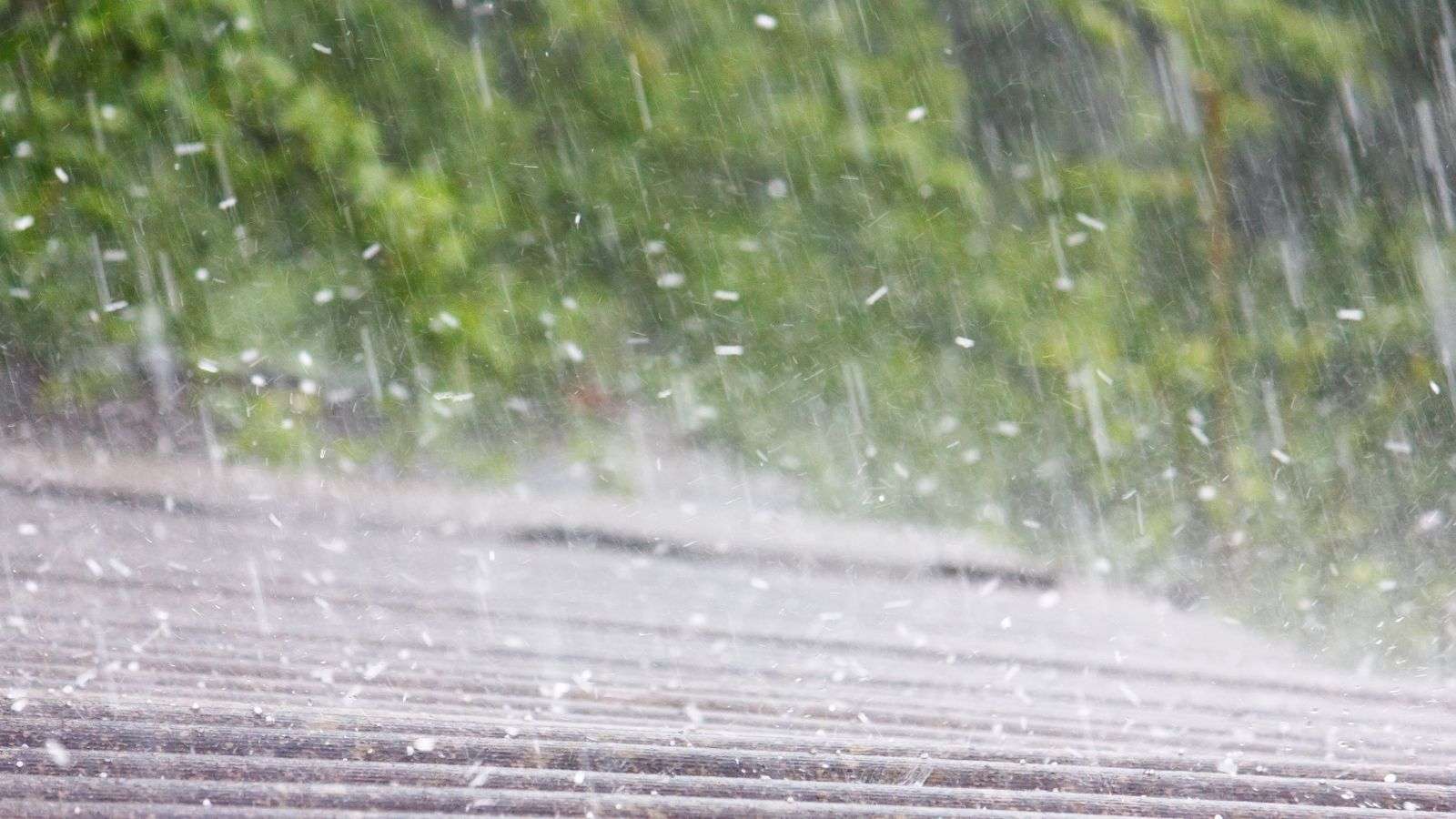
When severe weather strikes, one of the primary concerns for homeowners is the resilience and durability of their roofs. Aluminum roofing has become increasingly popular because of its unique combination of strength, weather resistance, and energy efficiency.
In this article, we will explore the key features and benefits of aluminum roofs in the context of hail and wind resistance, as well as delve into their advantages over traditional roofing materials.
How does aluminum roofs stand up to hail and wind?
Aluminum roofs generally have good resistance against hail and wind due to their inherent strength and durability. Aluminum is a lightweight yet strong material that can withstand moderate to severe hailstorms without getting easily damaged. Aluminum roofs are designed to be wind-resistant and can withstand high wind speeds, making them a suitable choice for areas prone to strong winds.
7 Key reasons why aluminum roofs perform well under hail and wind conditions
1. Lightweight and strong material
Aluminum roofs perform well under hail and wind conditions due to their unique combination of lightweight and strong material properties. Aluminum is significantly lighter than other roofing materials like asphalt or concrete, making it less susceptible to damage from hail impact. Its strength allows it to withstand the force of strong winds without structural compromise.
2. Resistant to hail damage
One key reason why aluminum roofs excel in hail conditions is their exceptional resistance to hail damage. Aluminum is naturally flexible, which allows it to absorb the impact of hailstones without cracking or breaking. This flexibility helps prevent punctures and dents that could compromise the roof’s integrity. Aluminum roofs often have a protective coating that further enhances their resistance to hail damage.
3. Interlocking panel system
Many aluminum roofs feature an interlocking panel system, which contributes to their excellent performance in high winds. This system securely connects each panel, creating a strong and seamless barrier against wind uplift. The interlocking design helps distribute the wind’s force evenly across the roof’s surface, minimizing the risk of panels becoming loose or dislodged during strong wind events.
4. Rigorous testing and certification
Aluminum roofing materials often undergo rigorous testing and certification processes to guarantee their performance under extreme weather conditions. These tests evaluate the roof’s resistance to hail impact, wind uplift, and water penetration. By meeting or exceeding industry standards, certified aluminum roofs provide homeowners with peace of mind, knowing their roofs are built to withstand the elements.
5. Proper installation techniques
Proper installation techniques play a crucial role in maximizing the performance of aluminum roofs under hail and wind conditions. Professional installers follow manufacturer guidelines to confirm that the roof is securely fastened, tightly sealed, and properly aligned. This attention to detail minimizes the risk of wind damage and ensures that the roof can effectively shed water during heavy rainfall.
6. Maintenance and regular inspections
Regular maintenance and inspections are essential for keeping aluminum roofs in optimal condition. Homeowners should inspect their roofs periodically for any signs of damage or loose components. Promptly addressing issues such as loose fasteners or damaged panels can prevent further damage during severe weather events. Cleaning debris from gutters and ensuring proper drainage also helps maintain the roof’s performance.
7. Professional expertise
Seeking professional expertise when installing or repairing an aluminum roof can significantly enhance its performance under hail and wind conditions. Experienced roofing contractors possess the necessary knowledge and skills to handle the complexities of aluminum roof installation. Their expertise ensures that the roof is correctly installed, sealed, and able to withstand the challenges posed by hail and wind.
What makes aluminum roofs worth considering?
- Durability: Aluminum roofs are known for their durability, with the ability to withstand harsh weather conditions, including hail, wind, and UV exposure.
- Lightweight: Being lightweight, aluminum roofs place less stress on the underlying structure of the building.
- Low maintenance: Aluminum roofs require minimal maintenance, as they are resistant to rust, corrosion, and pests.
- Long lifespan: Aluminum roofs have a long lifespan, typically lasting 40 years or more, which makes them a cost-effective option in the long run.
- Energy efficiency: Aluminum roofs can reflect heat from the sun, reducing cooling costs during hot summer months.
- Fire resistance: Aluminum is a non-combustible material, making it a safe choice for areas prone to wildfires or lightning strikes.
- Design versatility: Aluminum roofs come in various styles and colors, allowing homeowners to choose a design that suits their aesthetic preferences.
Aluminum roofs vs traditional roofing materials
| Aluminum Roofs | Traditional Roofing Materials |
|---|---|
| Lightweight and strong | Varying weight and strength |
| Resistant to hail and wind | Vulnerable to hail and wind damage |
| Durable and long-lasting | May require more frequent repairs or replacements. |
| Reflective surface for energy efficiency | Absorbs and retains heat |
| Non-combustible | Some materials may be flammable |
| Low maintenance | Regular maintenance required |
| Wide range of styles and colors | Limited design options |
First, aluminum roofs stand out for their lightweight yet durable nature, providing a strong defense against hail and wind damage. In contrast, traditional materials exhibit varying weights and strengths, making them more vulnerable in severe weather conditions.
Aluminum roofs offer long-term cost savings due to their durability and low maintenance requirements, while traditional materials may necessitate more frequent repairs or replacements. Aluminum roofs also excel in energy efficiency, with their reflective surfaces helping to reduce cooling costs.
On the other hand, traditional materials tend to absorb and retain heat, potentially increasing energy consumption. Moreover, aluminum roofs provide an extra layer of safety as they are non-combustible, whereas certain traditional materials can be flammable.
Finally, aluminum roofs offer a wide range of design options in terms of styles and colors, allowing homeowners to find a suitable match for their preferences, whereas traditional materials may have limited design choices.
The durability of aluminum roofs
Aluminum roofs are renowned for their exceptional durability. This durability stems from the inherent properties of aluminum as a material. Aluminum is highly resistant to rust, corrosion, and decay, making it an ideal choice for roofs exposed to the elements. It can withstand extreme temperature fluctuations without warping or cracking, ensuring its longevity. High winds and hail are less likely to damage aluminum roofs because of their design. With proper installation and regular maintenance, aluminum roofs can last for decades, providing homeowners with a durable and reliable roofing solution.
The benefits of aluminum roofing in terms of energy efficiency and insulation
- Energy efficiency: Aluminum roofs offer excellent energy efficiency benefits. The reflective surface of aluminum helps to reflect a significant portion of the sun’s heat away from the building, reducing the need for excessive air conditioning and lowering cooling costs during hot weather.
- Insulation: Aluminum roofs can be combined with additional insulation materials to enhance the thermal performance of the building. This insulation helps to prevent heat loss during colder months, reducing heating costs and maintaining a more comfortable indoor environment.
- Reduced energy consumption: By reflecting heat and providing insulation, aluminum roofs contribute to reduced energy consumption throughout the year. This not only leads to cost savings but also promotes environmental sustainability by lowering carbon emissions associated with energy production.
- Improved comfort: The insulation properties of aluminum roofs help to maintain a consistent indoor temperature, reducing temperature fluctuations and improving overall comfort within the building.
- Long-term savings: The energy efficiency and insulation benefits of aluminum roofs translate into long-term savings for homeowners. The reduced energy consumption leads to lower utility bills, contributing to increased cost-effectiveness over the lifespan of the roof.
- Environmental impact: By reducing energy consumption, aluminum roofs have a positive environmental impact by decreasing the demand for energy production, which in turn helps to reduce greenhouse gas emissions and combat climate change.
- Regulatory compliance: Aluminum roofs with energy-efficient features may also comply with local building codes and regulations related to energy efficiency standards, ensuring that the building meets or exceeds required specifications.
Do the aesthetics of aluminum roofs support their wind and hail resistance?
The aesthetics of aluminum roofs do not directly impact their wind and hail resistance. The primary factors influencing the wind and hail resistance of aluminum roofs are the material’s strength, durability, and proper installation techniques. However, it is worth noting that the design and style of aluminum roofs can indirectly contribute to their wind and hail resistance.
For example, certain roof designs, such as standing seam or interlocking panel systems, can enhance structural integrity and improve resistance to wind uplift. The choice of a textured or granular coating on the aluminum roof can provide some additional protection against hail damage. While aesthetics are important for homeowners’ preferences and curb appeal, prioritize the structural aspects and installation methods to maintain optimal wind and hail resistance of aluminum roofs.
Is hail- and wind-resistant aluminum roofing cost-effective?
- Long-term savings: hail- and wind-resistant aluminum roofing can be cost-effective in the long run. These roofs have a longer lifespan compared to roofs that are more susceptible to hail and wind damage, reducing the need for frequent repairs or replacements.
- Reduced maintenance costs: Aluminum roofing that is specifically designed to withstand hail and wind requires minimal maintenance, resulting in lower maintenance costs over time.
- Insurance premium savings: Some insurance companies offer reduced premiums for properties with hail- and wind-resistant aluminum roofing, which can lead to additional cost savings.
- Protection of property: Hail- and wind-resistant aluminum roofing provides enhanced protection for the property, reducing potential damage to the structure and its contents during severe weather events. By doing this, it is possible to avoid spending money on expensive repairs or replacements for other parts of the property that hail or wind damage might affect.
- Increased property value: The durability and resilience of hail- and wind-resistant aluminum roofing can increase the overall value of the property, making it more attractive to potential buyers in the future.
- Energy efficiency benefits: Some hail- and wind-resistant aluminum roofing options also offer energy efficiency benefits, which can lead to reduced energy consumption and lower energy bills over time.
The suitability of aluminum roofs during wind and hail for your home
- Wind resistance: Aluminum roofs are suitable for homes in areas prone to strong winds due to their inherent strength and ability to withstand high wind speeds. They are designed to be wind-resistant and can provide a reliable defense against wind uplift and damage.
- Hail resistance: Aluminum roofs are a suitable choice for homes in regions where hailstorms are common. The material’s flexibility and durability allow it to absorb the impact of hailstones without cracking or breaking, minimizing the risk of damage to the roof.
- Structural considerations: Before installing an aluminum roof, you have to make sure the home’s structure can support the weight of the roof. Consulting with a professional contractor can help assess the suitability of aluminum roofing for a specific home and its structural requirements.
- Local climate: Consider the local climate when determining the suitability of aluminum roofs for wind and hail. If windstorms or hail events are frequent in the area, choosing a hail- and wind-resistant aluminum roof can provide added protection and peace of mind.
- Professional installation: Proper installation by experienced professionals is crucial to maximizing the performance of aluminum roofs in wind and hail conditions. Engaging a reputable roofing contractor makes sure the roof is installed correctly, securely fastened, and able to withstand the challenges posed by wind and hail.
- Maintenance commitment: While aluminum roofs are known for their durability, regular maintenance and inspections are still necessary to provide their continued performance. Promptly addressing any damage or issues will help maintain the roof’s suitability during wind and hail events.