
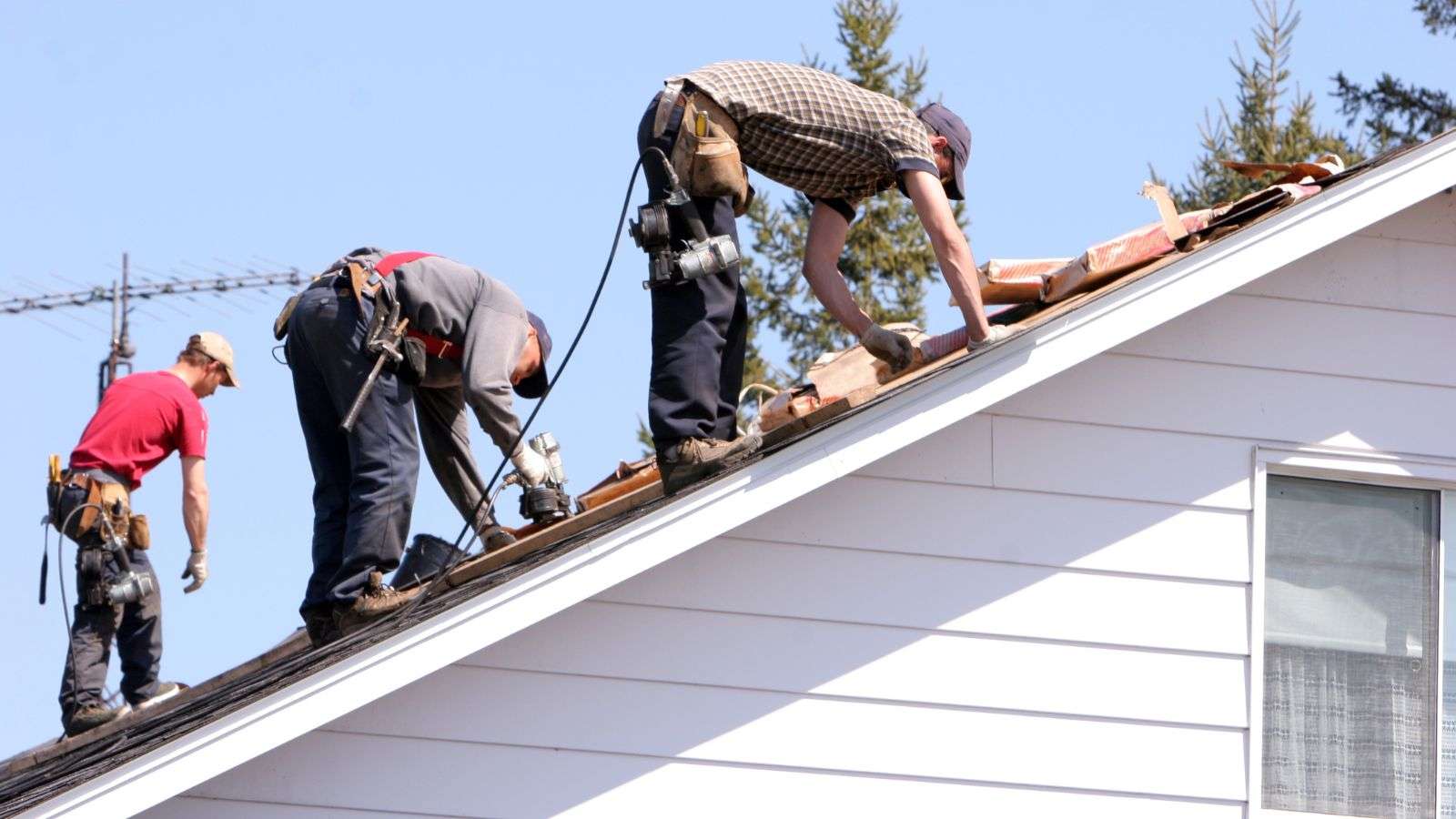
Navigating property maintenance can often put homeowners at a crossroads, especially when it comes to roof replacement versus continuous depreciation. The decisions involve understanding not just the immediate costs but also the long-term effects each choice has on the property value.
In this article, we will explore the multiple cost aspects that highlight how roof replacement stands against continued depreciation in order to provide you with the necessary insight to make a confident decision.
10 Cost aspects showing how roof replacement stands against continued depreciation
1. Material costs
Replacing a roof involves significant material costs. The type of roofing material you choose will determine the overall cost of the replacement. Factors such as durability, energy efficiency, and aesthetic appeal should be considered when selecting the right material for your roof.
2. Labor costs
In addition to material costs, labor costs are a significant aspect of roof replacement. Hiring professional roofers ensures that the job is done correctly and efficiently. It’s best to obtain multiple quotes and compare them to make sure you are getting a fair price for labor.
3. Removal and disposal of old roofing
Before a new roof can be installed, the old roof must be removed and properly disposed of. This process adds to the overall cost of roof replacement. You need to hire professionals who will handle the removal and disposal of the old roofing materials responsibly.
4. Roof size and complexity
The size and complexity of your roof play a significant role in determining the cost of replacement. A larger or more intricate roof will require more materials and labor, resulting in higher costs. Try to accurately measure your roof and consider any unique features or design elements that may impact the complexity of the replacement.
5. Roof pitch
The pitch or slope of your roof can also affect the cost of replacement. Steeper roofs require additional safety precautions and may require more time and effort to complete the installation. As a result, roofs with a steeper pitch often come with a higher price tag.
6. Roofing permits and inspections
Obtaining necessary permits and scheduling inspections is another aspect of roof replacement that should be considered. These requirements vary depending on your location and local building codes. You must budget for any permit fees and factor in the time it takes to obtain the necessary approvals.
7. Additional features or upgrades
If you are considering adding any additional features or upgrades to your new roof, such as skylights or solar panels, it will increase the overall cost of the replacement. These additions can provide long-term benefits and improve the functionality and energy efficiency of your home.
8. Roofing warranty
When replacing your roof, you must take into account the warranties provided by the manufacturer and the roofing contractor. A comprehensive warranty can provide peace of mind and protect your investment in case of any issues or defects.
9. Accessibility
The accessibility of your roof can impact the cost of replacement. If your roof is difficult to access due to its height or location, it may require additional equipment or safety measures, which can increase the overall cost of the project.
10. Local climate considerations
Finally, the climate in your area can influence the cost of roof replacement. Certain roofing materials may be more suitable for specific climates, such as those with extreme heat or heavy rainfall. Considering the local climate can help you choose a roofing material that will withstand the weather conditions and provide long-lasting performance.
Why is roof replacement important?
Roof replacement is important because it helps prevent continued depreciation of your property. A deteriorating roof can lead to various issues, such as leaks, water damage, and structural problems. Over time, these issues can significantly reduce the value of your home and potentially cause more extensive and costly repairs.
By replacing your roof, you make sure your property is protected from the elements, maintains its structural integrity, and preserves its overall value. A new roof can improve energy efficiency, enhance curb appeal, and provide peace of mind knowing that your home is well-protected.
Factors influencing the cost of roof replacement
- Roof size and complexity: The size and complexity of your roof will affect the cost of replacement. Larger or more intricate roofs require more materials and labor, resulting in higher costs.
- Roofing material: The type of roofing material you choose will have a significant impact on the cost. Different materials vary in price, durability, and aesthetic appeal.
- Labor costs: Hiring professional roofers to install your new roof adds to the overall cost. Labor costs can vary depending on the complexity of the job and the expertise of the contractors.
- Removal and disposal of old roofing: Properly removing and disposing of the old roofing materials is an major aspect of roof replacement. This process adds to the overall cost.
- Roof pitch: The pitch or slope of your roof can influence the cost. Steeper roofs may require additional safety precautions and specialized equipment, increasing the overall price.
- Additional features or upgrades: Adding features or upgrades, such as skylights or solar panels, will increase the cost of replacement. These additions provide additional benefits but come with an added expense.
- Local climate considerations: The climate in your area can influence the cost. Certain roofing materials may be more suitable for specific climates, providing better durability and protection against weather conditions.
- Accessibility: The accessibility of your roof affects the cost. If the roof is difficult to access, it may require additional equipment or safety measures, increasing the overall price.
- Roofing permits and inspections: Obtaining necessary permits and scheduling inspections can add to the cost. You need to budget for any permit fees and factor in the time required for these processes.
- Warranty for roofing: It’s crucial to take into account the warranties that the manufacturer and roofing contractor offer. A comprehensive warranty can provide peace of mind and protect your investment in case of any issues or defects.
Understanding continuous depreciation and its impact on your property value
Continuous depreciation refers to the gradual decrease in the value of a property over time. This decline can occur due to various factors, such as wear and tear, aging infrastructure, outdated design, or lack of maintenance. Continuous depreciation can have a significant impact on your property value, affecting its marketability and potential resale price.
A property that shows signs of continuous depreciation may be perceived as less desirable by potential buyers or investors. The presence of issues like a deteriorating roof, outdated systems, or structural problems can deter buyers and lead to lower offers. Regular maintenance, repairs, and renovations can help mitigate the effects of continuous depreciation and preserve or enhance the value of your property.
How does roof condition affect depreciation?
A well-maintained and structurally sound roof can help preserve the value of a property, while a deteriorating or damaged roof can significantly contribute to its depreciation. A roof in poor condition can lead to water leaks, structural damage, and potential safety hazards. These issues not only affect the aesthetics of the property but also require costly repairs or replacements.
A damaged roof may indicate a lack of maintenance or neglect, which can negatively impact the perceived value of the entire property. On the other hand, a new or well-maintained roof can provide peace of mind to prospective buyers or appraisers, assuring them that the property is in good condition and reducing the risk of future expenses. Therefore, maintaining a roof in good condition is essential to minimizing depreciation and protecting the overall value of a property.
A comparative analysis of roof replacement materials
| Roof Replacement Material | Cost Estimation (2000 ft2) |
|---|---|
| Asphalt Shingles | $4,000 – $8,000 |
| Metal Roofing | $10,000 – $20,000 |
| Clay Tiles | $15,000 – $30,000 |
| Slate Tiles | $20,000 – $40,000 |
| Wood Shakes | $12,000 to $25,000 |
When comparing roof replacement materials for a 2000 ft² roof, several options stand out. Asphalt shingles are the most popular choice due to their affordability, with estimated costs ranging from $4,000 to $8,000. Metal roofing provides durability and longevity, but it comes at a higher price, with estimates ranging from $10,000 to $20,000. Clay tiles offer an attractive and durable option, but their cost is higher, ranging from $15,000 to $30,000. Slate tiles provide a luxurious and long-lasting option but come with a higher price tag of $20,000 to $40,000. Wood shakes offer a natural and rustic look but fall within the mid-range in terms of cost, ranging from $12,000 to $25,000.
Signs you need a roof replacement instead of repair
- Multiple leaks: If your roof has multiple leaks that are persistent and recurring, it may be a sign that a roof replacement is necessary rather than just repairs.
- Extensive damage: If your roof has extensive damage, such as missing or broken shingles, widespread rot or decay, or sagging areas, it may be more cost-effective to replace the entire roof rather than trying to patch up individual areas.
- Age of the roof: If your roof is reaching the end of its expected lifespan, typically around 20-25 years for asphalt shingles, it may be a good time to consider a replacement rather than investing in further repairs.
- Mold or mildew growth: If you notice the presence of mold or mildew on your roof, it can indicate underlying moisture issues. In some cases, a replacement may be necessary to address the root cause and prevent further growth.
- Interior damage: If you observe signs of water damage on your ceilings or walls, such as stains or peeling paint, it could be an indication that your roof is no longer effectively protecting your home from water infiltration. A replacement may be needed to provide proper protection.
- Frequent repairs: If you find yourself constantly needing to repair various parts of your roof, the cumulative cost of repairs may make a replacement more economical in the long run.
- Energy efficiency concerns: If your energy bills have been consistently high and your roof lacks proper insulation or ventilation, a replacement can help improve energy efficiency and reduce long-term costs.
- Structural issues: If your roof’s structure shows signs of significant damage or deterioration, such as sagging or bowing, it may be necessary to replace the entire roof to ensure structural integrity.
- Hail or storm damage: If your roof has sustained severe damage from hail, strong winds, or other extreme weather conditions, a replacement may be required to restore its functionality and protect your home adequately.
- Roofing material compatibility: If you have made changes to your home’s structure or plan to switch to a different roofing material, it may be necessary to replace the roof to maintain compatibility and proper installation.
The financial implications of choosing between roof replacement and continuous depreciation
Opting for roof replacement allows you to address the deteriorating condition of your roof and prevent further depreciation of your property. While roof replacement involves an upfront cost, it can help maintain or even enhance the value of your property in the long run. A new roof improves the marketability of your home, increases its curb appeal, and provides assurance to potential buyers or appraisers that the property is well-maintained.
On the other hand, opting to ignore roof issues and allowing continuous depreciation can have adverse financial consequences. Deteriorating roofs can lead to more extensive damage, such as leaks, water damage, or structural issues, which may require costly repairs or even a full roof replacement down the line.
Moreover, a property with a depreciating roof may attract lower offers from potential buyers due to perceived risks and additional expenses they may have to incur.
How to budget for roof replacement and minimize depreciation
- Assess your roof: Start by assessing the current condition of your roof to determine if replacement is necessary. Look for signs of damage, such as leaks, missing or damaged shingles, or sagging areas.
- Get multiple quotes: Obtain quotes from reputable roofing contractors to get an accurate estimate of the cost of roof replacement. Compare the quotes and consider factors such as the quality of materials, labor costs, and warranties offered.
- Plan ahead: Budgeting for roof replacement requires careful planning. Consider the expected lifespan of your current roof and set aside funds accordingly. If your roof is nearing the end of its lifespan, start saving early to avoid financial strain.
- Research financing options: Explore financing options if you need assistance with funding the roof replacement. Look for low-interest loans, home equity lines of credit, or other financing programs specifically designed for home improvement projects.
- Consider long-term benefits: While roof replacement may come with an upfront cost, consider the long-term benefits it provides. A new roof can improve energy efficiency, increase property value, and minimize future maintenance expenses.
- Regular maintenance: Implement a regular maintenance routine to extend the lifespan of your new roof and minimize depreciation. Schedule periodic inspections, clean gutters, and address any minor issues promptly to prevent them from escalating into major problems.
- Choose quality materials: Select high-quality roofing materials that offer durability and longevity. Investing in premium materials may have a higher upfront cost but it can save you money in the long run by reducing the need for frequent repairs or premature replacement.
- Work with professionals: Hire experienced and reputable roofing contractors who can provide expert advice, quality installation, and reliable warranties. Working with professionals makes sure the replacement is done correctly and minimizes the risk of future problems.
- Consider insurance coverage. Check if your homeowner’s insurance policy covers roof replacement due to specific reasons such as storm damage or natural disasters. Understanding your coverage can help reduce out-of-pocket expenses.
- Keep records: Keep records of all expenses related to your roof replacement, including invoices, warranties, and maintenance records. These records can be useful for insurance claims, potential buyers, or future reference.
The role of maintenance in prolonging roof life and reducing depreciation
Regular maintenance helps identify and address small issues before they escalate into significant problems. By conducting routine inspections, cleaning gutters, and removing debris, homeowners can prevent the buildup of moisture, which can lead to mold, rot, and deterioration of roofing materials.
Timely repairs, such as fixing leaks or replacing damaged shingles, prevent further damage to the roof and underlying structures. Proper maintenance also includes ensuring adequate ventilation and insulation to regulate temperature and reduce stress on the roof.
By implementing a proactive maintenance plan and addressing issues promptly, homeowners can extend the lifespan of their roof, enhance its performance, and minimize depreciation.
Long-term benefits and risks of roof replacement vs continuous depreciation
Long-term benefits of roof replacement
- Enhanced property value: A new roof can increase the value and appeal of your property, making it more attractive to potential buyers or investors.
- Improved energy efficiency: Upgrading to energy-efficient roofing materials and proper insulation can help reduce heating and cooling costs over time.
- Enhanced curb appeal: A new roof can significantly improve the overall appearance of your home, boosting its curb appeal and making a positive impression.
- Increased durability and protection: Replacing an aging or deteriorating roof ensures that your property is adequately protected from leaks, water damage, and structural issues.
- Peace of mind: A new roof provides peace of mind, knowing that your home is secure and less likely to experience major roofing issues in the near future.
Risks of continuous depreciation
- Decreased property value: Continuous depreciation can lower the value of your property over time, making it less desirable to potential buyers or investors.
- Higher maintenance costs: Ignoring roof issues can result in more extensive damage that requires costly repairs or even a complete roof replacement in the future.
- Potential structural damage: A deteriorating roof can lead to structural issues, compromising the integrity of your home and requiring costly repairs or renovations.
- Increased risk of water damage: Leaks and water penetration resulting from a depreciating roof can cause damage to ceilings, walls, insulation, and electrical systems, leading to further expenses.
- Limited marketability: A property with a visibly deteriorating roof may have limited market appeal, attracting fewer buyers and potentially resulting in longer selling times.
Rooftop decisions: Replacement or accepting depreciation?
If you want to maximize the value of your property and maintain its appeal in the real estate market, then choosing roof replacement over accepting depreciation is the right decision.
If you want to make sure the long-term durability and protection of your home, then opting for roof replacement is the way to go.
If you want to avoid potential structural damage that can lead to costly repairs or renovations, then investing in a new roof is essential.
If you want to improve the energy efficiency of your home and reduce long-term costs, then replacing your roof with energy-efficient materials is a wise choice.
If you want to enhance the curb appeal of your property and make a positive impression on potential buyers or investors, then a new roof will greatly contribute to achieving that goal.
If you want peace of mind, knowing that your home is secure and less likely to experience major roofing issues in the near future, then replacing your roof is the best course of action.
If you want to avoid higher maintenance costs associated with continuous depreciation, such as frequent repairs or potential water damage, then opting for roof replacement is the smart financial choice.
If you want to increase the marketability of your property and attract a wider pool of potential buyers, then a well-maintained roof will significantly improve its market appeal.