
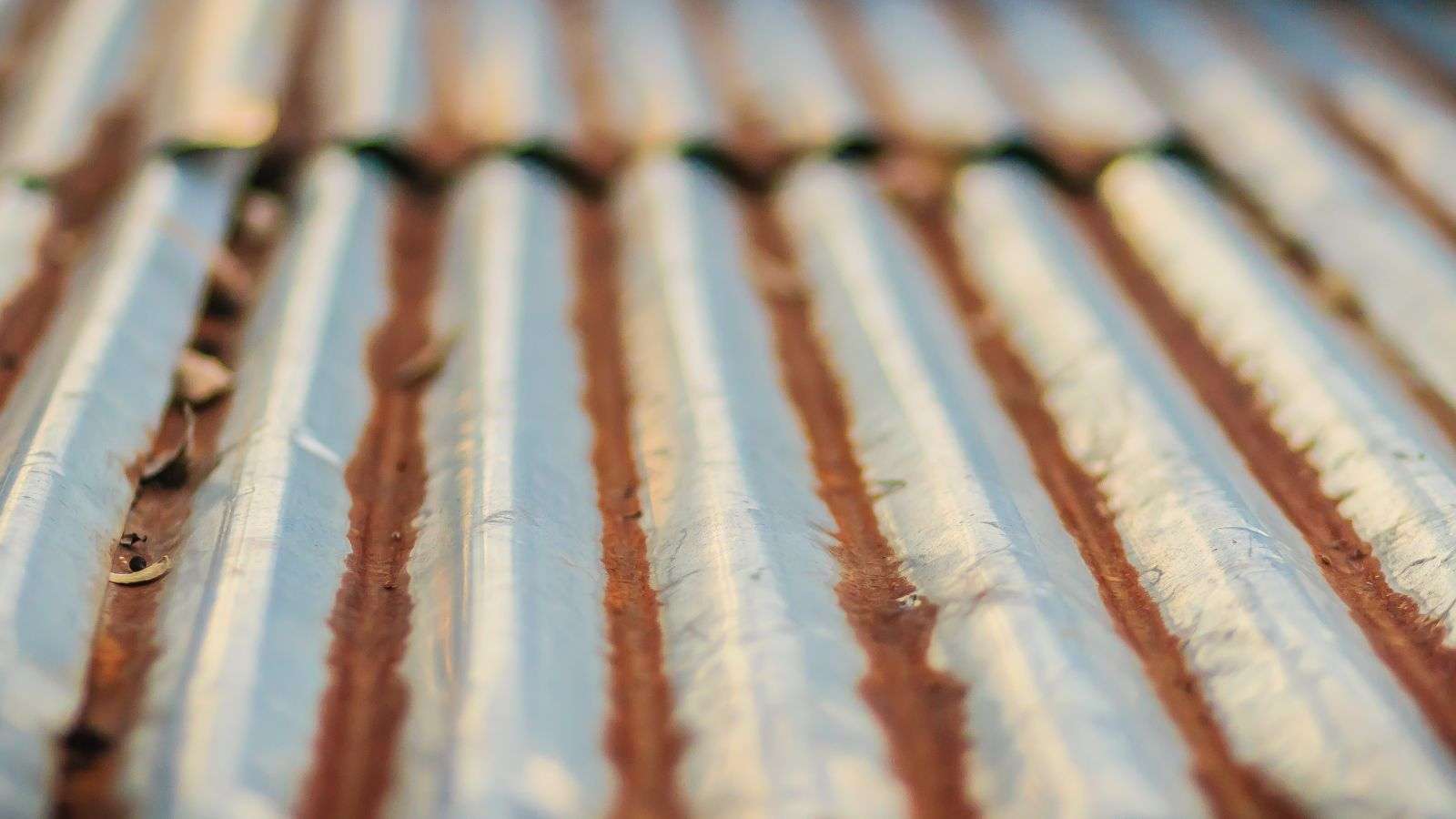
Rust can be a silent destroyer, costing homeowners significantly due to metal roof depreciation. Understanding its effects not only helps in maintaining the aesthetic appeal of our homes but also enables proactive measures for better roof longevity.
In this article, we will examine the connection between rust and roof depreciation, including a deep dive into the shocking ways rust influences this depreciation.
5 Shocking ways rust affects metal roof depreciation
1. Rust accelerates corrosion process
Rust can have a significant impact on the depreciation of metal roofs. It accelerates the corrosion process, leading to structural damage and reducing the lifespan of the roof. To minimize the effects of rust, you have to regularly inspect and maintain your metal roof. Applying a protective coating can also help prevent rust formation and extend the longevity of your roof.
2. Decreases aesthetic appeal
Rust not only affects the functionality of a metal roof but also diminishes its visual appeal. The presence of rust stains and discoloration can detract from the overall appearance of your property. To address this issue, it is recommended to clean and treat any rusted areas promptly. Regular cleaning and applying a rust inhibitor can help maintain the aesthetic appeal of your metal roof.
3. Compromises structural integrity
Rust weakens the structural integrity of a metal roof over time. It can cause structural components to deteriorate, leading to potential leaks, sagging, or even collapse if left unaddressed. It is essential to address rusted areas promptly and repair or replace any damaged sections to maintain the long-term stability and safety of your metal roof.
4. Increases maintenance costs
The presence of rust on a metal roof often leads to increased maintenance costs. Regular inspections, repairs, and treatments are necessary to prevent further corrosion and maintain the roof’s integrity. Investing in proactive maintenance measures can help reduce long-term expenses associated with rust-related damage.
5. Reduces property value
Rust on a metal roof can negatively impact the value of your property. Potential buyers may perceive a rusted roof as a sign of neglect or poor maintenance, which can affect their willingness to pay a fair price. Taking proactive steps to address rust issues and maintain the condition of your metal roof can help preserve or even increase your property’s value.
The relationship between rust and metal roofs
Rust and metal roofs have a complex relationship. Rust, which is the result of the oxidation process of iron or steel when exposed to oxygen and moisture, can significantly affect the condition and longevity of a metal roof. When rust forms on a metal roof, it accelerates the corrosion process, compromising the structural integrity of the roof over time. This can lead to leaks, sagging, and even collapse if left untreated. Moreover, rust stains and discoloration diminish the aesthetic appeal of the roof, potentially impacting the overall value of the property. To mitigate the effects of rust, regular inspection, maintenance, and prompt repairs are essential. Applying protective coatings and rust inhibitors can help prevent rust formation and extend the lifespan of the metal roof.
The chemistry behind rust formation
Rust formation is a chemical process that occurs when iron or steel, which are commonly used in metal roofs, reacts with oxygen and water. The process is known as oxidation. When the metal is exposed to moisture, it reacts with oxygen in the air to form iron oxide, commonly known as rust. This reaction involves the transfer of electrons from the iron atoms to the oxygen molecules, resulting in the formation of iron oxide compounds.
The presence of moisture is crucial for rust formation as it facilitates the movement of ions and electrons, promoting the corrosion process. The reaction is further accelerated in the presence of salt or other corrosive substances. Over time, rust weakens the structure of the metal roof, leading to damage and deterioration.
Identifying early signs of rust on metal roofs
- Discoloration: Look for any patches or areas on the metal roof that appear darker or discolored compared to the rest of the surface.
- Bubbling or peeling paint: If the paint on the metal roof starts to bubble or peel, it may indicate rust forming underneath.
- Reddish or orange stains: Rust often leaves behind reddish or orange stains on the metal surface, which can be an early sign of corrosion.
- Formation of small pits: Inspect the metal roof closely for the presence of small pits or indentations, as these can be indications of rust eating away at the surface.
- Visible rust spots: Look for any visible spots of rust on the metal roof, especially around seams, joints, or areas where water tends to accumulate.
- Changes in texture: Pay attention to any changes in the texture of the metal roof. Rough patches or roughness in specific areas can suggest the presence of rust.
- Presence of rust dust: Keep an eye out for any fine reddish-brown dust or particles accumulating on the metal roof or in gutters, as this can be a sign of rust particles being shed from the surface.
- Water stains or leaks: Rust can lead to water leaks through the damaged areas on the metal roof. Look for water stains or signs of water infiltration inside the building.
- Sagging or deformation: If sections of the metal roof appear to be sagging or deformed, it may indicate severe rust-related damage compromising the structural integrity.
How rust influences the lifespan of a metal roof
Rust significantly influences the lifespan of a metal roof, often reducing its longevity. As rust develops and spreads on the metal surface, it gradually weakens the structural integrity of the roof. The corrosion process causes the metal to deteriorate, leading to compromised strength and durability.
Over time, rust can eat away at the metal, forming holes, pits, or thinning sections, which can result in leaks and further damage to the roof structure. Rust stains and discoloration can diminish the aesthetic appeal of the roof. If left unaddressed, the accumulated effects of rust can lead to the premature failure of the metal roof, requiring costly repairs or even complete replacement.
Regular maintenance, prompt repairs, and implementing preventive measures such as applying protective coatings or utilizing corrosion-resistant materials can help minimize the impact of rust and prolong the lifespan of a metal roof.
Financial implications: The cost of roof depreciation due to rust
The cost of repairing or replacing a metal roof affected by rust can vary depending on various factors, such as the extent of rust damage, the size of the roof, the type of metal used, and the complexity of the roof design. Here are some estimated costs for different scenarios:
- Minor rust repair: If the rust damage is minimal and confined to a small area, the cost of repairs can range from $200 to $500. This may involve cleaning and treating the rusted area, applying a rust inhibitor, and repainting.
- Localized rust repair: For localized rust damage covering a larger section of the roof, the cost can range from $500 to $1500. This may include removing the rusted metal, repairing or replacing damaged sections, and applying protective coatings.
- Extensive rust repair: If rust has spread across a significant portion of the roof, repairs can be more extensive and costly. The cost may range from $1500 to $5000 or more, depending on the extent of the damage. This may involve removing and replacing large sections of the roof, treating underlying structural issues, and applying protective coatings.
- Complete roof replacement: In severe cases where rust has extensively damaged the entire metal roof, a complete replacement may be necessary. The cost can vary widely based on factors such as roof size, metal type, and complexity. On average, a full metal roof replacement can range from $8000 to $20,000 or more.
Proactive measures to prevent rust on metal roofs
- Regular inspections: Conduct regular inspections of the metal roof to identify any signs of rust or areas prone to rust formation.
- Prompt repairs: Address any rust-related issues promptly to prevent further corrosion and damage to the metal roof.
- Cleaning and maintenance: Regularly clean the metal roof to remove dirt, debris, and organic matter that can trap moisture and accelerate rust formation.
- Apply protective coatings: Apply a protective coating specifically designed for metal roofs to create a barrier that prevents moisture and oxygen contact with the metal surface.
- Ensure proper drainage: Make sure the metal roof has proper drainage systems in place to prevent water from pooling and causing rust-prone areas.
- Trim overhanging branches: Trim any overhanging branches near the metal roof to minimize the accumulation of debris and reduce the risk of moisture retention.
- Avoid harsh chemicals: When cleaning or treating the metal roof, avoid using harsh chemicals that can accelerate corrosion. Opt for mild, non-abrasive cleaners recommended for metal surfaces.
- Keep gutters and downspouts clear: Regularly clean and maintain gutters and downspouts to maintain proper water flow and prevent water from backing up onto the metal roof.
- Inspect and maintain flashings: Check flashings around chimneys, vents, and other roof penetrations regularly, ensuring they are securely attached and properly sealed to prevent water intrusion.
- Consider galvanized or corrosion-resistant materials: If installing a new metal roof, consider using galvanized or corrosion-resistant materials that offer enhanced protection against rust formation.
Maintenance tips to slow down metal roof depreciation
- Regular cleaning: Regularly clean the metal roof to remove debris, dirt, and leaves that can trap moisture and accelerate corrosion.
- Gutter maintenance: Keep gutters and downspouts clear of debris to provide proper water drainage and prevent water from backing up onto the roof.
- Trim overhanging branches: Trim any overhanging tree branches that can rub against the metal roof, causing scratches and creating areas prone to rust formation.
- Address leaks promptly: Inspect for and address any leaks promptly to prevent water from seeping into the roof structure and causing further damage.
- Apply protective coatings: Apply protective coatings or paint specifically designed for metal roofs to create a barrier against moisture and UV damage.
- Inspect and maintain flashings: Regularly inspect flashings around chimneys, vents, and other roof penetrations, ensuring they are properly sealed and in good condition.
- Prevent ponding water: Make sure there’s proper roof design and installation to prevent water from pooling on the roof surface, as prolonged ponding can lead to accelerated corrosion.
- Remove snow and ice: In areas prone to winter weather, safely remove accumulated snow and ice from the metal roof to prevent excess weight and potential damage.
- Schedule professional inspections: Consider scheduling professional roof inspections annually or as recommended by a roofing expert to identify any potential issues early on.
- Avoid harsh chemicals: When cleaning or treating the metal roof, use gentle, non-abrasive cleaners and avoid harsh chemicals that can damage the surface or accelerate corrosion.
The role of professional roof inspections
Typically, qualified roofing professionals who have the knowledge and experience to spot potential problems that an untrained eye might miss conduct these inspections. During a professional roof inspection, various aspects of the metal roof are thoroughly assessed, including its overall condition, structural integrity, flashings, seals, and potential rust or corrosion. This helps in detecting early signs of damage, leaks, or areas prone to rust formation.
By identifying these issues early on, homeowners can take timely action to address them, preventing further deterioration and costly repairs down the line. Professional roof inspections provide peace of mind, ensuring that the metal roof is in optimal condition and functioning as intended.
To find local professionals for roof inspections or other big home projects, you can visit our website directory, Big Home Projects.
Evaluating the pros and cons of rust-resistant roofing materials
| Rust-Resistant Roofing Materials | Pros | Cons |
|---|---|---|
| Galvanized Steel | Highly durable and long-lasting relatively low cost Effective rust resistance with zinc coating | Susceptible to scratches and damage to the zinc coating may require periodic maintenance and reapplication of protective coatings |
| Aluminum | lightweight and easy to install Excellent rust resistance long lifespan Recyclable material | higher cost compared to other roofing materials can dent or deform under heavy impact |
| Stainless Steel | exceptional rust resistance high strength and durability Minimal maintenance required long lifespan Fire-resistant | higher cost compared to other metals Limited color options and design flexibility |
| Zinc | Excellent corrosion resistance self-healing properties for minor scratches or damages long lifespan environmentally friendly material | requires periodic maintenance to ensure optimal performance higher initial cost compared to other roofing materials |
- Galvanized steel: This material offers durability, cost-effectiveness, and effective rust resistance. However, it is prone to scratches and may require periodic maintenance.
- Aluminum: It is lightweight, rust-resistant, and has a long lifespan. However, it comes at a higher cost and can be prone to denting or deformation under heavy impact.
- Stainless steel: This material boasts exceptional rust resistance, high strength, and minimal maintenance requirements. However, it has a higher cost and limited design options.
- Zinc: It provides excellent corrosion resistance and self-healing properties for minor damage. While it has a long lifespan, it requires periodic maintenance and comes with a higher initial cost.