
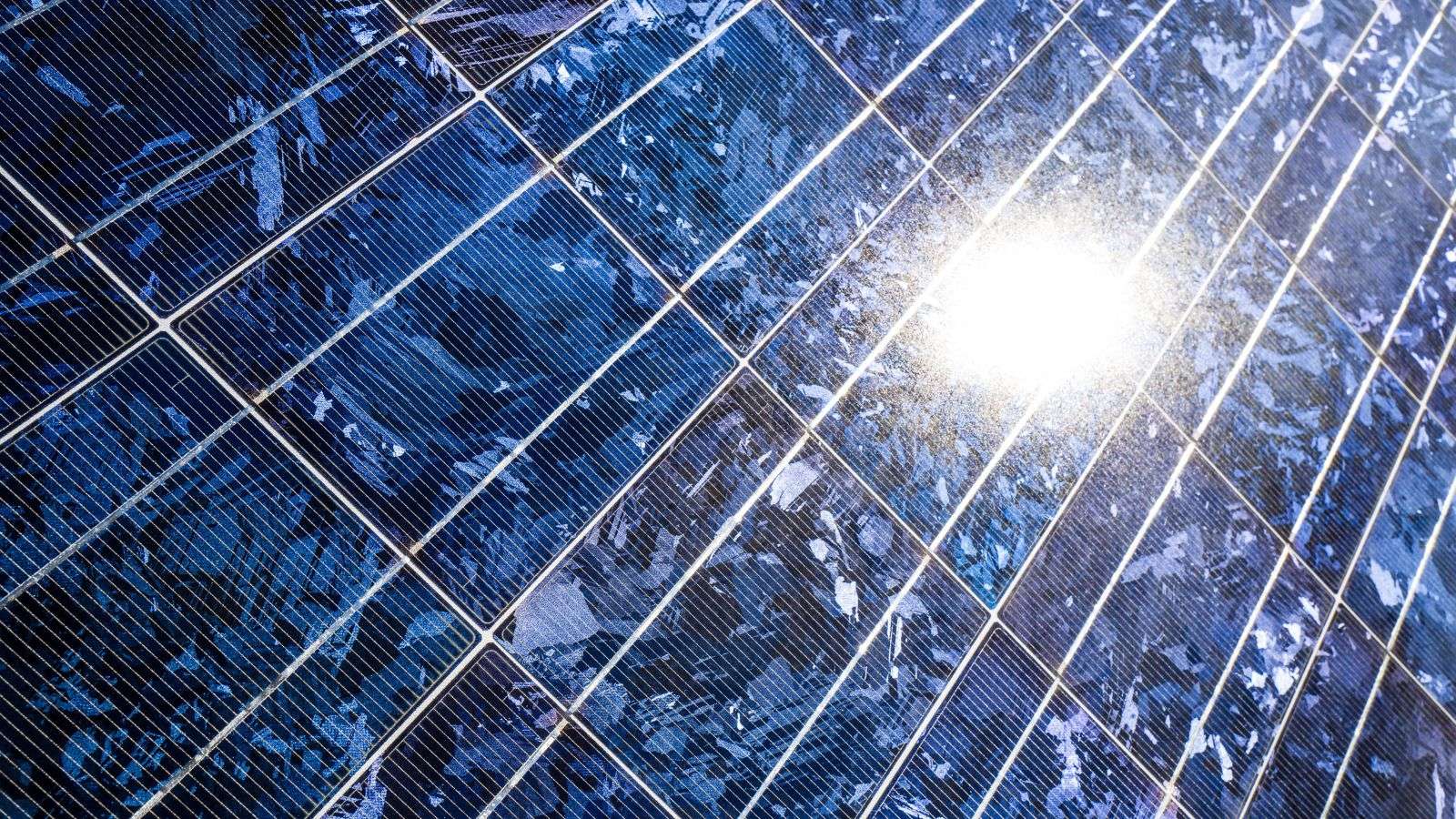
Reflective roof surfaces have gained popularity, offering a smart, eco-friendly, and cost-effective method to counter the depreciation of properties. With the various benefits that can be harnessed, understanding these surfaces is essential for property owners.
In this article, we’ll dive into the aspects of reflective roof surfaces and how they offer long-term benefits in the realm of property maintenance and value preservation.
How do reflective roof surfaces reduce depreciation?
Reflective roof surfaces reduce depreciation by minimizing heat absorption from the sun. When a roof absorbs excessive heat, it can lead to increased wear and tear on the roofing material, causing it to degrade more quickly. However, reflective roof surfaces have the capacity to reflect a sizable amount of sunlight, reducing the amount of heat that the roof absorbs.
By minimizing heat absorption, reflective roofs can help to lower the temperature of the building’s interior, reducing the strain on cooling systems and extending their lifespan. The reduced heat absorption can prevent thermal expansion and contraction of the roofing material, which can further contribute to its durability and longevity.
7 Long-term benefits of using reflective roof surfaces
1. Energy savings
Using reflective roof surfaces can lead to long-term energy savings. By reflecting a significant amount of sunlight, these roofs help reduce heat absorption into the building, resulting in lower cooling needs. This can translate into reduced electricity usage and lower energy bills. To maximize energy savings, you have to choose high-quality reflective roofing materials and ensure proper installation to optimize their reflective properties.
2. Extended roof lifespan
Reflective roof surfaces can contribute to extending the lifespan of a roof. By reducing heat absorption, these roofs help minimize thermal stress on the roofing material, preventing premature aging, deterioration, and potential damage. Regular maintenance, including inspections and cleaning, is essential to keep the reflective surface in good condition and maintain its long-term effectiveness in preserving the roof’s integrity.
3. Improved comfort
Reflective roof surfaces can enhance indoor comfort by reducing heat transfer into the building. This helps maintain cooler indoor temperatures, especially during the hot summer months. Improved comfort levels contribute to a more pleasant living or working environment and can also reduce the reliance on air conditioning systems, ultimately leading to energy savings.
4. Reduced urban heat island effect
The use of reflective roof surfaces can help mitigate the urban heat island effect, where cities experience significantly higher temperatures compared to surrounding rural areas. By reflecting sunlight instead of absorbing it, these roofs contribute to reducing the overall heat buildup in urban areas, thereby helping to create a more comfortable and sustainable living environment.
5. Environmental benefits
Reflective roof surfaces have positive environmental impacts. By lowering cooling needs and reducing energy consumption, they contribute to a decrease in greenhouse gas emissions associated with energy production. These roofs can help reduce the demand for new roofing materials and the waste generated from roof replacements, promoting sustainability and resource conservation.
6. Regulatory compliance
In some regions, there are building codes and regulations that require or incentivize the use of reflective roof surfaces. By installing such roofs, property owners can help with compliance with local regulations, potentially avoiding penalties and enjoying any associated benefits or incentives provided by authorities.
7. Enhanced roof aesthetics
Reflective roof surfaces can also enhance the visual appeal of a building. With a variety of colors and finishes available, property owners can choose reflective roofing materials that complement the architectural style and overall design scheme. This not only adds aesthetic value but also contributes to the overall curb appeal and marketability of the property.
The science behind reflective roof surfaces
The science behind reflective roof surfaces lies in the material’s ability to reflect sunlight rather than absorb it. These roofs are typically made with materials that have high solar reflectance and low thermal emittance. Solar reflectance refers to the roof’s ability to reflect sunlight, preventing it from being absorbed and converted into heat. This is achieved through the use of reflective coatings or specially designed materials with light-reflecting properties.
On the other hand, low thermal emittance allows the roof to efficiently radiate any absorbed heat back into the atmosphere, minimizing heat transfer into the building. This combination of high solar reflectance and low thermal emittance helps to reduce the amount of heat that is transferred to the interior of the building, resulting in energy savings, an extended roof lifespan, and improved comfort.
Material options for reflective roof surfaces
- Cool roofs: Cool roofs are designed to have high solar reflectance and thermal emittance. They are typically made with materials such as white or light-colored coatings, tiles, or shingles that reflect a significant amount of sunlight. These roofs help to keep the building cooler by reducing heat absorption and can be beneficial in warm climates or areas with high cooling demands.
- Metal roofs: Metal roofs, particularly those with light colors or reflective coatings, can effectively reflect sunlight. They are highly durable, long-lasting, and provide excellent solar reflectance. Metal roofs are commonly used in commercial and residential buildings and can contribute to energy savings and an extended roof lifespan.
- Single-ply membrane roofs: single-ply membrane roofs, often made of materials like PVC or TPO (thermoplastic olefin), can be manufactured with reflective properties. These roofs are lightweight, flexible, and easy to install. Reflective single-ply membrane roofs are commonly used in commercial buildings and can help reduce heat absorption, lower cooling costs, and increase energy efficiency.
- Tile roofs: Certain types of tiles, such as clay or concrete tiles, can be manufactured with light colors or reflective coatings. These tiles have a natural ability to reflect sunlight and can be an aesthetically pleasing option for residential or commercial buildings. Reflective tile roofs offer durability, longevity, and energy-saving benefits.
- Coatings and paints: Roof coatings and paints specifically formulated with reflective properties can be applied to existing roofs to enhance their solar reflectance. These coatings are typically white or light-colored and can help reduce heat absorption by reflecting sunlight. They provide a cost-effective option for improving the energy efficiency of roofs without the need for a complete roof replacement.
- Green roofs: While not traditionally considered reflective roof surfaces, green roofs consist of vegetation and can provide similar benefits. The plants on the roof absorb sunlight and help reduce heat transfer into the building. Green roofs offer natural insulation, improve air quality, reduce stormwater runoff, and contribute to urban biodiversity.
Financial benefits of using reflective roof surfaces
First of all, these roofs can lead to energy savings by reducing the amount of heat absorbed into the building, thereby lowering cooling needs and decreasing electricity usage. This can result in significant cost reductions in terms of energy bills over the long term.
The extended lifespan of reflective roofs can save money on roof maintenance and replacement expenses. By minimizing heat absorption, these roofs can also contribute to increased durability and reduced thermal stress on the roofing material, potentially lowering the frequency of repairs or replacements.
Furthermore, in some regions, there may be financial incentives or rebates available for installing reflective roof surfaces, further offsetting the initial costs.
Reflective vs. non-reflective roof surfaces
| Reflective Roof Surfaces | Non-Reflective Roof Surfaces | |
|---|---|---|
| Heat Absorption | Reflect a significant amount of sunlight, minimizing heat absorption into the building. | Absorb a significant amount of sunlight, leading to increased heat absorption into the building. |
| Energy Efficiency | Reduce cooling needs, resulting in lower energy consumption and potentially lower utility bills. | Require higher cooling needs, leading to increased energy consumption and potentially higher utility bills. |
| Roof Lifespan | Extended lifespan due to reduced thermal stress on the roofing material. | Shorter lifespan due to increased thermal stress on the roofing material. |
| Indoor Comfort | Help maintain cooler indoor temperatures, improving comfort during hot weather. | May result in higher indoor temperatures, potentially leading to discomfort during hot weather. |
| Environmental Impact | Contribute to energy conservation and reduce greenhouse gas emissions. | Contribute to higher energy consumption and greenhouse gas emissions. |
| Urban Heat Island Effect | Help mitigate the urban heat island effect by reducing heat buildup in urban areas. | Contribute to the urban heat island effect by absorbing and retaining heat in urban areas. |
| Aesthetics | Can offer a variety of colors and finishes, enhancing the visual appeal of the building. | There are limited options for colors and finishes, potentially impacting the overall aesthetics of the building. |
Reflective roof surfaces have clear advantages over non-reflective roof surfaces. They minimize heat absorption, resulting in improved energy efficiency and potential cost savings through reduced cooling needs and lower utility bills.
The extended lifespan of reflective roofs due to reduced thermal stress can also lead to long-term cost savings by reducing maintenance and replacement expenses. Reflective roofs contribute to environmental sustainability by conserving energy and reducing greenhouse gas emissions. They also help mitigate the urban heat island effect, creating a more comfortable living environment in urban areas.
Finally, reflective roofs offer more options in terms of colors and finishes, allowing for enhanced aesthetics and architectural flexibility. Overall, the table highlights the various benefits that reflective roof surfaces can provide compared to non-reflective ones.
How reflective roof surfaces save on utility bills
Reflective roof surfaces can save on utility bills by reducing cooling needs and lowering energy consumption. When sunlight hits a reflective roof, a significant portion of the solar radiation is reflected back into the atmosphere instead of being absorbed into the building.
This reduction in heat absorption helps to keep the building cooler, particularly during hot weather. As a result, the demand for air conditioning or cooling systems is reduced, leading to decreased energy usage and lower electricity bills.
Environmental impacts of reflective roof surfaces
Reflective roof surfaces have positive environmental impacts. By reflecting a significant amount of sunlight, these roofs help to reduce heat absorption into the building, thereby decreasing the demand for cooling systems and lowering energy consumption. This reduction in energy usage leads to a decrease in greenhouse gas emissions associated with electricity production.
Reflective roof surfaces can help mitigate the urban heat island effect by minimizing heat buildup in urban areas. By reducing the overall temperature in cities, they contribute to a more comfortable living environment and reduce the strain on local infrastructure. Furthermore, reflective roof surfaces can promote sustainability by conserving resources.
Relevant building codes and regulations
- Energy codes: energy codes, such as the International Energy Conservation Code (IECC) in the United States, may include provisions related to reflective roof surfaces. These codes often establish minimum requirements for roof solar reflectance and thermal emittance, aiming to promote energy efficiency in buildings.
- Cool roof requirements: Some jurisdictions have specific cool roof requirements in their building codes. These requirements mandate the use of reflective roof surfaces in certain regions or for specific building types. For example, California’s Title 24 Building Energy Efficiency Standards include cool roof requirements for non-residential buildings in certain climate zones.
- Green building certifications: Various green building certification programs, such as LEED (Leadership in Energy and Environmental Design), include criteria for reflective roof surfaces. These certifications encourage the use of cool roofs and offer credits or points for their installation, contributing to the overall sustainability and energy efficiency goals of the building.
- Local ordinances: Local municipalities or jurisdictions may have their own ordinances or regulations that require or incentivize the use of reflective roof surfaces. These regulations can vary widely, so you need to consult the specific building codes and ordinances of the relevant area to understand the requirements.
- Utility rebate programs: Some utility companies offer rebate programs to encourage the installation of reflective roof surfaces. These programs provide financial incentives to property owners who install qualifying cool roofs, promoting energy efficiency and reducing peak electricity demand.
Installation and maintenance tips for reflective roof surfaces
- Proper installation: Make sure the reflective roof surface is installed correctly by hiring professional roofing contractors with experience working with reflective materials. Proper installation helps optimize the performance and longevity of the roof.
- Choose high-quality materials. Select high-quality reflective roofing materials to ensure durability and effectiveness. Look for products with a high solar reflectance index (SRI) and verified performance data. Consult with roofing professionals or manufacturers to determine the most suitable materials for your specific needs.
- Regular inspections: Schedule regular inspections of the reflective roof surface to identify any signs of damage, wear, or deterioration. Promptly address any issues to prevent further damage and maintain the effectiveness of the reflective properties.
- Cleaning and maintenance: Keep the reflective surface clean from debris, leaves, dirt, and other contaminants that can reduce its reflectivity. Regularly clean the roof surface using non-abrasive methods recommended by the manufacturer to maintain its reflective properties.
- Avoid foot traffic: Minimize foot traffic on the reflective roof surface as much as possible. Excessive walking or weight on the roof can potentially damage the reflective material, leading to reduced performance and durability.
- Address ponding water: Address any areas of ponding water on the roof surface promptly. Standing water can diminish the reflective properties and potentially lead to additional roof damage or leaks. Proper drainage systems or roof slope adjustments may be necessary to prevent ponding.
- Consider insulation: Adequate insulation beneath the reflective roof surface can help improve energy efficiency by reducing heat transfer from the roof to the interior of the building. Consult with professionals to determine the appropriate insulation requirements for your specific climate and building structure.
- Follow manufacturer guidelines: Adhere to the manufacturer’s guidelines for installation, maintenance, and warranty requirements. Each reflective roofing material may have specific recommendations that should be followed to ensure optimal performance and longevity.
Real-life success stories about examples of reflective roof surfaces impact
- Cool Roof Program in Chicago: The City of Chicago implemented a Cool Roof Program to promote the installation of reflective roof surfaces. The program offered financial incentives and rebates to property owners who installed cool roofs. As a result, numerous buildings, including commercial and residential structures, adopted reflective roof surfaces, leading to energy savings, a reduced urban heat island effect, and improved comfort for occupants.
- Reflective roofing in California schools: Many schools in California have embraced the use of reflective roof surfaces as part of energy efficiency initiatives. For instance, the Los Angeles Unified School District (LAUSD) implemented a district-wide cool roof program, installing reflective roofs on over 700 school buildings. This initiative helped reduce cooling costs, lower energy consumption, and create more comfortable learning environments for students.
- Reflective roofs in commercial buildings: Numerous commercial buildings have experienced positive impacts from installing reflective roof surfaces. One example is Target Corporation, which implemented cool roofs on their stores across the United States. Target reported energy savings of up to 50% in stores with reflective roofs compared to those without. These savings translated into significant cost reductions and demonstrated the effectiveness of reflective roofs in large-scale commercial settings.
- Reflective roofs on government buildings: Various government agencies have recognized the benefits of reflective roof surfaces. The General Services Administration (GSA) in the United States has implemented cool roof installations on federal buildings nationwide. These projects have contributed to energy savings, reduced greenhouse gas emissions, and helped the government meet sustainability goals.
- Reflective roofing in residential homes: Many homeowners have opted for reflective roof surfaces to improve energy efficiency and reduce cooling costs. For instance, a study by the Lawrence Berkeley National Laboratory discovered that reflective roofs in residential homes can reduce cooling energy consumption by up to 20%. Homeowners have reported lower energy bills and increased comfort as a result of installing reflective roof surfaces.
Are reflective roof surfaces the right choice for your property?
- If your property is located in a warm or hot climate with significant sun exposure, then reflective roof surfaces may be the right choice. The high solar reflectance of these roofs can help reduce heat absorption into the building, keeping indoor temperatures lower and potentially decreasing cooling costs. In warm climates, the energy-saving benefits of reflective roofs are particularly advantageous.
- If your property experiences high cooling demands and you are looking to reduce energy consumption, then reflective roof surfaces could be the right choice. By minimizing heat absorption, these roofs can lower the workload on cooling systems, leading to decreased energy usage and potentially lower utility bills. If energy efficiency and cost savings are priorities for your property, reflective roof surfaces may align with your goals.
- If your property is subject to building codes or regulations that incentivize or require the use of reflective roof surfaces, then opting for such roofs is likely the right choice. Compliance with local regulations and energy codes is crucial, and many jurisdictions have specific requirements related to cool roofs. Choosing reflective surfaces can help guarantee adherence to these regulations and potentially qualify for any associated incentives or rebates.
- If your property requires roof replacement or installation and you prioritize durability and extended lifespan, then reflective roof surfaces may be the right choice. The reduced thermal stress on the roofing material can contribute to a longer roof lifespan, potentially reducing maintenance and replacement expenses over time. If longevity and minimal maintenance are important factors for your property, reflective roofs offer compelling benefits.
- If you are aiming to contribute to environmental sustainability and reduce greenhouse gas emissions, then choosing reflective roof surfaces aligns with these goals. Reflective roofs help conserve energy, reduce the urban heat island effect, and promote resource conservation. If environmental impact and sustainability are key considerations for your property, reflective surfaces can be a responsible choice.