
Reflective roof coatings have revolutionized how we ensure the durability and longevity of roofs. With advancements in technology, the horizon of possibilities has widened, bringing forth six extraordinary breakthroughs in this field.
In this article, we not only demystify these advancements but also explore how they are influencing the landscape of roofing methods.
Significance of Advancements in Reflective Roof Coatings
Advancements in reflective roof coatings have a significant impact on energy efficiency, cost savings, and environmental sustainability. Lower indoor temperatures and fewer cooling needs result from these coatings’ ability to reflect sunlight and lessen the amount of heat that the roof absorbs.
This translates into substantial energy savings and reduced utility bills for building owners. For example, studies have shown that buildings with reflective roof coatings can experience up to a 20% reduction in cooling energy consumption. Moreover, by reflecting sunlight back into the atmosphere, these coatings help mitigate the urban heat island effect, which is especially needed in densely populated areas.
Reflective roof coatings, which lower ambient temperatures, make it possible to use less air conditioning, which has the side effect of reducing greenhouse gas emissions from energy production. These coatings can extend the lifespan of roofs by protecting them from thermal stress and UV degradation, thereby reducing maintenance costs and the need for premature roof replacement.
In terms of environmental sustainability, the use of reflective roof coatings helps conserve resources by reducing energy consumption and minimizing waste in landfills.
6 Breakthrough Advancements in Reflective Roof Coatings
1. Enhanced Solar Reflectance Technology
Enhanced solar reflectance technology is a breakthrough advancement in reflective roof coatings that maximizes the ability of roofs to reflect sunlight. This technology incorporates innovative materials and formulations that significantly increase the solar reflectance of the coating. By reflecting more sunlight, buildings with this type of coating experience even greater energy savings and reduced cooling needs. Enhanced solar reflectance technology helps mitigate the urban heat island effect by lowering ambient temperatures to create more comfortable living and working environments.
2. Improved Durability and Longevity
Another breakthrough advancement in reflective roof coatings is the improvement in durability and longevity. These coatings now feature enhanced resistance to weathering, UV radiation, and thermal stress. Manufacturers have developed advanced formulations that guarantee that these coatings maintain their reflective properties over an extended period of time, providing long-lasting energy efficiency benefits. With improved durability, building owners can expect reduced maintenance costs and longer roof lifespans, resulting in significant cost savings over the long run.
3. Advanced Application Techniques
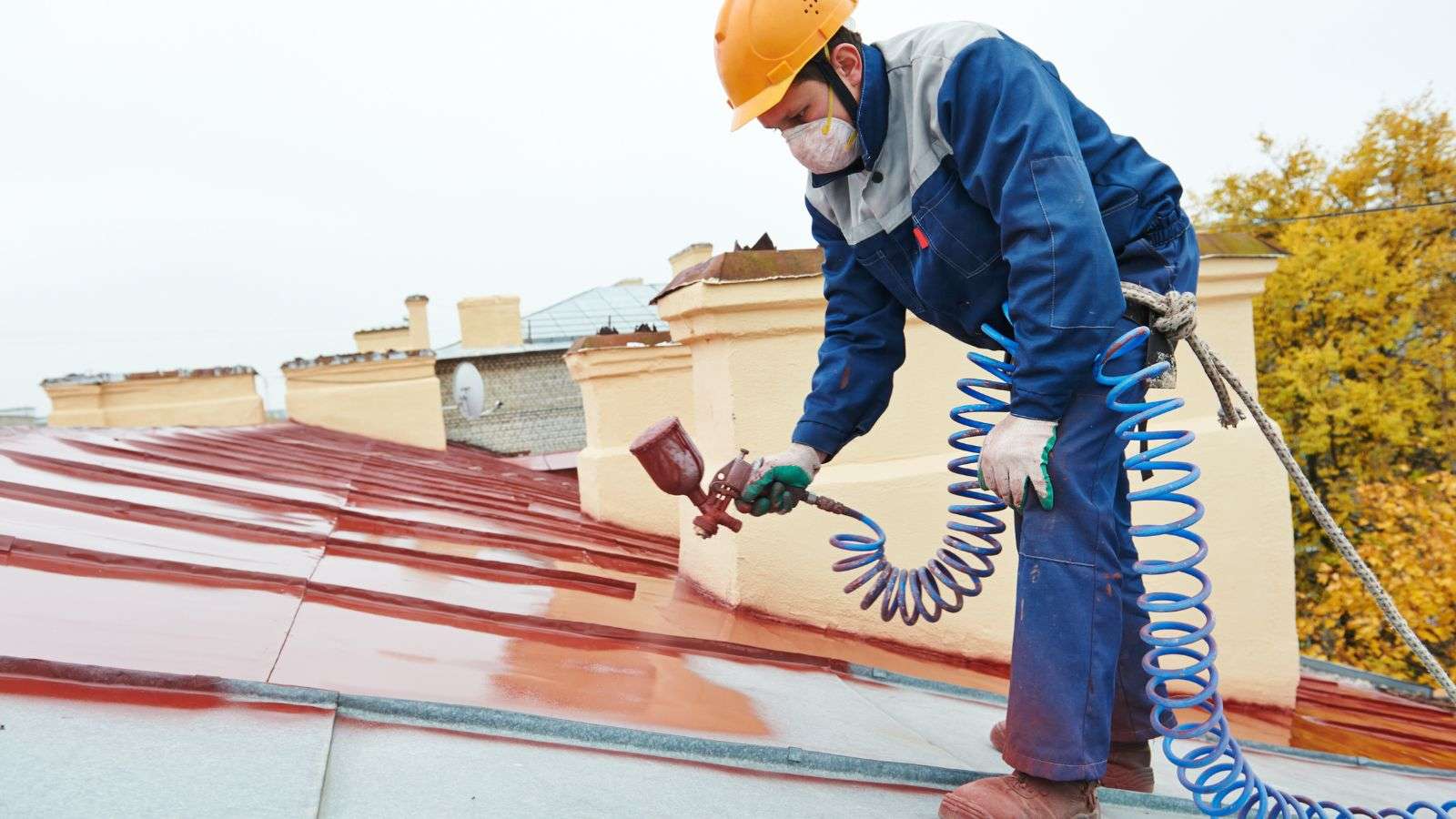
Advancements in reflective roof coatings include the development of advanced application techniques that result in optimal performance and coverage. Manufacturers have introduced innovative methods such as spray application, which allows for precise and even coating distribution on various roof surfaces. These techniques make sure the reflective properties of the coating are fully utilized, maximizing energy efficiency benefits. Building owners can consult with professional contractors experienced in these advanced application techniques to confirm effective and efficient coating installation.
4. Integration with Smart Building Systems
Reflective roof coatings have been integrated with smart building systems, enabling enhanced energy management and efficiency. Through the use of sensors and automation, these systems can monitor and regulate indoor temperature and energy consumption more effectively. The reflective roof coatings work in synergy with these smart systems by reducing heat absorption, thereby optimizing the overall energy performance of the building. This integration allows for dynamic adjustments based on weather conditions and occupancy patterns, ensuring optimal comfort and energy savings.
5. Eco-Friendly Formulations
Advancements in reflective roof coatings also include the development of eco-friendly formulations that prioritize sustainability and reduce environmental impact. Manufacturers are now producing coatings with low volatile organic compound (VOC) content, minimizing air pollution during application. Some coatings incorporate bio-based materials or recycled content, further reducing the carbon footprint associated with their production. These eco-friendly formulations contribute to a more sustainable construction industry by promoting energy efficiency while minimizing harm to the environment.
6. Improved Aesthetics and Design Options
Reflective roof coatings have undergone advancements in aesthetics and design options, providing more choices for building owners. While traditional reflective coatings were limited to lighter colors, modern advancements now offer a broader range of colors and finishes. This allows for greater design flexibility while still providing the energy-saving benefits of reflective coatings. Building owners can choose coatings that complement their architectural style or meet specific branding requirements without compromising on energy efficiency.
Impact of These Advancements on Roof Durability
The advancements in reflective roof coatings have a significant impact on roof durability. These coatings, with their improved formulations and technologies, offer enhanced resistance to weathering, UV radiation, and thermal stress.
By protecting the roof surface from these damaging factors, the coatings help to extend the lifespan of the roof. For example, the advanced durability of these coatings makes sure they maintain their reflective properties over an extended period, providing long-lasting energy efficiency benefits.
This not only saves building owners money on maintenance costs but also reduces the need for premature roof replacement, resulting in further cost savings. Moreover, the improved durability of reflective roof coatings contributes to reducing waste in landfills as fewer roofs need to be replaced.
How These Advancements Affect Roofing Processes
- Streamlined Application Process: The advancements in reflective roof coatings have led to streamlined application processes. With improved application techniques, such as spray application, contractors can achieve more precise and even coating distribution on various roof surfaces. This yields optimal performance and coverage, maximizing the energy efficiency benefits of the coating. For example, the use of advanced application techniques reduces the risk of uneven coating thickness or missed spots, resulting in a more effective and efficient coating installation process.
- Reduced Maintenance Requirements: The improved durability of reflective roof coatings significantly reduces maintenance requirements. These coatings now feature enhanced resistance to weathering, UV radiation, and thermal stress, which minimizes the need for frequent repairs or recoating. As a result, building owners can save both time and money on maintenance processes. For instance, roofs with reflective coatings may require fewer frequent inspections and repairs due to their increased resilience against environmental factors.
- Integration with Existing Roofing Systems: The advancements in reflective roof coatings allow for seamless integration with existing roofing systems. Whether it’s a new construction project or a retrofit application, these coatings can be applied over various roofing materials, including metal, asphalt, or single-ply membranes. This versatility enables building owners to enhance the energy efficiency of their roofs without the need for a complete roof replacement. By integrating with existing roofing systems, the installation process becomes more efficient and cost-effective.
- Improved Roof Lifespan: The advancements in reflective roof coatings contribute to extending the lifespan of roofs. By protecting the roof surface from weathering, UV radiation, and thermal stress, these coatings help prevent premature deterioration and aging. This means that building owners can enjoy a longer service life from their roofs before needing to invest in a costly replacement. For example, a reflective roof coating that provides superior UV resistance can significantly delay the degradation caused by prolonged exposure to the sun’s rays.
- Enhanced Sustainability: The advancements in reflective roof coatings align with sustainable practices in the construction industry. These coatings often feature eco-friendly formulations with low VOC content, reducing air pollution during application. Some coatings incorporate bio-based materials or recycled content, further minimizing their environmental impact. By choosing advanced reflective roof coatings, building owners can contribute to sustainability efforts by reducing energy consumption and minimizing waste.
- Greater Design Flexibility: The advancements in reflective roof coatings offer greater design flexibility for building owners. While traditional reflective coatings were limited to lighter colors, modern advancements now provide a broader range of colors and finishes. This allows building owners to choose coatings that complement their architectural style or meet specific branding requirements without compromising energy efficiency. For instance, a reflective roof coating that matches the desired aesthetic of a building can enhance its visual appeal while providing energy-saving benefits.
Choosing Reflective Coatings: Leveraging Advancements
When choosing reflective coatings for roofs, leveraging the advancements in this technology can offer several benefits. Building owners can consider enhanced solar reflectance technology, improved durability, advanced application techniques, integration with smart building systems, eco-friendly formulations, and greater design flexibility.
Choosing coatings that incorporate these innovations allows building owners to maximize energy efficiency, decrease cooling needs, increase roof lifespan, and help the environment. For example, a building owner can opt for a reflective coating with enhanced solar reflectance technology to achieve higher energy savings. They can also choose a coating with improved durability to minimize maintenance requirements and prolong the lifespan of the roof.
Energy and Cost-Saving Implications of the Advancements
The advancements in reflective roof coatings have significant energy and cost-saving implications. Coatings like these help bring down indoor temperatures by reflecting sunlight and decreasing heat absorption, which in turn lowers cooling needs and energy consumption.
This translates into substantial cost savings on utility bills. For instance, a building with a reflective roof coating can experience up to a 20% reduction in cooling energy consumption. Moreover, the improved durability of these coatings helps extend the lifespan of roofs, reducing maintenance and replacement costs. The integration of smart building systems further optimizes energy management and efficiency, maximizing the energy-saving benefits of reflective coatings.
The Role of These Advancements towards Environmental Responsibility
The development of more effective reflective roof coatings is an important step toward encouraging ecological consciousness. These coatings contribute to reducing energy consumption by reflecting sunlight and minimizing heat absorption, resulting in lower cooling needs and decreased reliance on air conditioning. This reduction in energy usage helps to mitigate greenhouse gas emissions associated with energy production, thereby supporting climate change mitigation efforts.
The improved durability and extended lifespan of reflective coatings reduce the need for premature roof replacement, minimizing waste in landfills. Also, eco-friendly coatings with low volatile organic compound (VOC) levels and bio-based or recycled materials are being made, which makes these coatings even better for the environment.
Challenges and Solutions in Implementing The Advancements
- Initial Cost: One of the challenges in implementing the advancements in reflective roof coatings is the initial cost. While these coatings offer long-term energy and cost savings, the upfront investment can be a barrier for some building owners. Nevertheless, think about the ROI in terms of the roof’s lifetime. Various financial incentives, such as tax credits or utility rebates, may be available to offset the initial costs and make the implementation more financially feasible.
- Compatibility with Existing Roofing Systems: Another challenge can be the compatibility of reflective roof coatings with existing roofing systems. Different types of roofs may require specific coating formulations or preparation methods. Building owners should consult with experienced professionals who can assess compatibility and recommend appropriate solutions. In some cases, additional roof modifications or repairs may be necessary to guarantee effective coating application and long-term performance.
- Maintenance and Recoating: Regular maintenance and periodic recoating are essential for the optimal performance and longevity of reflective roof coatings. This can pose a challenge in terms of scheduling and budgeting for ongoing maintenance. However, building owners can mitigate this challenge by proactively planning and budgeting for routine inspections, cleaning, and recoating as needed. Proper maintenance can help maximize the energy efficiency benefits of the coatings and minimize the need for costly repairs or premature replacement.
- Appropriate Product Selection: Selecting the most suitable reflective roof coating for specific building requirements can be a challenge. Although there is a vast array of options, you should think about things like weather, roof type, aesthetic preferences, and performance needs. Building owners should consult with professionals or rely on expert advice to make certain they choose the right product that meets their specific needs and provides the desired energy-saving benefits.
- Awareness and Education: Lack of awareness and understanding about the benefits and advancements in reflective roof coatings can be a challenge to their widespread implementation. Building owners may not be fully aware of the potential energy savings or the environmental benefits these coatings offer. Increasing awareness through education initiatives, industry collaborations, and the dissemination of case studies can help overcome this challenge and encourage more widespread adoption of these advancements.
Influence of These Advancements on Industry Standards
The advancements in reflective roof coatings have had a significant influence on industry standards, leading to the development of updated guidelines and certifications.
These advancements have prompted industry organizations and regulatory bodies to incorporate new standards that reflect the improved technologies, durability, and sustainability of these coatings. For example, organizations such as the Cool Roof Rating Council (CRRC) have updated their rating system to account for the enhanced solar reflectance and durability of modern coatings.
Building codes and energy efficiency standards have evolved to encourage or mandate the use of reflective roof coatings in certain regions. As a result, these advancements have raised the bar for performance expectations and environmental impact considerations within the roofing industry, ultimately driving the adoption of more sustainable and energy-efficient practices.