
Discovering roaches in one’s home can be alarming and understanding where they enter becomes
a concern. Often, these entry points are concealed and hard to spot.
In this article, we will decipher various concealed roach entry points and offer insights on how to detect and seal them.
7 Surprising Roach Access Points in Your Home
1. Cracks and Crevices
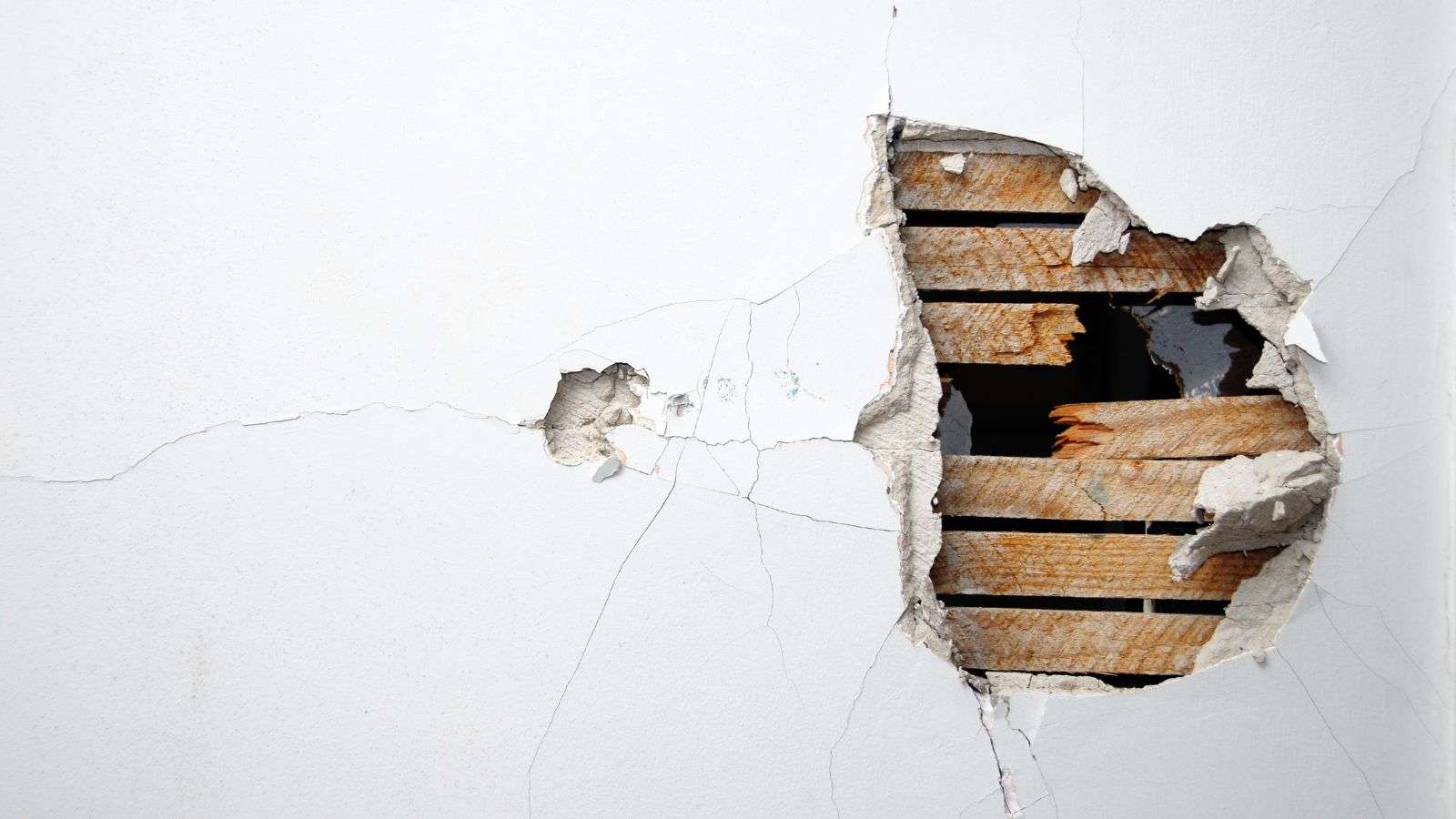
Roaches can squeeze through tiny cracks and crevices in your home, gaining access to areas you might not even be aware of. You have to thoroughly inspect your walls, floors, and baseboards for any openings and seal them properly. Pay attention to areas around pipes, electrical outlets, and vents as well. Using caulk or sealant specifically designed for these purposes can help keep roaches out.
2. Plumbing and Drainage Systems
Roaches are attracted to moisture, making your plumbing and drainage systems potential access points. Inspect your pipes for leaks or drips and make sure that drains are properly sealed. Repair any damaged or faulty plumbing fixtures fast and consider using drain covers to prevent roaches from entering through the drains.
3. Electrical Appliances
Electrical appliances, such as refrigerators, dishwashers, and washing machines, often have small gaps or openings that can serve as entry points for roaches. Regularly check the areas around these appliances for any signs of roach activity and seal any gaps or cracks with appropriate materials. Keeping your appliances clean and free of food debris can help deter roaches from being attracted to them.
4. Firewood and Outdoor Clutter
Roaches can also hitch a ride into your home through firewood or other outdoor clutter that is brought inside. When storing firewood, keep it elevated and away from the exterior walls of your home. Inspect any items that you bring indoors from outside, such as boxes or packages, so that they are free of roaches or their eggs.
5. Pet Food and Water Bowls
Roaches are resourceful pests that can find their way to pet food and water bowls if they are left out overnight. To prevent this, establish a routine of removing any remaining food or water before bedtime. Consider using pet food bowls with a moat design that can deter roaches by creating a barrier of water around the food.
6. Vents and Ducts
Vents and ducts provide an ideal pathway for roaches to move between rooms in your home. Regularly inspect these areas for any signs of roach activity and make sure that they are properly sealed. Cleaning your vents and ducts regularly can also help eliminate potential food sources for roaches.
7. Garbage Areas
Garbage areas, such as trash cans or recycling bins, can attract roaches if not properly managed. Make sure your garbage cans have tight-fitting lids and clean them regularly to remove any food residue. Consider storing outdoor garbage cans away from the exterior walls of your home to minimize the chances of roaches finding their way inside.
Why are some roach entry points hard to find?
Some roach entry points can be hard to find due to several reasons. First, roaches are extremely small and flexible insects that can fit through tiny cracks and crevices, some as narrow as a quarter of their body width. These openings may be hidden in hard-to-reach areas, making them difficult to detect without a thorough inspection.
Second, roaches are nocturnal creatures that prefer to remain hidden during the day, making it challenging to spot them in action. They are skilled at staying out of sight in dark corners, behind appliances, or within wall voids.
Finally, roaches are adept at exploiting various access points that may not be immediately obvious to humans. For example, they can enter homes through gaps around plumbing pipes, electrical outlets, or even hitch a ride on items brought indoors from outside. Therefore, it requires diligent observation and attention to detail to identify these elusive entry points and effectively prevent roach infestations.
How do roaches enter homes?
Roaches can enter homes through multiple avenues. One common method is through cracks and crevices in the walls, floors, or foundation. They have remarkable flexibility and can squeeze through even the tiniest openings. Roaches may also gain access through plumbing and drainage systems, as they are attracted to moisture.
Faulty seals or leaks in pipes provide an entry point for these pests. Roaches can enter homes by hitchhiking on items like firewood, packages, or outdoor clutter that are brought inside. They can also find their way through gaps around electrical appliances or vents.
Another route is through pet food and water bowls left out overnight, as roaches are resourceful scavengers. You have to note that roaches are resilient and can exploit various entry points, making it crucial to address potential access areas to prevent infestations.
What makes an entry point attractive to roaches?
Several factors make an entry point attractive to roaches. First and foremost, roaches are drawn to sources of food. If an entry point provides easy access to food, such as crumbs, spills, or open containers, it becomes highly appealing to these pests.
Roaches are also attracted to moisture, making entry points near water sources like leaky pipes, damp areas, or condensation points more enticing. Roaches seek out dark and secluded areas where they can hide and feel secure. Entry points that lead to undisturbed spaces, such as gaps behind appliances, within wall voids, or in cluttered areas, create suitable habitats for roaches.
Finally, roaches are adept at sensing chemical signals, known as pheromones, left behind by other roaches. If roaches have previously used an entry point, the presence of these pheromones can draw more roaches to the same area. Overall, the combination of available food, moisture, shelter, and chemical signals influences the attractiveness of an entry point to roaches.
How can I detect concealed roach entry points?
Detecting concealed roach entry points requires thorough inspection and attention to detail. Start by examining potential access areas such as cracks, crevices, and gaps in walls, floors, or foundations. Use a flashlight to illuminate dark corners, behind appliances, and within cabinets.
Look for any signs of roach activity, such as droppings, shed skin, or egg casings. Pay close attention to plumbing and drainage systems, checking for leaks or openings around pipes. Inspect vents, ducts, and electrical outlets so that they are properly sealed. Keep an eye on areas where there is outdoor clutter or firewood storage, as roaches can use these as entry points.
Monitor pet food and water bowl areas, as roaches may access your home through these spots. Regular inspection and a keen eye for potential entry points will help you identify concealed areas where roaches may be gaining access to your home.
What are common areas in a home where concealed entry points can be found?
- Baseboards and Wall Gaps: Check for gaps between baseboards and walls, as roaches can enter through small openings or cracks. Inspect these areas thoroughly, especially in kitchens, bathrooms, and other areas with moisture sources.
- Electrical Outlets and Switches: Roaches can squeeze through the gaps around electrical outlets and switches. Just make sure that these are properly sealed with outlet covers or plates to prevent entry.
- Pipes and Plumbing Fixtures: Inspect pipes and plumbing fixtures for any openings or gaps. Roaches can enter through spaces around pipes under sinks, behind toilets, or beneath bathtubs. Use sealant or caulking to close off these entry points.
- Window and Door Frames: Check for gaps or cracks around window and door frames. Roaches can enter through these openings, particularly if they are not properly sealed. Apply weatherstripping or caulk to seal any gaps.
- Cabinets and Cupboards: Examine the areas behind cabinets and cupboards, especially in kitchens and bathrooms. Roaches can enter through small gaps at the back or sides of these structures. Seal any openings and make sure they fit snugly against the wall.
- Attics and Crawlspace Access Points: If your home has an attic or crawlspace, inspect the access points for any gaps or openings. These areas are often dark and secluded, making them attractive to roaches. Seal any potential entry points in these spaces.
- Ceiling Vents: Check the ceiling vents for any gaps or loose covers. Roaches can crawl through these openings and move between rooms. Just make sure that vents are properly sealed and that covers fit tightly.
How do you effectively seal roach entry points?
- Identify the Entry Points: Thoroughly inspect your home to identify the specific areas where roaches are entering. Look for cracks, crevices, gaps, or openings in walls, floors, baseboards, windows, doors, and other potential access points.
- Clean and Prepare the Area: Before sealing the entry points, make sure the area is clean and free from debris or obstructions. Remove any existing roach activity, such as droppings or egg casings, as these can attract more roaches.
- Choose the Right Sealant: Select an appropriate sealant based on the material and location of the entry point. For small cracks or gaps in walls or baseboards, use caulk or sealant designed for indoor use. For outdoor entry points, consider using weather-resistant sealants or materials like silicone.
- Seal the Entry Points: Apply the chosen sealant to close off the entry points. Use a caulk gun or a suitable applicator to ensure precise and even application. Fill in any cracks, gaps, or openings completely to prevent roaches from squeezing through.
- Focus on key areas: Pay special attention to areas where roaches are likely to enter, such as around pipes, electrical outlets, vents, and plumbing fixtures. These are common entry points that may require extra care and sealing.
- Monitor and maintain: Regularly inspect the sealed entry points to ensure their effectiveness. If any new gaps or openings appear, quickly seal them to prevent roaches from re-entering. maintain good hygiene practices and quickly address any sources of food or moisture that may attract roaches.
What are the consequences of not addressing concealed roach entry points?
- Roach Infestation: Not addressing concealed roach entry points can lead to a full-blown roach infestation in your home. Roaches can multiply rapidly, and once they establish a presence, they can be challenging to eradicate. Infestations can cause significant inconvenience, health risks, and damage to property.
- Health risks: Roaches are known carriers of various pathogens and allergens. They can contaminate food, utensils, and surfaces with bacteria, viruses, and allergenic compounds present in their droppings and saliva. Exposure to these contaminants can lead to food poisoning, respiratory issues, allergies, and asthma attacks.
- Unpleasant Odors: Roaches emit a distinctive and unpleasant odor, especially when their population grows. The presence of roaches can result in a persistent, musty smell in the affected areas of your home.
- Damage to Property: Roaches are not just a nuisance; they can also cause damage to your property. They may chew on various materials, such as paper, fabrics, and even electrical wiring, leading to potential fire hazards or costly repairs.
- Negative Impact on Quality of Life: Dealing with a roach infestation can significantly impact your quality of life. The constant presence of roaches can cause stress, anxiety, and discomfort. It may also lead to sleep disturbances, as roaches are nocturnal insects that are most active during the night.
- Difficulty in Eradication: If concealed entry points are not addressed, roaches will continue to have easy access to your home even if you attempt to eliminate them through other means. It is essential to target the root cause by sealing entry points to prevent re-infestation.
Are there professionals who can identify and seal concealed roach entry points?
Yes, there are professionals who specialize in identifying and sealing concealed roach entry points. Pest control companies often offer services to inspect homes for pest infestations, including roaches, and provide effective solutions to seal entry points.
These professionals have the experience, knowledge, and tools to thoroughly assess your home, locate hidden entry points, and recommend appropriate sealing methods. They can also provide guidance on preventive measures to minimize the risk of future infestations.
To find professionals who can assist you with roach entry point identification and sealing, you can visit the website directory for Big Home Projects. This directory lists reputable service providers in various home improvement categories, including pest control, making it easier for you to find qualified professionals in your area.
What preventive measures can be taken to deter roaches from entering my home?
- Maintain Cleanliness: Keep your home clean and free of food debris. Roaches are attracted to food sources, so regular cleaning and proper food storage are essential. Clean up spills quickly, wipe down surfaces, and vacuum regularly to eliminate crumbs and food particles that may attract roaches.
- Seal Entry Points: Thoroughly inspect your home for cracks, gaps, and openings, and seal them appropriately. Use caulk or sealant to close off entry points in walls, floors, baseboards, windows, and doors. Pay attention to areas around pipes, electrical outlets, vents, and plumbing fixtures.
- Eliminate Moisture: Fix any plumbing leaks, drips, or moisture issues in your home. Roaches are attracted to moisture, so ensuring proper drainage, repairing leaks quickly, and using dehumidifiers in damp areas can help deter them.
- Store Food Properly: Keep food stored in airtight containers to prevent roaches from accessing it. This includes pantry items, pet food, and garbage. Avoid leaving open food containers or dirty dishes overnight.
- Reduce Clutter: Declutter your home, as roaches thrive in hidden and undisturbed areas. Minimize clutter in basements, attics, closets, and storage areas to eliminate potential roach hiding spots.
- Regular Inspections: Conduct regular inspections of your home to detect any signs of roach activity or potential entry points. Promptly address any issues or sightings to prevent infestations from becoming established.
- Outdoor Maintenance: Keep outdoor areas tidy and well-maintained. Trim vegetation away from the exterior of your home, as overgrown plants can provide hiding places for roaches. Store firewood away from the house and remove outdoor clutter that may attract roaches.
Are there DIY methods to effectively identify and seal concealed roach entry points?
- Use a Flashlight for Inspection: Perform a thorough inspection of your home using a flashlight to illuminate concealed areas where roaches may enter. Check for cracks, gaps, and openings in walls, floors, baseboards, windows, and doors. Focus on areas near plumbing fixtures, electrical outlets, vents, and other potential entry points.
- Seal with Caulk or Sealant: Once entry points are identified, use caulk or sealant to effectively seal them. Apply the caulk or sealant to fill in cracks, gaps, and openings, ensuring a tight seal to prevent roaches from entering. Pay attention to areas around pipes, electrical outlets, and other potential access points.
- Clean and declutter: Regular cleaning and decluttering can help eliminate potential hiding spots and food sources for roaches. Clean up spills quickly, vacuum regularly, and reduce clutter in areas where roaches may hide.
- Repair Leaks and Moisture Issues: Address any plumbing leaks, drips, or moisture problems in your home. Roaches are attracted to moisture, so repairing leaks and maintaining proper drainage can help deter them from entering.
- Monitor Pet Food and Water: make sure pet food and water bowls are not left out overnight. Implement a routine of removing any remaining food or water before bedtime to prevent roaches from being attracted to these areas.
- Outdoor Maintenance: Keep outdoor areas tidy and well-maintained. Store firewood away from the house and remove outdoor clutter that may attract roaches. Inspect items brought indoors from outside so that they are free of roaches or their eggs.