
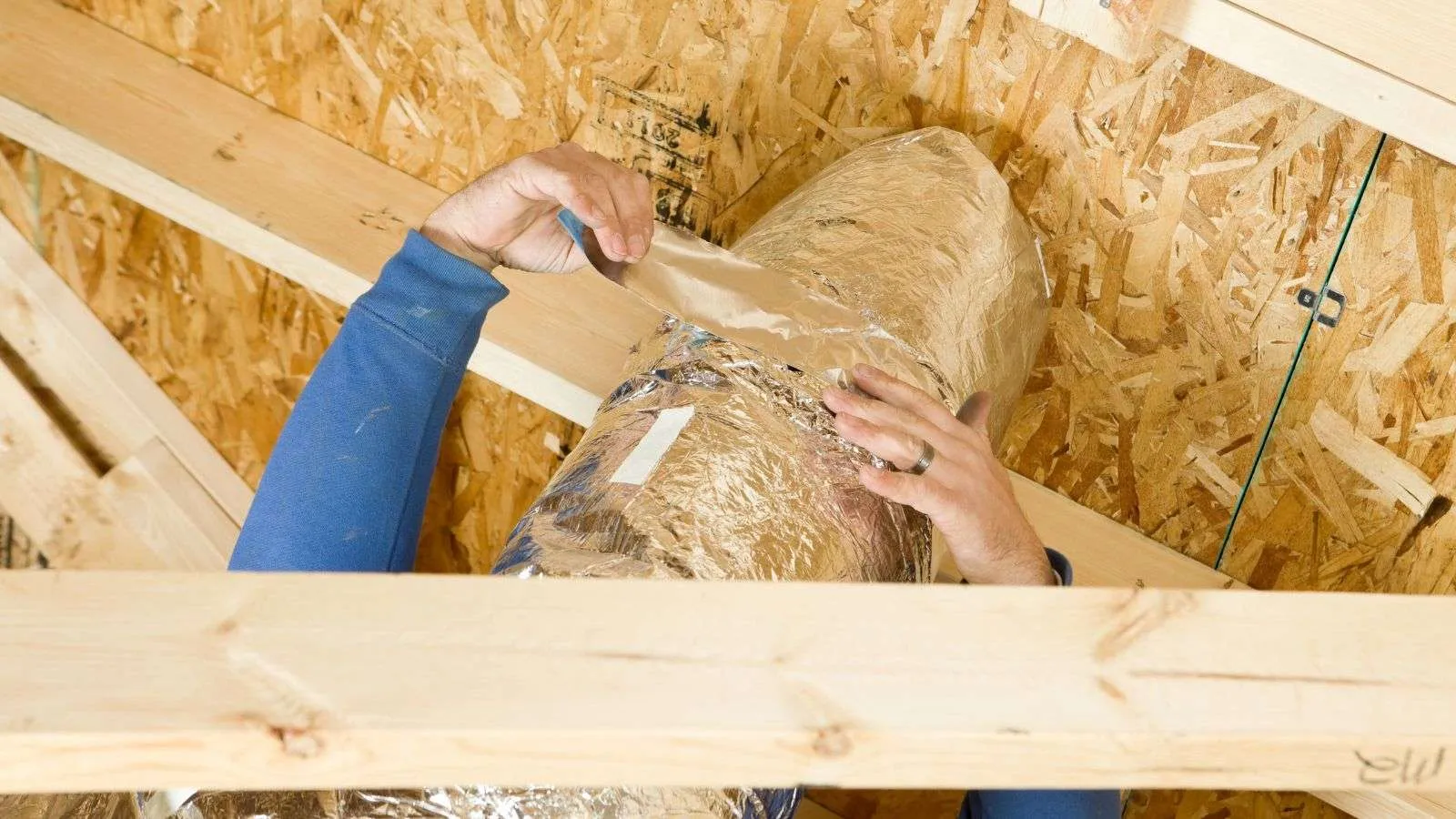
The attic vent, an often overlooked part of the house, can be a significant attraction point for roaches seeking entry. Not properly securing these vents can lead to an unwelcome roach infestation.
In this article, we’ll discuss why roaches are attracted to attic vents and offer the top six preventive measures to keep these pests at bay.
Understanding Roach Attraction to Overlooked Attic Vents
Roaches are attracted to overlooked attic vents due to the warm and dark environment they provide, which is ideal for roaches to thrive and reproduce. The accumulation of debris and moisture in these vents can also serve as a food source for roaches, further encouraging their presence.
The cracks and crevices around attic vents offer roaches easy access into homes, leading to infestations if left unchecked. Roaches are known to be resilient pests capable of surviving in various conditions, making it crucial to address any potential entry points, such as attic vents, to prevent infestations.
Regular inspection and maintenance of attic vents, along with proper ventilation and cleanliness, can help deter roaches from being attracted to these areas.
Top 6 Preventive Measures to Secure Your Attic Vents from Roach Intrusion
1. Seal Cracks and Crevices
Inspect your attic vents for any cracks or crevices that roaches could use as entry points. Use caulk or sealant to fill in these gaps effectively. Pay close attention to the areas around the vents and make sure there is a tight seal to prevent roaches from entering your home.
2. Install Vent Covers
Consider installing vent covers with fine mesh screens to block roaches from entering while still allowing proper ventilation. Make sure the covers are securely attached to the vents to prevent any gaps that pests could exploit.
3. Maintain Cleanliness
Keep your attic clean and free of debris that could attract roaches. Regularly remove clutter, old boxes, and organic materials that provide hiding spots and food sources for these pests. A well-maintained attic is less likely to attract roaches.
4. Use Natural remedies.
Explore natural repellents such as essential oils like peppermint, cedarwood, or eucalyptus to deter roaches from venturing near your attic vents. Place cotton balls soaked in these oils near the vents to create a barrier that repels roaches effectively.
5. Monitor Moisture Levels
Roaches are drawn to moisture, so it’s essential to monitor and control humidity levels in your attic. Use dehumidifiers if needed to keep the area dry, as excessive moisture can attract roaches and other pests.
6. Regular Inspections
Schedule routine inspections of your attic vents to catch any signs of roach activity early on. Look for droppings, shed skins, or eggs near the vents. Promptly address any issues to prevent a full-blown infestation and maintain a roach-free environment in your home.
Why Are Roaches Attracted to Your Attic Vents?
Roaches are attracted to your attic vents primarily due to the warmth, darkness, and moisture often present in these areas, creating an ideal habitat for roaches to thrive. The accumulation of organic matter, such as leaves, debris, or even bird nests near the vents, can serve as food sources for roaches, further drawing them in.
The cracks and openings around attic vents provide easy access points for roaches to enter your home in search of shelter and resources. Once inside, roaches can establish nests and breed rapidly, posing a significant infestation risk if the attraction factors are not addressed right away. Regular maintenance, proper ventilation, and cleanliness are essential in deterring roaches from being attracted to and infesting your attic vents.
Early Signs of Roach Infestation in Your Attic
- Presence of Roach Droppings: Finding small, dark droppings resembling coffee grounds near your attic vents can indicate a roach infestation. These droppings are often found in clusters and are a clear sign of roach activity in your home.
- Musty Odor: A musty or oily smell in your attic area could signal the presence of roaches. Roaches emit a distinct odor that can become noticeable when they infest a space, especially near vents where they are attracted.
- Visible Shed Skins: Discovering shed exoskeletons around your attic vents is a telltale sign of roach infestation. Roaches shed their skins as they grow, leaving behind these remnants as evidence of their presence.
- Nocturnal Noises: Hearing rustling or scratching sounds coming from your attic during the night might indicate roach activity. Roaches are nocturnal creatures and are most active when it is dark, making their presence audible during quiet hours.
- Egg Casings: Stumbling upon small, oval-shaped egg casings near your attic vents can signify a growing roach population. Roaches lay eggs in protected areas, such as near vents, to ensure the survival of their offspring.
- Sightings of Live Roaches: Spotting live roaches crawling around your attic vents is a sure sign of an infestation. Roaches are adept at hiding in dark corners but may venture out in search of food and water, especially during the night.
Essential Measures to Check Your Attic Vents for Roach Presence
- Inspect for Droppings: Begin by examining the area around your attic vents for small, dark droppings that indicate roach activity. Focus on areas where droppings are likely to accumulate, such as near openings or crevices where roaches may hide.
- Check for Egg Casings: Look for small, oval-shaped egg casings near the vents, as roaches tend to lay eggs in secluded spots like these. Identifying these casings can suggest a potential roach infestation in your attic.
- Examine for shed skins: Search for shed exoskeletons of roaches near the vents, which serve as evidence of their presence. These skins are often found in areas where roaches molt as they grow.
- Use Glue Traps: Place glue traps strategically near the attic vents to capture any roaming roaches. Check the traps regularly for trapped insects, providing a visual confirmation of roach presence in the vicinity.
- Set Up Nighttime Observation: Conduct observations during the night near the attic vents to listen for any rustling sounds or spot live roaches in action. Roaches are nocturnal creatures, making nighttime checks crucial for detecting their presence.
Factors that Increase Roach Attraction to Attic Vents
- Presence of Moisture: Roaches are attracted to attic vents with high moisture levels, as it provides them with a water source essential for survival. Leaky vents or condensation buildup can create a damp environment that appeals to roaches seeking moisture.
- Accumulation of Debris: Attic vents surrounded by debris like leaves, dirt, or organic matter can attract roaches by providing hiding spots and potential food sources. These materials create favorable conditions for roaches to nest and thrive near the vents.
- Warm and Dark Environment: The warmth and darkness often found around attic vents create an inviting habitat for roaches to seek shelter and reproduce. Roaches are naturally drawn to secluded, dark areas where they can breed undisturbed.
- Cracks and Crevices: Vents with cracks or openings offer easy entry points for roaches into homes. Roaches can squeeze through tiny gaps to access the interior of the house, making attic vents with these vulnerabilities more attractive to them.
- Lack of Ventilation: Poor ventilation in attic spaces can lead to stagnant air and increased humidity, factors that roaches find appealing. Proper ventilation is the key to deterring roaches from being drawn to the attic vents due to the unfavorable conditions it creates for their survival.
The Role of Attic Vent Maintenance in Preventing Roach Infestation
Regular maintenance of attic vents plays a major role in preventing roach infestations by addressing potential entry points and removing attractants for these pests. Sealing cracks and crevices around vents can help homeowners effectively block roaches’ access to the house, reducing the risk of infestation.
Keeping vents clear of debris and ensuring proper ventilation helps create an inhospitable environment for roaches, deterring them from nesting in the vicinity. Routine inspections and timely repairs of attic vents can help identify and address issues before they escalate into full-blown infestations, ultimately contributing to a roach-free living space.
Health Risks Associated with Roach Infestations in Attics
- Allergies and Asthma: Roaches can trigger allergies and asthma attacks through their droppings and shed skins, which contain allergens that can cause respiratory issues in susceptible individuals. Exposure to roach allergens in attic spaces can worsen existing respiratory conditions or lead to new health problems.
- Spread of Diseases: Roaches are known vectors for diseases such as salmonella, E. coli, and various pathogens that can contaminate surfaces and food in homes. In attic infestations, the presence of roaches increases the risk of disease transmission through contact with their feces or contaminated areas.
- Aggravation of Skin Conditions: Contact with roach excrement or saliva can exacerbate skin conditions like eczema or dermatitis, causing irritation and discomfort. In attic environments where roaches thrive, individuals with sensitive skin may experience heightened skin reactions due to exposure to roach-related substances.
- Worsening Indoor Air Quality: Roach infestations in attics can degrade indoor air quality by releasing airborne particles and allergens that circulate throughout the home. This compromised air quality can affect the health of residents, especially those with respiratory issues or sensitivities.
- Risk of Secondary Infections: Roach infestations in attics can attract other pests like rodents that carry their own set of health risks. The presence of multiple pests in close proximity increases the likelihood of secondary infections or infestations, posing additional health threats to the occupants of the home.
How Regular Cleaning Regimes Can Impact Roach Attraction to Attic Vents
Maintaining regular cleaning regimes can significantly impact roach attraction to attic vents by removing potential food sources, reducing moisture levels, and eliminating hiding spots for these pests. Regular cleaning helps to keep the attic area free of debris, organic matter, and clutter that could attract roaches seeking shelter and food.
Cleaning regularly will also help homeowners address any moisture buildup in and around the vents, making the environment less hospitable for roaches that thrive in damp conditions. Clearing out clutter and maintaining cleanliness in the attic can make it less appealing for roaches to establish nests and breed, ultimately lowering the likelihood of infestations near the vents.
Is Your Attic Vents’ Material Attracting Roaches?
The material of your attic vents can indeed impact roach attraction, with certain materials being more conducive to roach infestation. Porous materials, such as wood or cardboard, can absorb moisture and organic matter, providing roaches with suitable conditions for harborage and feeding.
Roaches may also find it easier to chew through or navigate cracks in certain materials, gaining access to the interior of your home. Opting for vent materials like metal or plastic that are less susceptible to moisture absorption and damage can help reduce roach attraction and potential infestations in your attic vents.
Best Practices for Roach-Proofing Your Attic Vents
- Install Vent Covers: Consider installing vent covers with fine mesh screens to block roaches from entering while still allowing proper ventilation. Securely attach the covers to prevent gaps that pests could exploit, effectively roach-proofing your attic vents.
- Seal Cracks and Crevices: Inspect and seal any cracks or crevices around the attic vents using caulk or sealant to prevent roaches from gaining entry. Pay special attention to areas prone to gaps that could serve as access points for pests.
- Maintain Cleanliness: Keep your attic free of debris, clutter, and organic material that can attract roaches. Regularly clean and declutter the area around the vents to eliminate potential food sources and hiding spots for pests.
- Utilize Natural Repellents: Explore natural repellents like essential oils to deter roaches from venturing near your attic vents. Place cotton balls soaked in oils like peppermint or cedarwood strategically to create a barrier that repels roaches effectively.
- Monitor Moisture Levels: Regularly check and control humidity levels in your attic to prevent creating a damp environment that attracts roaches. Use dehumidifiers if necessary to keep the area dry and unappealing to pests.
- Schedule Regular Inspections: Set up routine inspections of your attic vents to detect any signs of roach activity early on. Look for droppings, shed skins, or eggs near the vents, and take prompt action to prevent infestations before they escalate.