
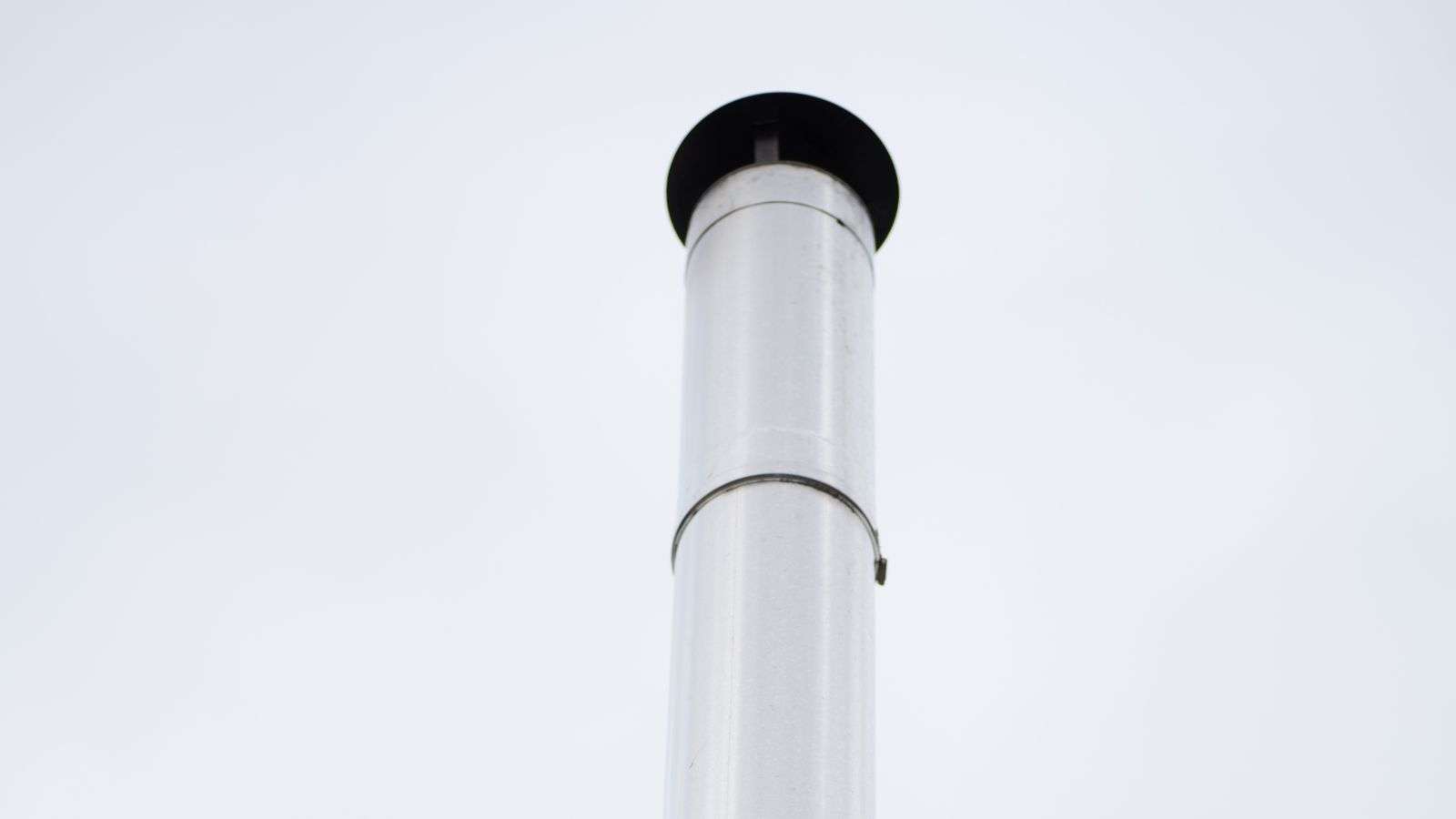
Unused fireplace flues can often become unnoticed gateways for pests, particularly roaches, given the shelter and residual warmth they offer. These hidden passageways provide a prime habitat for roaches, allowing them to multiply unnoticed.
In this article, we uncover effective measures to prevent roaches from taking up residence in your unused fireplace flues.
Understanding the Attraction of Unused Fireplace Flues to Roaches
Unused fireplace flues are attractive to roaches due to their dark, secluded, and warm environment, which mimics their natural habitats in the wild. Roaches are nocturnal creatures that prefer dark and tight spaces where they can hide and breed undisturbed.
Fireplace flues provide an ideal location for roaches to establish colonies, as they offer protection from predators and harsh weather conditions. The warmth radiated from the fireplace also creates a cozy environment for roaches to thrive in.
The accumulation of soot and debris in the flue can serve as a food source for roaches, further enhancing their attraction to this area. Once roaches infest an unused fireplace flue, they can quickly multiply and become a nuisance, requiring prompt and thorough pest control measures to eradicate them effectively.
8 Key Prevention Strategies to Keep Roaches Out of Fireplace Flues
1. Seal Up Entry Points: Eliminate the Welcome Mat
Roaches are master infiltrators, so meticulously sealing any potential entry points is crucial. Inspect the flue damper and surrounding areas for cracks, gaps, or loose mortar. Use caulk or sealant specifically designed for outdoor use to close these openings completely. Pay close attention to areas where pipes or wires enter the flue, as these can create sneaky passageways.
Don’t forget the little things! Even tiny gaps around the fireplace itself can be roach highways. Use weatherstripping or caulk to seal these potential entry points, creating a roach-proof fortress around your fireplace.
2. Deploy the Mesh Defenders: Guarding the Gates
Once you’ve sealed the major gaps, consider adding an extra layer of defense with mesh screens. Install fine mesh wire over the flue damper and any other ventilation openings. Choose a mesh size small enough to block even the tiniest roaches, but ensure it allows proper airflow for your fireplace.
Consider using stainless steel mesh for added durability and resistance to rust. This will help your defenses remain strong for years to come.
3. Declutter the Den: Removing Roach Real Estate
Roaches love clutter, as it provides hiding spots and potential food sources. Regularly remove any debris, leaves, or twigs that may have accumulated in the flue. Keep the area around your fireplace clean and free of crumbs, spills, and pet food. The less attractive your fireplace is, the less likely roaches are to set up camp.
Vacuum the fireplace opening occasionally, paying special attention to crevices and corners where debris might accumulate. This will help eliminate any existing roaches and their eggs, preventing future infestations.
4. Light Up the Night: Shining a Light on Roach Discomfort
Roaches prefer darkness, so strategic lighting can deter them from entering your flue. Install a motion-sensor light near the fireplace opening. The sudden burst of light will startle roaches and discourage them from investigating further.
Consider using outdoor solar lights around your chimney. These provide continuous, eco-friendly illumination that can act as a long-term deterrent to nocturnal roaches.
5. Mint Mania: Nature’s Roach Repellent
The strong scent of mint is a natural roach repellent. Place sachets of dried mint leaves or peppermint oil near the flue opening and around the fireplace. Reapply the oil regularly to maintain its potency.
Boiling peppermint tea and letting the steam waft into the flue can provide a concentrated burst of minty freshness that roaches won’t appreciate.
6. Diatomaceous Earth: The Powdery Doom
Diatomaceous earth (DE) is a natural, non-toxic powder that dehydrates and kills roaches on contact. Sprinkle a thin layer of DE around the fireplace opening and flue base. Reapply after heavy rain or cleaning.
While safe for humans and pets, DE can irritate the skin and lungs. Wear gloves and a mask when applying, and keep children and pets away from treated areas.
7. Professional Help: When DIY Isn’t Enough
If you’re dealing with a persistent roach infestation, or if the thought of battling them yourself sends shivers down your spine, don’t hesitate to call in a professional pest control service. They have the expertise and tools to eliminate the roaches at their source and prevent them from returning.
Early intervention is key. If you see even a few roaches, don’t wait for the problem to escalate. Contact a professional for a thorough inspection and treatment plan.
8. Regular Checkups: Staying Vigilant Against Roachy Rebounds
The best defense is a good offense! Regularly inspect your flue and fireplace area for signs of roaches, paying attention to droppings, shed skins, or live sightings. Address any potential entry points quickly, and repeat preventive measures like cleaning and using natural repellents.
Once you’ve addressed any new entry points, repeat the preventive measures outlined in the previous steps. Reapply caulk or sealant, clean up debris, and refresh natural repellents like mint or diatomaceous earth.
Signs of Roach Infestation Specific to Fireplace Flues
- Roach Droppings: Keep an eye out for tiny, dark specks around the flue opening, fireplace base, or even inside the flue itself (if accessible). These pepper-like droppings are evidence of roach activity and can range in size depending on the roach species.
- Shed Roach Skins: As roaches grow, they molt their exoskeletons, leaving behind translucent brown husks. Finding these near the flue or fireplace suggests roaches are using the space.
- Roach Odors: While not as common, some roach infestations can produce a musty, unpleasant smell. If you detect such an odor near your fireplace, it’s worth investigating further.
- Unexplained Rustling: If you hear faint scratching or rustling sounds coming from the flue, especially at night, it could be roaches moving around. They’re most active in darkness, so listen closely during those times.
- Live Sightings (Ugh!): The most obvious sign, of course, is seeing live roaches near the flue or fireplace. If you spot even one, it’s a strong indication of an infestation requiring immediate action.
Seasonal Roach Activity and Its Impact on Fireplace Flues
Understanding seasonal roach activity is key to effectively defending your fireplace. Roaches, particularly those in colder climates, tend to seek warm, sheltered spaces as temperatures drop. This often leads them towards the inviting haven of your fireplace, especially if other potential wintering spots are scarce.
Fall and winter are prime times for increased roach activity near the flue as they try to escape the cooling outdoors. During spring and summer, increased rainfall can drive roaches indoors, potentially pushing them towards the flue if other entry points are blocked.
So, be extra vigilant during these seasonal shifts and implement your preventive measures accordingly. Remember, a proactive approach throughout the year is vital to keeping your fireplace flue roach-free.
Cleaning and Maintenance Tips for Roach-Free Fireplace Flues
- Regular Debris Removal: Twice a year, thoroughly remove any leaves, twigs, or other debris that may have accumulated in the flue. This eliminates potential food sources and hiding spots for roaches. Use a chimney brush or long-handled tools to reach deeper areas.
- Deep Clean the Fireplace: Don’t forget the fireplace itself! Vacuum crevices and corners to remove crumbs, dust, and spiderwebs. Regularly clean the fireplace grate and ash pan to eliminate potential food debris.
- Address Moisture Issues: Excess moisture attracts roaches and can create a breeding ground. Check for leaks around the chimney or flue, and quickly repair any damage. Just make sure there is proper ventilation in the fireplace area to prevent moisture buildup.
- Consider a Professional Chimney Sweep: An annual professional chimney sweep is highly recommended. They can remove built-up soot, creosote, and other debris that could attract roaches, while also inspecting for cracks, gaps, and potential entry points.
- Utilize Natural Repellents: Strategically place sachets of dried mint leaves, peppermint oil, or bay leaves around the flue opening and fireplace. These natural roach repellents can help deter them from entering.
- Don’t Forget the Exterior: Regularly inspect the exterior of your chimney for cracks, loose mortar, or gaps around pipes or wires. Seal any openings with appropriate caulk or sealant to eliminate potential entry points.
- Maintain a Clean Yard: Keep your yard clear of dead leaves, debris, and overgrown vegetation, as these can harbor roaches and provide them with easy access to your home.
- Address Other Infestations: If you have a roach infestation elsewhere in your home, it’s crucial to address it right away. Eliminating the main source of the problem will significantly reduce the chances of roaches migrating towards your fireplace flue.
The Role of Chimney Caps in Roach Prevention
Chimney caps play a big role in roach prevention by acting as a physical barrier that blocks roaches and other pests from entering the fireplace flue while still allowing proper ventilation.
The mesh screens on chimney caps are specifically designed to keep insects like roaches out, preventing them from infesting the flue and potentially entering the home. Installing a chimney cap will help homeowners effectively reduce the risk of roach infestations in their fireplace and chimney, creating a more secure and pest-free environment.
Chimney caps help to prevent debris, animals, and water from entering the chimney, contributing to overall chimney maintenance and safety.
How a Roach Infestation in Your Fireplace Flue Can Affect Air Quality
- Contamination: A roach infestation in your fireplace flue can lead to contamination of the air quality in your home, as roaches produce allergens and leave droppings that can become airborne. This can exacerbate respiratory issues, especially for individuals with asthma or allergies, impacting overall indoor air quality and potentially causing health problems.
- Odor: Roaches emit a musty odor that can be unpleasant and pervasive, especially if they have infested the fireplace flue. The accumulation of roach feces and dead roaches can contribute to a foul smell that spreads throughout the house, affecting the air quality and creating an uncomfortable living environment.
- Risk of Disease: Roaches are known carriers of various pathogens and bacteria that can contaminate the air when they infest living spaces. Exposure to these disease-causing agents through roach infestations in the fireplace flue can pose health risks to occupants, increasing the likelihood of illnesses and infections.
- Fire Hazard: In addition to affecting air quality, a roach infestation in the fireplace flue can also pose a fire hazard. Roaches are attracted to warm areas like the flue and may build nests near combustible materials, increasing the risk of a fire starting in the chimney. This not only endangers the occupants but also compromises the structural integrity of the house.
- Increased Pest Activity: A roach infestation in the fireplace flue can attract other pests looking for food and shelter, further worsening the indoor environment. This cascade effect of pest activity can lead to a more significant infestation concern and additional challenges in maintaining a healthy and pest-free home environment.
Importance of Regular Flue Inspection to Detect and Deter Roach Presence
Regular flue inspection is crucial in detecting and deterring roach presence in the fireplace flue, as it allows homeowners to identify early signs of infestation and take prompt action to prevent further spread. Professional inspections can uncover hidden roach nests, droppings, or other indicators of roach activity that may go unnoticed during routine cleaning.
Conducting regular inspections will help homeowners address potential entry points, moisture issues, or debris accumulation that attracts roaches to the flue. Early detection enables timely intervention, such as sealing off entry points, installing traps, or implementing preventive measures to deter roaches from establishing colonies in the fireplace flue.
Regular inspections help maintain optimal chimney function and safety, ensuring that the flue remains clear of obstructions and hazards that could result from a roach infestation.
DIY Remedies to Discourage Roach Habitation in Fireplace Flues
- Essential Oils: Using essential oils such as peppermint, eucalyptus, or cedarwood can help deter roaches from inhabiting the fireplace flue due to their strong scents that repel pests. Placing cotton balls soaked in these oils near the flue entrance or in strategic locations can create a natural barrier that discourages roaches from settling in the area.
- Diatomaceous Earth: Sprinkling food-grade diatomaceous earth around the fireplace flue can be an effective DIY remedy to deter roaches. This natural substance dehydrates and kills roaches upon contact, making it an eco-friendly and non-toxic way to control pest populations in the Flue area.
- Citrus Peels: Roaches are known to dislike the scent of citrus, so placing citrus peels near the fireplace flue can act as a natural repellent. The strong aroma of citrus peels can mask any attractive scents that may be drawing roaches to the area, making it less inviting for them to inhabit.
- Vinegar Solution: A solution of water and white vinegar can be sprayed around the fireplace flue to create an inhospitable environment for roaches. The acidic nature of vinegar can disrupt roaches’ pheromone trails and deter them from nesting in the vicinity, serving as a simple yet effective DIY deterrent.
- Bay Leaves: Bay leaves are known for their strong aroma that repels roaches and other insects. Placing bay leaves near the fireplace flue or inside the chimney can help discourage roach habitation, as the scent acts as a natural deterrent without harmful chemicals or toxins.
Impact of Roach Infestations on Home Safety and Fireplace Usability
Roach infestations can have a significant impact on home safety and fireplace usability, posing various risks to both occupants and the structural integrity of the house. In terms of safety, roaches can carry diseases and allergens that compromise indoor air quality, potentially leading to health issues for residents.
Furthermore, the presence of roaches in the fireplace flue can increase the risk of fire due to their attraction to warm areas and potential nesting near combustible materials. From a usability standpoint, a roach infestation can render the fireplace unusable or hazardous, as debris, droppings, and roach activity may obstruct ventilation or create fire hazards.
Dealing with roach infestations quickly is the key to maintaining a safe and functional living environment, ensuring that the fireplace can be enjoyed without compromising safety or air quality.
Professional Pest Control: When to Seek Help for Roaches in Your Fireplace Flue
If you notice signs of roaches in your fireplace flue, such as droppings, shed skins, or a musty odor, it’s best to seek professional pest control assistance right away. Pest control experts have the knowledge, experience, and tools to effectively address roach infestations in challenging areas like fireplace flues, ensuring thorough eradication and prevention strategies are implemented.
Contacting professionals listed on the Big Home Projects website directory can help you connect with trusted pest control specialists who can assess the extent of the infestation, recommend appropriate treatment options, and help safeguard your home against future roach invasions. Seeking professional help for roaches in your fireplace flue is essential for maintaining a safe and pest-free living environment.