
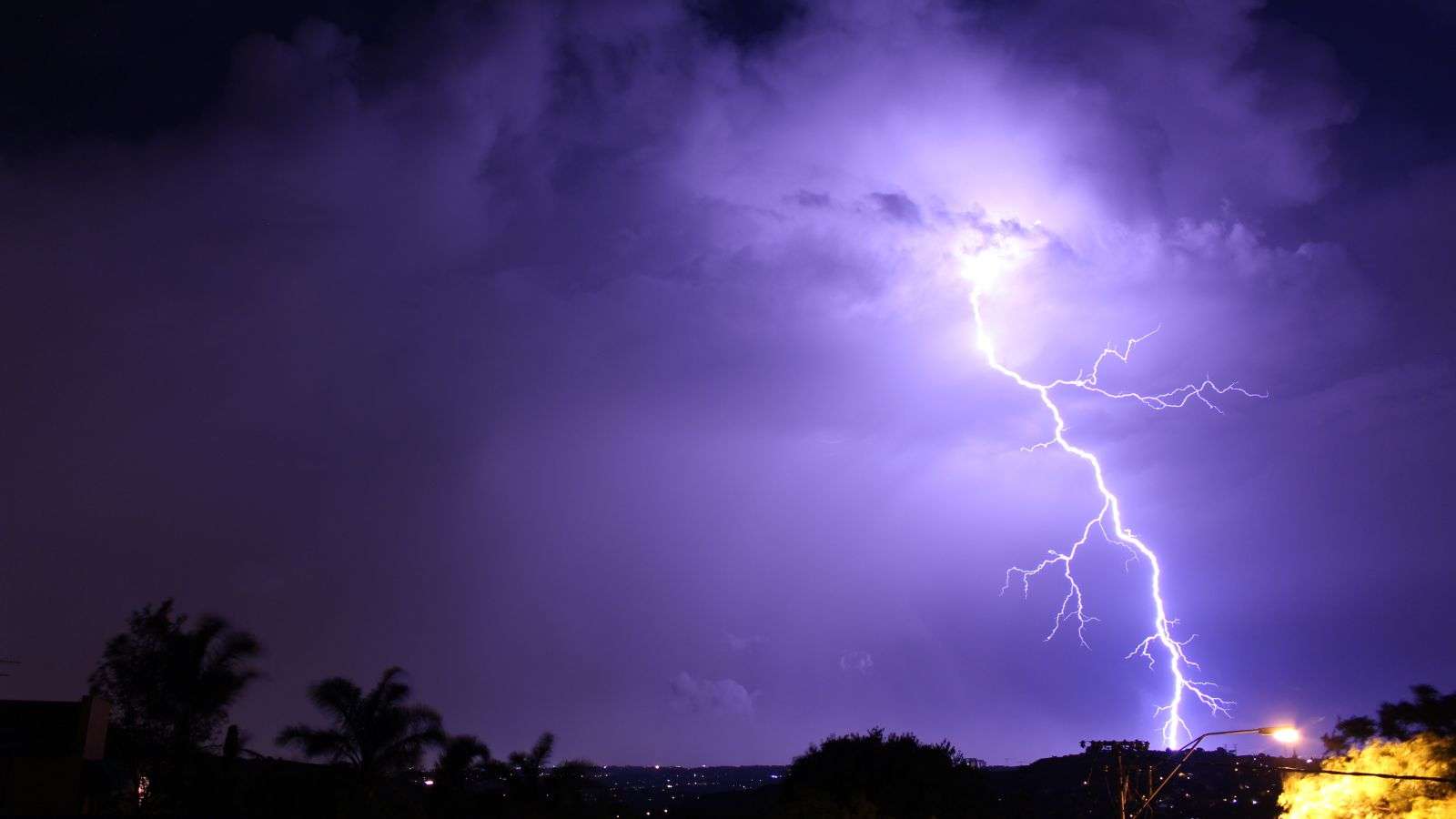
Roofing in lightning-prone areas requires careful consideration of materials, design, and safety features to protect structures from the devastating impact of lightning strikes. These practices not only safeguard the building and its occupants but also help minimize potential damage.
In this article, we dive into 11 essential strategies that enhance roofing safety and durability in lightning areas.
Introduction to Roofing in Lightning-Prone Areas
When it comes to roofing in lightning-prone areas, it’s best to consider materials and construction techniques that enhance safety and minimize potential damage. One key aspect is the selection of materials with good conductivity, such as metal roofs, which can help dissipate the electrical charge from lightning strikes.
Installing a lightning protection system consisting of lightning rods and conductors can safely redirect the electrical current into the ground, reducing the risk of fire or structural damage. Proper grounding of the roofing system is also essential to ensure effective dissipation of electrical energy. Regular inspections and maintenance of the roof and lightning protection system are necessary to identify any issues immediately and ensure continued safety.
It is vital for homeowners and builders in lightning-prone areas to adhere to local building codes and regulations related to lightning protection to mitigate risks effectively.
Your Top 11 Strategies for Roofing in Lightning Areas
1. Conduct a Risk Assessment
Before starting any roofing project in a lightning-prone area, it is essential to conduct a thorough risk assessment of the property. Identify high-risk areas, such as tall trees or structures close to the roof, and assess the overall vulnerability of the building to lightning strikes. Understanding these risks will help in developing an effective roofing strategy to mitigate potential damage.
2. Choose the Right Roofing Materials
Selecting appropriate roofing materials is crucial in lightning-prone regions. Opt for materials with good conductivity, like metal roofs, copper, or steel, as they can efficiently dissipate electrical charges from lightning strikes. Avoid materials that are poor conductors, such as wood or asphalt, as they may increase the risk of damage during a lightning event.
3. Install a Lightning Protection System
Consider installing a comprehensive lightning protection system consisting of lightning rods, conductors, and grounding systems. A professionally designed system can help safely redirect electrical currents from lightning strikes to the ground, protecting the structure and its occupants from potential harm. Just make sure the system complies with relevant safety standards and regulations.
4. Maintain Proper Roof Grounding
Proper grounding of the roof is essential to ensure effective dissipation of electrical energy in the event of a lightning strike. Make sure the roof’s grounding system is correctly installed and regularly inspected for any signs of wear or damage. Maintaining good grounding practices is essential for enhancing the safety of the roofing system.
5. Employ Surge Protection Devices
Incorporate surge protection devices into the electrical system of the building to safeguard electronic equipment and appliances from power surges caused by lightning strikes. These devices can help prevent damage to sensitive electronics and reduce the risk of fire hazards associated with electrical overloads during lightning storms.
6. Minimize Roof Protrusions
Limit the number of roof protrusions, such as antennas, satellite dishes, or ventilation pipes, as they can attract lightning strikes. If these elements are necessary, ensure they are properly grounded and integrated into the overall lightning protection system to mitigate potential risks.
7. Conduct Regular Roof Inspections
Regular roof inspections are essential to identify and address any potential vulnerabilities or damage that may compromise the effectiveness of the roofing system in lightning-prone areas. Look for signs of wear, corrosion, or loose connections in the lightning protection system during these inspections.
8. Educate Occupants on Lightning Safety
Educate building occupants on lightning safety measures and protocols to follow during thunderstorms. Encourage them to seek shelter indoors, away from windows and doors, and avoid using electrical appliances or plumbing fixtures during a storm to reduce the risk of electric shock from lightning strikes.
9. Secure Outdoor Equipment and Furniture
Secure outdoor equipment, furniture, and other objects that could become projectiles during severe weather events like lightning storms. Properly anchoring or storing these items can prevent them from being picked up by strong winds and causing damage to the roofing system or surrounding structures.
10. Consider Lightning Detection Systems
Invest in advanced lightning detection systems that can provide real-time information on approaching thunderstorms and lightning activity in the area. These systems can help homeowners and building managers take proactive measures to mitigate risks and ensure the safety of occupants during inclement weather conditions.
11. Consult with Lightning Protection Experts
When in doubt about the best practices for roofing in lightning-prone areas, seek advice from professional lightning protection experts or roofing contractors with experience in dealing with such conditions. Their expertise can help you develop a tailored roofing strategy that prioritizes safety and minimizes the impact of lightning strikes on your property.
Conducting a Risk Assessment: The First Critical Step
Conducting a thorough risk assessment is the first critical step when planning roofing projects in lightning-prone areas. This process involves identifying potential hazards and vulnerabilities specific to the property, such as nearby tall trees, power lines, or the building’s height and location.
Assessing these risks can help homeowners and builders come up with a targeted plan to protect the building and its occupants from the effects of lightning strikes. Utilizing tools like lightning risk assessment software or consulting with experts in lightning protection can provide valuable insights into the unique risks associated with the property and guide decision-making for effective mitigation measures.
Choosing Materials Wisely: What Works Best
- Metal Roofs: Opting for metal roofing materials like copper, steel, or aluminum is ideal for lightning-prone areas due to their excellent conductivity, which helps in dissipating electrical charges from lightning strikes effectively. Metal roofs are durable, long-lasting, and can provide added protection against fire hazards associated with lightning. They require minimal maintenance and are available in various styles and finishes to suit different architectural designs.
- Copper Roofing: Copper is a premium choice for roofing in lightning-prone regions because of its superior conductivity properties. It not only efficiently conducts electrical currents from lightning strikes but also weathers well over time, developing a protective patina that enhances its durability. Copper roofing adds a distinctive aesthetic appeal to buildings and is known for its longevity and resistance to corrosion.
- Steel Roofing: Steel roofs are another popular option for areas prone to lightning strikes due to their strength, durability, and cost-effectiveness. Steel roofing systems can be designed to incorporate lightning protection features seamlessly, providing a robust defense against potential damage. They come in a variety of profiles and colors, offering versatility in design while ensuring structural integrity and safety during thunderstorms.
- Composite Metal Panels: Composite metal panels combine the benefits of metal roofing with additional insulation properties, making them a practical choice for roofing in lightning-prone areas. These panels offer thermal efficiency, weather resistance, and design flexibility, making them suitable for both residential and commercial applications.
- Aluminum Roofing: Aluminum roofs are lightweight, corrosion-resistant, and environmentally friendly options for buildings located in lightning-prone regions. Aluminum’s natural resistance to rust and its malleability make it a popular choice for roofing projects where durability and low maintenance are priorities. With proper installation and grounding, aluminum roofing can effectively withstand lightning strikes and provide long-term protection for the structure.
Implementing Lightning Rods: How and Where
Implementing lightning rods is a vital aspect of protecting buildings in lightning-prone areas. Lightning rods should be strategically placed at high points on the roof to attract lightning strikes and safely conduct the electrical current to the ground through a network of conductors and grounding systems.
The rods should extend above the highest point of the structure and be interconnected with conductors running vertically and horizontally along the roofline to ensure comprehensive coverage. Proper installation of lightning rods involves securely anchoring them to the roof structure and connecting them to a robust grounding system that dissipates the electrical charge into the earth safely.
It is essential to follow industry standards and guidelines for installing lightning protection systems to maximize their effectiveness in safeguarding buildings from lightning-related damage. Consulting with lightning protection experts can provide valuable insights into the best placement and configuration of lightning rods tailored to the specific requirements of the building and its surroundings.
Grounding Systems: Ensuring Effective Energy Dissipation
Ensuring the effectiveness of grounding systems is paramount to dissipating electrical energy from lightning strikes and protecting buildings in lightning-prone areas. Grounding systems should consist of conductive materials such as copper or aluminum that provide a low-resistance path for the electrical current to flow safely into the ground.
Proper grounding requires burying conductors at a sufficient depth and ensuring good soil conductivity to facilitate the dissipation of electrical charges. Regular inspections of grounding systems are essential to detect any corrosion, damage, or loose connections that could compromise their performance.
Surge Protection Devices: Safeguarding Electrical Systems
Implementing surge protection devices is essential for safeguarding electrical systems in buildings located in lightning-prone areas. These devices are designed to divert excess voltage away from sensitive electronic equipment and appliances during power surges caused by lightning strikes. Surge protectors can be installed at various points in the electrical system, including outlets, distribution panels, and main service entrances, to intercept and absorb transient voltage spikes before they reach connected devices.
By adding surge protection devices to their electrical infrastructure, homeowners can prevent lightning-caused power surges from damaging their electronics, appliances, and wiring. This lowers the risk of having to pay for expensive repairs or replacements. It is best to use high-quality surge protectors that meet industry standards and provide adequate protection levels for the specific requirements of the building. Regular maintenance and testing of surge protection devices are also crucial for their continued effectiveness in mitigating the impact of lightning-related electrical disturbances.
Regular Maintenance and Inspection: Keeping Roofing Optimal
Regular maintenance and inspection of roofing systems are vital for keeping them in optimal condition, especially in lightning-prone areas. Scheduled inspections allow for the early detection of any damage, wear, or potential vulnerabilities that could compromise the effectiveness of the roof in withstanding lightning strikes. Maintenance tasks may include checking for loose or damaged roofing materials, ensuring proper sealing around penetrations, inspecting the condition of lightning protection components, and verifying the integrity of grounding systems.
Dealing with any issues immediately through routine maintenance can help prevent more significant damage during severe weather events and prolong the lifespan of the roofing system. Engaging professional roofers or lightning protection experts for regular inspections can provide valuable insights into the overall health of the roof and make sure that necessary repairs or upgrades are carried out to maintain optimal safety and performance levels.
Architectural Considerations: Designing with Lightning in Mind
When designing buildings in lightning-prone areas, it is essential to consider architectural elements that enhance safety and mitigate the risks associated with lightning strikes. Incorporating features such as steep roof pitches, overhangs, and lightning rods into the design can help reduce the likelihood of direct lightning strikes on the structure.
Utilizing materials with good conductivity, like metal roofs or copper cladding, can aid in dissipating electrical charges from lightning strikes effectively. Architects can also strategically place windows, doors, and other openings to minimize the potential for electrical surges entering the building during thunderstorms. Buildings can keep looking good while also being safer from lightning-related risks by blending lightning protection systems into the design of the building.
For example, lightning rods can be hidden inside spires, and conductors can be built into structural elements. Collaboration with lightning protection specialists during the design phase can help make sure architectural considerations align with industry standards and best practices for creating lightning-resistant structures.
Incorporating Non-Conductive Elements: A Layer of Safety
Incorporating non-conductive elements into building design can add an additional layer of safety in lightning-prone areas. Using materials with low conductivity, such as glass, plastic, or certain types of wood, in specific structural components can help reduce the risk of electrical currents traveling through the building during a lightning strike.
For example, utilizing insulated glass windows, non-metallic roofing components, or composite structural elements can create barriers that prevent the spread of electrical charges and minimize the potential for fire hazards within the building. Designers and builders can make structures safer without affecting their functionality or appearance by strategically adding non-conductive materials to the building.
These materials can be used in addition to existing lightning protection measures. Collaborating with lightning protection experts can provide valuable insights into identifying key areas where non-conductive materials can be effectively integrated to optimize lightning safety features within the building design.
Insurance Considerations: Protecting Your Investment
Considering insurance options is essential for protecting investments in properties located in lightning-prone areas. Homeowners should confirm that their insurance policies cover damage from lightning strikes, including structural harm, electrical system malfunctions, and damage to personal property. It is best to review policy coverage limits, deductibles, and exclusions related to lightning damage to maintain adequate protection.
Some insurance providers offer specific endorsements or riders for lightning protection systems, which can help offset the cost of installing and maintaining lightning rods, surge protectors, and other preventive measures. Documenting the installation of lightning protection systems and conducting regular maintenance can strengthen insurance claims in the event of lightning-related incidents.
Homeowners should communicate with their insurance agents to understand the extent of coverage for lightning damage and explore options for enhancing protection through comprehensive insurance policies tailored to the unique risks of properties in lightning-prone regions.
Community and Building Codes: Compliance and Best Practices
- Adherence to Building Codes: Compliance with local building codes and regulations related to lightning protection is essential for ensuring the safety and structural integrity of buildings in lightning-prone areas. These codes may specify requirements for lightning protection system installation, grounding practices, and materials used in roofing construction to mitigate the risks associated with lightning strikes.
- Community Guidelines: Some communities may have specific guidelines or recommendations for lightning safety measures that go beyond standard building codes. Being aware of these community guidelines and incorporating them into building designs can provide an extra layer of protection against lightning-related hazards. Community initiatives promoting lightning safety awareness, emergency response protocols during thunderstorms, or educational programs on lightning risk mitigation can further enhance the resilience of properties in lightning-prone regions.
- Consultation with Authorities: Seeking guidance from local authorities, building inspectors, or lightning protection experts can offer valuable insights into compliance requirements and best practices for lightning safety in construction projects. Authorities can provide information on zoning restrictions, permit requirements for lightning protection systems, and strategies for aligning building designs with community safety goals. Collaborating with relevant stakeholders makes sure that buildings meet or exceed established standards for lightning protection and contribute to overall community resilience against lightning hazards.
- Educational Outreach: Engaging in educational outreach programs within the community to raise awareness about lightning risks and safety measures can foster a culture of preparedness and collaboration among residents. Workshops, seminars, or informational campaigns on lightning safety practices, insurance considerations, and emergency response planning can empower individuals to take proactive steps in safeguarding their properties and loved ones during thunderstorms.
- Continual Improvement: Embracing a mindset of continual improvement in lightning safety practices within the community can drive innovation and adaptation to emerging challenges. Regularly reviewing and updating building codes, community guidelines, and educational initiatives based on new research findings or technological advancements can help communities stay at the forefront of lightning risk mitigation. Encouraging feedback from residents, stakeholders, and experts allows for the ongoing refinement of strategies for protecting buildings and enhancing community resilience in the face of lightning threats.
Advanced Technologies and Innovations: The Future of Lightning Protection
Advanced technologies and innovations are shaping the future of lightning protection, offering new solutions to enhance the safety and resilience of buildings in lightning-prone areas. One emerging technology is the development of smart lightning detection systems that provide real-time data on lightning strikes and weather conditions, enabling proactive responses to potential risks.
Integrating sensors, artificial intelligence, and predictive analytics into lightning protection systems can optimize the efficiency of lightning rods, surge protectors, and grounding systems to minimize damage from lightning events. Advancements in materials science are leading to the creation of novel conductive materials with improved performance characteristics for lightning protection applications.
Future innovations might include self-healing materials that fix damage from lightning strikes, modular lightning protection systems for simple installation and maintenance, and integrated building designs that seamlessly incorporate lightning safety features without sacrificing aesthetics. Collaborative research efforts between academia, industry, and governmental agencies are driving the development of cutting-edge technologies that promise to revolutionize the field of lightning protection and set new standards for safeguarding buildings and communities against the destructive power of lightning.