
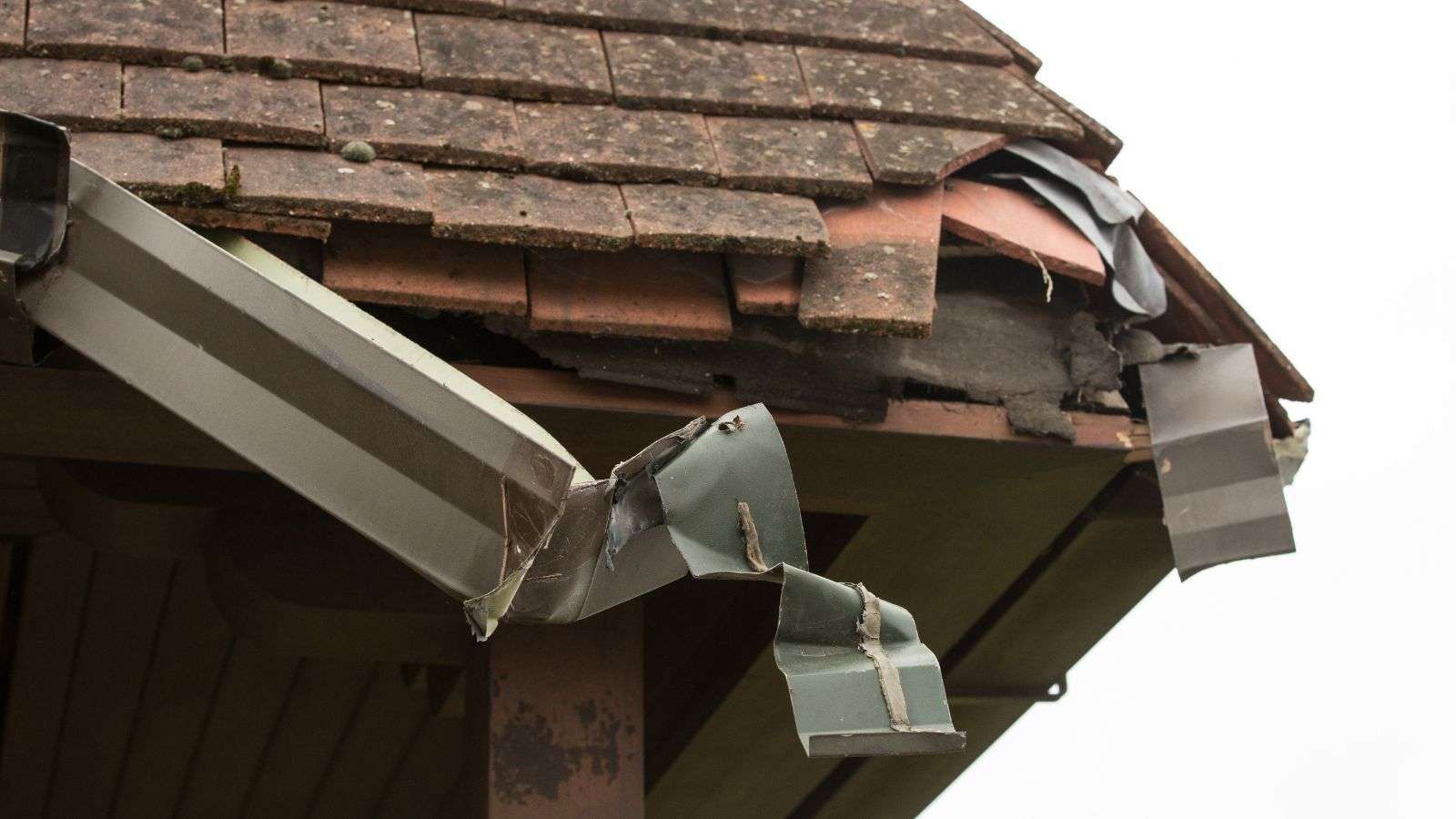
Understanding how seismic activity affects your roof is essential for homeowners and builders in earthquake-prone areas.
In this article, we’ll explore seven key ways seismic zones can impact the performance and integrity of roofing systems.
7 Ways Seismic Activity Impacts Roofing
1. Increased Risk of Roof Damage
Seismic activity can significantly increase the risk of damage to roofing structures. While visible signs of damage such as cracks or leaks may be apparent, it’s essential to also inspect the roof’s structural integrity after a seismic event. Look out for subtle signs like misaligned or shifted roofing materials, as these can indicate underlying issues that may worsen over time.
2. Stress on Roof Fasteners
One often overlooked impact of seismic activity on roofing is the stress it puts on roof fasteners. These small components play a big role in holding the roofing materials in place. After a seismic event, it’s best to check the condition of fasteners and make sure they are secure. Consider reinforcing or replacing them if necessary to prevent potential roof failure in the future.
3. Alignment of Roofing Materials
Seismic activity can cause the alignment of roofing materials to shift, leading to potential vulnerabilities in the roof structure. Check for any irregularities in the alignment of shingles, tiles, or metal sheets after an earthquake. Dealing with these misalignments quickly can help prevent water infiltration and further damage to the roof.
4. Impact on Roof Insulation
The insulation beneath the roofing materials is also susceptible to damage during seismic activity. Inspect the insulation for any signs of compression, tearing, or moisture after an earthquake. Proper insulation is essential for maintaining energy efficiency and protecting the roof structure. Consider replacing damaged insulation for the best performance.
5. Chimney and Ventilation System Damage
Chimneys and ventilation systems on roofs are particularly vulnerable to seismic activity. Check these components for any cracks, loose connections, or dislodged parts post-earthquake. Dealing with issues with chimneys and ventilation systems quickly can prevent safety hazards such as gas leaks or chimney collapses.
6. Gutters and Drainage System Maintenance
Seismic activity can impact the functionality of gutters and drainage systems on roofs. Inspect gutters for any debris buildup or damage caused by the earthquake. Just make sure that the downspouts are clear and draining water away from the foundation properly. Maintaining gutters and drainage systems is essential for preventing water damage to the roof and the building.
7. Roofing Material Compatibility
After a seismic event, it’s crucial to assess the compatibility of the existing roofing materials with the local seismic conditions. Some roofing materials may be more resilient to earthquakes than others. Consider consulting with a roofing expert to determine if your current roofing material is suitable for withstanding seismic activity. Upgrading to more earthquake-resistant materials can enhance the longevity and durability of your roof.
Understanding Roof Structural Vulnerabilities in Seismic Zones
In seismic zones, understanding roof structural vulnerabilities is essential for ensuring the safety and integrity of buildings during earthquakes. Some common vulnerabilities include inadequate roof-to-wall connections, weak roof diaphragms, and insufficient bracing of roof components. In regions prone to seismic activity, buildings with heavy roofing materials such as tile or concrete are more susceptible to damage due to their higher inertial forces.
Roofs with complex designs, multiple levels, or large unsupported spans may experience greater stress during an earthquake. Properly securing roof framing to the supporting walls, using appropriate bracing techniques, and reinforcing roof diaphragms are essential measures to mitigate structural vulnerabilities in seismic zones. Regular inspections, maintenance, and adherence to building codes specific to seismic regions can help enhance the overall resilience of roofs against earthquake-induced damage.
Effects of Ground Movement on Roof Stability and Integrity
- Foundation Shifts: Ground movement can lead to shifts in the building’s foundation, impacting the stability and integrity of the roof structure. Uneven settling or foundation movement can cause stress on the roof framing, potentially leading to misalignments or cracks in roofing materials. Regular foundation inspections and timely repairs are essential to maintaining roof stability in the face of ground movement.
- Soil Liquefaction: In areas prone to seismic activity, soil liquefaction can occur during an earthquake, where the soil loses its strength and behaves like a liquid. This phenomenon can destabilize the building’s foundation and increase the risk of roof damage. Installing proper foundation reinforcement techniques, such as deep foundation elements or soil stabilization methods, can help mitigate the effects of soil liquefaction on roof stability.
- Slope Instability: Ground movement, especially on sloped terrain, can result in slope instability that affects the structural integrity of roofs. Erosion, landslides, or subsidence can compromise the support system of the roof, leading to structural issues. Implementing proper drainage systems, retaining walls, and vegetation control measures can help prevent slope instability and safeguard the roof against potential damage.
- Localized Ground Settlement: Localized ground settlement can occur due to various factors, such as underground water flow, excavation activities, or natural soil compaction. This settlement can create uneven pressure distribution on the roof, causing stress points that may weaken the roof structure over time. Monitoring ground settlement patterns and addressing underlying causes quickly can prevent long-term damage to the roof.
- Impact on Building Materials: Ground movement can affect the building materials used in roofing structures. For example, differential settlement can cause materials like concrete or masonry to crack, compromising their load-bearing capacity. Choosing resilient roofing materials that can withstand ground movement and conducting regular material inspections are essential for maintaining roof stability and integrity in dynamic ground conditions.
- Structural Retrofitting: In regions prone to significant ground movement, structural retrofitting of roofs may be necessary to enhance their resistance to seismic forces. Retrofitting techniques such as adding additional bracing, strengthening connections, or installing seismic dampers can improve the overall stability of the roof structure. Consulting with structural engineers and following seismic retrofit guidelines can help fortify roofs against the effects of ground movement.
- Dynamic Load Considerations: Ground movement introduces dynamic loads on roofs that differ from static loads, requiring special consideration during design and construction. Factors like resonance effects, inertial forces, and ground acceleration patterns influence how roofs respond to seismic events. Incorporating dynamic load analysis into roof design and ensuring proper load distribution mechanisms are in place can help optimize roof stability and integrity under varying ground movement conditions.
Impact of Seismic Forces on Roof Attachment Systems
Seismic forces can have a significant impact on roof attachment systems, affecting the overall stability and integrity of the roof structure. During an earthquake, the lateral forces exerted on the building can put immense pressure on roof attachments, such as fasteners, clips, and connectors. Inadequate or poorly installed attachment systems may fail to withstand these forces, leading to roof detachment or displacement.
Properly designed and reinforced attachment systems are essential to make sure the roof remains securely in place during seismic events. For example, using high-strength fasteners and implementing robust connection details can enhance the resilience of the roof attachment system. Regular inspections and maintenance of these components are crucial to identify any weaknesses and address them right away to improve the overall performance of the roof attachment system in response to seismic forces.
Considerations for Roofing Materials in Seismic Zones
- Material Durability and Flexibility: In seismic zones, it’s essential to choose roofing materials that are both durable and flexible to withstand the dynamic forces exerted during earthquakes. Materials like metal roofing, asphalt shingles, or synthetic roofing membranes offer good durability and flexibility, allowing them to adapt to structural movements without compromising their integrity.
- Weight of Roofing Materials: The weight of roofing materials plays a major role in seismic zones, as heavier materials can increase the inertial forces acting on the roof structure during an earthquake. Opting for lightweight materials such as lightweight concrete tiles, composite roofing, or metal panels can help reduce the overall mass of the roof and minimize the seismic load on the building.
- Interlocking Systems: Roofing materials with interlocking systems provide enhanced resistance to seismic forces by creating a more secure and stable roof surface. Interlocking metal panels, shingles, or tiles form a cohesive barrier that can better withstand lateral movement and vibrations during earthquakes, reducing the risk of roof damage or detachment.
- Seismic Testing and Certification: Choosing roofing materials that have undergone seismic testing and certification ensures their performance under seismic conditions. Look for materials that meet relevant industry standards for seismic resistance, such as ASTM International or ICC-ES certification. These tested materials offer added assurance of their ability to withstand seismic forces and protect the roof structure.
- Elastomeric Coatings and Sealants: Applying elastomeric coatings and sealants to roofing materials can improve their flexibility and waterproofing properties in seismic zones. These coatings create a protective layer that can expand and contract with structural movements, reducing the likelihood of cracks or leaks in the roof system during earthquakes. Regular maintenance of elastomeric coatings is essential for their effectiveness over time.
- Roof-to-Wall Connections: Strong roof-to-wall connections are critical in seismic zones to prevent roof uplift or detachment during earthquakes. Using robust connectors, anchors, or straps to secure the roof to the building’s structure enhances the overall stability of the roof system. Consider retrofitting existing roof-to-wall connections with stronger components for added seismic resilience.
- Slope and Drainage Considerations: Proper roof slope design and efficient drainage systems are important factors to consider in seismic zones to prevent water pooling and structural stress on the roof. Ensuring an adequate slope for water runoff and installing effective drainage components can help maintain the integrity of the roof structure under seismic conditions. Regular inspection and maintenance of slope and drainage systems are key to preventing water-related damage to the roof in seismic zones.
Retrofitting Options to Enhance Roof Seismic Resilience
- Seismic Bracing Systems: Installing seismic bracing systems can significantly enhance the resilience of a roof structure against seismic forces. These systems typically consist of additional bracing elements, such as diagonal braces or trusses, that help distribute lateral forces and prevent roof deformation or failure during earthquakes. Retrofitting with seismic bracing systems is particularly beneficial for older buildings or structures with inadequate lateral support.
- Roof Diaphragm Strengthening: Strengthening the roof diaphragm through retrofitting measures can improve its ability to transfer seismic loads across the structure efficiently. Techniques such as adding additional sheathing, installing diaphragm chord reinforcements, or upgrading existing connections can enhance the overall stability and integrity of the roof system. Properly reinforced roof diaphragms help reduce the risk of structural damage and roof failure under seismic conditions.
- Enhanced Roof-to-Wall Connections: Upgrading roof-to-wall connections with stronger fasteners, anchor bolts, or connectors can bolster the structural integrity of the roof and prevent detachment during earthquakes. Retrofitting these connections to meet current seismic design standards can significantly improve the overall resilience of the roof system. Examples include using expansion anchors, epoxy anchors, or specialized metal connectors for enhanced roof-to-wall attachment.
- Seismic Dampers: Incorporating seismic dampers into the roof structure can dissipate seismic energy and reduce the impact of vibrations on the building. Retrofitting with seismic dampers is a proactive measure to enhance the seismic resilience of roofs, especially in high-risk seismic zones.
- Flexible Roofing Materials: Retrofitting with flexible roofing materials, such as elastomeric membranes or rubberized shingles, can improve the roof’s ability to withstand deformations and movements caused by seismic forces. These materials offer greater flexibility and durability, allowing them to adapt to structural shifts without compromising their integrity. Retrofitting the roof with flexible materials enhances its resilience against seismic events and helps mitigate potential damage.
- Base Isolation Systems: Implementing base isolation systems beneath the roof structure can isolate it from ground motion and reduce the transmission of seismic forces to the building. Base isolators act as shock absorbers, allowing the roof to move independently of the foundation during an earthquake. Retrofitting with base isolation systems can effectively protect the roof from excessive lateral forces and improve its overall seismic performance.
Role of Building Codes and Regulations in Seismic Roof Design
Building codes and regulations play a big role in guiding seismic roof design to ensure the safety and resilience of structures in high-risk seismic zones. These codes specify minimum requirements for roof design, materials, and construction practices to withstand seismic forces effectively. For example, seismic design categories are used to classify regions based on their seismic hazard levels, with corresponding design criteria that dictate factors such as roof slope, bracing systems, and attachment methods.
Compliance with building codes makes sure that roofs are built to withstand anticipated seismic loads and minimize the risk of damage or collapse during earthquakes.
Regulations governing inspections, retrofitting standards, and maintenance procedures help enforce ongoing structural integrity and safety measures for roofs in seismic regions. By adhering to building codes and regulations specific to seismic design, architects, engineers, and builders can enhance the overall seismic performance of roofs and contribute to the resilience of buildings in earthquake-prone areas.
Importance of Professional Roof Inspection and Maintenance in Seismic Zones
Professional roof inspection and maintenance are paramount in seismic zones to ensure the structural integrity and safety of buildings during and after seismic events. Qualified professionals possess the expertise to assess potential vulnerabilities in roof systems, such as loose fasteners, compromised seals, or damaged materials, which could exacerbate damage in the event of an earthquake.
Regular inspections help identify issues early on, allowing for timely repairs or reinforcement to mitigate risks. In seismic zones, where the resilience of roofs is crucial, professionals can provide tailored maintenance plans to address specific seismic considerations and enhance the overall performance of the roof structure.
Collaborating with professionals found on our website directory, Big Home Projects can offer access to skilled roof inspectors and maintenance experts who can provide specialized services tailored to the unique needs of structures in seismic regions, ensuring optimal roof safety and longevity.
Collaboration with Structural Engineers for Seismic Roofing Solutions
Collaborating with structural engineers is essential for implementing effective seismic roofing solutions tailored to the specific needs of buildings in high-risk seismic zones. Structural engineers bring specialized knowledge and expertise to analyzing the structural behavior of roofs under seismic forces, allowing them to design customized solutions that enhance the seismic resilience of the roof system.
Working closely with structural engineers, architects and builders can benefit from detailed seismic assessments, innovative retrofitting techniques, and advanced modeling tools to optimize the structural performance of roofs. For instance, engineers can recommend the installation of seismic bracing systems, base isolators, or strengthening measures to fortify the roof against seismic events.
Their involvement in the design and implementation of seismic roofing solutions makes sure that buildings are equipped to withstand the dynamic forces of earthquakes, contributing to overall safety and structural integrity.
Mitigating Seismic Risk Through Roof Design and Construction Techniques
- Seismic Bracing Systems: Incorporating seismic bracing systems into roof design can enhance the structural stability of the roof during seismic events. These systems typically involve adding diagonal braces, trusses, or cross-bracing to distribute lateral forces and minimize roof deformation. By strategically placing bracing elements, the roof can better withstand the dynamic loads imposed by earthquakes, reducing the risk of damage or failure.
- Flexible Roofing Materials: Choosing flexible roofing materials, such as elastomeric membranes or rubberized shingles, can improve the roof’s ability to accommodate structural movements caused by seismic forces. These materials offer elasticity and resilience, allowing them to expand and contract without losing integrity. Flexible roofing materials can help prevent cracks, leaks, and other forms of damage that may result from seismic activity, contributing to the overall durability of the roof.
- Enhanced Roof-to-Wall Connections: Strengthening roof-to-wall connections is essential for preventing roof detachment or uplift during earthquakes. Upgrading fasteners, anchors, or connectors that secure the roof to the building’s structure can improve the overall robustness of the roof system. Strong connections help transfer seismic forces more effectively, reducing the likelihood of structural damage and ensuring the integrity of the roof under seismic stress.
- Base Isolation Systems: Implementing base isolation systems beneath the roof structure can isolate it from ground motion and minimize the transmission of seismic forces to the building. Base isolators act as shock absorbers, allowing the roof to move independently of the foundation during an earthquake. By installing base isolation systems, the roof can better withstand lateral forces and vibrations, enhancing its resilience to seismic events.
- Improved Roof Diaphragm Design: Enhancing the design of the roof diaphragm through measures such as adding additional sheathing, strengthening connections, or installing diaphragm chord reinforcements can enhance its ability to resist seismic loads. A well-designed roof diaphragm helps distribute forces efficiently across the structure, reducing localized stresses and improving overall stability. Improvements in roof diaphragm design can significantly increase the structural resilience of the roof in seismic zones.
Incorporating Seismic Considerations in Roofing Project Budgeting and Planning
Incorporating seismic considerations into roofing project budgeting and planning is essential for ensuring the successful implementation of seismic-resistant roofing solutions. When budgeting for a roofing project in a seismic zone, it’s crucial to allocate resources for seismic assessments, engineering consultations, and specialized materials that enhance the roof’s resilience against seismic forces.
Planning should involve identifying specific seismic risks relevant to the region and incorporating them into the design and construction phases to address potential vulnerabilities proactively. For example, setting aside funds for retrofitting existing roofs with seismic bracing systems or upgrading roof-to-wall connections can help mitigate risks and improve the overall seismic performance of the structure.
integrating seismic considerations into budgeting and planning processes, stakeholders can prioritize safety, durability, and long-term cost-effectiveness in roofing projects in seismic zones.