
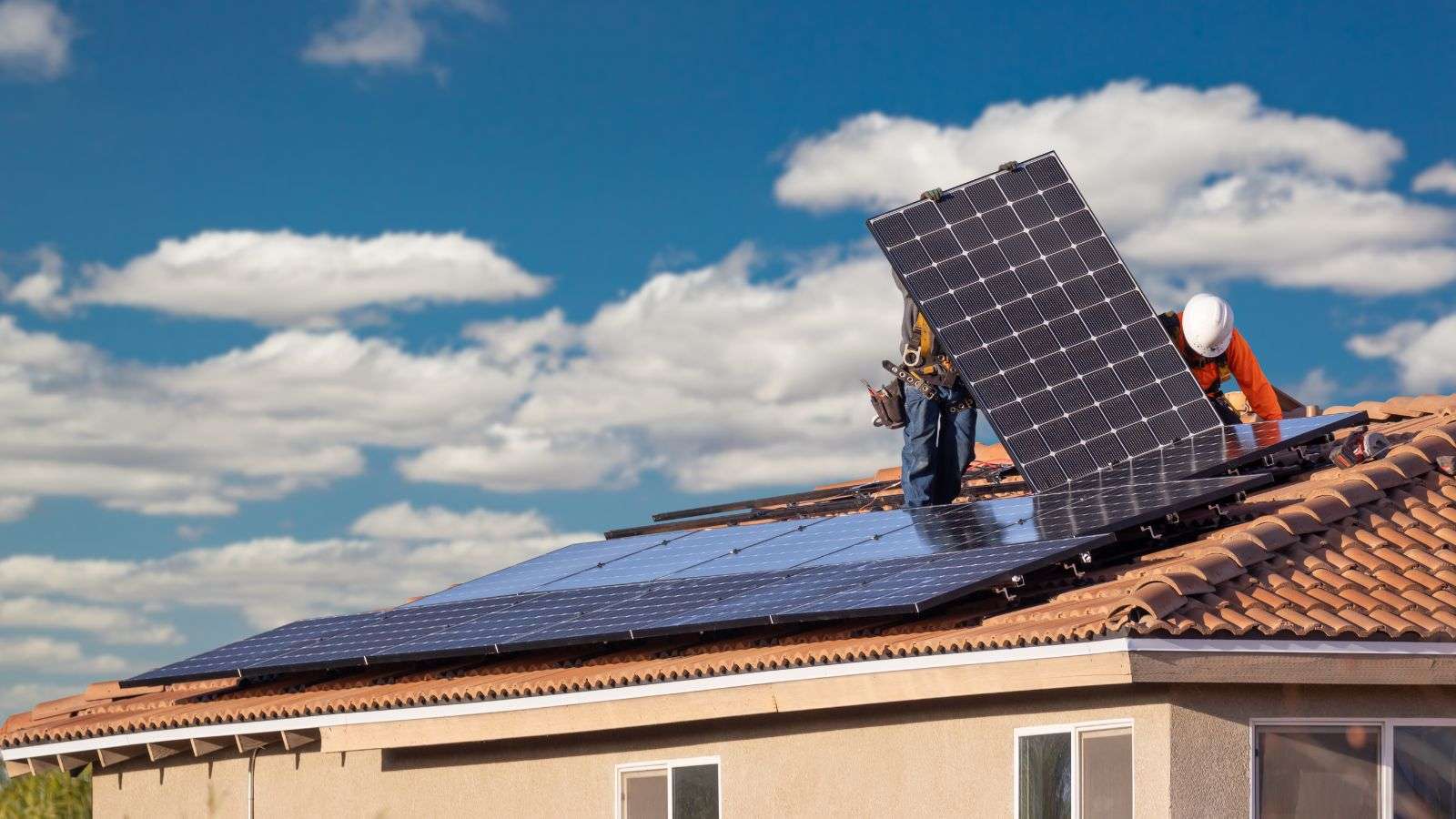
When looking for “solar roof installers near me,” it’s essential to consider various factors to maintain a smooth and efficient installation. Your choice of installer will influence the cost, speed, and quality of the installation. In this article, we guide you through selecting the ideal solar roof installer near you.
Solar Roof Installers Near Me
To find solar roof installers near you, I recommend using Big Home Projects, a website directory that connects homeowners with professionals for various home improvement projects. Visit Big Home Projects to easily search for local solar roof installers based on your location. The platform provides a list of reputable professionals who specialize in installing solar roofs, ensuring that you can find experienced and skilled experts to help with your project.
Simply input your location on the website to view a curated list of installers in your area, along with their contact information and customer reviews, to help you make an informed decision. Using Big Home Projects can streamline the process of finding reliable solar roof installers near you, making it easier to get started on your home improvement project.
5 Steps to Choose the Right Solar Installer
1. Research Different Installers
Before choosing a solar installer, it’s essential to conduct thorough research on various companies in your area. Look beyond just the cost and consider factors such as experience, customer reviews, certifications, and warranties offered by each installer. Visiting online platforms like Big Home Projects can provide valuable insights into the reputation and reliability of different installers in your region.
2. Request Multiple Quotes
Obtaining quotes from multiple solar installers allows you to compare prices, services, and warranties offered by each company. Be sure to request detailed quotes that outline the total cost, equipment to be used, installation timeline, and any additional fees. This information will help you make an informed decision based on both affordability and quality of service.
3. Verify Licenses and Certifications
make sure the solar installer you choose holds the necessary licenses and certifications required to perform installations in your area. This verification process can help you avoid working with unqualified or inexperienced individuals who may not adhere to industry best practices or safety standards. You can typically find information about an installer’s licenses and certifications on their website or by contacting them directly.
4. Check References and Reviews
Before finalizing your decision, take the time to check references and read reviews from previous customers of the solar installer. speaking with past clients or reading testimonials can help gain valuable insights into the installer’s professionalism, work quality, communication skills, and overall customer satisfaction. This step can help you gauge the reliability and trustworthiness of the installer before committing to their services.
5. Evaluate Customer Service and Communication
Effective communication and excellent customer service are crucial factors when choosing a solar installer. Pay attention to how responsive the installer is to your inquiries, how clearly they explain the installation process, and how willing they are to address any concerns you may have. Choosing an installer who values open communication and prioritizes customer satisfaction can lead to a smoother and more positive experience throughout the solar installation process.
Researching Local Solar Installers: What to Look for
When researching local solar installers, it’s important to look for key factors such as the installer’s experience in the industry, the types of solar technologies they specialize in, the warranties they offer on their installations, and their reputation within the community. Experienced installers with a proven track record are more likely to provide high-quality workmanship and reliable service.
Consider whether the installer offers warranties on both labor and equipment to protect your investment in the long run. Checking customer reviews and testimonials can also give you valuable insights into the installer’s reliability, professionalism, and customer satisfaction levels. Carefully evaluating these factors can help you make an informed decision when selecting a local solar installer for your project.
Understanding Solar Roof Installation Process
When it comes to understanding the solar roof installation process, it typically involves several key steps. First, a site assessment is conducted to evaluate the roof’s condition, angle, and shading to determine the optimal placement of solar panels. Next, the necessary permits and paperwork are obtained to guarantee compliance with local regulations.
The actual installation involves mounting racking systems on the roof, wiring the panels to an inverter, and connecting the system to the electrical grid. Once the installation is complete, final inspections are carried out to verify that the system meets safety and performance standards. Understanding this process can help homeowners prepare for what to expect when transitioning to solar energy for their home.
Assessing Installer’s Experience and Qualifications
When assessing an installer’s experience and qualifications, it’s best to consider factors such as the number of years they have been in business, the volume of solar installations they have completed, any relevant certifications or licenses they hold, and their training in the latest industry standards and technologies.
Experienced installers with a solid track record are more likely to deliver high-quality work and handle any challenges that may arise during the installation process efficiently. Certifications from organizations like the North American Board of Certified Energy Practitioners (NABCEP) can indicate a higher level of expertise and professionalism. Checking references and asking for examples of past projects can also provide valuable insights into an installer’s competency and dedication to customer satisfaction.
Checking References and Reviews
When checking references and reviews for a solar installer, it is essential to gather feedback from previous customers to gauge the installer’s reliability, professionalism, and quality of work. Contacting references provided by the installer and reading online reviews on platforms like Google, Yelp, or the Better Business Bureau can offer valuable insights into the customer experience. Look for comments regarding communication, timeliness, workmanship, and overall satisfaction with the installation process.
Positive reviews highlighting the installer’s responsiveness, attention to detail, and problem-solving skills can indicate a trustworthy and competent professional. Conversely, consistently negative reviews or unresolved complaints may serve as red flags to consider when selecting a solar installer for your project.
Solar Installation Costs: Rates of Local Installers
When considering solar installation costs and rates from local installers, it’s important to understand that prices can vary based on several factors, such as the size of the system, the type of panels used, the complexity of the installation, and any additional services required. On average, residential solar installations can cost anywhere from $15,000 to $25,000 for a typical 5 kW system before any incentives or rebates.
However, prices may be higher for larger systems or if specialized equipment or customization is needed. Some installers may offer financing options or leasing programs that can help make solar more affordable upfront. It’s recommended to obtain quotes from multiple installers to compare costs and make sure that you are getting a competitive rate for your specific needs and budget.
Evaluating the Installer’s Warranty and Service Agreements
When evaluating an installer’s warranty and service agreements, it’s crucial to carefully review the terms and coverage provided to make sure your investment is protected. A reputable solar installer should offer warranties on both the equipment (such as solar panels and inverters) and the installation work itself.
Typical warranties may include a 25-year performance guarantee on panels and a 10 to 25-year warranty on inverters. Inquire about service agreements that outline maintenance services, response times for repairs, and any associated costs after the installation is complete.
Understanding Solar Equipment Options Offered by Installers
- Monocrystalline Solar Panels: Monocrystalline panels are known for their high efficiency and sleek appearance. These panels are made from single-crystal silicon, making them more space-efficient and durable compared to other types. While they tend to be more expensive upfront, their efficiency in converting sunlight into electricity can result in long-term savings for homeowners.
- Polycrystalline Solar Panels: Polycrystalline panels are a cost-effective alternative to monocrystalline panels, offering good efficiency and performance at a lower price point. These panels are made from multiple silicon fragments, giving them a speckled blue appearance. They are a popular choice for homeowners looking for a balance between cost and efficiency.
- String Inverters: String inverters are a common choice for solar installations, converting the direct current (DC) electricity generated by solar panels into usable alternating current (AC) electricity for your home. They are affordable and suitable for standard installations, but individual panel shading issues may be a problem.
- Microinverters: Microinverters are installed on each individual solar panel, allowing for independent optimization of each panel’s performance. They are ideal for installations with shading concerns or varying roof orientations. While they may come at a higher cost upfront, microinverters can improve overall system efficiency and output.
- Battery Storage Systems: Battery storage systems allow homeowners to store excess solar energy generated during the day for use during peak demand periods or at night when sunlight is not available. These systems provide energy independence and can help reduce reliance on the grid, offering backup power during outages. Examples include Tesla Powerwall and LG Chem RESU.
Interviewing Potential Solar Installers
When interviewing potential solar installers, it’s essential to ask relevant questions to assess their experience, qualifications, pricing, warranties, and customer service. Inquire about the number of installations they have completed, certifications they hold, and examples of past projects. Request detailed quotes that outline the costs, equipment, and warranties offered.
Ask about their process for handling permits and inspections, as well as their approach to customer communication and support throughout the installation. Utilizing a platform like Big Home Projects can simplify the process of finding reputable professionals who meet your criteria for a successful solar installation.
Finalizing the Contract with Your Chosen Installer
It’s crucial that both parties understand all terms of the agreement before finalizing the contract with your preferred solar installer. Review the contract carefully to confirm details such as the project timeline, payment schedule, equipment to be used, warranties provided, and any additional services included.
Make sure to clarify any uncertainties or discrepancies before signing the contract to avoid misunderstandings later on. If there are specific preferences or requirements you have, such as roof aesthetics or system monitoring, communicate these clearly with the installer to incorporate them into the contract.