
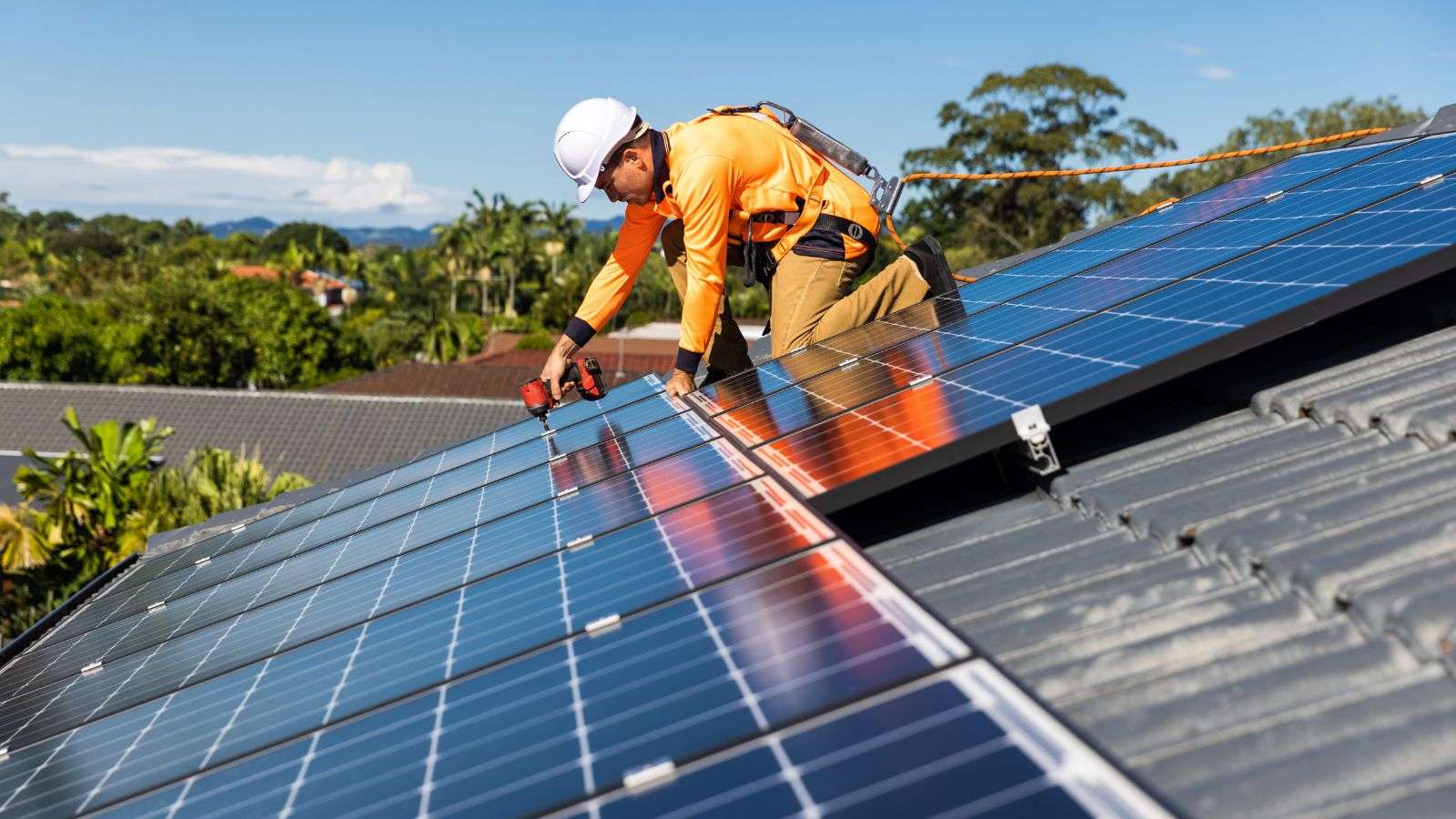
Transitioning to renewable energy sources is a significant move, and a solar roof replacement can make a tremendous difference. Replacing your existing roof with one equipped for solar energy conversion is not just eco-friendly; it’s a smart investment. In this article, we will dive into the steps, considerations, and benefits of solar roof replacement.
Solar Roof Replacement
When considering solar roof replacement, it is essential to assess various factors to maintain a successful transition.
First, it’s best to evaluate the condition of the current roof structure to determine if it can support the installation of solar panels. This involves checking for any damages, leaks, or signs of wear and tear that may impact the effectiveness of the new solar system. The orientation and angle of the roof play a significant role in optimizing solar energy production.
Ideally, the roof should have a suitable tilt towards the sun to maximize exposure and efficiency. The type of roofing material used can also influence the installation process and overall costs. For example, asphalt shingles are common and compatible with solar panels, while slate or clay tiles may require additional expertise for installation.
Finally, it is important to consider the budget constraints and available incentives or rebates for solar installations to make an informed decision that aligns with both financial and environmental goals.
Top 5 Considerations for Your Solar Roof Replacement
1. Roof Condition Assessment
Before proceeding with a solar roof replacement, conducting a thorough assessment of the current roof condition is crucial. Look for any underlying structural issues, such as water damage, rot, or leaks, that could affect the integrity of the new solar system. It’s also essential to check the roof’s age and whether it requires any repairs or reinforcements before installing solar panels. addressing these concerns proactively can help ensure a stable foundation for your solar energy setup and prevent any potential complications down the line.
2. Solar Panel Orientation and Angle Optimization
Optimizing the orientation and angle of your solar panels is key to maximizing energy production. Consider factors such as the sun’s path throughout the day and year, as well as any obstructions like trees or neighboring buildings that may cast shadows on the panels. Adjusting the tilt of the panels to align with the sun’s position can significantly increase their efficiency and overall output. fine-tuning these details during the installation process can help harness more sunlight and generate greater electricity savings in the long run.
3. Roofing Material Compatibility
Different roofing materials may require specific considerations when installing solar panels. While asphalt shingles are commonly used and easily compatible with solar systems, other materials like slate or clay tiles may pose challenges due to their weight or fragility. You have to consult with a professional to make sure your chosen roofing material can support the additional weight of solar panels and withstand the installation process without compromising its integrity. selecting the right roofing material from the outset can help streamline the installation process and avoid any unexpected complications.
4. Budget Planning and Incentives Evaluation
Developing a comprehensive budget plan for your solar roof replacement is essential to avoid any financial surprises along the way. Consider all costs involved, including equipment, labor, permits, and potential upgrades to support the new solar system. research available incentives, rebates, or financing options that can help offset some of the initial investment costs. leveraging these financial resources effectively can help make your solar roof replacement more cost-effective and accelerate your return on investment in renewable energy.
5. Expert Consultation and Installation Support
Seeking expert consultation and professional installation support can streamline the process of replacing your roof with solar panels. Experienced solar contractors can provide valuable insights into design considerations, equipment selection, and installation best practices tailored to your specific roof structure and energy needs. collaborating with knowledgeable professionals can help ensure a seamless transition to solar energy and benefit from their expertise in optimizing your system’s performance and longevity.
Assessing Your Roof’s Suitability for Solar Installation
When assessing your roof’s suitability for solar installation, several key factors need to be considered to determine its compatibility with solar panels. Begin by evaluating the roof’s exposure to sunlight throughout the day and year, ensuring minimal shading from nearby structures or trees that could hinder energy production. assess the roof’s orientation and angle to optimize solar panel positioning for maximum efficiency.
Check the structural integrity of the roof to confirm it can support the weight of the solar system without compromising its stability. Consider the age and condition of the roofing material, as well as any potential need for repairs or replacements to maintain a secure foundation for the solar panels.
Conducting a comprehensive assessment that takes into account these factors can help determine whether your roof is suitable for solar installation and pave the way for a successful transition to clean and renewable energy.
Understanding the Cost-Benefit Analysis of Solar Roof Replacement
When analyzing the cost-benefit of solar roof replacement, it’s essential to consider both upfront expenses and long-term savings to make an informed decision. The initial investment typically includes the cost of solar panels, inverters, installation labor, and any necessary roofing modifications. For example, a standard 5kW solar system installation can range from $10,000 to $25,000, depending on the complexity and size of the project.
Over the course of the system’s life, however, potential savings on electricity bills—which could be in the thousands of dollars annually—could offset these expenses. Various factors, such as local utility rates, available incentives, and the system’s efficiency, can impact the overall financial return.
Selecting the Right Type of Solar Panels for Your Replacement Project
- Monocrystalline Solar Panels: Monocrystalline panels are known for their high efficiency and sleek appearance, making them a popular choice for solar roof replacements. These panels are made from a single crystal structure, allowing them to convert sunlight into electricity more effectively than other types. While they may come at a higher initial cost compared to polycrystalline panels, their space-saving design and superior performance can lead to greater long-term energy savings.
- Thin-Film Solar Panels: Thin-film panels offer flexibility and lightweight advantages, making them suitable for unconventional roof shapes or limited load-bearing capacities. These panels can be integrated seamlessly into roofs without adding significant weight, providing a more aesthetic appeal compared to traditional solar panels. While thin-film panels may have slightly lower efficiency rates than their crystalline counterparts, their versatility and ease of installation make them a practical choice for certain solar roof replacement projects.
- Bifacial Solar Panels: Bifacial panels have the unique ability to capture sunlight from both the front and back sides, increasing overall energy production. Bifacial panels can make more electricity and make the system work better by using light that is reflected from the ground or nearby surfaces. While the upfront cost of bifacial panels may be higher, the potential for increased performance and energy yield can result in greater returns over time, especially in environments with ample sunlight exposure.
- Solar Panel Warranty and Durability: When selecting solar panels for your replacement project, consider the warranty and durability offered by the manufacturer. Look for panels with extended warranties, typically ranging from 25 to 30 years, to ensure long-term performance and reliability. assess the panel’s durability against environmental factors such as hail, wind, and snow loads to guarantee their resilience under varying conditions. Investing in high-quality panels with robust warranties can provide peace of mind and maximize the lifespan of your solar roof system.
- Energy Storage Options: In conjunction with solar panel selection, explore energy storage options such as battery systems to optimize energy usage and increase self-sufficiency. Batteries can store excess solar energy generated during the day for use during peak demand periods or at night when sunlight is not available. Consider compatible battery solutions that integrate seamlessly with your chosen solar panels to create a comprehensive energy management system that maximizes efficiency and reduces reliance on the grid. Incorporating energy storage into your solar roof replacement project can help further enhance the benefits of clean and sustainable energy generation for your home.
Financing Your Solar Roof Replacement: Loans, Leases, and Incentives
- Solar Loans: Solar loans are a common financing option that allows homeowners to spread out the cost of their solar roof replacement over time. These loans may come with fixed or variable interest rates and typically have terms ranging from 5 to 20 years. With a solar loan, homeowners can invest in solar energy without having to make a big down payment. This makes it a cheap way to switch to renewable power. For example, some lenders offer solar-specific loans with competitive rates and flexible repayment options tailored to the needs of solar projects.
- Solar Leases: Solar leases provide an alternative financing model where homeowners can lease a solar system from a third-party provider in exchange for fixed monthly payments. While this option may not offer the same long-term financial benefits as owning the system outright, it requires minimal upfront costs and can provide immediate savings on electricity bills. Solar leases often include maintenance and monitoring services, relieving homeowners of system upkeep responsibilities. Some providers also offer lease-to-own options, allowing homeowners to eventually purchase the system at the end of the lease term.
- Incentives and Rebates: Various incentives and rebates are available at the federal, state, and local levels to encourage solar adoption and offset installation costs. The federal Investment Tax Credit (ITC) provides a tax credit of up to 26% of the total system cost for eligible solar projects. State-specific incentives, such as rebates or performance-based incentives, can further reduce the financial burden of a solar roof replacement. Some utility companies offer net metering programs that allow homeowners to earn credits for excess energy fed back into the grid, effectively reducing their electricity bills.
Negotiating and Understanding Your Solar Service Agreement
When negotiating and understanding your solar service agreement, it’s best to carefully review and comprehend all the terms and conditions outlined in the contract. Pay close attention to key aspects such as system performance guarantees, maintenance responsibilities, warranty coverage, and financial arrangements.
Just make sure that the agreement clearly defines the scope of services provided by the solar provider, including installation, monitoring, and support. Clarify any provisions related to system performance expectations, such as energy production estimates and efficiency guarantees, to set realistic benchmarks for evaluation. confirm the duration and extent of warranty coverage for equipment and labor to safeguard against unforeseen issues or defects.
Choosing a Reliable Solar Installation Contractor
When selecting a reliable solar installation contractor, it is essential to conduct thorough research and vetting to ensure the quality and credibility of the service provider. Look for contractors with relevant experience, certifications, and positive customer reviews to validate their expertise and track record in solar installations.
Utilizing reputable directories like Big Home Projects can help connect homeowners with qualified professionals who specialize in solar roof replacements. Request multiple quotes and compare proposals from different contractors to evaluate pricing, services offered, and warranties provided. Prioritize communication and transparency throughout the selection process to clarify project timelines, expectations, and any customization options available.
Partnering with a reputable solar installation contractor found on platforms like Big Home Projects can help homeowners entrust their solar roof replacement to skilled professionals who can deliver reliable and efficient solutions tailored to their specific needs.
Ensuring a Smooth Replacement Process: Permits and Regulations
To ensure a smooth solar roof replacement process, obtaining the necessary permits and adhering to regulations are essential for a successful installation. Start by researching local building codes, zoning regulations, and permitting requirements related to solar panel installations in your area.
Submitting a permit application to the appropriate authorities makes sure that your project complies with safety standards and environmental regulations. For example, some municipalities may have specific guidelines regarding setback distances, roof load limits, or aesthetic considerations for solar installations.
Post-Installation: Learning How to Use and Maintain Your New Solar Roof
- Understanding System Operation: After the solar roof replacement, take the time to familiarize yourself with how the system operates, including monitoring energy production, understanding energy storage (if applicable), and recognizing any system alerts or notifications. Familiarize yourself with the system’s monitoring software or app to track energy generation, consumption, and savings in real-time. Learn about system performance indicators and how to interpret data for the best efficiency and troubleshoot any potential issues that may arise.
- Regular Maintenance and Cleaning: Regular maintenance and cleaning are essential to keep your solar roof system operating at peak performance. Schedule periodic inspections to check for debris, shading obstructions, or any signs of wear on the panels or mounting hardware. Cleaning the panels with water and a soft brush can help remove dirt, dust, or other buildup that may decrease energy production. Consider investing in professional maintenance services to ensure thorough inspections and cleaning routines that extend the lifespan of your solar system.
- Safety Precautions and Emergency Procedures: Establish safety precautions and emergency procedures for your solar roof system to protect both the equipment and personnel. Educate household members on electrical safety practices, such as avoiding contact with live wires or components, especially during maintenance or repairs. Develop an emergency response plan in case of severe weather events or system malfunctions to mitigate risks and prevent accidents. Consider installing warning labels or signage to alert individuals to potential hazards associated with the solar installation.
- Monitoring Energy Savings and Performance: Continuously monitor your energy savings and system performance post-installation to track the return on your investment and identify opportunities for optimization. Compare your actual energy bills before and after the solar roof replacement to gauge the impact of solar energy generation on reducing electricity expenses. Analyze performance data over time to identify trends, patterns, or anomalies that may require adjustments to maximize efficiency and savings. Staying informed about your system’s performance metrics can help you make informed decisions to enhance its operation and reap the benefits of sustainable energy usage.
- Professional System Inspections and Upgrades: Schedule regular professional inspections and consider upgrading your solar roof system as technology advances to maintain peak performance and efficiency. Professional inspections can identify potential issues early on, such as faulty wiring, panel degradation, or inverter malfunctions, allowing for timely repairs or replacements. Stay informed about industry advancements and consider upgrading components like inverters or batteries to improve energy storage capacity or system integration. Proactively investing in professional inspections and upgrades can help prolong the lifespan of your solar roof system and optimize its performance for years to come.
Calculating Your Return on Investment from Your Solar Roof Replacement
- Initial Investment Calculation: Calculate the total initial investment for your solar roof replacement, including the cost of solar panels, inverters, installation labor, permits, and potential upgrades. For example, a standard 6kW solar system installation can range from $12,000 to $30,000, depending on factors like system size, equipment quality, and installation complexity. Consider any available incentives or rebates that can offset these costs and reduce the upfront financial burden of the project.
- Energy Savings Estimation: Estimate the potential energy savings generated by your solar roof system over its lifespan to determine the return on your investment. Analyze your historical electricity bills and project future savings based on the system’s expected energy production capacity. On average, homeowners can save anywhere from $500 to $1,500 per year on electricity costs with a well-designed and efficiently operating solar roof system.
- Return on Investment (ROI) Calculation: Calculate the ROI of your solar roof replacement by dividing the total energy savings over the system’s lifespan by the initial investment cost. For instance, if your system saves $1,000 annually and the initial investment was $20,000, the simple ROI calculation would be 5% ($1,000 / $20,000). Consider factors like inflation, utility rate increases, and system degradation to accurately assess the long-term financial benefits of your solar investment.
- Payback Period Analysis: Determine the payback period for your solar roof replacement by dividing the initial investment cost by the annual energy savings. The payback period represents the time it takes for your energy savings to offset the upfront costs of the system. For example, a $20,000 system with $1,000 in annual savings would have a payback period of 20 years ($20,000 minus $1,000), indicating how long it would take to recoup your initial investment through energy savings.
- Lifetime Savings Projection: Project the total lifetime savings generated by your solar roof system by considering its expected lifespan, maintenance costs, and energy production estimates. Factoring in potential increases in utility rates and the system’s degradation rate over time can help estimate the cumulative savings achieved over several decades. For instance, a well-maintained solar roof system could save homeowners tens of thousands of dollars in electricity costs over a 25- to 30-year lifespan, providing substantial financial returns on their initial investment.
Potential Pitfalls and How to Avoid Them During the Replacement Process
- Inadequate Roof Assessment: To avoid potential pitfalls during the replacement process, ensure a comprehensive assessment of your roof’s condition and suitability for solar installation. Failing to address structural weaknesses, leaks, or insufficient load-bearing capacity can lead to complications during the installation and compromise the system’s long-term performance. Conduct a thorough inspection with the help of a professional to identify any necessary repairs or reinforcements before proceeding with the solar roof replacement.
- Unreliable Contractors: Choose a reputable and experienced solar installation contractor to minimize the risks associated with poor workmanship or substandard equipment. Research potential contractors, check references, and verify licenses and certifications so that they have the expertise to handle your project effectively. Avoid contractors who offer significantly low prices or pressure you into making hasty decisions, as these could indicate potential quality issues or hidden costs down the line.
- Misaligned Expectations: Clearly communicate your expectations, goals, and budget constraints with your chosen contractor to prevent misunderstandings or discrepancies during the replacement process. Establish a detailed contract that outlines project timelines, deliverables, warranties, and payment terms to ensure both parties are aligned on the scope of work. Regular communication and updates throughout the project can help address any concerns quickly and maintain a transparent working relationship with your contractor.
- Regulatory Compliance Issues: Stay informed about local building codes, zoning regulations, and permit requirements to avoid regulatory compliance issues that could delay or halt your solar roof replacement. Obtain all necessary permits and approvals before starting the installation to ensure legal compliance and adherence to safety standards. Failure to comply with regulations can result in fines, delays, or even the forced removal of the solar system, underscoring the importance of thorough research and preparation in this area.
- Lack of Maintenance Planning: Plan for regular maintenance and monitoring of your solar roof system to prevent performance issues and maximize its lifespan. Neglecting routine inspections, cleaning, or system checks can lead to reduced energy production, equipment malfunctions, or safety hazards over time. Develop a maintenance schedule and consider professional servicing options to keep your system operating at peak efficiency and avoid costly repairs or replacements in the future. Prioritizing proactive maintenance planning can help safeguard your investment and enjoy the long-term benefits of solar energy for your home.