
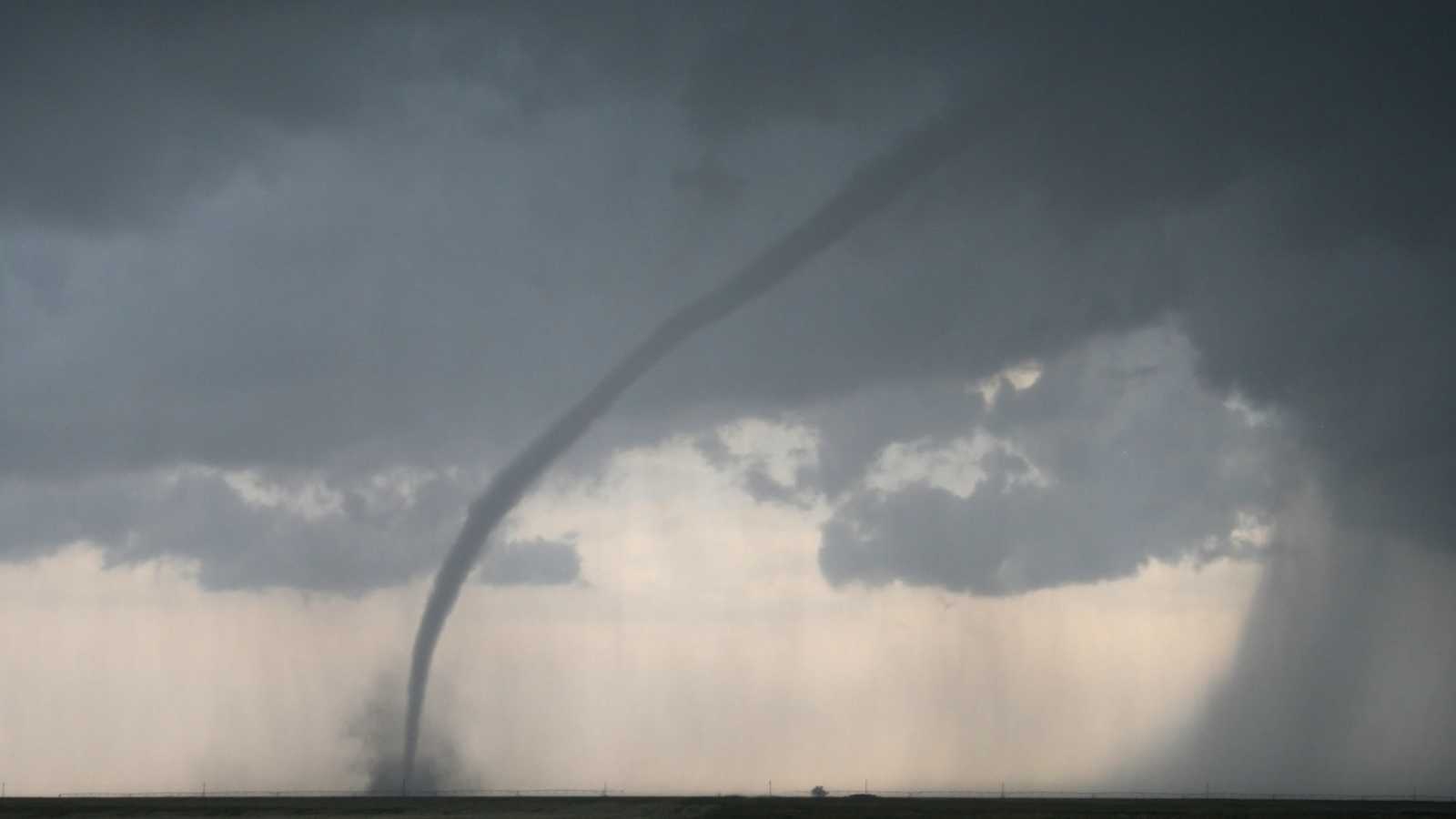
The impact of severe weather on roof durability is a vital concern for homeowners and builders alike. Severe weather phenomena, including hail, heavy rain, high winds, and extreme temperatures, can significantly shorten the lifespan of a roof. In this article, we dive into the critical aspects that define how these weather conditions affect roof integrity and longevity.
Measuring Effects of Severe Weather Phenomena on Roof Lifespan
Severe weather phenomena such as hail, heavy rain, high winds, and extreme temperatures have a significant impact on the lifespan of roofs. For instance, hailstorms can lead to cracks in roofs, causing water leaks and structural damage. According to industry data, hail damage accounts for a notable percentage of roof repair and replacement cases annually, showcasing the detrimental effects of severe weather on roof durability.
In addition to hail, heavy rain can also accelerate roof deterioration by causing water damage and promoting mold growth. Statistics indicate that prolonged exposure to heavy rain can weaken roofing materials, leading to leaks and potential structural issues. high winds pose a threat to roofs by lifting shingles, exposing underlying layers to further damage. Studies have shown that wind damage is a common cause of roof repairs, emphasizing the need for homeowners to consider the impact of severe weather phenomena on roof longevity when choosing roofing materials and maintenance practices.
5 Factors That Influence Roof Durability
1. Roofing Material and Quality
The choice of roofing material plays a major role in determining the durability of a roof. Different materials offer varying levels of longevity and resistance to severe weather conditions. For example, metal roofs are known for their exceptional durability and can last 40 to 70 years or more, making them a wise investment for homeowners seeking long-lasting protection against the elements. It’s essential for homeowners to research and consult with roofing professionals to select the most suitable material based on their location, budget, and desired lifespan for their roof.
2. Local Climate and Weather Extremes
The climate of a region has a direct impact on the lifespan of a roof. Areas prone to extreme weather conditions such as heavy snow, torrential rain, or scorching heat require roofs designed to withstand such challenges. Homeowners should consider factors like temperature fluctuations, precipitation levels, and wind patterns when choosing roofing materials and maintenance strategies. Consulting with local roofing experts who understand the specific climate challenges of the area can help homeowners make informed decisions to enhance their roof’s durability.
3. Installation Quality
The skill and expertise of the roofing contractor who installs the roof are critical factors influencing its longevity. Proper installation techniques make sure the roof is structurally sound and able to withstand harsh weather conditions over time. Homeowners should prioritize hiring experienced professionals with a track record of quality installations to make sure their roof is built to last. Regular inspections and maintenance by certified contractors can help identify potential issues early and prevent costly repairs down the road.
4. Maintenance
Regular maintenance is essential for prolonging the lifespan of a roof. Homeowners should schedule annual inspections to check for signs of wear, damage, or debris buildup that could compromise the roof’s integrity. Simple tasks like clearing gutters, trimming overhanging branches, and repairing minor leaks quickly can prevent more significant issues from developing. Establishing a routine maintenance schedule and keeping detailed records of inspections and repairs can help homeowners track the condition of their roof and address any concerns proactively.
5. Severe Weather Phenomena
Extreme weather events such as hailstorms, heavy rain, high winds, and snow can significantly impact the durability of a roof. Understanding how these phenomena affect roofing materials and structures is essential for preparing and protecting homes against potential damage. Implementing preventive measures like reinforcing vulnerable areas, installing impact-resistant materials, and scheduling post-storm inspections can help mitigate the effects of severe weather on roof longevity.
How Can Homeowners Protect Their Roofs from Severe Weather Damage?
Homeowners can take proactive steps to protect their roofs from severe weather damage by implementing preventive measures and investing in resilient roofing materials. One effective strategy is to install impact-resistant roofing materials that are designed to withstand hail, high winds, and other extreme weather conditions. Studies show that impact-resistant shingles can significantly reduce the risk of damage during severe storms, leading to fewer repair or replacement costs for homeowners. reinforcing the roof’s structure with proper underlayment and fastening systems can enhance its resistance to wind uplift and prevent shingle loss.
Regular roof maintenance is another key aspect of protecting roofs from severe weather damage. Conducting annual inspections to check for signs of wear, leaks, or loose shingles can help homeowners identify potential issues early and address them before they escalate. Homeowners can lower the risk of water damage and structural damage during heavy rain or snow by cleaning out their gutters, cutting back tree branches that are close to the roof, and making sure their attics have enough air flow.
What Materials Offer the Best Resistance to Severe Weather?
- Metal Roofing: Metal roofs are known for their exceptional durability and resistance to severe weather conditions. They can withstand heavy rain, hailstorms, high winds, and snow accumulation better than many other roofing materials. Metal roofs are a popular choice for homeowners in areas prone to extreme weather due to their longevity and low maintenance requirements. For example, standing seam metal roofs offer superior wind resistance and can last 40 to 70 years or more with proper installation and maintenance.
- Synthetic Slate or Shake Roofing: Synthetic slate or shake roofing materials mimic the appearance of natural slate or wood shakes but offer enhanced durability and resistance to severe weather. These materials are typically made from composite materials like polymer, rubber, or plastic, providing excellent impact resistance against hail and strong winds. Homeowners looking for a traditional aesthetic combined with modern durability often opt for synthetic slate or shake roofing to protect their homes from weather-related damage.
- Concrete Tile Roofing: Concrete tile roofing is known for its strength and resilience against severe weather elements such as heavy rain, hail, and high winds. Concrete tiles are durable and long-lasting, able to withstand harsh weather conditions without deteriorating quickly. This type of roofing material is a popular choice for homeowners seeking a sturdy solution that can endure the challenges of varying climates. Concrete tile roofs offer superior fire resistance and can last up to 50 years or more with proper care and maintenance.
Utilizing Big Home Projects to Find Skilled Roofing Contractors
Big Home Projects offers a valuable platform for homeowners to find skilled roofing contractors for their roofing needs. Homeowners can find a wide range of contractors who offer roofing services, such as installation, repairs, and maintenance, by using the website directory. Statistics show that sites like Big Home Projects make it easy for people to find out about roofing contractors by showing customer reviews, business highlights, and verifications like background checks and licenses. This helps people choose a roofing contractor with more knowledge. The community-focused approach of the platform encourages networking between contractors and homeowners, making it easier for everyone to share their knowledge and find the right professionals for roofing jobs.
Homeowners can use Big Home Projects to find roofing contractors. The site has detailed business profiles that include important details like the contractor’s experience, services offered, locations they cover, and any discounts or special offers they may have. People can compare contractors based on their qualifications, experience, and customer reviews by looking at these profiles. This way, they can be sure to hire a trustworthy professional for their roofing needs. There are accessibility features on Big Home Projects that make it easier for homeowners and contractors to talk about project details, get quotes, and schedule services. For example, homeowners can contact contractors via email or messaging apps like WhatsApp. Using Big Home Projects to find skilled roofing contractors improves the homeowner’s experience by making it easier to choose a contractor and making sure that roofing projects go smoothly.
The Impact of Regular Maintenance on Extending Roof Life Amidst Severe Weather
Regular maintenance plays a vital role in extending the lifespan of roofs, especially in the face of severe weather conditions. Studies have shown that proactive maintenance, including annual inspections, cleaning gutters, and addressing minor repairs quickly, can significantly increase the durability of roofs and reduce the risk of damage during severe weather events. Homeowners can find potential problems early, stop small problems from getting worse, and ultimately extend the life of their roofs by doing regular maintenance.
Regular maintenance not only makes roofs last longer, but it also helps homeowners save money in the long run. Stormy weather like hail, high winds, and heavy rain are less likely to damage roofs that are maintained regularly, according to data. If people take care of their roofs, they can avoid expensive repairs or replacements before they should have to because of neglect or lack of maintenance. Homeowners can find weak spots in their roofs and take steps to protect them from future weather problems by scheduling professional inspections and maintenance checks. This will protect their homes and investments for years to come.
How Do Different Roofing Systems Fare Against Extreme Weather Conditions?
Different roofing systems exhibit varying levels of resilience when faced with extreme weather conditions. For instance, metal roofing systems are known for their exceptional durability and ability to withstand high winds, heavy rain, hail, and snow. Studies have shown that metal roofs have a high resistance to impact damage from hail and can offer superior protection against wind uplift, making them a popular choice for regions prone to severe weather. On the other hand, asphalt shingle roofing systems, while commonly installed due to their affordability, may be more susceptible to damage from hail and strong winds compared to metal or tile roofs.
Tile roofing systems, such as concrete or clay tiles, are recognized for their strength and longevity in extreme weather environments. These roofing materials are highly resistant to fire, wind, hail, and heavy rain, providing homeowners with durable protection against various weather challenges. Concrete tile roofs, for example, have been shown to withstand severe weather events like hurricanes and thunderstorms better than many other roofing options.
What Role Does Insurance Play in Mitigating the Costs of Weather-Related Roof Damage?
Insurance plays a major role in mitigating the costs associated with weather-related roof damage for homeowners. Homeowners’ insurance policies typically cover damages caused by severe weather events such as hailstorms, windstorms, and heavy rain, providing financial protection against repair or replacement expenses. According to industry data, weather-related roof damage accounts for a significant portion of homeowners’ insurance claims each year, highlighting the importance of having adequate coverage to address unforeseen weather challenges.
insurance companies offer policy options that cater specifically to weather-related risks, such as windstorm or hail damage coverage, to help homeowners safeguard their roofs against potential weather-related losses. These specialized insurance provisions can provide additional protection for roofs in regions prone to extreme weather phenomena, ensuring that homeowners have the support they need to address damages quickly and effectively. In cases where severe weather leads to roof damage, filing a claim with the insurance provider can help homeowners access the necessary funds to cover repair costs and restore the integrity of their roofs.