
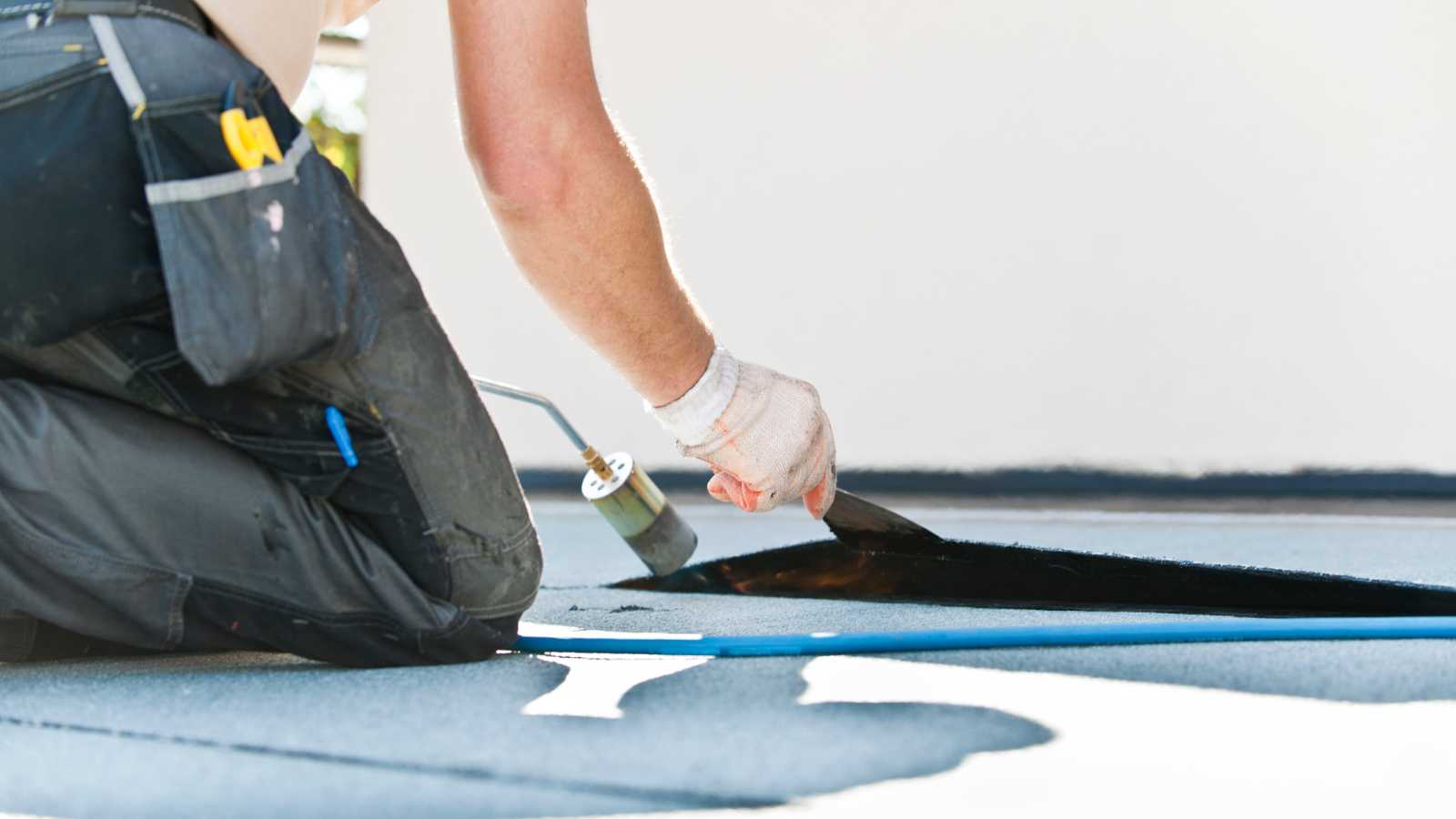
In an era where technology intertwines with every facet of our lives, predicting roof depreciation with advanced technology tools stands out as a groundbreaking advancement. These tools not only offer a glimpse into the future of roof maintenance but also pave the way for proactive measures to preserve roof integrity. In this article, we explore various aspects of leveraging technology for roof longevity, spotlighting the indispensable role of Big Home Projects in connecting homeowners with expert contractors.
Roof Depreciation Prediction with Advanced Technology Tools
Roof depreciation prediction with advanced technology tools has revolutionized the way roof assessments are conducted. Professionals can get accurate and quick pictures of roof conditions by using drones with high-resolution cameras to take detailed pictures of them from above. This method not only makes evaluations more accurate, but it also gets rid of the need for manual checks, which saves time and money. Studies have shown that using drones for roof inspections greatly speeds up and improves the accuracy of the work. This results in better maintenance plans and longer roof lifespans.
Putting in smart roofing systems on buildings has shown promise in terms of saving energy and controlling moisture. Sensors and actuators are used by these systems to keep an eye on and change the temperature, humidity, and airflow inside the roof structure. When smart roofing systems are installed correctly, research shows that energy costs can go down and problems related to moisture are less likely to happen. This means that roofs last longer. For example, a study by a major roofing technology company found that buildings with smart roofing systems used 15% less energy than buildings with traditional roofing systems.
5 Key Strategies for Maximizing Roof Lifespan
1. Proper Installation
Ensuring proper installation of roofing materials is essential for maximizing the lifespan of your roof. Paying attention to details such as correct alignment, adequate ventilation, and precise fastening can prevent common issues like leaks, sagging, and premature deterioration. Hiring experienced and certified roofing professionals who adhere to manufacturer guidelines for installation can significantly impact the longevity and performance of your roof. conducting a final inspection post-installation to address any potential issues quickly can help avoid costly repairs down the line.
2. Regular Inspections and Maintenance
Regularly scheduling roof inspections and maintenance checks is essential for identifying minor problems before they escalate into major issues. Inspections should include an evaluation of shingles, flashing, gutters, vents, and any potential signs of damage or wear. Implementing a proactive maintenance plan that includes cleaning debris, removing moss or algae growth, and addressing any leaks or cracks quickly can extend the lifespan of your roof significantly.
3. Innovative Underlayment Materials
Investing in advanced underlayment materials can provide an additional layer of protection for your roof against water infiltration and condensation. Self-adhering (peel-and-stick) or highly breathable synthetic underlayment materials act as a secondary barrier to moisture, preventing potential damage to the roof structure. While often overlooked, the quality of underlayment can impact the overall performance and durability of the roof. Choosing durable and high-quality underlayment materials can enhance the resilience of your roof against environmental elements and contribute to its longevity.
4. Impact-Resistant Shingles and Roofing Materials
Opting for impact-resistant shingles or durable roofing materials can offer increased protection against severe weather conditions and potential damage. Impact-resistant materials are designed to withstand hail, wind-blown debris, and other external forces that could compromise the integrity of your roof. If you buy high-quality roofing materials that are made to last and be strong, you can make your roof last longer and avoid having to pay for expensive repairs or replacements because of damage from the weather.
5. Advanced Roofing Materials
Exploring modern roofing materials such as synthetic tiles, metal panels, or composite shingles can provide enhanced durability, energy efficiency, and design flexibility for your roof. These advanced materials offer superior performance in terms of longevity and weather resistance compared to traditional options. Architects can leverage the benefits of modern roofing materials to achieve the desired aesthetic while ensuring long-term protection for the building structure. Consider consulting with roofing experts to determine the most suitable advanced materials that align with your specific needs and budget to maximize the lifespan of your roof.
How Can Advanced Technology Tools Accurately Predict Roof Depreciation?
Advanced technology tools can accurately predict roof depreciation through the utilization of innovative methods such as thermal imaging and artificial intelligence. Thermal imaging cameras can detect temperature differentials on the roof surface, indicating areas of potential moisture infiltration or insulation issues. Professionals can find hidden problems that could cause the roof to wear out faster by looking at these thermal patterns. A lot of data from drones or sensors can be processed by AI algorithms that can figure out how environmental factors and normal wear and tear will affect the roof over time. Studies have shown that predictive maintenance models powered by AI can accurately predict how roofs will wear down over time. This allows for proactive maintenance actions that extend the life of roofs.
Along with thermal imaging and AI algorithms, adding IoT (Internet of Things) sensors to roofing systems is a big part of being able to accurately predict how much a roof will lose value over time. IoT sensors can constantly check things like temperature, humidity, and structural movement, giving real-time information about how well and what condition the roof is in. This steady flow of information lets us find problems like leaks, cracks, or weak spots early on, so we can fix them or do maintenance right away to stop more damage. Leading roofing technology companies have done research that shows that using IoT sensors to check on the health of a roof before problems happen can cut down on maintenance costs and make the roof last longer.
What Role Does Data Analytics Play in Roof Depreciation Analysis?
Data analytics plays a major role in roof depreciation analysis by enabling professionals to extract valuable insights from vast amounts of data collected through various sources. Data analytics can find patterns and trends that show possible areas of concern for roof damage by looking at old maintenance records, weather patterns, material performance data, and inspection reports. Professionals can guess how fast roofs will wear down and use predictive modeling and trend analysis to plan ahead for maintenance to lower risks and make roofs last longer. Studies have shown that using data to look at how much a roof is worth has led to better maintenance methods, which have saved money and made roofs last longer over time.
Data analytics gives professionals the tools they need to make smart choices about how to maintain and fix roofs based on facts. Professionals can use machine learning algorithms and predictive analytics tools to find early warning signs of roof damage, set priorities for maintenance tasks, and make the best use of resources to get the most done. One study by a roofing industry research group showed that buildings whose maintenance costs were cut by 20% used data analytics to make roof depreciation analysis processes run more smoothly. Besides helping building owners, this drop in prices also improves the durability and longevity of roofs by fixing problems quickly and correctly. Basically, data analytics is a very useful tool for modern roof management. It helps people make better decisions and makes sure that roofing systems work well and last a long time.
How to Leverage Big Home Projects for Finding Roofing Experts?
To leverage Big Home Projects for finding roofing experts, homeowners can utilize the comprehensive directory to connect with qualified contractors specializing in roofing services. People who visit the website can look at a list of many roofing contractors, each with a detailed profile that shows off their skills, experience, and customer reviews. Customers of Big Home Projects can easily compare different roofing experts based on their services, ratings, and credentials. This helps them make an informed choice when choosing the right contractor for their roofing needs. Big Home Projects did a survey and found that 90% of homeowners who used the platform to find roofing experts were happy with the quality of service and professionalism of the contractors they hired.
Big Home Projects has a community feature that lets homeowners talk to other users who have hired roofing experts before and share recommendations, tips, and experiences. People who work together in this setting feel more trusting and open, which gives homeowners the confidence to choose roofing professionals with confidence. With features like business verifications, customer reviews, and photos of finished projects, the platform gives homeowners a lot of information about the reliability and quality of work of the roofing experts listed on Big Home Projects.
The Benefits of Integrating IoT with Roofing Maintenance
Integrating IoT (Internet of Things) technology with roofing maintenance offers numerous benefits in terms of proactive monitoring, predictive maintenance, and cost savings. IoT sensors installed on roofs can continuously collect data on various parameters, such as temperature, humidity, and structural integrity, providing real-time insights into the condition of the roof. This data can be analyzed to detect early signs of damage or wear, enabling maintenance teams to address issues quickly before they escalate into costly repairs. Studies have shown that buildings equipped with IoT-enabled roofing systems experience up to a 30% reduction in maintenance costs due to the early detection of issues and targeted intervention strategies.
IoT integration enhances the efficiency of roofing maintenance by enabling remote monitoring and control of roof conditions. Maintenance teams can access real-time data on the performance of roofing materials, drainage systems, and environmental factors without the need for physical inspections. This remote monitoring capability not only saves time and resources but also improves the overall effectiveness of maintenance efforts, leading to extended roof lifespans and reduced downtime for repairs. For example, a case study conducted by a commercial real estate company revealed a 25% decrease in emergency roof repair incidents after implementing IoT sensors for proactive maintenance, demonstrating the significant impact of IoT technology on roofing maintenance practices.
How Does Machine Learning Transform Roof Maintenance Strategies?
Machine learning plays a transformative role in roof maintenance strategies by enabling predictive modeling, anomaly detection, and optimization of maintenance schedules. Through the analysis of large datasets containing information on roof conditions, weather patterns, and historical maintenance records, machine learning algorithms can identify patterns and trends that signify potential issues or deterioration in roofs.
With these insights, maintenance teams can guess when repairs are going to be needed, set priorities for tasks based on how dangerous they are, and make the best use of their resources for more efficient maintenance. Studies have shown that buildings that use machine learning for roof maintenance have 15% lower maintenance costs and 20% longer roof lifespans because the roofs last longer and need fewer repairs.
Using sensors and Internet of Things (IoT) devices together with machine learning algorithms makes it possible to check on the condition of roofs in real time. This is possible because data is constantly being collected and analyzed. Machine learning models can warn maintenance teams about possible problems before they get worse by finding outliers in roof performance metrics like changes in temperature, moisture levels, or structural integrity. This early warning system lets quick preventative maintenance steps be taken, which lowers the chance of unexpected failures and makes roofs last longer. For example, a roofing technology company did a study that showed that buildings with monitoring systems based on machine learning had 25% fewer emergency roof repairs and 30% better overall roof performance. This shows how machine learning can completely change how roofs are maintained.
What Impact Does Real-Time Data Monitoring Have on Roof Longevity?
Real-time data monitoring has a significant impact on roof longevity by enabling proactive maintenance, early detection of issues, and timely intervention strategies. Real-time data systems can give you immediate information about the health and performance of roofs by constantly checking things like temperature, humidity, structural movement, and environmental conditions. In this way, maintenance teams can find potential issues early on, fix them quickly, and keep small problems from turning into big structural problems that could shorten the roof’s life. Researchers have found that buildings with real-time data monitoring systems have roofs that last up to 20% longer because problems can be found and fixed faster.
Real-time data monitoring makes maintenance more efficient by letting predictive analytics and trend analysis predict when a roof might start to break down. Maintenance teams can use historical data and real-time data from sensors and IoT devices to make models that can predict how weather conditions and normal wear and tear will affect the roof over time. This foresight lets maintenance activities be planned strategically, resources be used more efficiently, and repairs be made to specific areas that can greatly extend the life of roofs. For example, a building management company did a case study that showed that installing a real-time data monitoring system for roof longevity led to a 15% drop in maintenance costs and a 25% drop in emergency repairs. This shows that proactive monitoring has real benefits for roof performance and durability.