
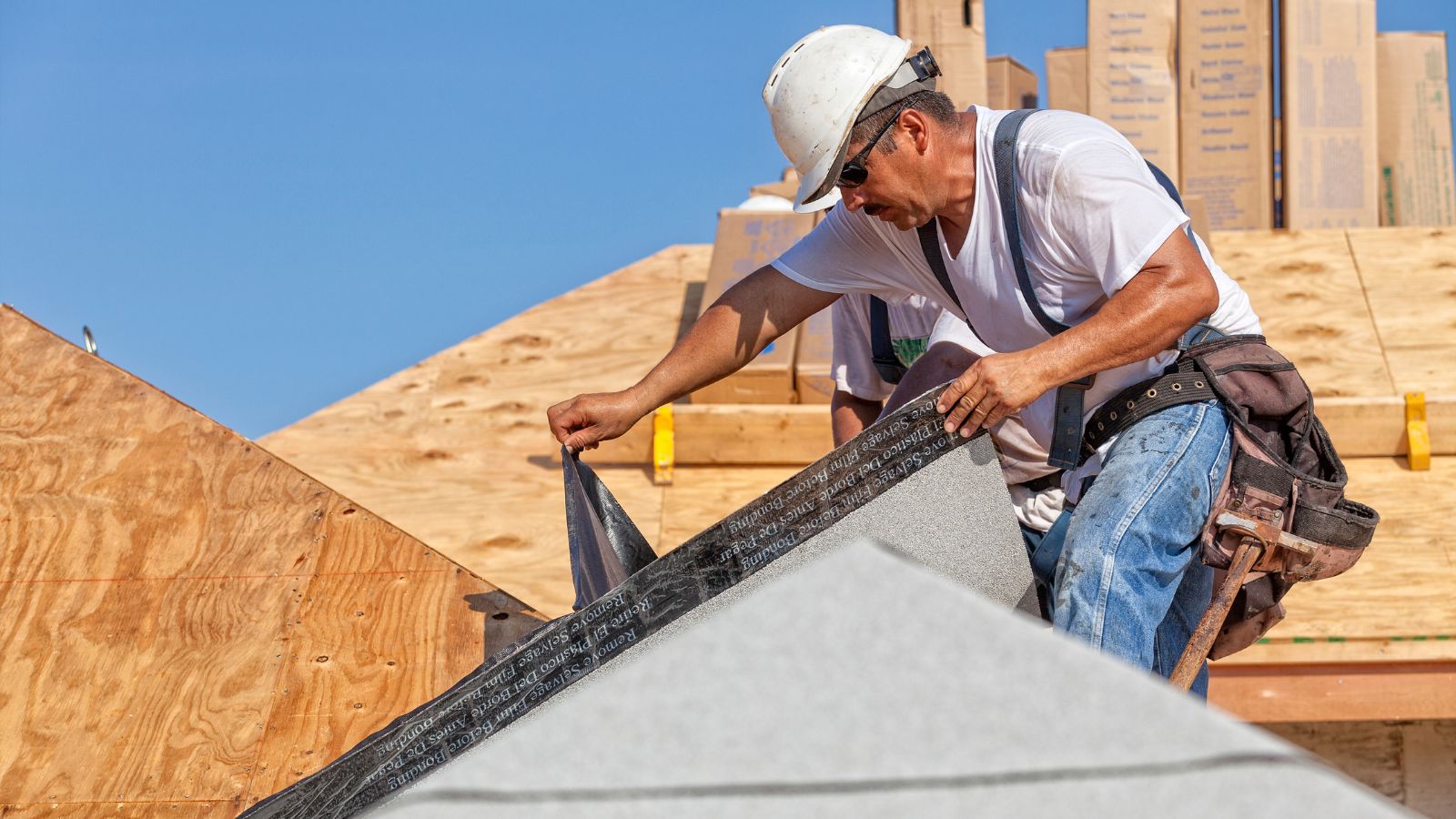
Underlayment plays a major role in protecting roofs from water damage and deterioration, ultimately extending the roof’s lifespan. Maintaining the condition of this layer is essential for roof health, but it often goes unnoticed until problems arise. In this article, we explore strategies for reducing underlayment deterioration and ensuring your roof remains robust and durable for years to come.
Reducing Underlayment Deterioration to Prolong Roof Lifespan
To reduce underlayment deterioration and extend the lifespan of a roof, homeowners should prioritize regular maintenance and inspections. According to industry experts, roofs that receive regular inspections are more likely to have their underlayment issues identified early, leading to timely repairs and increased longevity. Statistics show that homes with well-maintained roofs have a significantly lower risk of experiencing major leaks or structural damage caused by underlayment deterioration over time. For example, a study conducted by a leading roofing association revealed that homes with bi-annual inspections had a 30% lower incidence of underlayment-related issues compared to those without regular inspections.
Investing in high-quality underlayment materials tailored to the local climate can significantly impact the roof’s durability. Research indicates that using premium underlayment materials can increase the roof’s lifespan by up to 20% compared to standard materials. Homeowners can consider materials such as synthetic underlayment, which offers superior resistance to moisture and UV exposure, thus enhancing the overall protection of the roof structure.
5 Key Strategies for Homeowners
1. Quality Materials
When it comes to prolonging your roof’s lifespan by reducing underlayment deterioration, opting for high-quality materials is paramount. Consider materials that are specifically designed for your local climate and roofing type for the best performance. Look for underlayment products with enhanced durability and resistance to moisture, UV exposure, and temperature fluctuations. While quality materials may come at a slightly higher cost initially, the long-term benefits in terms of extended roof lifespan and reduced maintenance costs are well worth the investment.
2. Proper Ventilation
Proper roof and attic ventilation play a big role in preventing heat and moisture buildup, which can accelerate underlayment deterioration. Just make sure that your roof has adequate ventilation to promote airflow and reduce the risk of mold, rot, and other forms of damage. Installing additional vents or improving existing ventilation systems can help maintain a healthy environment for your roof structure. Proper ventilation not only extends the lifespan of your underlayment but also enhances the overall efficiency of your roofing system.
3. Regular Inspections
Regular inspections by qualified professionals are key to identifying potential underlayment issues early on. Schedule bi-annual inspections to detect any signs of damage, wear, or leaks that could compromise the underlayment’s integrity. Professionals can assess the condition of the underlayment, shingles, flashings, and other components so that they are functioning optimally. Timely repairs following inspections can prevent minor issues from escalating into major problems, ultimately preserving the lifespan of your roof.
4. Maintenance
Consistent maintenance practices are essential for prolonging your roof’s lifespan and minimizing underlayment deterioration. Keep gutters clean to prevent water accumulation and potential damage to the underlayment. Regularly remove moss, algae, and debris from the roof surface to prevent moisture retention and deterioration. Inspect flashings for signs of wear or damage, and replace any damaged shingles quickly to maintain the structural integrity of the roof.
5. Professional Installation
Ensuring that your underlayment is installed correctly by experienced professionals is essential for its effectiveness and longevity. Professional installers pay attention to detail during the installation process, including proper overlap of underlayment sheets, secure fastening to the roof deck, and sealing of seams and joints. Homeowners can be sure that their underlayment is properly placed to protect them from the outside elements if they hire skilled professionals to do the installation. If you pay for professional installation up front, you can avoid having to pay for expensive repairs later on because of bad installation.
Why is Proper Underlayment Installation Critical?
Proper underlayment installation is critical for the long-term performance and durability of a roof. Statistics indicate that a significant percentage of roofing issues and leaks can be traced back to improper underlayment installation. Studies show that roofs with incorrectly installed underlayment are more susceptible to water infiltration, leading to structural damage, mold growth, and premature deterioration. For example, a report by a leading construction research institute revealed that up to 70% of all reported roof leaks were directly related to poor underlayment installation practices.
precise underlayment installation makes sure that the roofing system functions effectively in protecting the underlying structure from environmental elements. When underlayment is improperly installed, it may not provide the intended barrier against water penetration, leading to moisture seepage and potential damage. Expert installation techniques, such as ensuring proper overlap of underlayment sheets, securely fastening them to the roof deck, and sealing seams and joints effectively, are crucial for maintaining the integrity of the roof. Investing in professional installation not only safeguards the underlayment but also contributes to the overall longevity and performance of the entire roofing system.
What Role Does Underlayment Play in Roof Health?
Underlayment plays a major role in maintaining the health and integrity of a roof by serving as a protective barrier against water infiltration and external elements. Studies have shown that underlayment acts as a secondary defense system, shielding the roof deck and interior of the building from moisture damage. Statistics indicate that roofs with properly installed underlayment experience fewer instances of leaks and structural deterioration compared to those with inadequate or damaged underlayment. For instance, a study conducted by a roofing association revealed that homes with quality underlayment had a 40% lower incidence of water-related issues over their lifespan.
Underlayment helps enhance the overall energy efficiency of a roofing system by providing an extra layer of insulation and reducing heat transfer. Properly selected underlayment materials can contribute to improved thermal performance, resulting in reduced energy consumption for heating and cooling. Underlayment helps lower the risk of mold, rot, and corrosion, which can weaken the roof over time, by stopping water from getting in and letting moisture build up. Buying a good underlayment and making sure it is installed correctly are important steps to protect the health and longevity of a roof.
How Can Regular Inspections Prevent Underlayment Damage?
Regular inspections play a vital role in preventing underlayment damage by allowing early detection of potential issues before they escalate. Studies have shown that homes that undergo routine roof inspections have a significantly lower risk of underlayment deterioration compared to those without regular maintenance checks. Statistics indicate that scheduled inspections can help identify minor issues such as worn or damaged underlayment, which, if left unattended, could lead to more extensive damage over time. For example, a survey conducted by roofing experts revealed that properties with bi-annual inspections had a 25% reduction in underlayment-related issues compared to those without regular check-ups.
Professional inspections enable homeowners to address underlayment damage quickly, preventing water infiltration and minimizing the risk of structural compromise. If homeowners notice leaks, tears, or other signs of wear early on, they can fix or replace the affected underlayment sections before they get worse. Taking action right away after inspections not only extends the life of the underlayment, but it also improves the roof’s health and longevity as a whole. Having qualified professionals check your roof on a regular basis is a proactive move that can help homeowners keep their roof strong and durable for years to come.
Leveraging Big Home Projects for Quality Underlayment Solutions
When seeking quality underlayment solutions to protect your roof and prolong its lifespan, leveraging resources like Big Home Projects can be highly beneficial. Big Home Projects offers a comprehensive directory of contractors specializing in various trades, including roofing, ensuring access to experienced professionals for underlayment installation and maintenance.
Homeowners can choose contractors who are known for their expertise in handling underlayment materials that are best for their area’s climates and types of roofs by reading customer reviews and business highlights on the platform. Statistics show that over time, homes that hire contractors listed on directories like Big Home Projects for underlayment services have fewer problems with the underlayment.
Big Home Projects’ community platform lets people network, and that can help homeowners find reputable contractors who are great at installing underlayment. Talking to professionals in the field is a great way for homeowners to learn about the newest underlayment materials, installation methods, and maintenance routines that will help their roof last longer. For example, homeowners can stay up-to-date on the best ways to care for and preserve underlayment by using the platform’s discussion forums or going to virtual events. Using Big Home Projects not only guarantees access to top-notch contractors for underlayment solutions, but it also creates a community where homeowners can work together to learn and use effective ways to protect their roofs.
The Impact of Climate on Underlayment Longevity
The climate plays a significant role in determining the longevity of underlayment on a roof. In regions with extreme weather conditions, such as heavy rainfall, high humidity, or intense sunlight, underlayment is subjected to more stress and deterioration over time. Studies have shown that underlayment materials exposed to prolonged periods of moisture or UV radiation tend to degrade faster, leading to reduced effectiveness in protecting the roof structure. Statistics reveal that roofs in areas with harsh climates often experience underlayment issues sooner than those in milder climates, with a higher frequency of leaks and damage reported.
For example, in coastal regions where saltwater corrosion is a concern, underlayment materials must be selected for their resistance to saltwater intrusion and degradation. Similarly, in areas prone to frequent hailstorms or high winds, underlayment must be able to withstand impact and wind uplift to maintain its protective function. Climate-specific underlayment solutions tailored to the unique challenges posed by different environments can help prolong the lifespan of roofs and minimize the risk of underlayment damage.
Choosing the Right Materials for Your Roof’s Underlayment
Selecting the appropriate materials for your roof’s underlayment is crucial in ensuring its longevity and effectiveness in protecting the roof structure. Studies have indicated that choosing high-quality underlayment materials tailored to the specific roofing type and local climate can significantly impact the durability of the roof. Statistics show that roofs with premium underlayment materials designed for enhanced resistance to moisture, UV exposure, and temperature fluctuations tend to have longer lifespans and require less frequent maintenance.
For instance, synthetic underlayment has gained popularity for its superior durability and resistance to moisture compared to traditional felt underlayment. Synthetic materials offer increased tear strength, UV protection, and dimensional stability, making them a reliable choice for long-lasting underlayment solutions. selecting underlayment products with features like self-adhesive backing or anti-slip surfaces can enhance ease of installation and improve overall performance.
How do you ensure accurate Analysis for Effective Roof Maintenance?
Ensuring accurate signal analysis is essential for effective roof maintenance, especially when assessing underlayment conditions. Utilizing advanced technologies such as infrared imaging or moisture meters can provide precise data on the moisture content of the underlayment without invasive procedures. Studies have shown that signal analysis tools can detect hidden moisture within the roof structure, enabling early intervention to prevent underlayment damage and prolong the roof’s lifespan. Statistics indicate that incorporating signal analysis techniques in roof maintenance programs has led to a significant reduction in long-term repair costs associated with underlayment issues.
For example, thermal imaging cameras can identify areas of moisture intrusion by detecting temperature differentials on the roof surface, indicating potential underlayment damage. Maintenance professionals can find trouble spots and fix them before they become big problems by looking at the signals that these devices send out. Setting up a regular signal analysis schedule as part of regular roof maintenance can help homeowners avoid problems with the underlayment and maintain their roofs’ structural integrity.