
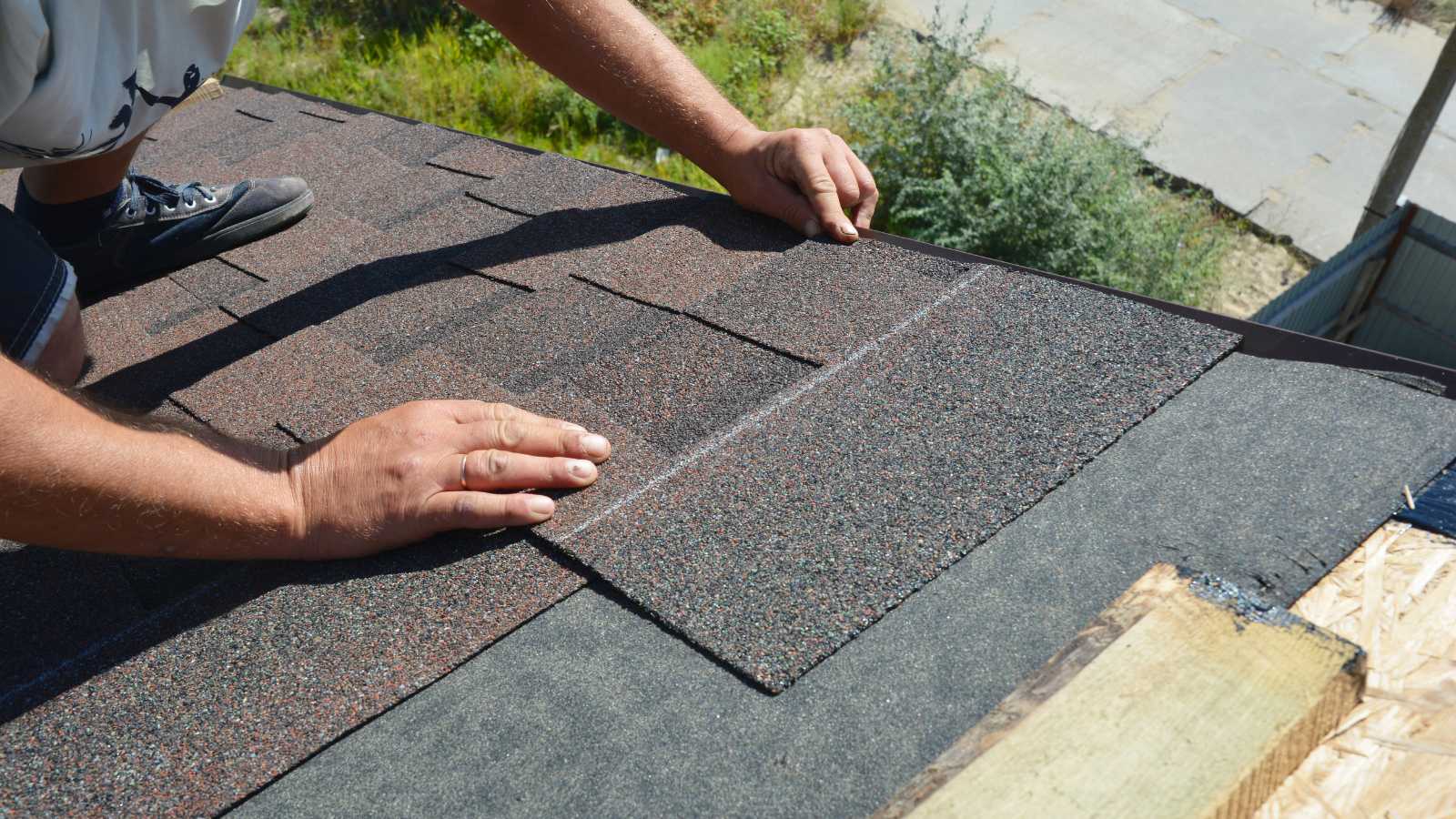
When it comes to choosing the right roofing system for your building, understanding the differences between adhered and mechanically attached single-ply roofs is crucial. These systems offer distinct advantages and limitations, particularly concerning their lifespans, performance under various conditions, and overall cost-effectiveness. In this article, we will dive into the essential comparisons and considerations to help you make an informed decision.
Adhered vs Mechanically Attached Single Ply Roof Lifespans
When comparing the lifespans of adhered and mechanically attached single-ply roofs, it is essential to consider their installation methods and how they influence durability. Adhered single-ply roofs typically boast a lifespan ranging from 20 to 35 years for a 60-mil membrane, owing to their strong bond with the substrate. This bonding distributes stress evenly across the roof, reducing the risk of damage from wind uplift and other environmental factors, making them a robust long-term option.
In contrast, mechanically attached roofs often have a shorter lifespan, averaging between 15 to 30 years for a 45-mil single-ply membrane. The reliance on mechanical fasteners in seam areas can lead to potential weaknesses, especially during severe weather conditions. For instance, in areas prone to high winds, the loose appearance of the membrane can exacerbate fluttering, resulting in added wear over time compared to the tighter seal provided by adhered systems.
Ultimately, the choice between adhered and mechanically attached systems should factor in not only the estimated lifespan but also local climate conditions and the specific requirements of the building. For homeowners or property managers considering roofing options, utilizing resources like Big Home Projects can help connect with experienced contractors who can provide insights tailored to individual needs. This makes sure that the chosen roofing system aligns with both budget considerations and performance expectations over its lifespan.
5 Key Factors Influencing Single Ply Roof System Choices
1. Installation Method
The installation method is a critical factor influencing the choice between adhered and mechanically attached single-ply roof systems. Adhered systems require skilled labor and specialized adhesives, which can increase installation costs but often lead to superior durability and performance. On the other hand, mechanically attached roofs offer a quicker installation process that may be suitable for budget-conscious projects. When selecting a contractor, it’s essential to inquire about their experience with each method, as this can significantly affect the long-term success of your roofing system.
2. Climate and Weather Conditions
Climate plays a significant role in determining the best roofing system for your building. Areas with extreme weather conditions, such as high winds, heavy rainfall, or significant temperature fluctuations, may benefit from adhered systems due to their superior wind uplift resistance. Conversely, mechanically attached roofs might be better suited for moderate climates where installation speed and cost-effectiveness take precedence. Consider consulting with local roofing experts who understand regional weather patterns and can recommend the most suitable option based on historical data and trends.
3. Lifespan Expectations
Understanding the expected lifespan of different single-ply roofing systems helps homeowners make an informed decision. Generally, adhered roofs have a longer lifespan than mechanically attached systems, particularly in challenging weather conditions. To maximize longevity, it’s crucial to prioritize regular maintenance and inspections tailored to your specific roofing system. keep in mind that some manufacturers offer warranties that vary based on installation type, so ensure you review these terms when making your selection.
4. Budget Considerations
Budget constraints are often a deciding factor when choosing a roofing system. While adhered single-ply roofs may come with higher upfront costs due to materials and installation complexity, they may save money in the long run through reduced maintenance and extended lifespan. It’s beneficial to request detailed quotes from multiple contractors listed on platforms like Big Home Projects, allowing you to compare not only prices but also potential long-term savings based on the expected durability of the systems offered.
5. Aesthetic Preferences
Aesthetic considerations should not be overlooked when selecting a roofing system. Adhered systems provide a sleek appearance with fewer seams, which can enhance the overall look of a building. Mechanically attached roofs, while functional, may exhibit a more segmented look due to visible fasteners. When making your choice, consider how the roof will impact the building’s exterior appearance and discuss options for color and material finishes with your contractor to ensure it aligns with your vision.
How Do Installation Conditions Affect Roof Lifespans?
Installation conditions significantly influence the lifespan of single-ply roofs, as factors such as temperature, moisture, and substrate preparation can affect the integrity of the roofing system. For example, installing adhered single-ply membranes in temperatures that are too low can prevent adhesives from properly curing, resulting in a weaker bond and reducing the roof’s overall durability. Studies have shown that roofs installed under optimal temperature conditions tend to perform better and last longer—often achieving their maximum lifespan potential, while those installed under poor conditions may experience premature failure.
Moisture levels during installation also play a big role. If a roof is installed on a wet or damp substrate, it can lead to adhesion issues and increase the risk of mold and mildew growth beneath the membrane. A report from the National Roofing Contractors Association indicates that roofs installed on properly prepared, moisture-free substrates can last up to 30% longer than those installed under less favorable conditions. This highlights the importance of thorough inspections and preparation before installation to ensure long-term performance.
the experience and skill of the installation crew are critical factors that can greatly impact roof longevity. An experienced contractor will understand how to navigate challenging installation conditions, such as high winds or extreme heat, and take necessary precautions to get the right application. For instance, they may employ specific techniques or tools to secure the membrane effectively during windy conditions or choose appropriate materials that can withstand temperature fluctuations without compromising the roof’s functionality. Investing in a qualified contractor can ultimately lead to a more reliable installation and extended roof lifespan.
Can Upfront Costs Reflect Long-Term Savings in Roofing Choices?
Upfront costs in roofing choices often reflect potential long-term savings, particularly when comparing different types of roofing systems. While adhered single-ply roofs may have higher initial costs due to materials and installation complexity, they typically offer better durability and lower maintenance expenses over time. For instance, a study by the National Roofing Contractors Association found that investing in higher-quality materials can result in a lifespan extension of up to 25%, which translates to fewer replacement costs and repairs over the roof’s life.
energy efficiency plays a significant role in long-term savings. Many single-ply roofing systems offer reflective surfaces that can reduce cooling costs by minimizing heat absorption. According to the U.S. Department of Energy, reflective roofing can lower energy bills by up to 20% during peak summer months. This means that while the upfront investment in a more efficient roofing system may be higher, the resulting savings on energy costs can offset that expense within a few years, leading to a net gain over the lifespan of the roof.
warranties associated with higher-priced roofing systems can provide financial security that offsets initial costs. Many premium roofing materials come with extensive warranties that cover repairs and replacements for extended periods, sometimes up to 30 years. This assurance means that homeowners are less likely to incur unexpected expenses related to roofing issues, further solidifying the argument that higher upfront costs can lead to substantial long-term savings and peace of mind.
Finding the Right Contractor Through Big Home Projects
Finding the right contractor for your roofing project can significantly impact the quality and longevity of your new roof. Big Home Projects serves as an invaluable resource, offering a comprehensive directory of vetted contractors across various trades, including roofing. Homeowners can make smart choices based on the experiences of others by reading customer reviews and business highlights on the platform. This is especially important in an industry where quality can vary a lot. Seventy percent of people trust online reviews just as much as personal recommendations. This is why it’s important to use this information when choosing a contractor.
In addition to customer feedback, Big Home Projects provides detailed information about each contractor’s qualifications, services offered, and specializations. For example, many listings include critical details such as licensing, insurance verification, and any warranties offered. This transparency not only helps homeowners assess the contractor’s credibility but also enables them to ask informed questions during initial consultations.
The platform facilitates direct communication between homeowners and contractors, allowing for easy inquiries regarding quotes, promotions, and services. With features like direct messaging through Facebook or WhatsApp, homeowners can quickly gather information and compare bids without the hassle of multiple phone calls. This streamlined process saves time and effort while ensuring that homeowners can find a contractor who not only fits their budget but also meets their specific requirements for quality and reliability in roofing projects.
How to Evaluate Performance and Aesthetics in Roof Systems
Evaluating the performance of roof systems involves assessing various technical factors that directly impact durability and functionality. Key performance indicators include wind uplift resistance, water ponding capabilities, and thermal performance. For instance, roofs that can withstand wind speeds of up to 90 mph generally demonstrate better resilience in storm-prone areas. According to the National Roofing Contractors Association, roofs with higher ratings for wind uplift can reduce the likelihood of costly repairs and replacements by up to 30%, making it essential for homeowners to consider these specifications when selecting a roofing system.
Aesthetics also play a significant role in choosing a roof system, as the appearance can greatly influence the overall curb appeal of a property. Factors such as color, texture, and profile contribute to the visual impact of a roof. Many manufacturers now offer a variety of styles and finishes, allowing homeowners to select options that complement their architectural design. For example, single-ply membranes are available in reflective white or other colors, which not only enhance aesthetics but also improve energy efficiency by reducing heat absorption. Research indicates that reflective roofing can lower surface temperatures by up to 20 degrees Fahrenheit, which can enhance indoor comfort levels and further contribute to energy savings.
When evaluating both performance and aesthetics, it is beneficial to consider how the two aspects interact with each other. A roof that looks appealing but lacks durability may lead to higher maintenance costs and aesthetic degradation over time. Conversely, a highly durable roof that does not suit the architectural style of the building may detract from its overall value. Therefore, homeowners should engage with qualified contractors who can provide insights into how different roofing materials and designs perform under local climate conditions while also aligning with their aesthetic preferences. This balanced approach makes sure that the chosen roofing system meets both functional demands and visual expectations.
The Role of Maintenance in Extending Roof Lifespans
Maintenance plays a major role in extending the lifespan of roofing systems, as regular inspections and timely repairs can significantly mitigate damage from environmental factors. According to the Roofing Industry Committee on Weather Issues, proactive maintenance can increase a roof’s lifespan by up to 50%. This is particularly important in areas prone to extreme weather conditions, where debris accumulation, water ponding, and UV exposure can lead to accelerated wear and tear. Regularly scheduled maintenance, such as clearing gutters and inspecting seams for damage, helps make sure potential issues are addressed before they escalate into costly repairs.
Routine maintenance allows for the identification of minor problems that could compromise the integrity of the roof system. For example, small punctures or tears in single-ply membranes can go unnoticed without regular inspections but can lead to significant leaks if left unaddressed. Research shows that addressing minor repairs early on can save homeowners up to 80% on future repair costs. Establishing a maintenance schedule with a qualified contractor can help ensure that these inspections take place regularly, helping to catch issues before they require major intervention.
In addition to physical inspections, keeping detailed records of maintenance activities and repairs can help track the overall health of the roofing system. Homeowners should document any repairs made, including dates and descriptions, as this information can be invaluable when assessing warranty claims or selling the property. having a well-maintained roof contributes to energy efficiency, as regular upkeep can prevent insulation degradation and air leaks. Ultimately, investing in routine maintenance not only enhances the longevity of the roof but also protects the homeowner’s investment in their property.
Is Investing in Premium Roofing Materials Worth the Cost?
Investing in premium roofing materials is often justified by their long-term benefits, including enhanced durability and reduced maintenance costs. Premium materials, such as high-quality single-ply membranes or metal roofing, typically offer longer lifespans compared to standard options. For instance, while traditional asphalt shingles may last around 15 to 20 years, premium roofing materials can extend lifespans to 30 years or more. According to a study by the National Roofing Contractors Association, homeowners who invest in higher-quality materials can save up to 20% on maintenance and repair costs over the life of the roof, making the initial investment worthwhile.
In addition to longevity, premium roofing materials often provide superior performance under challenging weather conditions. For example, high-end single-ply systems are designed to withstand extreme temperatures, heavy rainfall, and strong winds, reducing the risk of leaks and structural damage. A report from the Cool Roof Rating Council indicates that roofs with reflective coatings can lower energy costs by up to 20%, providing additional savings that help offset the initial expense of premium materials. This energy efficiency not only contributes to lower utility bills but also supports environmental sustainability by reducing energy consumption.
Premium roofing materials can enhance the overall value of a property. Homebuyers tend to favor homes with durable and aesthetically pleasing roofs, which can lead to higher resale values. According to Remodeling Magazine’s Cost vs. Value Report, homeowners typically recoup approximately 60% of their investment in a new roof at resale, with premium materials often yielding even higher returns. Therefore, while the upfront cost may be higher, investing in premium roofing materials can provide significant financial benefits over time, making it a wise decision for many homeowners.