
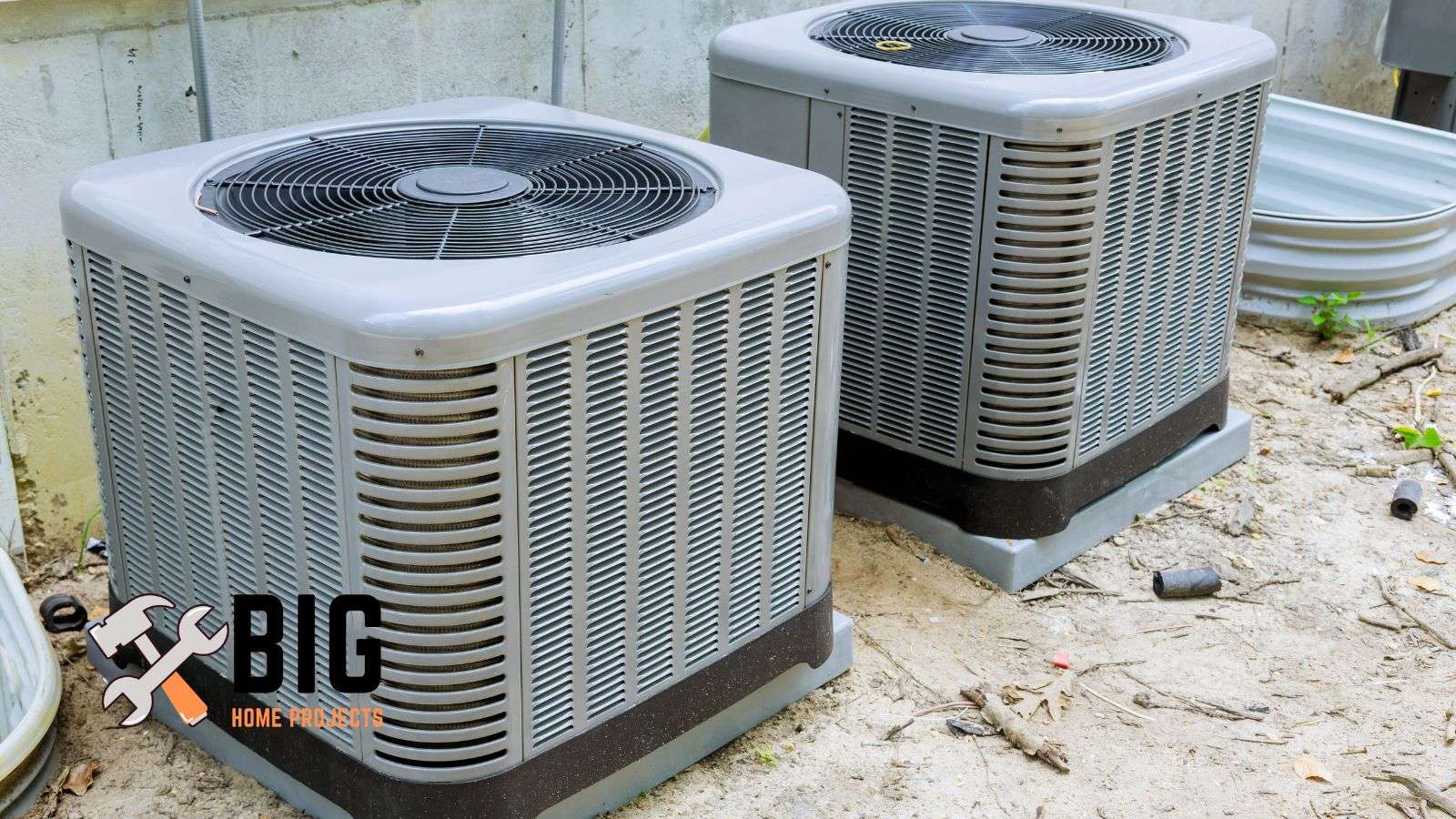
Selecting the optimal time to install a new AC unit can bring numerous benefits, from cost savings to improved unit performance. Knowing the patterns of unit demands, the industry’s seasonality, and the benefits of strategic scheduling is essential.
In this article, we will explore the best times to install an AC unit, cost-saving tips, and relevant factors that influence pricing and installation.
The best time to install a new AC unit
- Spring: The ideal time to install a new AC unit is during the spring, when demand is relatively low and prices are more competitive. It is before the peak summer season, allowing homeowners to enjoy the benefits of a new AC unit before the hot weather sets in.
- Fall: Another favorable time for installation is during the fall when temperatures begin to cool down. Demand decreases, and contractors may offer discounts or promotions to attract customers during this off-peak season.
- Winter: While not as common, some homeowners opt for winter installations when demand is at its lowest. Prices may be more negotiable during this time, but consider the inconvenience of living without AC during the installation process.
- Summer: Installing a new AC unit during the summer is possible but may come with higher prices and longer wait times due to increased demand. However, if your current AC unit has completely failed, it may be necessary to install a new one immediately, regardless of the season.
3 Cost-saving tips for efficient AC installation
1. Plan ahead for the installation
Before installing a new AC unit, it’s important to plan and prepare for the process. Measure the space where the unit will be installed to guarantee the right size is chosen. Research different AC models and their energy efficiency ratings to find one that suits your needs and budget. Consider scheduling the installation during off-peak seasons, when contractors may offer discounts or promotions.
2. Optimize energy efficiency
To save on energy costs in the long run, implement energy-saving measures during the AC installation. Make sure your home’s insulation is sufficient to retain cool air inside and thwart heat from seeping in. Ask the installer to seal any gaps or leaks in the ductwork for maximum efficiency. Install a programmable thermostat that allows you to set temperature schedules based on your daily routine, reducing unnecessary cooling when you’re not at home.
3. Regular maintenance and servicing
Once your new AC unit is installed, proper maintenance is crucial for optimal performance and longevity. Consistently clean or replace air filters to ensure proper airflow and prevent strain on the system. Schedule annual maintenance with a professional technician to check for any issues, clean coils, and guarantee correct refrigerant levels. By keeping your AC unit well-maintained, you can prevent breakdowns, improve energy efficiency, and potentially extend its lifespan.
Why is it recommended to schedule an AC installation ahead of time?
Scheduling an AC installation ahead of time is recommended to avoid inconvenience and additional costs. By planning ahead, you can secure a convenient installation date that works best for you and your schedule. Waiting until the last minute may result in longer wait times as HVAC contractors tend to be busier during peak seasons.
Moreover, scheduling in advance allows you to research different AC models, compare prices, and take advantage of any discounts or promotions offered by contractors during off-peak seasons.
This proactive approach not only ensures a smoother installation process but also gives you time to properly prepare your home and make any necessary arrangements, minimizing the potential for unexpected delays or extra expenses.
What could happen if I don’t schedule my AC installation ahead of time?
- Higher costs: Not scheduling your AC installation ahead of time may result in higher costs. HVAC contractors tend to be busier during peak seasons, and with increased demand, they may charge higher prices for their services.
- Delays: Without a scheduled installation date, you run the risk of experiencing delays. HVAC contractors have limited availability, especially during busier periods, and you may have to wait longer for them to fit you into their schedule. This can leave you without a functioning AC for an extended period, causing discomfort during hot weather.
- Limited options: By not scheduling ahead of time, you limit your options for AC models and contractors. The most energy-efficient and cost-effective units may get sold out or be in high demand. Reputable contractors with good reviews and experience could already be booked up, leaving you with fewer choices.
- Missed discounts and promotions: Many HVAC companies offer discounts and promotions during off-peak seasons to attract customers. By not scheduling in advance, you may miss out on these money-saving opportunities.
- Inconvenience: Not having a scheduled AC installation can be inconvenient. You may need to endure uncomfortable temperatures while waiting for an available slot. Last-minute installations can disrupt your schedule and require you to make rushed decisions without proper research or preparation.
How to avoid a broken-down system issue during peak seasons?
- Regular maintenance: Schedule regular maintenance for your AC system before the peak season hits. This includes cleaning or replacing air filters, checking refrigerant levels, and inspecting the components for any signs of wear or damage.
- Preventive repairs: Address any minor issues or repairs promptly to prevent them from escalating into major problems during peak seasons. Have a professional technician inspect the system and perform necessary repairs as soon as they are identified.
- Proper airflow: Guarantee proper airflow by keeping the outdoor unit free from debris and vegetation. Make sure there are no obstructions to the indoor vents or registers that could hinder the airflow.
- Thermostat settings: Set your thermostat at reasonable temperatures to avoid excessive strain on the system. Avoid drastic temperature changes that could put unnecessary stress on the AC unit.
- Avoid overuse: Be mindful of how often and for how long you run your AC system. Give it periodic breaks to prevent overuse and extend its lifespan.
- Shade and insulation: Provide shade for the outdoor unit by planting trees or using awnings to protect it from direct sunlight. Make sure proper insulation in your home to reduce heat transfer and keep the system from working harder than necessary.
Why is the demand for AC units high during summer and winter?
The demand for AC units is high during summer and winter months due to specific weather conditions. During the summer, temperatures rise, leading to hot and uncomfortable conditions. AC units provide relief and help maintain a comfortable indoor environment.
In contrast, during winter, certain regions experience colder temperatures, necessitating the use of heating systems. This increased demand for heating and cooling solutions during extreme weather conditions drives the popularity and demand for AC units in both seasons.
How do demand and seasons affect AC unit pricing?
During peak seasons like summer and winter when the demand for AC units is high, prices tend to be higher due to increased competition and limited availability. Contractors and retailers may take advantage of the high demand to charge premium prices for their products and services.
On the other hand, during off-peak seasons like spring and fall, when demand is lower, AC unit prices are typically more competitive. Contractors may offer discounts, promotions, or special deals to attract customers during these periods. Therefore, timing the purchase and installation of an AC unit during the off-peak seasons can potentially result in cost savings for homeowners.
During peak seasons when demand is high, HVAC equipment prices are expected to increase between 4% and 6%, while others suggest that prices could jump between 15% and 25% due to high inflation rates and labor costs.
What should I consider when planning for an AC installation during off-peak seasons?
- Contractor availability: Check the availability of reputable HVAC contractors during the off-peak season. Research and reach out to multiple contractors to confirm that they have openings in their schedule and can accommodate your installation needs.
- Discounts and promotions: Take advantage of any discounts or promotions offered by contractors during the off-peak season. Inquire about special deals or reduced pricing that may be available during this time, potentially resulting in cost savings for your AC installation.
- Preparation time: Use the off-peak season to adequately prepare for the AC installation. Take measurements of the installation area, research different AC models, and consider any additional requirements such as ductwork modifications or electrical upgrades that may be necessary.
- Weather conditions: Consider the weather conditions during the off-peak season. Make certain that the installation can be done comfortably without any weather-related challenges. Extreme weather conditions could potentially cause delays or complications during the installation process.
- Maintenance and repairs: If you already have an existing AC system, consider scheduling any necessary maintenance or repairs during the off-peak season. This ensures that your current system is in optimal condition or permits replacement if necessary before the peak season arrives.
- Long-term needs: Evaluate your long-term cooling needs when planning for an AC installation during the off-peak season. Take into account factors such as energy efficiency, size, and features of the AC unit to guarantee that it meets your requirements and provides maximum comfort for years to come.
Benefits of installing AC units in the spring or early fall
- Competitive pricing: Installing an AC unit in the spring or early fall allows you to take advantage of more competitive pricing. During these off-peak seasons, contractors may offer discounts, promotions, or special deals on AC units and installation services.
- Greater availability: HVAC contractors tend to have more availability during the spring and early fall. By scheduling your installation during these times, you have a better chance of securing your preferred installation date and time, avoiding potential delays.
- Preparation for peak seasons: Setting up an AC unit in the spring or early fall equips you for the impending peak seasons. You can enjoy the benefits of a new AC unit before the hot summer weather arrives or have it in place before the colder winter temperatures set in.
- Comfort and convenience: By installing an AC unit in advance, you can enjoy a comfortable indoor environment when you need it most. Rather than scrambling to install or repair a malfunctioning system during extreme weather, you can have your AC unit ready to provide optimal cooling or heating comfort when required.
- Opportunity for maintenance and adjustments: Installing an AC unit during the off-peak season allows for any necessary maintenance or adjustments to be made before it’s heavily relied upon. This provides you with the chance to tackle any issues, verify proper functioning, and implement any required modifications to enhance efficiency or performance.
Are there cost advantages to installing a new AC unit in the late fall or winter?
During these off-peak seasons, when the demand for AC units decreases, contractors may be more willing to negotiate on pricing to attract customers. Manufacturers may offer discounts or rebates on AC units during this time to incentivize sales.
However, installation during the winter may come with some inconvenience, as living without AC during the installation process could be uncomfortable. You have to weigh the potential cost savings against the practicality and comfort factors before deciding on a late fall or winter installation.
What are the advantages of replacing AC and furnace at the same time?
- Improved compatibility and efficiency: Simultaneously replacing both the AC and furnace guarantees compatibility between the two systems. Newer models are designed to work seamlessly together, optimizing overall efficiency and performance. This can result in energy savings and lower utility bills.
- Cost savings: Installing both the AC and furnace simultaneously can save on installation costs. Rather than paying for separate installations at different times, combining the replacements allows for more efficient use of labor and reduces overall installation expenses.
- Consistent warranty coverage: Upgrading both the AC and furnace together ensures that both systems have matching warranty coverage. This provides peace of mind, as any potential issues or repairs can be addressed under a comprehensive warranty package, avoiding potential out-of-pocket expenses.
- Reduced future disruptions: Replacing both systems at once avoids future disruptions and inconveniences. If one system fails after replacing only the other, it may require another round of installation, causing additional downtime and inconvenience. Opting for simultaneous replacement reduces the likelihood of future disruptions and secures long-term reliability.
- Enhanced home comfort: Newer AC and furnace units often come with advanced features and technology that improve home comfort. Upgrading both systems simultaneously allows you to take advantage of these features, such as improved temperature control, better air quality, and quieter operation, enhancing your overall indoor comfort experience.
Are there any discounts available for replacing both AC and furnace simultaneously?
Many HVAC manufacturers, contractors, and utility companies offer discounts or incentives for customers who choose to replace both their AC and furnace simultaneously. These discounts can come in the form of package deals, where the customer receives a discounted price for purchasing both units together.
Some manufacturers may offer rebates or special financing options for dual system replacements, helping to offset the overall cost. Furthermore, utility companies or energy efficiency programs may provide incentives for upgrading to more energy-efficient systems, including combined AC and furnace replacements.
Check with local HVAC contractors, manufacturers, and utility companies to inquire about any available discounts or incentives specific to your area.
If you’re interested in finding a reliable and trustworthy contractor for your AC and furnace replacement or any other home projects, you can explore the directory website at Big Home Projects.