
Duct sealing is a relatively unknown yet powerful way to enhance your AC’s performance. It’s a measure that not only improves the efficiency of your air conditioning unit but also presents a host of other benefits.
In this article, we will steer you through everything you need to know about duct sealing, from understanding what it is to deciding whether it’s the right solution for your AC system.
Can duct sealing improve AC efficiency?
Yes, duct sealing can improve AC efficiency. Ducts in HVAC systems can develop leaks over time, which can lead to air escaping and reduced efficiency. By sealing these leaks, the system can maintain better airflow and deliver conditioned air more effectively, resulting in improved energy efficiency and lower utility bills. Duct sealing can also improve indoor air quality by reducing the infiltration of dust, allergens, and pollutants from unconditioned spaces.
7 Steps to DIY duct sealing for enhanced AC efficiency
1. Assess your ductwork
Before starting the DIY duct sealing process, assess your ductwork. Take a close look at the ducts to identify any visible leaks, loose connections, or damaged areas. Make sure the ducts are accessible and that you have the necessary tools and materials for the job.
2. Clean the ducts
Cleaning the ducts is an often overlooked step in DIY duct sealing. Over time, dust, debris, and even mold can accumulate inside the ducts, which can hinder the effectiveness of the sealing process. Use a vacuum cleaner with a long hose attachment to thoroughly clean the interior of the ducts. This will help create a clean surface for the sealant to adhere to.
3. Seal small leaks with mastic sealant
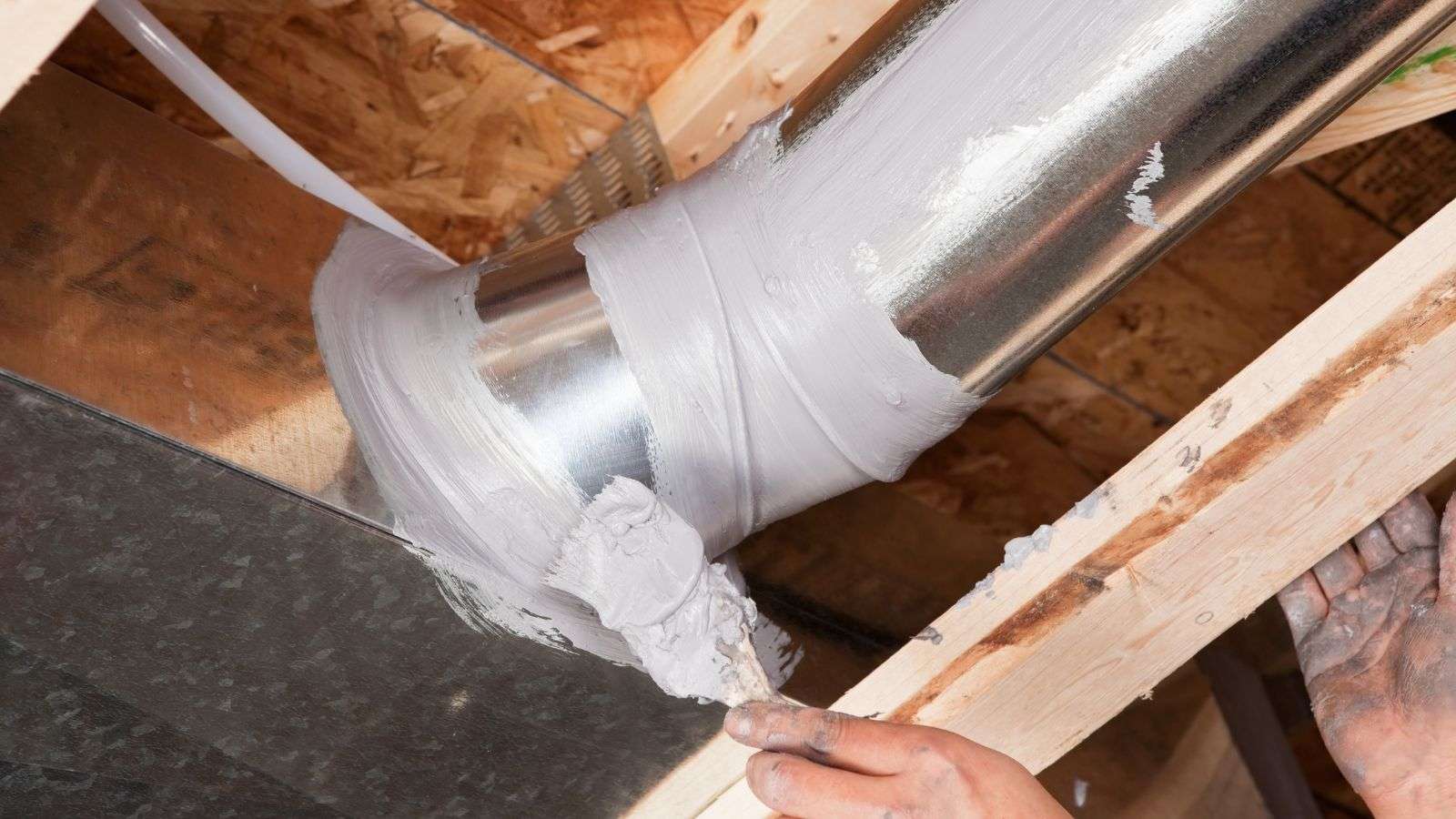
For small leaks in your ductwork, mastic sealant is an effective solution. Mastic is a thick, sticky substance that can be applied with a brush or gloved hand. Start by applying the mastic sealant around the edges of the leak, working your way towards the center. Use enough sealant to completely cover the leak and create a tight seal. Allow the mastic to dry according to the manufacturer’s instructions before moving on to the next step.
4. Use metal tape for larger leaks
If you encounter larger leaks or gaps in your ductwork, metal tape can be used for a more secure seal. Unlike regular duct tape, metal tape is specifically designed for HVAC systems and can withstand high temperatures. Cut a piece of metal tape slightly larger than the size of the leak and firmly press it onto the affected area. Make sure to smooth out any wrinkles or air bubbles for a tight and secure seal.
5. Insulate ducts in unconditioned spaces
Ducts that run through unconditioned spaces like attics or crawlspaces are prone to temperature fluctuations, which can affect their efficiency. To enhance AC efficiency further, consider insulating these ducts using insulation sleeves or wraps. This insulation helps prevent heat gain or loss along the length of the ducts, ensuring that conditioned air reaches its destination without unnecessary energy loss.
6. Check and secure connections
Loose connections between duct sections can cause air leaks and reduce AC efficiency. Check all connections throughout your ductwork and make sure they are tightly secured. If you find any loose connections, use metal screws or clamps to secure them properly. This will help maintain proper airflow and prevent energy waste due to leaks.
7. Perform a final inspection
Once you have completed all the sealing steps, it’s essential to perform a final inspection to confirm that everything is in order. Go through each section of your ductwork and check for any missed leaks or gaps. Feel for any air escaping while your AC is running. If you find any issues, address them promptly by applying additional sealant or using metal tape as necessary.
Energy savings and cost-effectiveness of duct sealing
Duct sealing not only improves AC efficiency but also leads to significant energy savings and cost-effectiveness. By sealing duct leaks and ensuring proper airflow, you can reduce energy waste and increase the system’s overall efficiency. This means that your AC unit will consume less energy to cool your home, resulting in lower utility bills.
In fact, according to the U.S. Department of Energy, duct sealing can potentially save up to 20% of the energy typically lost through duct leaks. The cost of DIY duct sealing is relatively affordable compared to other energy-saving measures, making it a cost-effective solution for improving AC efficiency and reducing long-term energy expenses.
Duct sealing and extending the lifespan of your AC unit
Duct sealing can also contribute to extending the lifespan of your AC unit. When there are leaks in the ductwork, the system has to work harder to deliver conditioned air, leading to increased strain on the AC components. This added strain can result in premature wear and tear, reducing the lifespan of the unit.
By properly sealing the ducts, you can ensure that the AC system operates efficiently and without unnecessary stress. Improved airflow and reduced energy consumption alleviate the workload on the AC unit, allowing it to operate more smoothly and potentially extending its lifespan. This not only saves you money on premature replacements but also provides you with a reliable and efficient cooling system for years to come.
Common symptoms and recognizing the need for duct sealing
- Uneven cooling: If certain rooms in your home are consistently hotter or colder than others, it could indicate that your ductwork has leaks or gaps, causing inconsistent airflow and temperature distribution.
- Higher utility bills: If you notice a significant increase in your energy bills without any notable changes in your AC usage, it could be a sign that your ducts are leaking air and causing your system to work harder and consume more energy.
- Excessive dust accumulation: If you find that your home accumulates dust quickly, even with regular cleaning, it may be due to leaky ducts. Leaks can pull in dust and other particles from unconditioned spaces, leading to poor indoor air quality.
- Noisy ductwork: If you hear whistling, rattling, or other unusual sounds coming from your ducts when the AC is running, it could indicate leaks or loose connections that need to be addressed.
- Visible gaps or disconnected sections: If you can visually identify gaps, cracks, or disconnected sections in your ductwork, it is a clear indication that sealing is needed to restore proper airflow and efficiency.
- Frequent HVAC repairs: If you’re constantly dealing with HVAC system breakdowns or requiring frequent repairs, it may be a result of inefficient ductwork. Addressing duct leaks can help reduce strain on the system and minimize the need for repairs.
- Poor indoor air quality: Leaky ducts can allow pollutants, allergens, and contaminants to enter your living space, compromising indoor air quality. If you or your family members experience increased allergies or respiratory issues, it may be time to consider duct sealing as part of improving indoor air quality.
Indoor air quality benefits of duct sealing
Leaky ducts can allow dust, allergens, pollutants, and even mold spores to enter your home’s living spaces. By sealing these leaks, you can prevent the infiltration of these contaminants, improving the overall air quality.
This is particularly beneficial for individuals with allergies, asthma, or other respiratory conditions, as it helps reduce exposure to irritants that can trigger symptoms. Sealed ducts also help maintain a cleaner environment by preventing dust from circulating throughout your home.
Reducing your environmental impact through duct sealing
By sealing leaks in your ductwork, you can improve the energy efficiency of your HVAC system. When ducts have leaks, conditioned air can escape, requiring your AC unit to work harder to maintain the desired temperature. This increased energy consumption leads to higher greenhouse gas emissions and a larger carbon footprint.
By sealing the leaks, you can minimize energy waste, reduce the amount of energy needed to cool or heat your home, and lower your overall energy consumption. As a result, you contribute to conservation efforts and help mitigate climate change.
Professional duct sealing services: When to call the pros
While DIY duct sealing can be a cost-effective option, there are certain situations when it’s best to call professional duct sealing services. Consider reaching out to professionals from Big Home Projects directory in the following scenarios:
- Complex ductwork: If your ductwork is intricate or hard to access, professionals have the expertise and specialized tools to handle the job effectively.
- Extensive leaks: If you have multiple or significant leaks throughout your duct system, professionals can assess and address them comprehensively.
- Safety concerns: If you suspect asbestos-containing materials or other hazardous substances in your ductwork, have professionals with the necessary training and equipment handle the sealing process safely.
- Limited time or resources: If you lack the time, tools, or confidence to tackle duct sealing on your own, professionals can efficiently complete the job, ensuring thorough sealing and optimal results.
- Desire for professional guarantee: Hiring professionals provides added assurance as they typically offer guarantees on their workmanship, giving you peace of mind that the duct sealing will be performed to high standards.
Rebates and incentives for investing in duct sealing
Investing in duct sealing not only improves energy efficiency but can also make you eligible for rebates and incentives. Many utility companies, local governments, and environmental organizations offer financial incentives to encourage homeowners to improve the efficiency of their HVAC systems. These incentives can include rebates, tax credits, or even low-interest financing options.
To explore available rebates and incentives in your area, consider visiting Big Home Projects, a comprehensive website directory that provides information on home improvement projects, including potential rebates and incentives for duct sealing. By taking advantage of these programs, you can offset some of the costs associated with duct sealing and make your investment even more cost-effective.
call infrom thefor aDo you really need duct sealing?
Determining whether you need duct sealing depends on the condition of your ductwork and your specific circumstances. If you notice issues such as inconsistent temperatures, higher energy bills, excessive dust, noisy ducts, visible gaps, frequent HVAC repairs, or poor indoor air quality, these could be indications of leaky ducts.
In such cases, duct sealing can be beneficial in improving AC efficiency, reducing energy waste, enhancing airflow, extending the lifespan of your AC unit, and improving indoor air quality. However, if your ductwork is relatively new, well-maintained, and free from leaks, then duct sealing may not be necessary.
It is always a good idea to have a professional inspect your ducts to assess their condition and provide guidance on whether duct sealing is recommended for your specific situation.