
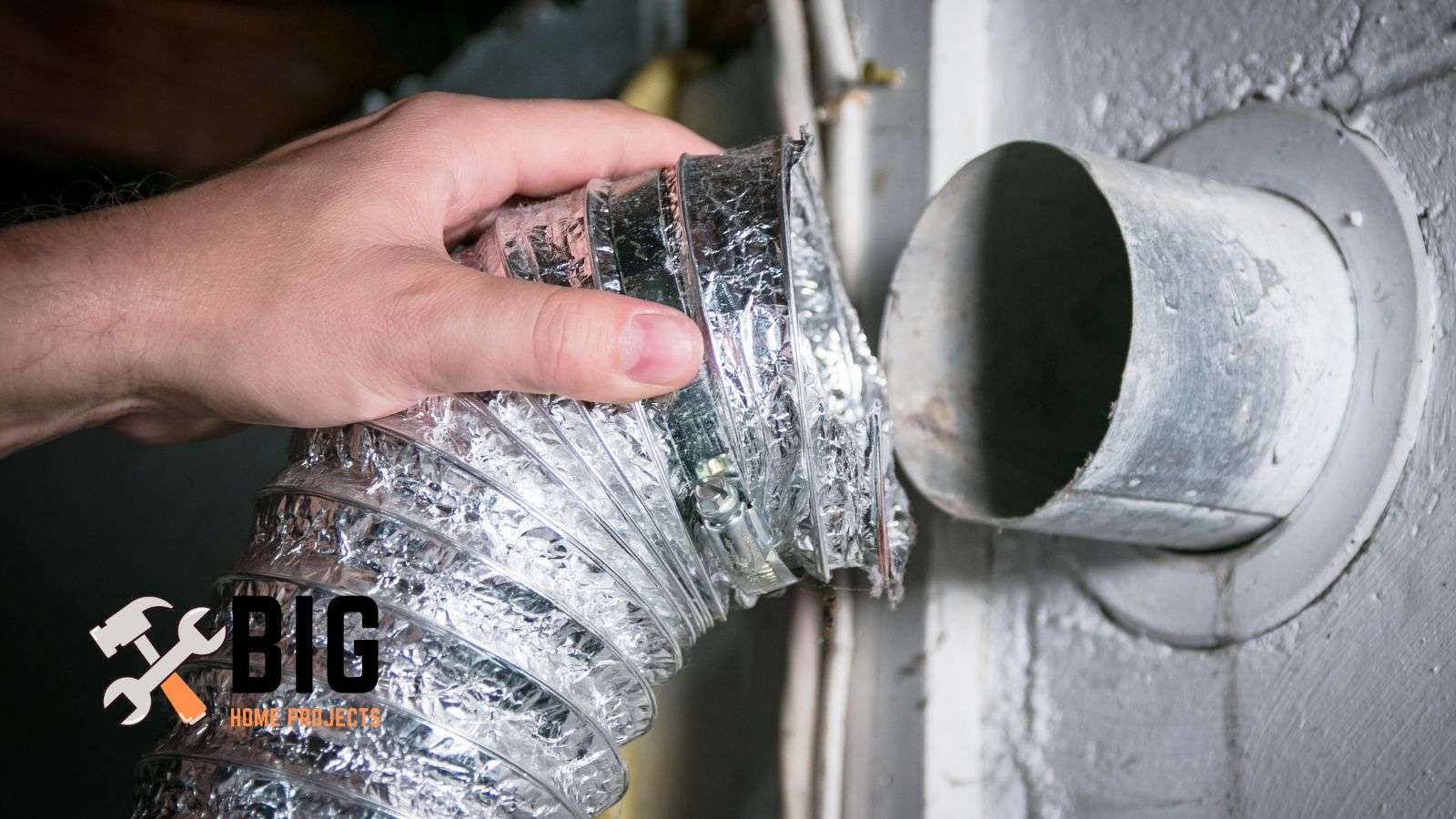
Dryer vents and bathroom vents cater to different needs and have distinct specifications. The idea of using a dryer vent for a bathroom vent may seem convenient, but it comes with several complications, ranging from safety concerns to legal issues.
In this article, we will thoroughly investigate these concerns, presenting the seven problems you might encounter when using a dryer vent for a bathroom vent and why this might be an unsafe, unhealthy, or even illegal approach to ventilation.
Can you use a dryer vent for a bathroom vent?
Using a dryer vent for a bathroom vent is not recommended for several reasons. One of the dangers is the potential introduction of gases around the motor, which can create a fire hazard.
Dryer vents are not designed to handle the specific requirements of bathroom ventilation, including the removal of gases and odors.
The introduction of gases, such as carbon monoxide, into the motor area can pose a significant risk, as it can lead to the buildup of flammable materials and potentially cause a fire.
Dryer vents are specifically designed to remove hot air and moisture from clothes dryers, whereas bathroom vents are designed to remove excess humidity and odors from bathrooms.
The airflow requirements, size, and duct materials differ between the two.
7 problems you might encounter using a dryer vent for a bathroom vent
1. Insufficient airflow
Using a dryer vent for a bathroom vent can lead to insufficient airflow. Dryer vents are designed to handle the hot air and moisture produced by a dryer, and they may not provide adequate ventilation for a bathroom. As a result, humidity levels may remain high, leading to mold and mildew growth, and unpleasant odors may linger.
2. Ineffective odor removal
Dryer vents are not designed to effectively remove bathroom odors. The airflow and filtration systems in bathroom vents are specifically designed to eliminate odors by drawing them out of the room. Using a dryer vent may result in lingering odors, making the bathroom less pleasant for users.
3. Moisture buildup
Dryer vents are not engineered to handle the high moisture levels generated in bathrooms. Without proper ventilation, excess moisture can accumulate on surfaces such as walls, ceilings, and fixtures. This can lead to water damage, mold growth, and structural deterioration over time.
4. Safety hazards
Dryer vents are not designed with the safety features required for bathroom ventilation. For instance, bathroom vents are equipped with backdraft dampers that prevent outside air and pests from entering the ductwork. Using a dryer vent may compromise these safety features, allowing outside elements to enter the bathroom and potentially causing damage or posing safety risks.
5. Inadequate duct size
Dryer vents typically have narrower ducts compared to bathroom vents. Using a dryer vent in a bathroom setting may restrict the airflow due to the smaller duct size. This can result in poor ventilation, increased humidity levels, and potential damage to the venting system.
6. Fire hazards
One of these risks is the potential for gases, including carbon monoxide, to accumulate around the motor. This can create a hazardous environment where the combination of flammable gases and the electrical components of the motor could cause sparks or ignition, leading to an explosion or fire.
7. Code violations
Using a dryer vent as a bathroom vent may violate local building codes and regulations. These codes are in place to ensure the safety and functionality of ventilation systems in different areas of the home. Failure to comply with these codes may result in difficulties during inspections, insurance claims, or potential legal issues.
Why can using a dryer vent for a bathroom vent be unsafe?
Dryer vents are not designed to handle the high moisture levels typically found in bathrooms. This can lead to moisture buildup, which can cause mold growth, water damage, and structural deterioration over time.
Dryer vents lack the safety features necessary for bathroom ventilation. For example, bathroom vents are equipped with backdraft dampers that prevent outside air and pests from entering the ductwork.
Using a dryer vent may compromise these safety features, allowing outside elements to enter the bathroom and potentially causing damage or posing safety risks.
Also, dryer vents have narrower ducts compared to bathroom vents. Using a dryer vent in a bathroom setting may restrict the airflow due to the smaller duct size. This can result in poor ventilation, increased humidity levels, and potential damage to the venting system.
Finally, dryer vents are constructed with materials designed to handle the high temperatures produced by dryers, but they are not necessarily suitable for moisture-rich environments.
This can increase the risk of fire due to the use of incorrect materials that are not designed to withstand exposure to moisture.
Could using a dryer vent for a bathroom vent pose a fire hazard?
Using a dryer vent as a bathroom vent can pose a fire hazard. Dryer vents are designed with materials that can withstand the high temperatures produced by dryers.
However, when used in a bathroom setting, where moisture levels are higher, these materials may not be suitable and can become a fire risk.
Moisture can accumulate in the ducts and mix with lint or dust, creating a potential fuel source for a fire.
Furthermore, if the dryer vent is not properly installed or maintained, it can lead to lint buildup, blockages, or even overheating, further increasing the risk of a fire.
We suggest you use the correct type of vent specifically designed for bathroom ventilation to ensure safety and minimize the risk of fire hazards.
What could make using a dryer vent as a bathroom vent unhealthy?
Using a dryer vent as a bathroom vent can be unhealthy for several reasons.
Dryer vents are not designed to effectively remove the high levels of humidity typically found in bathrooms. This can lead to increased moisture levels, creating an environment conducive to mold and mildew growth.
Prolonged exposure to mold spores can cause respiratory issues, allergies, and other health problems. Dryer and dryer vents lack the filtration systems found in dedicated bathroom vents, which are designed to remove airborne particles, odors, and contaminants.
Without proper filtration, pollutants and odors may remain in the bathroom, potentially compromising indoor air quality and negatively impacting the health and well-being of individuals using the space.
Make sure you use a vent specifically designed for bathroom ventilation that effectively removes excess humidity and improves air quality.
Risks of mold and mildew when using a dryer vent as a bathroom vent
Dryer vents are not designed to handle the high moisture levels typically found in bathrooms.
As a result, excess moisture can accumulate in the ducts and other areas, creating an environment conducive to mold and mildew growth.
Mold and mildew thrive in damp environments and can spread rapidly, leading to potential health issues and damage to surfaces.
The lack of proper ventilation and moisture control when using a dryer vent as a bathroom vent increases the likelihood of mold and mildew problems, making it important to use a dedicated bathroom vent designed to handle moisture effectively and prevent mold growth.
How could using a dryer vent as a bathroom vent affect indoor air quality?
Using a dryer vent as a bathroom vent can negatively impact indoor air quality. Dryer vents are not equipped with the necessary filtration systems found in dedicated bathroom vents.
As a result, airborne particles, odors, and contaminants may not be effectively removed from the bathroom. This can lead to poor air circulation and the persistence of unpleasant smells.
Without proper ventilation, humidity levels can remain high, creating an environment conducive to mold and mildew growth, which can further compromise indoor air quality.
To maintain a healthy indoor environment, use a vent specifically designed for bathroom ventilation that includes proper filtration systems to remove pollutants and improve air quality.
How may dampness affect the use of a dryer vent as a bathroom vent?
Dampness can significantly affect the use of a dryer vent as a bathroom vent. Dryer vents are not designed to handle the high levels of moisture typically present in bathrooms.
When used in a bathroom setting, the excess moisture can accumulate within the vent and ductwork, leading to dampness and potential water damage.
This damp environment becomes an ideal breeding ground for mold, mildew, and bacteria, compromising air quality and potentially causing health issues.
The presence of dampness can also lead to structural damage, such as rotting or warping of materials, which may require costly repairs.
Use a dedicated bathroom vent specifically designed to handle moisture effectively to ensure proper ventilation and prevent dampness-related problems
Is it legal to use a dryer vent for a bathroom vent?
Using a dryer vent for a bathroom vent is generally not legal. According to the International Residential Code (IRC), it is prohibited to combine dryer ducts with other exhaust systems in a residential setting.
The code mandates separate vents for bathrooms and clothes dryers. The use of a dryer vent as a bathroom vent can lead to various risks, including fire hazards, mold growth, and increased chances of slipping due to inadequate ventilation.
To ensure compliance with building codes and regulations and to prioritize safety, it is crucial to use dedicated vents specifically designed for each intended purpose.
What are the building code violations when using a dryer vent as a bathroom vent?
- Improper duct material: Dryer vents are typically made of flexible or rigid metal materials, while bathroom vents may require specific materials like PVC, aluminum, or other code-approved ducts. Using the wrong duct material can be a violation.
- Incorrect duct size: Dryer vents often have smaller duct sizes compared to bathroom vents. Using an undersized duct can restrict airflow and violate code requirements for proper ventilation.
- Lack of backdraft damper: Bathroom vents usually have backdraft dampers to prevent outside air, pests, or debris from entering the ductwork. Dryer vents may lack this feature, leading to code violations.
- Insufficient ventilation capacity: Dryer vents may not provide the necessary airflow capacity for bathroom ventilation, which could violate code requirements for adequate ventilation rates.
- Inadequate termination: The termination point of a vent, such as an exterior wall or roof, must meet specific code requirements regarding clearance distances and protection against weather elements. Using a dryer vent may not comply with these regulations.
Long-term negative effects of using a dryer vent as a bathroom vent
- Mold and mildew growth: Dryer vents are not designed to handle the high moisture levels typically found in bathrooms. The inadequate ventilation provided by a dryer vent can lead to moisture buildup, creating an environment conducive to mold and mildew growth. Over time, this can cause structural damage, compromise indoor air quality, and pose health risks.
- Poor indoor air quality: Dryer vents lack the proper filtration systems that dedicated bathroom vents possess. Without effective filtration, airborne particles, odors, and contaminants may not be adequately removed from the bathroom. This can result in poor indoor air quality, which can negatively impact the health and well-being of occupants.
- Increased humidity levels: Inadequate ventilation from a dryer vent can lead to persistently high humidity levels in the bathroom. Excessive humidity can cause damage to surfaces, such as peeling wallpaper, warped wood, or deteriorated paint. It can also create an uncomfortable and unpleasant environment for occupants.
- Structural damage: The accumulation of moisture due to insufficient ventilation can lead to long-term structural damage. Prolonged exposure to moisture can weaken building materials, causing rotting, warping, or deterioration over time. This can necessitate costly repairs and compromise the integrity of the building.
- Fire hazards: Dryer vents are equipped with materials designed to handle the high temperatures produced by dryers. However, when used in a bathroom environment with higher moisture levels, these materials may not be suitable and can pose a fire hazard. Moisture mixed with lint or dust in the ducts can become a potential fuel source for a fire.
Can the problems be mitigated if a dryer vent is used as a bathroom vent?
Mitigating the problems associated with using a dryer vent as a bathroom vent is challenging, as dryer vents are not designed for the unique requirements of bathroom ventilation.
While some measures like regular cleaning, enhanced ventilation, proper duct insulation, and the use of moisture-resistant materials may help alleviate certain issues, they cannot fully resolve the fundamental limitations.
Inadequate airflow, ineffective odor removal, increased humidity levels, potential safety hazards, and potential code violations may persist.
To ensure optimal ventilation, moisture control, and safety, it is strongly advised to utilize a dedicated bathroom vent specifically designed for this purpose rather than relying on a dryer vent as a substitute.