
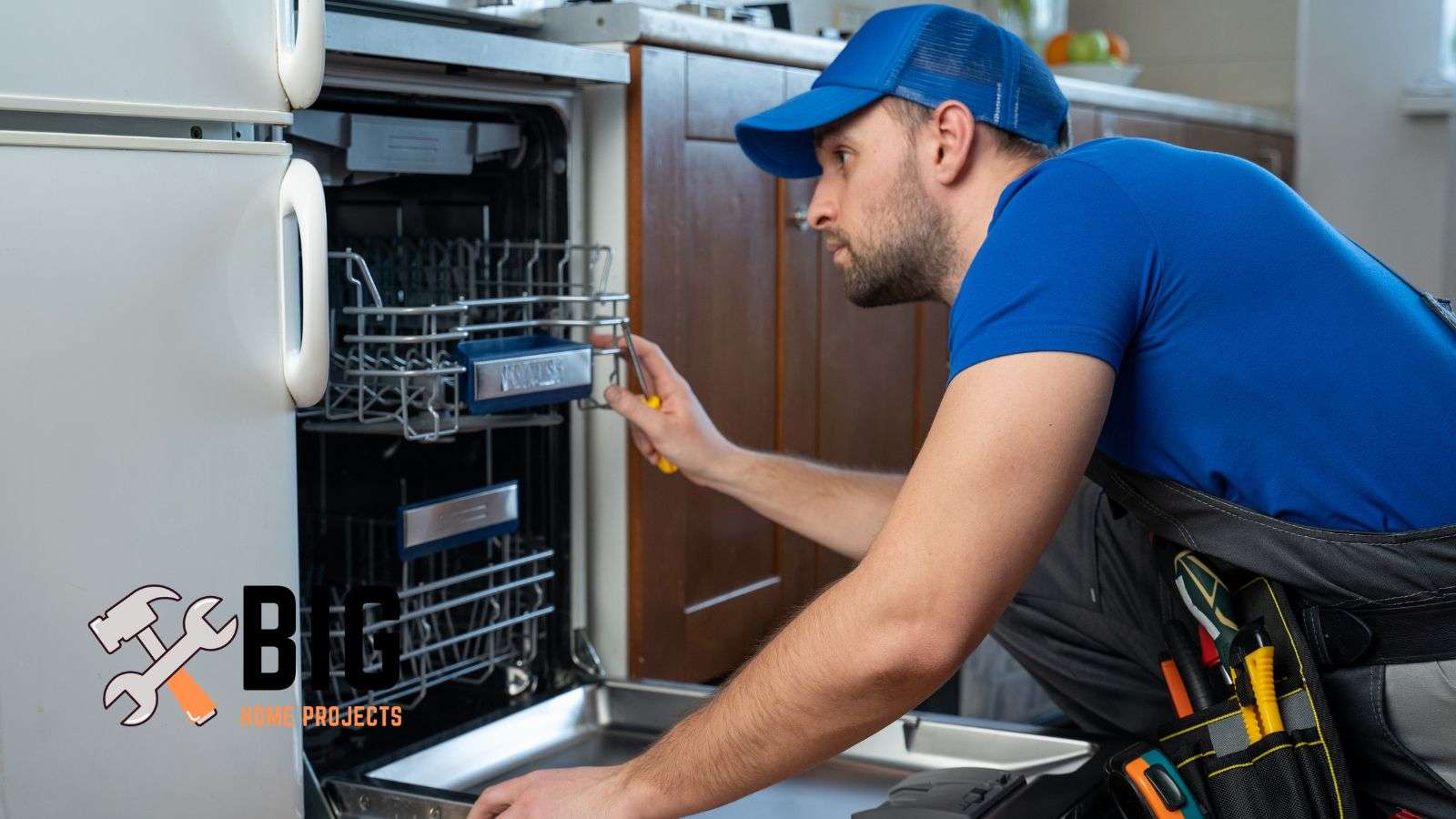
Have you ever wondered if plumbers can fix dishwashers? Or are you dealing with a faulty dishwasher and are uncertain if calling a plumber is the right move?
This article is your go-to guide. It breaks down the proper scenarios to get a plumber involved, the scope of dishwasher issues they can address, and when it’s advisable to contact an appliance technician instead. So buckle up and let’s unravel these mysteries together!
Do plumbers repair dishwashers?
Plumbers can repair dishwashers.
While plumbers are primarily known for their expertise in handling plumbing systems such as pipes, drains, and water supplies, many plumbers also possess the necessary skills to troubleshoot and fix common issues with dishwashers.
Dishwashers require connections to water lines and drains, and plumbers are well-versed in these aspects.
They can diagnose problems related to water leakage, clogged drains, faulty water inlet valves, or damaged hoses, among other issues.
However, for more complex repairs involving electrical components or specialized dishwasher parts, it may be necessary to consult a professional appliance repair technician or contact the manufacturer’s customer service for guidance.
10 things plumbers can do for dishwashers
1. Installation
When installing a new dishwasher, plumbers will carefully assess the space and ensure it meets the necessary requirements.
They will connect the dishwasher to the water supply, typically by installing a dedicated shut-off valve and a supply line with the appropriate fittings.
Plumbers will also connect the dishwasher’s drain hose to the plumbing system, ensuring proper alignment and securing it in place.
Also, they will verify that the electrical wiring meets safety standards and make any necessary adjustments.
2. Leak repair
Plumbers employ various techniques to diagnose and repair dishwasher leaks. They will thoroughly inspect the dishwasher’s interior, check for damaged gaskets, seals, or hoses, and replace them if needed.
Plumbers will also examine the connections to the water supply and drainage system, ensuring they are tight and secure.
In cases of more complex leaks, they may use specialized tools like pressure gauges to pinpoint the source of the issue and take appropriate action.
3. Drain cleaning
To address clogged dishwasher drains, plumbers utilize different methods based on the severity of the blockage.
They may start by manually removing visible debris or food particles from the dishwasher’s drain or filter.
If the blockage persists, they can use a drain snake or auger to dislodge the obstruction or employ hydro-jetting, which involves using high-pressure water to clear the drain of accumulated residue.
4. Water supply issues
When the dishwasher is not receiving sufficient water or experiencing low water pressure, plumbers will investigate potential causes.
They will inspect the water supply lines for kinks, blockages, or restrictions that impede water flow.
Plumbers can replace faulty water inlet valves or pressure regulators to ensure the dishwasher receives the proper amount of water.
They may also test the water pressure throughout the plumbing system to identify any broader issues that might affect dishwasher performance.
5. Dishwasher performance optimization
Plumbers can evaluate your dishwasher’s performance and make adjustments to enhance its efficiency.
They will assess factors such as water temperature, ensuring it is set to the recommended level for effective cleaning while conserving energy.
Plumbers will inspect the dishwasher’s spray arms and nozzles, ensuring they are free from blockages and positioned correctly for optimal water circulation.
They may also offer guidance on loading the dishwasher to maximize its capacity and effectiveness.
6. Electrical connections
While plumbers are primarily focused on plumbing aspects, they can inspect the dishwasher’s electrical connections for visible issues.
They will check that the power cord is securely connected and properly grounded.
However, if more complex electrical problems are detected, they may recommend consulting an electrician or a specialized appliance repair technician.
7. Replacement of damaged parts
When a specific component of the dishwasher malfunctions, plumbers can source and replace the necessary parts.
This can include water inlet valves, pumps, motors, control panels, or even smaller items like racks or spray arms.
They will ensure the new parts are compatible with the dishwasher’s make and model and install them correctly to restore full functionality.
8. Troubleshooting error codes
Dishwashers often display error codes when a problem occurs.
Plumbers are skilled in interpreting these codes and understanding their underlying causes.
They will use diagnostic tools and their expertise to identify the specific issue triggering the error code.
Once the problem is determined, plumbers can undertake the appropriate repairs or provide recommendations for resolving the error.
9. Odor removal
Plumbers can address unpleasant odors emanating from the dishwasher. They will inspect the interior for any trapped food debris or residue, which can contribute to foul odors.
Plumbers may clean the dishwasher’s filter, spray arms, and interior surfaces with specialized cleaning agents to eliminate odors and prevent bacterial or mold growth.
They may also offer maintenance tips to keep the dishwasher odor-free, such as running regular cleaning cycles or using dishwasher-safe cleaning tablets.
10. Maintenance and preventive care
Plumbers understand the importance of regular maintenance to keep dishwashers running smoothly.
As part of their service, they can perform routine maintenance tasks to prevent major issues down the line. This includes cleaning and inspecting filters for any clogs or damage, checking hoses and connections for leaks or deterioration, and verifying proper drainage.
Plumbers may also advise on best practices for dishwasher use, such as avoiding overloading, scraping off excess food before loading, and using appropriate dishwasher detergents.
By conducting regular maintenance, plumbers help extend the lifespan of the dishwasher and ensure its optimal performance.
When should you call a plumber vs. an appliance technician for dishwasher issues?
Call a plumber for dishwasher issues when:
- Plumbing-related problems: If you are experiencing water leaks, clogged drains, water supply issues, or drainage problems that seem to be directly related to the plumbing connections of the dishwasher, a plumber is the right professional to call. They specialize in handling water supply lines, drain systems, and connections.
- Installation or relocation: When you need a new dishwasher installed or an existing one relocated, plumbers are skilled in ensuring proper connections to the water supply and drain lines. They can handle any necessary plumbing modifications and ensure everything is set up correctly.
- Water-related issues: If you suspect the problem lies with the water supply lines, such as low water pressure or inadequate water flow to the dishwasher, a plumber can diagnose and address these issues. They have the expertise to check for blockages, faulty valves, or other plumbing-related causes affecting the water supply.
- General maintenance: Plumbers can perform routine maintenance tasks for dishwashers, including cleaning filters, inspecting hoses, checking for leaks, and ensuring proper drainage. If you need regular maintenance or tune-ups to keep your dishwasher in good working condition, a plumber can assist.
Call an appliance technician for dishwasher issues when:
- Electrical problems: If the dishwasher has electrical issues such as a complete power failure, a malfunctioning control panel, or wiring problems, it’s best to contact an appliance technician. They specialize in diagnosing and repairing the electrical components of appliances.
- Complex mechanical problems: When the dishwasher has complex mechanical problems that require specialized knowledge or the replacement of intricate parts such as motors, pumps, or specific dishwasher components, an appliance technician is the right professional to call. They have the expertise to handle these intricate repairs.
- Warranty or brand-specific issues: If your dishwasher is under warranty, it’s recommended to contact the manufacturer’s customer service or a certified appliance technician specified by the manufacturer. They can provide the required repairs or guidance while ensuring the warranty remains valid.
- Diagnostic troubleshooting: If you’re unsure about the exact cause of the dishwasher problem or need help interpreting error codes, an appliance technician can provide a comprehensive diagnostic assessment. They have the expertise and specialized tools to troubleshoot and pinpoint specific issues accurately.
How to ask if plumbers fix dishwashers
When inquiring about whether plumbers can fix dishwashers, you can use the following question:
“Do you provide dishwasher repair services, or can you fix issues with dishwashers?”
By asking this question, you are seeking confirmation if the plumber offers specific services related to dishwasher repair.
It allows them to clarify whether they have the expertise to handle dishwasher problems or if they primarily focus on other plumbing-related tasks.
This will help you determine if they are the right professionals to address your dishwasher issues.
What can you do before calling a plumber for dishwasher problems?
- Check for power supply: Ensure that the dishwasher is receiving power. Check if it’s plugged in securely and if the circuit breaker or fuse controlling the dishwasher’s electrical circuit is not tripped or blown.
- Inspect water supply: Verify that the water supply to the dishwasher is turned on and that there are no visible kinks or blockages in the water inlet hose. Ensure that the water shut-off valve connected to the dishwasher is fully open.
- Clean filters and spray arms: Remove and clean the dishwasher’s filters, located at the bottom of the dishwasher. Clogged filters can hinder proper water flow and affect cleaning performance. Additionally, inspect the spray arms for any debris or blockages that may be obstructing the water spray.
- Run a cleaning cycle: Use a dishwasher cleaning agent or run a cycle with an empty dishwasher to remove any buildup, odors, or residue that might be affecting performance.
- Check for clogs: Examine the dishwasher’s drain hose and air gap, if applicable, for any clogs or obstructions. Clear any visible debris or buildup that might be causing drainage issues.
- Test with a different load: Try running a different load of dishes and ensuring that they are loaded properly. Overloading the dishwasher or obstructing the spray arms can impact cleaning effectiveness.
- Review the user manual: Consult the dishwasher’s user manual for troubleshooting tips and specific instructions provided by the manufacturer.
How much does it cost for a plumber to repair a dishwasher?
The average cost to repair a dishwasher is between $100 and $300. However, the cost can vary significantly based on various factors.
For minor repairs or simple fixes like unclogging a drain or replacing a seal, the cost may be on the lower end of the range, around $50 to $150.
On the other hand, more complex repairs involving major components like motors, pumps, or control panels can cost more, ranging from $200 to $600.
Additional factors that can influence the cost include the dishwasher’s age, whether it’s under warranty, and the specific repair needed.
Keep in mind that these are general estimates, and actual costs can vary depending on your location and the plumber’s rates.
What are some signs of dishwasher issues you should call a plumber on?
- Water leakage: If you notice water pooling around the dishwasher or detect water seepage under or behind the appliance, it’s a clear sign of a problem. Leaks can stem from damaged hoses, faulty seals, or loose connections, and a plumber can identify the source and fix the issue.
- Persistent drainage problems: If your dishwasher consistently has difficulty draining water or if you frequently encounter standing water in the bottom of the dishwasher after a cycle, it indicates a drainage problem. Clogs in the drain hose or problems with the dishwasher’s pump or drain system can be the culprit, and a plumber can diagnose and resolve the issue.
- Unusual noises or vibrations: Excessive noise, grinding sounds, or abnormal vibrations during the dishwasher’s operation can indicate a mechanical problem. It may be a result of loose or worn-out parts, faulty motors, or misaligned components. A plumber can inspect the dishwasher, identify the source of the noise or vibration, and perform the necessary repairs.
- Ineffective cleaning or rinsing: If your dishes consistently come out dirty, covered in residue, or with spots despite using proper detergent and rinse aid, it may indicate an issue with the dishwasher’s spray arms, nozzles, or water circulation. A plumber can assess the problem and address any blockages or malfunctions affecting the cleaning performance.
- Foul odors or mold growth: Persistent unpleasant odors emanating from the dishwasher or the presence of mold growth inside the appliance are signs of a problem. It could be due to food debris buildup, clogged filters, or inadequate drainage. A plumber can clean the dishwasher, remove any blockages, and address the cause of the odor or mold growth.
- Electrical malfunctions: If the dishwasher experiences electrical issues such as frequent power outages, flickering lights, or the control panel not functioning properly, it indicates an electrical problem. While plumbers primarily focus on plumbing aspects, they can inspect visible electrical connections and identify if an electrician is needed or if the issue lies within the plumbing system.
What is the scope of repair for plumbers when it comes to dishwashers?
- Plumbing connections: Plumbers can handle tasks related to plumbing connections for dishwashers. This includes installing new dishwashers, ensuring proper water supply connections, connecting the dishwasher to the drainage system, and addressing issues with water leaks or faulty plumbing connections.
- Water supply issues: Plumbers can diagnose and repair problems related to the water supply for dishwashers. This includes checking and adjusting water pressure, replacing faulty water inlet valves, addressing blockages or restrictions in the water supply lines, and ensuring proper water flow to the dishwasher.
- Drainage problems: Plumbers can address drainage issues in dishwashers. They can inspect and unclog the dishwasher’s drain hose, remove blockages from the drain system, repair or replace faulty drain pumps, and ensure proper drainage of wastewater from the dishwasher.
- Leak repair: Plumbers can identify and repair water leaks in dishwashers. This includes inspecting and replacing damaged gaskets, seals, or hoses, tightening loose connections, and ensuring that the dishwasher is properly sealed to prevent leaks.
- Cleaning and maintenance: While not exclusive to plumbers, they can also provide guidance on cleaning and maintenance practices for dishwashers. This includes advice on cleaning filters, removing debris or food particles, and preventing buildup or blockages that can impact dishwasher performance.
When should you not call a plumber for a dishwasher issue?
- Manufacturer warranty coverage: If your dishwasher is still under warranty, it’s advisable to check the warranty terms and contact the manufacturer’s customer service first. They may have specific guidelines and authorized service providers for repairs covered under the warranty. In such cases, it’s best to follow the warranty instructions to avoid voiding the coverage.
- Electrical issues: While plumbers can inspect visible electrical connections, they are not typically specialized in electrical repairs. If the dishwasher problem involves electrical malfunctions, such as power outages, control panel issues, or wiring problems, it’s better to consult an electrician or a specialized appliance technician who can safely handle electrical components.
- Specialty repairs: Some dishwasher issues may require specific knowledge or expertise beyond the scope of a plumber. Examples include complex mechanical component replacements, control board repairs, or sophisticated diagnostic procedures. In such cases, it’s more appropriate to contact an appliance repair technician who specializes in dishwasher repairs.
- DIY-friendly problems: For minor and easily fixable issues, attempting some do-it-yourself (DIY) troubleshooting and repairs can be a cost-effective solution. Simple tasks like cleaning filters, removing debris from spray arms, or unclogging visible drain blockages can often be done by homeowners with basic tools and guidelines provided by the dishwasher’s user manual.
- Non-plumbing-related problems: If the dishwasher issue does not appear to be related to plumbing connections, water supply, or drainage, it may be more appropriate to consult an appliance technician. For example, problems with the dishwasher’s motor, control panel, sensors, or specific mechanical components fall outside the typical scope of a plumber’s expertise.
Other interesting article: