
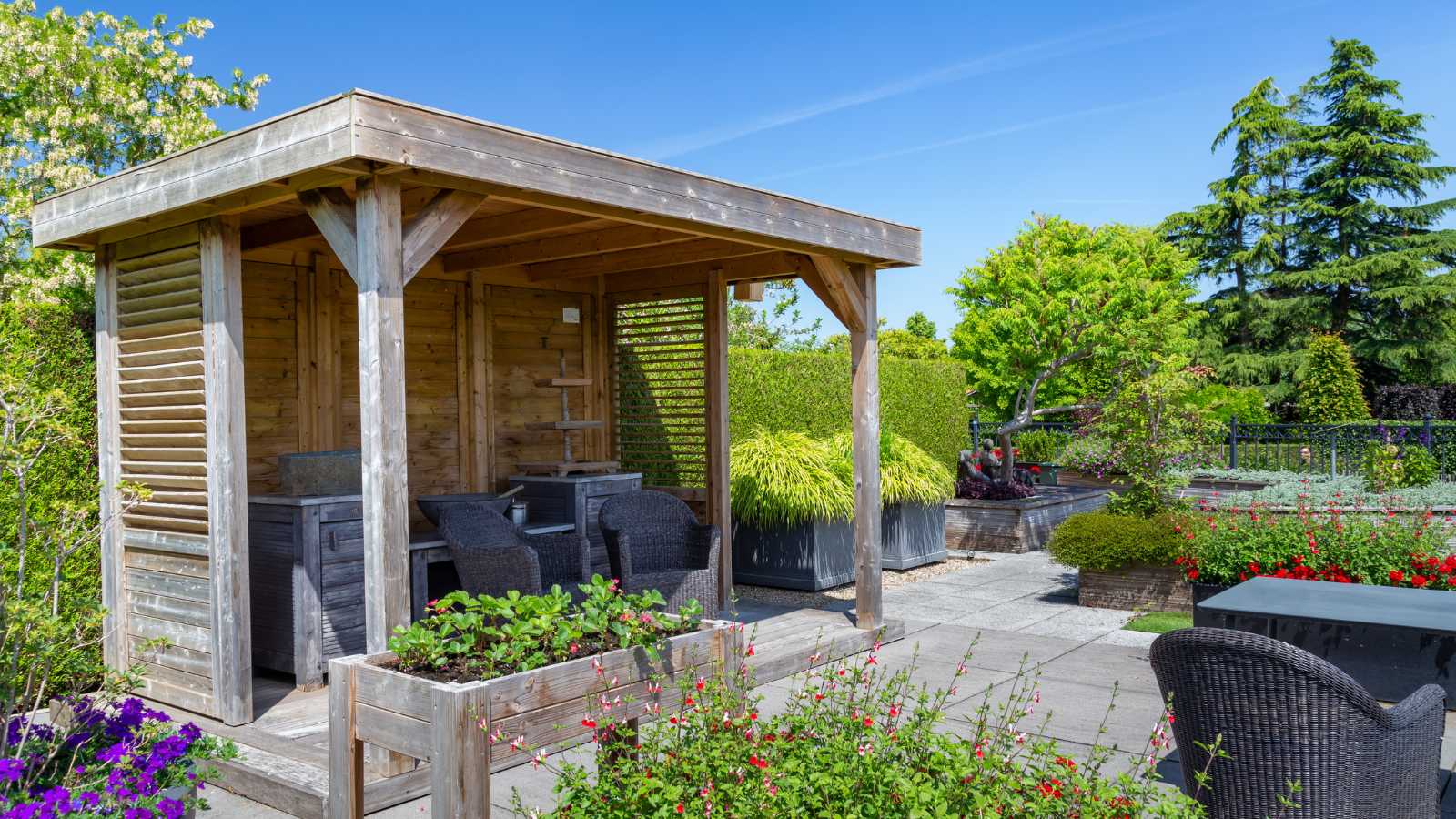
Greenery on terrace roofs, often known as green roofs, introduces vegetation to urban structures, impacting the lifespan of these buildings in various ways. Green roofs are not only nice to look at, but they are also useful because they save energy and keep heat in. They do this by adding soil, plants, and extra layers. This article goes into great detail about the pros and cons of green roofs and how they can either make terrace roofs last longer or shorter.
Does greenery on terrace roofs extend or shorten its life span?
Green roofs can significantly extend the lifespan of terrace roofs when installed and maintained correctly. Studies have shown that green roofs can double or even triple the lifespan of traditional roofing systems. For instance, a well-maintained green roof can last 40 to 50 years, compared to a conventional roof that typically lasts about 20 years. This longevity is largely due to the protective benefits that vegetation provides, shielding the roofing materials from harsh weather conditions, UV radiation, and temperature fluctuations.
However, the effectiveness of green roofs in enhancing lifespan depends on several factors, including proper installation, quality of materials, and ongoing maintenance. For example, a poorly designed green roof with inadequate drainage can lead to water pooling, which may damage the underlying structure and ultimately shorten its lifespan. regular maintenance, such as weed control and debris removal, is crucial; neglecting these tasks can result in unhealthy plant life that may fail to provide the intended protective benefits. Therefore, while green roofs offer considerable advantages for longevity, their success hinges on appropriate execution and care.
5 Impact Factors of Green Roofs on Longevity
1. Protection from Elements
Green roofs provide a natural barrier against environmental stressors, significantly enhancing the lifespan of roofing materials. The vegetation and soil layers absorb rainwater, reducing runoff and minimizing the risk of water damage. these layers act as insulation, keeping the building cooler in summer and warmer in winter, which helps mitigate the thermal cycling that can lead to cracks and other degradation in traditional roofing materials. It’s important to select plants that are suitable for the local climate to maximize these protective benefits.
2. Proper Installation and Design
The longevity of a green roof heavily relies on its installation and design. Ensuring that there is adequate drainage, waterproofing, and support for the weight of the soil and plants is crucial. Engaging experienced professionals who understand the unique requirements of green roofs can prevent common issues such as leaks and structural failures. integrating features like overflow drains and root barriers can provide additional safeguards against water-related problems, which are often overlooked in standard roofing projects.
3. Quality of Materials
Utilizing high-quality materials is essential for the durability of green roofs. This includes selecting robust waterproofing membranes, root barriers, and appropriate insulation designed specifically for green roofs. These materials not only enhance the roof’s performance but also reduce long-term maintenance costs. When choosing materials, look for products with warranties or certifications that indicate they can withstand the environmental stressors specific to your region, such as extreme temperatures or heavy rainfall.
4. Adequate Maintenance
Regular maintenance is a vital component in extending the lifespan of green roofs. This involves routine inspections to identify potential issues, such as drainage problems or pest infestations, early on. Implementing a maintenance schedule that includes removing debris, controlling weeds, and pruning plants will help maintain a healthy ecosystem on the roof. Many homeowners overlook the importance of seasonal checks; however, proactive maintenance can prevent small problems from escalating into costly repairs.
5. Irrigation and Water Management
Effective irrigation and water management systems are crucial for sustaining the health of a green roof. Implementing efficient methods such as drip irrigation or rainwater harvesting can optimize water use and maintain proper moisture levels in the soil. monitoring soil moisture levels allows for timely irrigation adjustments, preventing overwatering or drought stress on plants. Many people do not realize that proper water management not only supports plant health but also contributes to the overall structural integrity of the roof by reducing water pooling concerns.
What Are the Benefits of Installing Greenery on Terrace Roofs?
- Enhanced Aesthetic Appeal: Installing greenery on terrace roofs instantly transforms a bland rooftop into an inviting and visually appealing space. This aesthetic enhancement can significantly increase the property’s value and attract potential buyers or renters. For example, businesses can use green roofs to create attractive outdoor spaces for employees or customers, fostering a pleasant atmosphere that may lead to increased foot traffic and customer retention.
- Improved Air Quality: Plants play a vital role in improving air quality by absorbing carbon dioxide and releasing oxygen. Green roofs also filter pollutants and dust from the air, contributing to healthier urban environments. For instance, studies have shown that a well-planned green roof can remove up to 60% of particulate matter from the surrounding air, which is particularly beneficial in densely populated areas with high levels of pollution.
- Energy Efficiency: Green roofs offer significant energy-saving benefits by providing natural insulation. They keep the temperature stable, so you don’t have to heat or cool as much in the winter or summer. This can save you money on your energy bills. For example, the National Research Council of Canada found that green roofs could lower the temperature of roofs by up to 40% compared to traditional roofs. This had a direct effect on how much energy was used.
- Stormwater Management: One of the key benefits of greenery on terrace roofs is its ability to manage stormwater effectively. The soil and plants absorb rainwater, reducing runoff and alleviating pressure on municipal drainage systems. This is especially crucial in urban areas where impervious surfaces contribute to flooding. Implementing a green roof can reduce peak runoff by 50% or more during heavy rainfall events, making it an eco-friendly solution to urban flooding challenges.
- Biodiversity Support: Green roofs serve as habitats for various plant species and wildlife, promoting urban biodiversity. Using native plants on these roofs can bring in pollinators like bees and butterflies, which are very important for the health of the ecosystem. For instance, a green roof with a variety of plants can create a mini-ecosystem that is home to insects, birds, and other small animals, which is good for wildlife populations in cities.
- Noise Reduction: Vegetation on terrace roofs can effectively reduce noise pollution by acting as a sound barrier. The combination of soil, plants, and air spaces absorbs sound waves, making urban environments quieter. This is particularly beneficial for buildings located near busy streets or industrial areas. Research has shown that green roofs can reduce noise levels by up to 40 decibels, creating more tranquil living and working conditions.
- Environmental Benefits: Beyond individual advantages, green roofs contribute positively to broader environmental goals. They help mitigate the urban heat island effect by cooling the surrounding air and reducing the need for air conditioning. they contribute to carbon sequestration efforts by capturing carbon dioxide from the atmosphere. These collective environmental benefits make green roofs an essential component in sustainable urban development strategies.
How Does Maintenance Influence the Longevity of Green Roofs?
Maintenance plays a major role in determining the longevity of green roofs by ensuring that the plants remain healthy and the roofing system functions effectively. Regular inspections help identify early signs of issues, such as drainage problems or pest infestations, which can lead to more significant damage if left unaddressed. For instance, a study conducted by the University of Toronto found that properly maintained green roofs have a lifespan that can exceed 50 years, whereas neglected roofs may last only half that duration due to deterioration from unmanaged water accumulation and plant overgrowth.
Proper maintenance practices include routine tasks such as debris removal, weed control, and seasonal pruning of vegetation. These activities not only keep the roof looking its best but also prevent overgrowth that can block drainage systems and lead to water pooling. For example, neglecting to remove fallen leaves can create a breeding ground for pests and diseases, ultimately compromising the health of the plants and affecting the roof’s performance. Regular maintenance is not just about aesthetics; it directly impacts the structural integrity and functionality of the green roof system, which is vital for its longevity.
Implementing a proactive irrigation and fertilization schedule can greatly enhance plant health and resilience. Caretakers can keep a healthy ecosystem that supports the green roof’s protective properties by keeping an eye on the soil’s moisture levels and making sure plants get enough food. Green roofs that are well taken care of can hold up to 80% of the rainwater that falls on them. This greatly reduces runoff and the risk of water damage. In conclusion, this shows how important maintenance is for maintaining both the aesthetic and practical benefits of green roofs, which in turn extends the life of the roofing materials below.
Can green roofs help reduce urban heat island effects?
Yes, green roofs can significantly help in reducing urban heat island (UHI) effects, a phenomenon where urban areas experience higher temperatures than their rural surroundings. Adding plants, soil, and water to the urban landscape through green roofs makes it cooler naturally. Studies have shown that green roofs can lower the temperature of a building’s roof by up to 40% compared to regular roofs. This helps lower the temperature of the air around the building. This cooling effect can be especially helpful in the summer, when UHI effects are strongest. It can help make cities cooler overall.
The reduction of UHI effects through green roofs also leads to decreased energy consumption for cooling buildings. For instance, research conducted by the National Research Council of Canada indicated that buildings equipped with green roofs could see energy savings of 25% or more on cooling costs during peak summer months. This not only benefits individual property owners but also alleviates pressure on local power grids, reducing the risk of blackouts during heatwaves. lower energy consumption translates to fewer greenhouse gas emissions from power plants, contributing to broader environmental sustainability goals.
In addition to direct cooling benefits, green roofs contribute to enhanced air quality and reduced air pollution, which are further mitigated by UHI effects. Plants absorb carbon dioxide and other pollutants while releasing oxygen, resulting in cleaner air for urban residents. A study by the University of Chicago found that increasing green space in cities could lower local temperatures and improve air quality, making urban areas more livable and healthier. As cities continue to grow, implementing green roofs can be an effective strategy for combating UHI effects and promoting sustainable urban development.
How Can Big Home Projects Assist in Finding Qualified Green Roofing Contractors?
Big Home Projects serves as a comprehensive directory that connects homeowners with qualified green roofing contractors, streamlining the process of finding the right professionals for green roof installations. The platform features a wide range of contractors specializing in various services, including green roofing, which allows users to easily filter options based on specific needs, such as experience, customer reviews, and availability. For instance, homeowners can view detailed profiles of contractors that include their qualifications, previous projects, and client testimonials, ensuring they make informed decisions.
Big Home Projects offers valuable resources such as free estimates and insights into contractors’ backgrounds, including licensing and insurance status. This level of transparency is essential for homeowners looking to invest in green roofing, as it minimizes the risks associated with hiring unqualified professionals. The site also provides a bilingual customer service option, making it accessible to a broader audience and ensuring effective communication between homeowners and contractors. Such features not only enhance trust but also facilitate a smoother hiring process.
Big Home Projects fosters a community where homeowners can interact with contractors through platforms like Facebook Messenger or WhatsApp for quick inquiries and communication. This direct line of contact can help clarify project details and expectations before work begins, leading to better outcomes.
What Are the Common Challenges Faced in the Installation of Green Roofs?
- Structural Limitations: One of the primary challenges in installing green roofs is ensuring that the existing structure can support the additional weight of soil, plants, and water. Many buildings, especially older ones, were not designed with this extra load in mind. For example, a standard extensive green roof can weigh between 15 and 25 pounds per square foot when saturated, which may exceed the load-bearing capacity of some structures. A thorough structural assessment is essential to determine if reinforcements are necessary before installation.
- Water Management Issues: Effective water management is critical for the success of green roofs, yet it poses significant challenges during installation. Proper drainage systems must be designed to prevent water pooling, which can lead to leaks or structural damage. If not addressed, inadequate drainage can create an environment conducive to plant disease and pest infestations. For instance, integrating overflow drains and ensuring the correct slope can help mitigate these risks but requires careful planning and execution.
- Plant Selection and Adaptation: Choosing the right plants for a green roof is the key to its long-term viability, but this can be challenging due to varying climate conditions and environmental factors. Plants must be resilient enough to withstand extreme temperatures, drought, and heavy rainfall while still providing aesthetic appeal. For example, native plant species often perform better as they are adapted to local conditions; however, selecting the wrong species can lead to poor growth or even plant failure, necessitating adjustments post-installation.
- Maintenance Requirements: Green roofs require regular maintenance, which can be a challenge for property owners who may not be familiar with their specific needs. Tasks such as weeding, pruning, and monitoring for pests can be labor-intensive and time-consuming. For instance, neglecting maintenance can lead to overgrown vegetation that blocks drainage systems or creates habitats for unwanted pests. Educating homeowners about appropriate maintenance practices is essential for the longevity and effectiveness of the green roof.
- Cost Considerations: The initial cost of installing a green roof can be higher than traditional roofing options due to specialized materials and labor requirements. Homeowners may underestimate these costs or struggle to find financing options that suit their budgets. For instance, while green roofs offer long-term savings through energy efficiency and extended lifespan, the upfront investment can be a barrier for some. Clear communication about potential return on investment (ROI) and available incentives can help address financial concerns associated with installation.
- Regulatory and Permitting Challenges: Navigating local regulations and permitting processes can present hurdles during green roof installations. Many municipalities have specific guidelines regarding structural modifications and environmental practices that must be adhered to. For example, obtaining necessary permits may involve detailed plans and assessments that can delay project timelines. Familiarity with local regulations and working with contractors who understand these requirements can streamline the process and mitigate potential delays.
How Do Green Roofs Compare in Cost and Benefits to Traditional Terrace Roofs?
When comparing green roofs to traditional terrace roofs, the initial costs typically favor green roofs, which can range from $15 to $25 per square foot for extensive systems and $20 to $35 per square foot for intensive systems. These costs include materials, installation, and potential structural reinforcements needed to support the additional weight. In contrast, traditional roofing systems generally fall within the range of $5 to $10 per square foot. While the upfront investment for green roofs is significantly higher, it is essential to consider their long-term benefits, such as extended lifespan and energy efficiency, which can offset these initial expenditures over time.
The benefits of green roofs extend beyond aesthetics; they provide substantial economic advantages as well. For instance, a well-maintained green roof can last 40 to 50 years, compared to a traditional roof that typically lasts about 20 years. This longevity translates into lower replacement and maintenance costs over time. green roofs can reduce energy costs by up to 25%, as they improve insulation and reduce heat absorption in buildings. Studies indicate that urban areas with green roofs experience decreased air conditioning costs during peak summer months, further enhancing their appeal as a cost-effective roofing solution.
The environmental benefits associated with green roofs contribute to their overall value proposition. Municipalities can cut down on drainage costs by managing stormwater wells, which lowers the risk of flooding and runoff. For instance, the National Research Council of Canada found that green roofs could hold about 80% of rainwater, which would make urban drainage systems less busy. In conclusion, green roofs cost more up front than other types of roofs, but they last longer, use less energy, and are better for the environment, so many property owners see them as a good investment.