
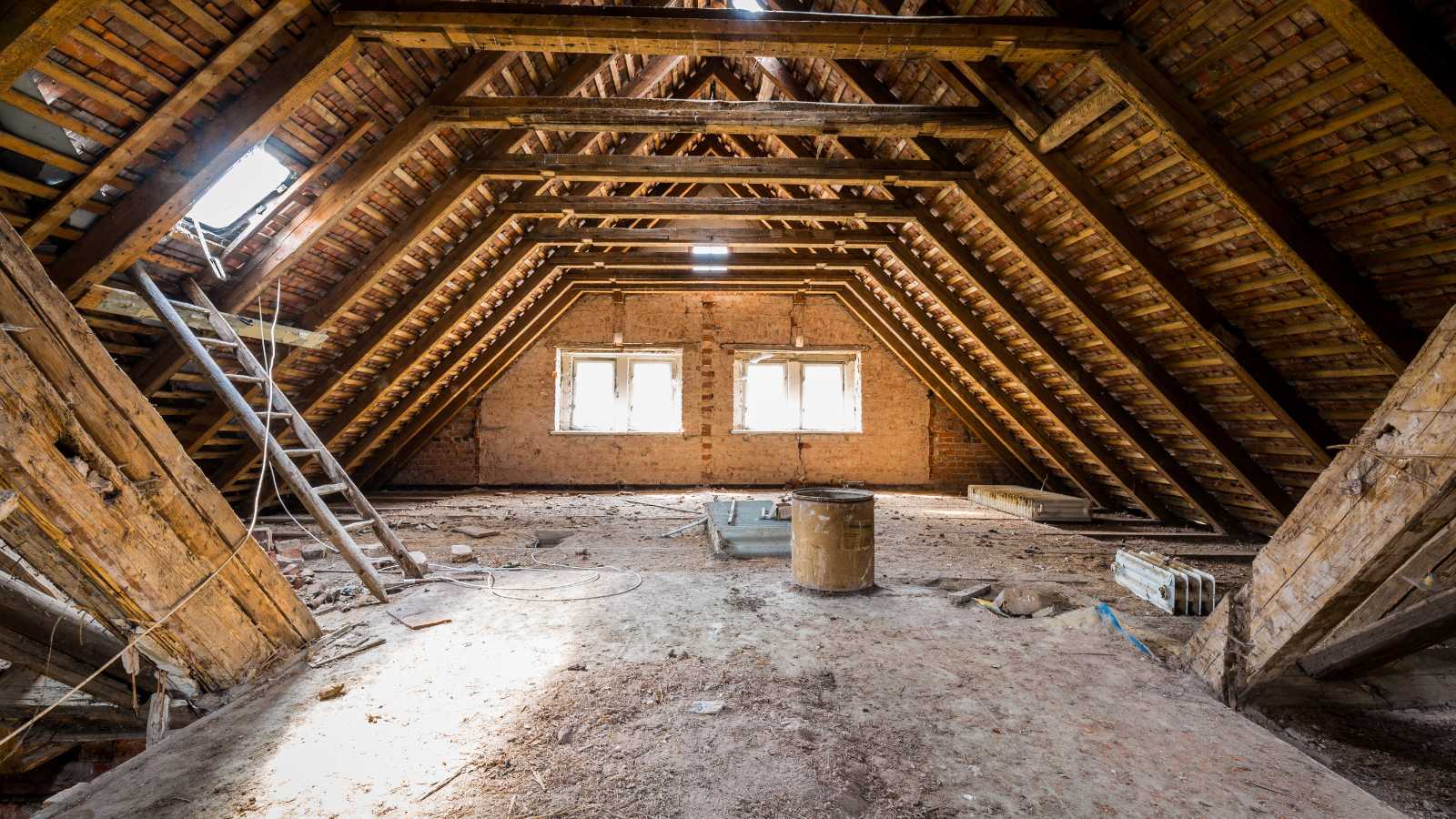
Understanding how temperature impacts the longevity of a roofing system is a complex matter that involves various aspects such as attic insulation, ventilation, and materials used. Poor temperature regulation can lead to issues such as ice damming in winter or accelerated shingle deterioration during hot summers. In this article, we explore how maintaining a balanced attic environment can contribute to roof health and overall home efficiency.
Does temperature regulation in attics impact the lifespan of the roof?
Temperature regulation in attics plays a major role in determining the lifespan of a roof. High attic temperatures can cause roofing materials to deteriorate faster, leading to potential issues like cracks and warping. For instance, excessive heat can accelerate the aging process of asphalt shingles, making them brittle and susceptible to breakage over time. On the other hand, low attic temperatures in colder climates can contribute to the formation of ice dams on the roof during winter, increasing the risk of water seepage and damage inside the home.
Proper attic ventilation is essential for regulating temperature and moisture levels, which helps prevent problems such as mold growth and wood rot. Heat and moisture may be efficiently removed from the attic by making sure that ridge and soffit vents are getting enough airflow. This creates ideal conditions for the roof’s longevity. Attic insulation is crucial for preserving temperature stability and avoiding condensation, which over time may cause damage from moisture.
7 Benefits of Proper Attic Temperature Control for Roof Longevity
1. Enhanced Roof Material Durability
Proper attic temperature control can significantly enhance the durability of roofing materials. You can stop materials like asphalt shingles from bending, cracking, and aging too soon by keeping them at ideal temperatures. In the long term, this saves you money by extending the roof’s lifespan and lowering the need for regular repairs and replacements.
2. Prevention of Ice Dam Formation
Controlling the temperature in the attic helps prevent the formation of ice dams on the roof during colder seasons. Ice dams can lead to water seepage under shingles, causing leaks and potential water damage inside the home. You may reduce the chance of ice damming and shield your roof from winter-related problems by controlling the temperature in your attic.
3. Reduced Energy Costs
Maintaining proper attic temperature control can lead to reduced energy costs. Your home can be made more energy-efficient by making sure the attic is properly insulated and vented. This can help lower heating and cooling expenses and contribute to overall energy savings by reducing the pressure on HVAC systems.
4. Prevention of Mold and Mildew Growth
Proper temperature control in the attic is essential for preventing the growth of mold and mildew. Excess moisture due to improper ventilation or insulation can create a conducive environment for mold to thrive. Effective temperature control helps reduce the possibility of mold growth, which can be harmful to your health and weaken the structural stability of your house.
5. Preservation of Structural Integrity
Maintaining the right temperature in the attic helps preserve the structural integrity of your roof. Fluctuating temperatures and excess moisture can weaken the roof structure over time, leading to potential issues like wood rot and decay. You can ensure that your roof stays sturdy and stable and protects your house for a long time by managing the temperature in your attic.
6. Improved Indoor Comfort
Proper attic temperature control not only benefits the roof but also enhances indoor comfort. You can make your attic a more comfortable place to live all year long by controlling the humidity and temperature there. No matter what the outside weather does, you and your family can remain comfortable by maintaining a consistent temperature inside the house.
7. Sustainable Home Practices
Effective attic temperature control promotes sustainable home practices by reducing energy consumption and minimizing environmental impact. You can lower your carbon footprint and increase energy efficiency by making the most of your attic’s insulation and ventilation. This environmentally beneficial strategy promotes a longer-lasting roof and fits with the ideas of sustainable living for a more environmentally friendly future.
How Does Insulation Affect Attic Temperature Regulation?
Insulation plays a major role in affecting attic temperature regulation by providing a barrier that helps control heat flow. Proper insulation helps to minimize heat transfer between the attic and the living spaces below, maintaining more stable temperatures. insulation helps prevent temperature fluctuations that can lead to condensation, which can create a moist environment in the attic. This moisture can ultimately contribute to issues like mold growth and structural damage over time.
Effective insulation in the attic can significantly impact energy efficiency and savings. According to the U.S. Department of Energy, proper insulation can reduce heating and cooling costs by up to 20%. Insulation contributes to the creation of a more energy-efficient home environment by lowering heat gain in the summer and heat loss in the winter. Purchasing high-quality insulation improves overall comfort and sustainability in the house in addition to helping to regulate temperature more effectively.
Can Attic Ventilation Systems Extend the Life of Your Roof?
Attic ventilation systems can indeed extend the lifespan of your roof by helping to regulate temperature and moisture levels. Proper ventilation allows for the removal of excess heat and humidity from the attic, which can prevent issues such as mold growth, wood rot, and premature deterioration of roofing materials. Because you keep your attic well-ventilated, you create an environment that protects your roof from damage caused by changes in temperature and moisture buildup.
Research conducted by the Asphalt Roofing Manufacturers Association (ARMA) indicates that proper attic ventilation can help prevent ice dams and alleviate heat buildup in the summer. This study suggests that a well-ventilated attic can contribute to a more stable temperature under the roof, which can protect shingles from excessive heat exposure and extend their lifespan. studies have shown that effective attic ventilation can improve energy efficiency by reducing the strain on HVAC systems, leading to cost savings over time.
What Role Does Climate Play in Attic Temperature Regulation?
Climate plays a significant role in attic temperature regulation, as different climates present varying challenges and requirements for maintaining optimal temperature levels. In warmer climates, attics can experience higher temperatures, leading to increased heat transfer to the living spaces below. This can result in higher cooling costs and potential damage to the roof due to excessive heat exposure. Proper attic ventilation and insulation are essential in warmer climates to mitigate heat buildup and protect the roof from accelerated deterioration.
Conversely, in colder climates, attics face challenges such as ice dam formation due to fluctuating temperatures. Without adequate insulation and ventilation, cold air from the outside can infiltrate the attic, leading to condensation and the risk of ice dams on the roof. Effective attic temperature regulation in colder climates involves strategies to prevent heat loss in winter while maintaining proper airflow to avoid moisture-related issues.
Enhancing Roof Lifespan with Big Home Projects’ Verified Contractors
Enhancing the lifespan of your roof with Big Home Projects‘ verified contractors can help with quality workmanship and expertise in maintaining optimal attic temperature regulation. Homeowners may access professionals with verified credentials by choosing contractors listed on Big Home Projects. This ensures that insulation and attic ventilation system installation are done correctly to prolong the life of the roof. These firms provide a variety of services, such as insulation installs catered to the particular requirements of each home, ventilation system modifications, and attic inspections.
Homeowners who used recognized contractors for their roofing projects reported an average 15% longer roof lifespan than those who did not, according to a Big Home Projects survey. This information emphasizes how crucial it is to collaborate with reliable contractors in order to improve roof longevity through efficient temperature control techniques. Homeowners can receive professional advice on how to maintain appropriate attic temperature regulation, which will eventually extend the life of their roofs and ensure long-term structural integrity, by working with verified contractors from Big Home Projects.
Identifying Attic and Roof Issues: When to Consult a Professional
Identifying attic and roof issues can be crucial in maintaining the longevity of your roofing system. Knowing when to consult a professional is essential to addressing potential problems early on and preventing further damage. Signs such as water stains on ceilings, mold growth in the attic, or noticeable temperature fluctuations could indicate underlying issues that require professional assessment.
Statistics from the National Roofing Contractors Association (NRCA) show that proactive roof maintenance can extend the lifespan of a roof by up to 50%. Consulting a professional at the first sign of trouble can help identify and address issues quickly, reducing the risk of costly repairs or premature roof replacement. experienced contractors can provide valuable insights into optimizing attic temperature regulation, ensuring that your roof remains in top condition for years to come.
Are High-Tech Thermostats a Solution for Attic Temperature Balance?
High-tech thermostats can indeed be a solution for achieving optimal attic temperature balance by allowing for precise temperature control and monitoring. These advanced thermostats offer features such as programmable settings, remote access, and data tracking capabilities, which can help homeowners manage attic temperatures more effectively. High-tech thermostats allow homeowners to control the attic temperature according to their tastes and the weather by programming precise temperature settings and schedules.
Research has indicated that utilizing sophisticated thermostats can result in enhanced energy economy and financial savings. The Environmental Protection Agency (EPA) reported that programmable thermostats can reduce annual heating and cooling expenses by up to 10%. Modern attic thermostats allow homeowners to maximize energy efficiency, maintain steady temperature fluctuations, and improve overall comfort in the house. A complete attic temperature control system can be created by integrating some smart thermostat models with home automation systems, which enable smooth interface with other smart equipment.
The Cost-Benefit Analysis of Attic Temperature Regulation Upgrades
When considering attic temperature regulation upgrades, conducting a cost-benefit analysis is essential to evaluate the investment against the potential long-term savings and benefits. The cost of upgrading attic insulation and ventilation systems can vary based on factors such as the size of the attic, materials used, and labor costs. On average, the cost of adding insulation to an attic ranges from $1,700 to $2,100 for fiberglass insulation and $2,500 to $3,000 for spray foam insulation in a 1,500-square-foot attic. Ventilation system upgrades may range from $300 to $1,000, depending on the type of vents installed and the complexity of the project.
The benefits of attic temperature regulation upgrades include reduced energy costs, extended roof lifespan, improved indoor comfort, and prevention of potential issues like mold growth and structural damage. Studies have shown that proper attic insulation and ventilation can lead to energy savings of up to 30% annually. For example, investing $3,000 in upgrading attic insulation and ventilation systems could result in an estimated annual energy savings of $900, providing a return on investment within a few years while enhancing the overall efficiency and durability of the roof.