
One of the hottest debates in the roofing industry is whether foam roofing thickness plays a role in its duration of service. Evaluating these claims is essential as homeowners and property managers seek to maximize their investments in roofing systems.
In this article, we will delve deep into several aspects of foam roofing, starting with five key factors that affect its lifecycle.
5 Crucial Factors that Impact the Lifespan of Foam Roofing
1. Proper Installation
Proper installation is crucial for maximizing the lifespan of foam roofing. It is recommended to hire a professional roofing contractor who has experience working with foam roofing systems. They will make sure the foam is applied evenly and that all seams and joints are properly sealed. They will take into account factors such as weather conditions and surface preparation, which can greatly affect the longevity of the roof.
2. Regular Maintenance
Regular maintenance is essential for keeping foam roofing in good condition. This includes inspecting the roof for any signs of damage, such as cracks, blisters, or ponding water. Promptly addressing any issues and scheduling professional repairs can prevent further damage and extend the lifespan of the roof. You also must try to keep the roof clean by removing debris and leaves, as they can trap moisture and cause deterioration.
3. Climate Considerations
Climate plays a significant role in the lifespan of foam roofing. Extreme temperatures, prolonged exposure to UV radiation, and fluctuations in weather conditions can cause the foam to degrade over time. Applying a protective coating or using reflective materials can help mitigate the effects of harsh weather and prolong the life of the roof. In order to find the best solutions for your climate, it is recommended that you talk to a professional roofer.
4. Proper Insulation
Proper insulation is not only important for energy efficiency but also for the longevity of foam roofing. Insufficient insulation can lead to increased heat transfer, which can cause the foam to expand and contract, leading to premature aging and cracking. Ensuring proper insulation, including adequate ventilation, will help maintain a stable temperature and minimize stress on the roof.
5. Foot Traffic and Maintenance Access
Minimizing foot traffic on foam roofing is essential to avoid unnecessary damage. Walking on the roof should be limited to necessary maintenance tasks, and precautions such as using walkway pads or boards should be taken to distribute weight evenly. Providing safe and convenient access points for maintenance personnel will encourage regular inspections and preventive measures, contributing to a longer lifespan for the foam roof.
Understanding Foam Roofing Systems
Foam roofing systems are a type of roofing solution that consists of a layer of polyurethane foam applied directly to the roof surface. This foam is typically sprayed on and then coated with a protective layer to enhance durability. Foam roofing offers several benefits, including excellent insulation properties, seamless installation, and resistance to leaks.
The foam acts as a thermal barrier, reducing heat transfer and improving energy efficiency. It also provides a seamless and waterproof barrier that helps to prevent leaks and water damage. Foam roofing is lightweight, which reduces stress on the underlying structure. It can be applied to various types of roofs, including flat or low-slope roofs. To ensure the longevity of foam roofing systems, proper installation by a professional contractor is key. Regular maintenance, including inspections for damage and cleaning to remove debris, is important for preventing issues and extending the lifespan of the roof.
Considering factors such as climate, insulation, foot traffic, and maintenance access, they also significantly contribute to the overall performance and lifespan of foam roofing systems.
Determining Optimal Foam Roofing Thickness
Determining the optimal thickness for foam roofing depends on several factors, including the climate, structural considerations, and specific requirements of the building. Generally, foam roofing thickness ranges from 1.5 to 3 inches. In warmer climates, a thicker foam layer may be recommended to provide better insulation and reduce heat transfer.
Conversely, in colder climates, a thinner foam layer combined with additional insulation materials may be more suitable to prevent condensation and ice buildup. Structural considerations such as the weight-bearing capacity of the roof should also be taken into account when determining foam thickness. The specific requirements of the building, such as the need for enhanced soundproofing or additional resistance to impact or fire, may influence the recommended foam thickness.
Consulting with a professional roofing contractor is vital to assessing these factors and determining the optimal foam thickness for a specific roofing project. They can provide expert advice based on their experience and knowledge of local building codes and regulations to make sure the foam roofing system meets the desired performance standards while maintaining structural integrity.
The Science Behind Foam Roofing and Its Lifespan
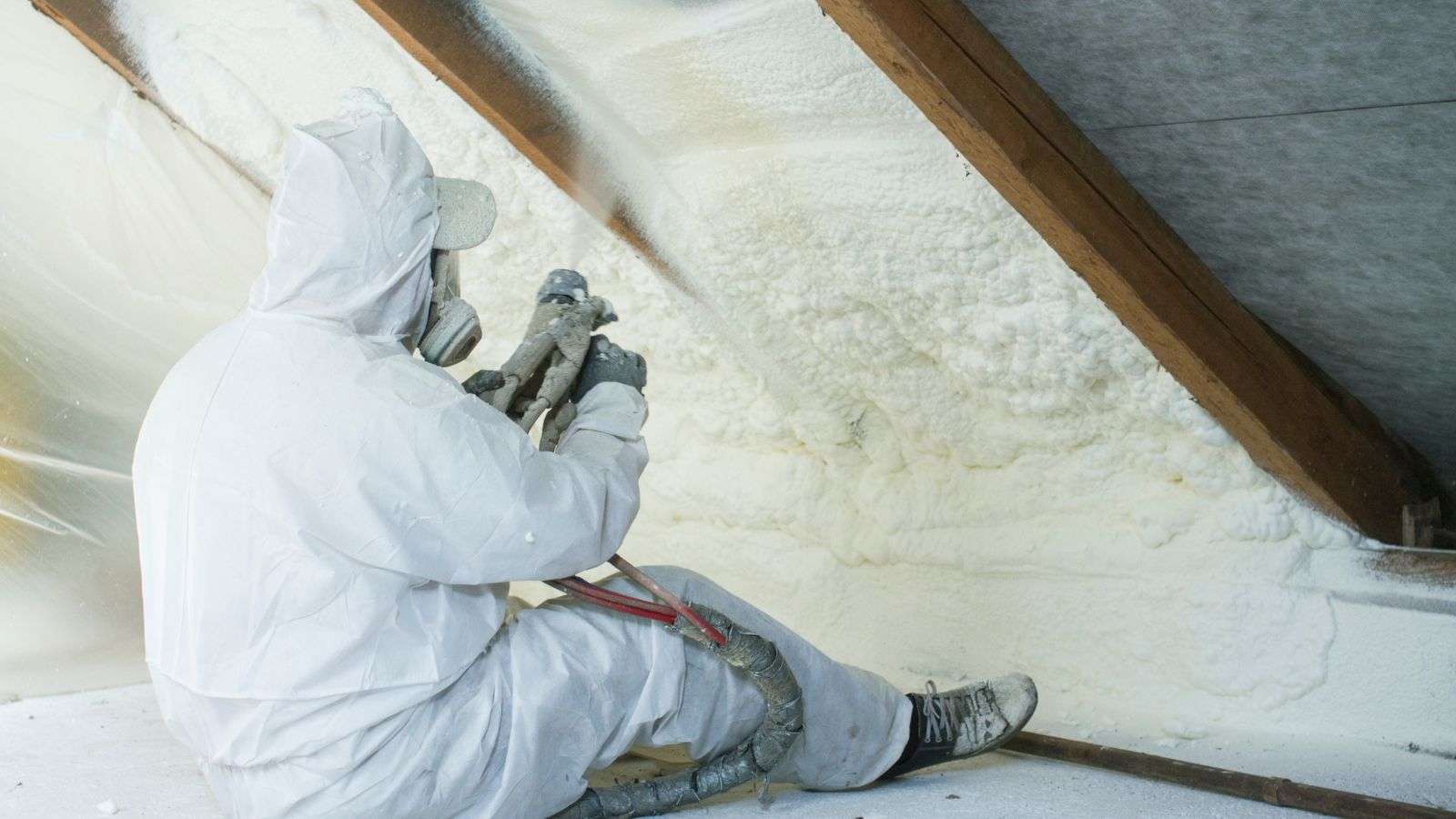
Foam roofing is a highly durable and energy-efficient roofing system that relies on the chemical properties of polyurethane foam to provide exceptional performance and longevity. Polyurethane foam is created by combining two liquid components that react and expand to form a solid foam material. This foam is then sprayed onto the roof surface, creating a seamless and watertight barrier.
The closed-cell structure of the foam offers excellent insulation properties, reducing heat transfer and improving energy efficiency. This insulation helps to regulate temperature fluctuations, reducing strain on the roof and extending its lifespan. Furthermore, the foam’s ability to conform to the shape of the roof creates a seamless and monolithic layer, minimizing the risk of leaks and water infiltration. Numerous elements, including proper installation, regular maintenance, climatic conditions, insulation, and foot traffic, affect the lifespan of foam roofing.
Homeowners can get the most out of their foam roofing system for many years to come by thinking about these things and taking the right steps, like hiring professional installers, doing regular inspections, fixing problems right away, and following the manufacturer’s maintenance guidelines.
Interplay of External Weather Conditions and Foam Roof Thickness
The interplay between external weather conditions and foam roof thickness is important in determining the performance and durability of the roofing system. Foam roof thickness plays a significant role in protecting the building against external weather elements.
In regions with extreme weather conditions, such as high winds, heavy rainfall, or intense heat, a thicker foam layer may be recommended to provide enhanced insulation and protection. For example, a thicker foam layer can help reduce heat transfer and improve energy efficiency in hot climates while also providing a stronger barrier against moisture penetration during heavy rains.
On the other hand, in regions with milder weather, a thinner foam layer combined with appropriate insulation materials may be sufficient to achieve the desired performance. By considering the specific climate conditions and consulting with professional roofing contractors, building owners can determine the optimal foam roof thickness that balances insulation, protection, and cost-effectiveness for their particular location.
Maintenance Requirements for Different Foam Roofing Thicknesses
- Regular Inspections: Regardless of the foam roofing thickness, regular inspections are essential to identify any signs of damage or deterioration. Inspections should include checking for cracks, blisters, ponding water, or any areas of the roof that may require attention or repair. By conducting regular inspections, potential issues can be detected early and addressed promptly, helping to extend the lifespan of the foam roof.
- Cleaning and Debris Removal: Keeping the foam roof clean and free from debris is important for maintaining its performance and preventing damage. Regularly removing leaves, branches, or other debris that can accumulate on the roof helps to prevent moisture buildup and potential roof damage. Cleaning can be done using non-abrasive methods, such as gentle sweeping or rinsing with a hose, to avoid damaging the foam surface.
- Seam and Joint Checks: Foam roofing systems have seams and joints that should be inspected regularly. These areas can be prone to leaks or separation if not properly maintained. Checking the integrity of the seams and joints and ensuring they are adequately sealed is needed to prevent water infiltration and maintain the effectiveness of the foam roof.
- Repairing Cracks and Damage: Any cracks or damage identified during inspections should be repaired promptly. Depending on the severity of the damage, repairs may involve patching, resealing, or applying a protective coating to restore the integrity of the foam roofing system. Timely repairs help prevent further deterioration and extend the lifespan of the roof.
- Addressing Ponding Water: Ponding water, which refers to water that remains on the roof surface for an extended period, should be addressed promptly. Ponding water can cause structural stress and lead to premature aging and damage to the foam roof. Implementing proper drainage solutions, such as installing additional drains or creating tapered areas on the roof surface, can help prevent ponding water issues.
- Professional Maintenance Services: Engaging professional roofing contractors for regular maintenance services is highly recommended. They have the expertise and experience to perform thorough inspections, identify potential issues, and provide appropriate solutions. Professional maintenance services make sure the foam roofing system receives proper care and attention, helping to maximize its lifespan and performance.
Cost Implications of Foam Roofing Thickness
The cost implications of foam roofing thickness can vary depending on several factors. Generally, thicker foam roofing systems require more material, resulting in higher upfront costs compared to thinner foam layers. However, thicker foam layers may offer better insulation and protection, potentially leading to long-term energy savings and reduced maintenance costs.
You need to consider the overall cost-effectiveness of different foam thicknesses based on factors such as climate conditions, desired insulation levels, and budget constraints. For example, a 1.5-inch foam thickness may cost around $3 to $5 per square foot for materials and installation, while a 3-inch foam thickness may range from $5 to $8 per square foot. These estimates can vary depending on factors such as location, contractor fees, and specific project requirements.
Application Techniques and Their Impact on Foam Roof Lifespan
- Spray Technique and Even Application: The spray technique used during the application of foam roofing can have a significant impact on its lifespan. It is essential to make sure the foam is applied evenly and uniformly across the roof surface. Proper training and expertise in spray technique are essential to achieving a consistent thickness throughout the entire roof. Uneven application may lead to weak spots or areas with insufficient insulation, which can compromise the overall performance and longevity of the foam roof.
- Seam and Joint Sealing: Proper sealing of seams and joints is vital for maintaining the integrity of the foam roofing system. These areas are susceptible to leaks and water infiltration if they are not adequately sealed. You have to use high-quality sealants and follow recommended sealing procedures to maintain a watertight and durable finish. By effectively sealing seams and joints, potential sources of water damage are minimized, contributing to a longer lifespan for the foam roof.
- Surface Preparation and Moisture Control: Proper surface preparation is key for the adhesion and longevity of foam roofing. The roof surface should be thoroughly cleaned and free from debris, and any existing coatings or loose materials should be removed. Moisture control is also essential before applying the foam, as excessive moisture can compromise the adhesion and performance of the roofing system. Ensuring a dry and properly prepared surface allows for optimal adhesion and helps prevent future issues that can reduce the lifespan of the foam roof.
- Protective Coatings: Applying protective coatings to the foam roofing can significantly enhance its durability and lifespan. These coatings act as a barrier against UV radiation, weathering, and physical damage. Reflective coatings can also help to reduce heat absorption and extend the life of the foam roof by minimizing thermal stress. The type and quality of the protective coating used should be carefully selected based on the specific requirements of the roof and climate conditions.
- Professional Installation by Certified Contractors: The expertise and experience of the roofing contractor are critical in ensuring proper application techniques that contribute to the longevity of foam roofs. Hiring certified and reputable contractors who specialize in foam roofing systems is highly recommended. These professionals are trained in industry best practices, have access to quality materials, and can provide proper installation techniques that result in a longer-lasting foam roof.
Measuring the Lifespan of Different Foam Roofing Thicknesses
| Foam Roof Thickness | Average Lifespan |
|---|---|
| 1.5 inches | 20-25 years |
| 2 inches | 25-30 years |
| 3 inches | 30-35 years |
From the comparison table, it can be observed that there is a general trend of increasing average lifespan as the foam roof thickness increases. The average lifespan for a 1.5-inch foam roof is around 20–25 years, while a 2-inch foam roof can last approximately 25–30 years. The thickest option, a 3-inch foam roof, has an average lifespan of about 30-35 years.
This suggests that thicker foam roofing systems generally offer increased durability and longevity. Thicker foam layers’ added insulation can help to better protect against temperature changes, which will lessen the strain on the roof and possibly increase its lifespan.
However, these average lifespans are approximate and can vary based on various factors such as climate, maintenance, quality of installation, and specific conditions unique to each roofing project. Regular inspections, maintenance, and adherence to proper installation techniques remain crucial, regardless of the foam roof thickness, to maximize its lifespan.
Latest Innovations in Foam Roofing
- Improved UV Resistance: One of the latest innovations in foam roofing is the development of foam formulations with enhanced UV resistance. These formulations incorporate additives that help protect the foam from the damaging effects of prolonged exposure to sunlight. Improved UV resistance can extend the lifespan of the foam roof by reducing degradation and minimizing the need for frequent maintenance or recoating.
- Advanced Coating Technologies: Innovations in coating technologies have led to the development of advanced protective coatings specifically designed for foam roofing systems. These coatings offer superior durability, weather resistance, and UV protection. Some coatings also have self-cleaning properties, reducing the accumulation of dirt and debris on the roof surface. Advanced coatings help to maintain the integrity of the foam roof and prolong its lifespan by providing an additional layer of protection against environmental factors.
- Energy-Efficient Formulations: Foam roofing manufacturers are continuously exploring energy-efficient formulations that enhance insulation properties and improve energy savings. These formulations may incorporate advanced materials or additives that enhance thermal resistance and reduce heat transfer. By increasing energy efficiency, these innovations contribute to lower heating and cooling costs while providing a more comfortable interior environment.
- Smart Roofing Systems: The integration of smart technologies in foam roofing systems is an emerging trend. Smart roofing systems can include sensors that monitor various parameters, such as temperature, humidity, or moisture levels. These sensors provide real-time data to building owners or facility managers, allowing them to identify potential issues or optimize energy usage. By detecting early signs of damage or leaks, smart roofing systems can help prevent costly repairs and extend the lifespan of the foam roof.
- Sustainable and Recyclable Materials: As sustainability becomes increasingly important, foam roofing manufacturers are exploring the use of eco-friendly and recyclable materials in their products. This includes the use of bio-based or recycled content in foam formulations, as well as eco-friendly coatings and adhesives. These innovations not only contribute to environmental sustainability but also make sure end-of-life disposal is done responsibly.
Planning for the Future: Maximizing Your Foam Roof’s Lifespan
- Regular Inspections and Maintenance: Scheduling regular inspections and maintenance is essential for maximizing the lifespan of a foam roof. Inspections should be performed at least twice a year to identify any signs of damage, such as cracks, blisters, or ponding water. Prompt maintenance and repairs are essential to address issues early on and prevent them from escalating, ultimately extending the roof’s lifespan.
- Professional Installation and Repairs: Opting for professional installation by experienced contractors is essential for ensuring the longevity of a foam roof. Similarly, only qualified experts with experience in foam roofing systems should perform any repairs or maintenance work. Professional expertise helps make sure installation and repairs are conducted according to industry best practices, maximizing the effectiveness and lifespan of the roof.
- Quality Materials and Coatings: Using high-quality materials and protective coatings can significantly impact the lifespan of a foam roof. Quality foam formulations, protective coatings, and sealants contribute to the durability and weather resistance of the roof. Investing in premium materials and coatings can provide long-term benefits by reducing the frequency of repairs and recoating, ultimately extending the roof’s lifespan.
- Climate-Specific Considerations: Tailoring the foam roofing system to specific climate conditions can help maximize its lifespan. For example, in areas with intense sunlight, using UV-resistant formulations and reflective coatings can mitigate the effects of UV radiation and prolong the roof’s lifespan. Similarly, ensuring proper insulation and moisture control in regions with varying weather conditions can help maintain the integrity of the roof.
- Adherence to Manufacturer Recommendations: Following the manufacturer’s guidelines for installation, maintenance, and recoating is essential for maximizing the lifespan of a foam roof. Manufacturers provide specific recommendations based on their products’ characteristics and performance. Adhering to these guidelines confirms that the roof is maintained in a manner that maximizes its longevity and performance.