
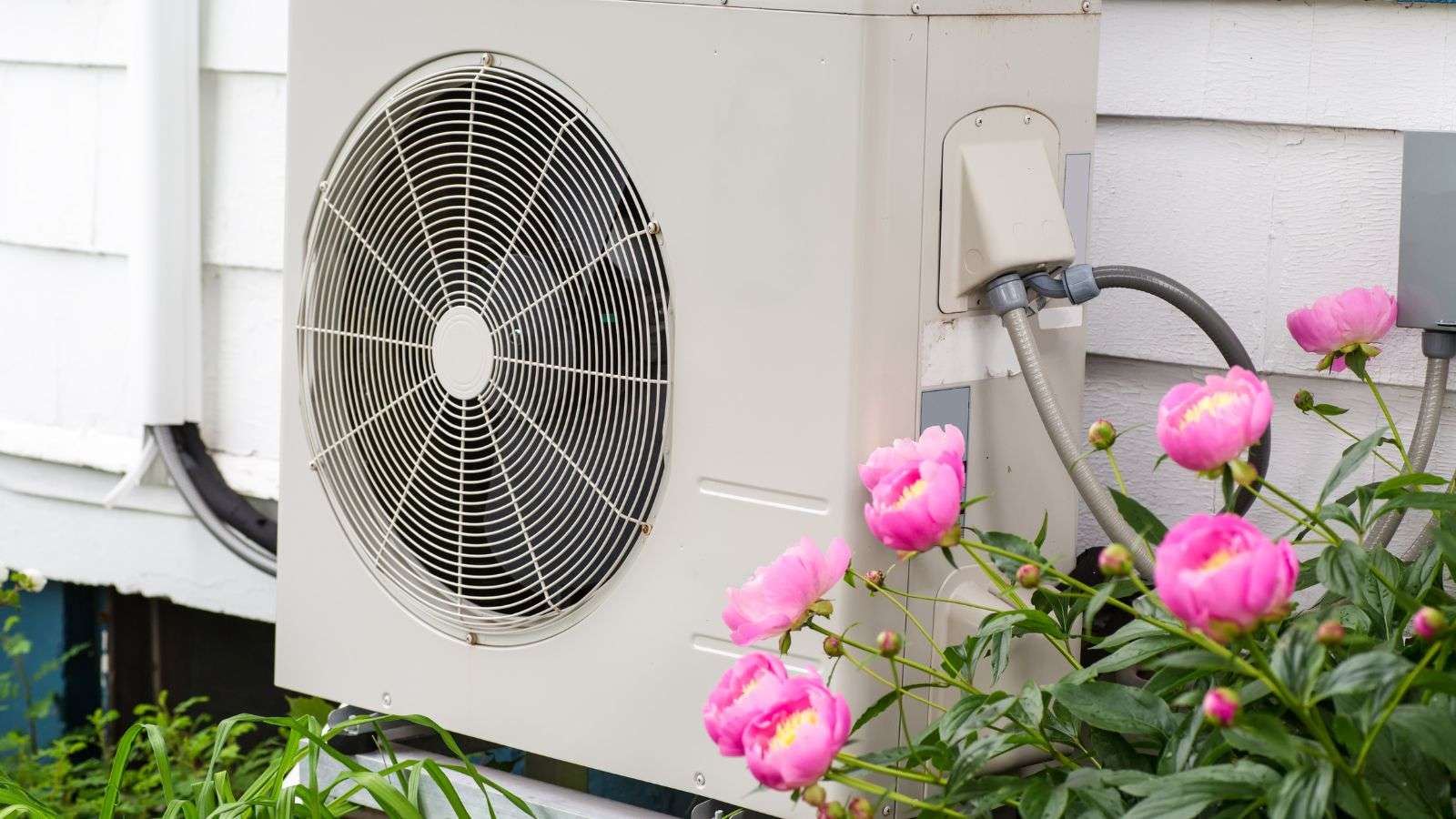
Understanding and optimizing the efficiency ratings of ductless heat pumps can seem complex, but with the right knowledge at your fingertips, it becomes a much simpler task. From understanding what ductless heat pumps are to why their efficiency matters and even how to maximize it, every topic bleeds into the other, providing a wide view of the terrain.
In this article, we unroll this terrain, offering you a full map of the world of ductless heat pumps, their efficiencies, and “7 Key Factors for Efficiency”.
7 Key factors to consider for high-efficiency ductless pumps
1. Proper sizing
Choosing the right size for your ductless pump is vital to achieving high efficiency. Undersized pumps may struggle to meet your heating or cooling demands, while oversized pumps may cycle on and off frequently, wasting energy. To determine the appropriate size, consider factors such as the climate, insulation level, room size, and desired temperature range. A professional HVAC technician can perform load calculations to maintain proper sizing.
2. Energy efficiency ratings
Look for high energy efficiency ratings when selecting a ductless pump. The Seasonal Energy Efficiency Ratio (SEER) measures cooling efficiency, while the Heating Seasonal Performance Factor (HSPF) indicates heating efficiency. Opt for models with higher SEER and HSPF ratings to reduce energy consumption and lower utility bills. Consider pumps with advanced features like variable-speed compressors that can further enhance energy efficiency.
3. Quality installation
Proper installation is essential to maximizing the efficiency of your ductless pump. Make sure a skilled HVAC professional installs the system in accordance with local building codes and manufacturer recommendations. Attention to detail during installation, such as correctly sealing ductless indoor units and insulating refrigerant lines, can prevent air leaks and optimize performance.
4. Zoning options
Take advantage of the zoning capabilities provided by ductless pumps. Zoning allows you to control the temperature in different areas or rooms independently, which can lead to significant energy savings. By only conditioning occupied spaces and adjusting temperatures according to specific needs, you can avoid wasting energy on unoccupied areas.
5. Regular maintenance
Regular maintenance is crucial to keeping your ductless pump operating at peak efficiency. To allow for proper airflow and prevent dust buildup, clean or replace air filters as the manufacturer advises. Schedule annual professional maintenance visits to inspect the system, clean components, check refrigerant levels, and address any issues promptly.
6. Smart thermostat integration
Consider integrating your ductless pump with a smart thermostat for enhanced control and energy management. Smart thermostats offer features like remote access, scheduling capabilities, and adaptive learning algorithms that can optimize comfort while minimizing energy usage. By intelligently adjusting settings based on occupancy patterns and weather conditions, you can further improve efficiency.
7. Proper insulation
Make sure your home is adequately insulated to complement the efficiency of your ductless pump. Well-insulated walls, ceilings, and windows minimize heat transfer to the exterior environment, reducing the workload on your pump. Consider upgrading insulation where necessary and sealing any air leaks to maintain a comfortable indoor environment without unnecessary energy loss.
Understanding key efficiency metrics in ductless heat pumps
Two key metrics to consider are the SEER and the HSPF. By dividing the cooling output by the energy input over the course of an entire cooling season, SEER calculates a heat pump’s cooling efficiency. The higher the SEER rating, the more efficient the heat pump is at cooling.
On the other hand, HSPF measures a heat pump’s heating efficiency by dividing the heating output by the energy input over the course of an entire heating season. Similar to SEER, a higher HSPF rating indicates greater heating efficiency. Understanding these metrics allows homeowners to make informed decisions when selecting a ductless heat pump, ensuring optimal energy savings and comfort.
Types of ductless heat pumps and their efficiency
- Air-source ductless heat pumps: Air-source ductless heat pumps are the most common type and provide both heating and cooling. They extract heat from the outdoor air during the heating season and release it during the cooling season. These pumps can achieve high levels of efficiency, with SEER ratings typically ranging from 16 to 28 and HSPF ratings ranging from 8 to 14, depending on the model and technology used.
- Mini-split ductless heat pumps: Mini-split ductless heat pumps consist of an outdoor unit connected to one or more indoor units. They offer individualized temperature control for different zones or rooms. Mini-split heat pumps can be highly efficient, with SEER ratings ranging from 18 to 30 and HSPF ratings ranging from 9 to 15, depending on the specific model and features.
- Multi-split ductless heat pumps: Multi-split ductless heat pumps are similar to mini-split systems but allow for more indoor units to be connected to a single outdoor unit. This type of heat pump provides zoning capabilities, allowing independent temperature control for various areas. Multi-split heat pumps offer similar efficiency ranges as mini-split systems, with SEER ratings typically ranging from 18 to 30 and HSPF ratings ranging from 9 to 15, depending on the specific model and configuration.
- Variable Refrigerant Flow (VRF) Systems: VRF systems are advanced ductless heat pumps designed for larger applications, such as commercial buildings or multi-family residences. These systems utilize variable-speed compressors and refrigerant flow control to match the heating and cooling demands of different zones more precisely. VRF systems can achieve exceptional efficiency, with SEER ratings ranging from 20 to 40 and HSPF ratings ranging from 10 to 20, depending on the system’s capacity and configuration.
- Geothermal heat pumps: Geothermal heat pumps utilize the stable temperature of the ground or water as a heat source in winter and a heat sink in summer. While not technically “ductless,” they can be considered an alternative to traditional ducted heating and cooling systems. Geothermal heat pumps offer excellent energy efficiency, with SEER ratings typically ranging from 20 to 30 and HSPF ratings ranging from 10 to 20, depending on the specific installation and system design.
Why efficiency matters for ductless heat pumps
Efficiency is crucial for ductless heat pumps because it directly impacts energy consumption, operating costs, and overall environmental impact. By choosing a highly efficient ductless heat pump, homeowners can significantly reduce their energy usage, resulting in lower utility bills. Ductless heat pumps with high efficiency ratings can effectively convert energy into heating or cooling output, minimizing waste and maximizing comfort.
Moreover, increased energy efficiency reduces carbon emissions and helps combat climate change. Efficient ductless heat pumps also contribute to a more sustainable future by conserving natural resources. High efficiency often goes hand in hand with advanced features like variable-speed compressors and smart controls, providing better temperature control, improved indoor air quality, and enhanced comfort.
How efficiency ratings are calculated for ductless heat pumps
Efficiency ratings for ductless heat pumps are calculated using standardized testing procedures. SEER and HSPF are the two common metrics used to measure cooling and heating efficiency, respectively. These ratings are determined by conducting tests in controlled laboratory conditions, where the heat pump’s performance is evaluated based on specific parameters and operating conditions.
The SEER rating is calculated by dividing the total cooling output over a cooling season by the total energy input during the same period. Similarly, the HSPF rating is determined by dividing the total heating output over a heating season by the total energy input during that time. These calculations provide a standardized way to compare the efficiency of different ductless heat pump models and help consumers make informed decisions when selecting an energy-efficient system.
Comparing efficiency of ductless heat pumps to traditional systems
- Energy efficiency: Ductless heat pumps generally offer higher energy efficiency compared to traditional systems. They utilize advanced technologies, such as variable-speed compressors and inverter-driven motors, which allow them to adjust their output based on the specific heating or cooling demand. This results in reduced energy consumption and lower utility bills.
- Zoning capabilities: Ductless heat pumps provide the advantage of zoning capabilities, allowing for individualized temperature control in different areas or rooms. Traditional systems typically have centralized ductwork, which makes it challenging to control temperatures separately in different zones. By only conditioning occupied spaces, ductless heat pumps can avoid wasting energy on unoccupied areas, further enhancing efficiency.
- No duct losses: Ductwork in traditional systems can lead to significant energy losses due to leaks, poor insulation, or improper sealing. Ductless heat pumps eliminate these losses since they do not require ductwork. By delivering heating or cooling directly to the indoor units, ductless systems minimize energy waste and improve overall efficiency.
- Flexibility in installation: Traditional systems often require extensive ductwork installation, which can be time-consuming and costly. Ductless heat pumps offer flexibility in installation since they only require a small hole to connect the indoor and outdoor units. This versatility allows for easier retrofits or installations in spaces where ductwork is not feasible. By reducing installation complexities, ductless heat pumps can save time and money.
- Reduced carbon footprint: Due to their higher energy efficiency, ductless heat pumps contribute to a reduced carbon footprint compared to traditional systems. By consuming less energy, they help lower greenhouse gas emissions and promote environmental sustainability.
- Improved comfort: Ductless heat pumps provide better temperature control and airflow distribution compared to traditional systems. The ability to adjust temperatures independently in different zones provides for personalized comfort. Features like variable-speed compressors help maintain more consistent indoor temperatures, improving overall comfort levels.
Pros and cons of high-efficiency ductless heat pumps
| Pros | Cons |
|---|---|
| Energy Savings | Higher Upfront Costs |
| Zoning Capabilities | Limited Capacity for Large Spaces |
| Flexibility in Installation | Regular Maintenance is required. |
Pros
- Energy savings: High-efficiency ductless heat pumps can significantly reduce energy consumption compared to traditional heating and cooling systems. Their advanced technologies, such as variable-speed compressors and inverter-driven motors, allow for precise adjustments based on the heating or cooling demand, resulting in reduced energy waste and lower utility bills.
- Zoning capabilities: Ductless heat pumps provide zoning capabilities, allowing for individualized temperature control in different areas or rooms. By conditioning only occupied spaces and adjusting temperatures according to specific needs, these systems can save energy by avoiding the unnecessary heating or cooling of unoccupied areas.
- Flexibility in installation: Ductless heat pumps are easier to install compared to traditional systems that require extensive ductwork. With only a small hole needed to connect the indoor and outdoor units, ductless heat pumps offer versatility in installation, making them suitable for retrofits or spaces where ductwork is not feasible.
Cons
- Higher upfront costs: High-efficiency ductless heat pumps may have higher upfront costs compared to traditional systems. The advanced technologies and features that contribute to their efficiency can make them more expensive to purchase and install. However, consider the long-term energy savings that can offset these initial costs.
- Limited capacity for large spaces: While ductless heat pumps are suitable for most residential applications, they might have limited capacity for larger spaces or buildings with high heating or cooling demands. In such cases, a traditional system with ductwork may be more appropriate.
- Regular maintenance is required. Like any HVAC system, high-efficiency ductless heat pumps require regular maintenance to operate optimally. This includes cleaning or replacing air filters, checking refrigerant levels, and scheduling professional maintenance visits. Factor in ongoing maintenance costs and responsibilities when considering the installation of a ductless heat pump.
What to look for when choosing an efficient ductless heat pump
- Energy efficiency ratings: Look for high SEER and HSPF ratings, as they indicate cooling and heating efficiency, respectively. Higher ratings translate into better energy savings.
- Proper sizing: Make sure the ductless heat pump is properly sized for your space by considering factors such as climate, insulation level, room size, and desired temperature range. Proper sizing maintains optimal performance and energy efficiency.
- Quality installation: Choose a reputable HVAC professional who follows manufacturer guidelines and local building codes for installation. Proper installation promotes efficient operation and prevents issues that could reduce efficiency.
- Zoning capabilities: Opt for a ductless heat pump with zoning capabilities, allowing you to control temperatures independently in different areas or rooms. This feature saves energy by only conditioning occupied spaces.
- Maintenance requirements: Consider the maintenance requirements of the ductless heat pump. Look for models with easily accessible air filters that can be cleaned or replaced regularly to maintain optimal airflow and efficiency.
- Smart features: Explore ductless heat pumps with smart features like Wi-Fi connectivity and programmable thermostats. These features offer enhanced control, scheduling capabilities, and energy-saving features.
- Reputable manufacturer: Choose a ductless heat pump from a reputable manufacturer known for producing high-quality, energy-efficient systems. Research customer reviews and warranty options to keep up with long-term reliability and support.
- Cost considerations: While efficiency is important, also consider the upfront cost, installation expenses, and estimated long-term energy savings. Evaluate the return on investment to make an informed decision.
How seasonal changes affect heat pump efficiency
During the cooling season, when the outdoor temperature is higher, heat pumps work to extract heat from the indoor space and release it outside. As the outdoor temperature rises, the efficiency of the heat pump decreases because it requires more energy to transfer heat from a warmer environment.
Similarly, during the heating season, when the outdoor temperature is lower, heat pumps extract heat from the outdoor air or ground and transfer it indoors. As the outdoor temperature drops, the efficiency of the heat pump decreases because there is less available heat to extract. So, colder climates may require supplemental heating sources in extreme temperatures.
To mitigate these effects, some heat pumps come with backup heating options or systems that can switch to alternative heating sources when efficiency decreases.
Maintenance tips for maximizing your heat pump’s efficiency
- Regular filter cleaning or replacement: Clean or replace the air filters as recommended by the manufacturer to maintain proper airflow and prevent dust and debris buildup, which can reduce efficiency.
- Keep the outdoor unit clear: Make sure the outdoor unit is free from leaves, debris, and obstructions. Clear any vegetation or objects around it to allow for proper airflow and heat transfer.
- Inspect and clean coils: Regularly inspect the evaporator and condenser coils and clean them if necessary. Dirty coils can decrease heat transfer efficiency, so keeping them clean improves overall system performance.
- Check and adjust refrigerant levels. Have a professional HVAC technician check and adjust refrigerant levels if needed. Improper refrigerant levels can affect heat pump efficiency, so have them properly calibrated.
- Inspect and clean fan blades: Inspect the fan blades for any dirt or debris accumulation and clean them as necessary. Clean fan blades promote proper airflow and prevent strain on the motor, improving efficiency.
- Verify thermostat accuracy: Periodically check and calibrate the thermostat to ensure accurate temperature readings. An inaccurate thermostat can lead to inefficient operation and unnecessary energy consumption.
- Schedule professional maintenance: Arrange annual maintenance visits with a qualified technician who can perform a comprehensive inspection, clean components, lubricate moving parts, and address any potential issues that may affect efficiency.
- Seal air leaks: Inspect and seal any air leaks around windows, doors, and ductwork. Properly sealed spaces prevent heat loss or gain, allowing the heat pump to operate more efficiently.
- Consider smart thermostat integration: Upgrade to a smart thermostat that allows for remote access, scheduling, and energy-saving features. Smart thermostats optimize temperature settings based on occupancy patterns, maximizing efficiency.