
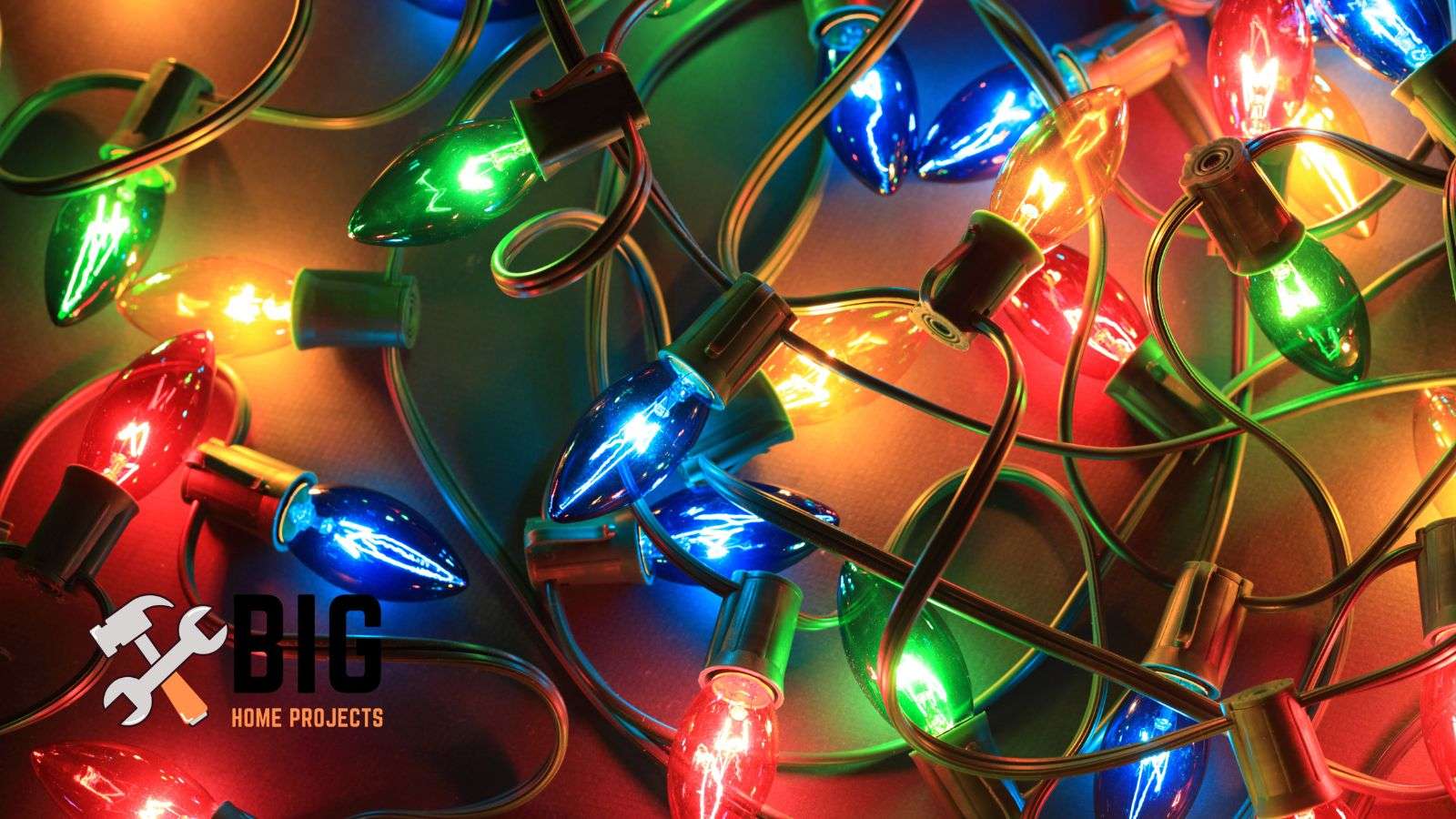
With festive celebrations around the corner, electrical safety is of utmost importance to avoid accidents and ensure a happy, secure holiday season. Proper handling of holiday lights and decorations can significantly decrease the risk of electrical hazards.
In this article, we will discuss electrical safety for the holiday season, including five essential tips for safe holiday lighting and other crucial factors to keep in mind.
5 Essential tips for safe holiday lighting
1. Plan your lighting layout
Before you start decorating, take some time to plan your lighting layout. Consider the areas you want to illuminate and the type of lights you will use. Make sure to measure the length of your space and calculate how many lights you will need. Planning ahead will help you steer clear of any last-minute surprises and make sure that your holiday lighting appears cohesive and balanced.
2. Choose outdoor-rated lights
When it comes to outdoor holiday lighting, choose lights that are specifically designed for outdoor use. Look for lights that are labeled as “outdoor-rated” or “weather-resistant”. Rain, snow, and extreme temperatures are less likely to harm these lights because of their construction to withstand the elements. Using indoor lights outdoors can be a safety hazard and may cause electrical issues.
3. Inspect your lights for damage
Before you hang your lights, carefully inspect them for any signs of damage. Check for frayed wires, broken bulbs, or loose connections. If you notice any issues, replace the damaged lights before using them. Using damaged lights can increase the risk of electrical shocks or fires. It’s better to be safe than sorry, so don’t skip this important step.
4. Use proper extension cords
Using the right extension cords is important for safe holiday lighting. Make sure to use outdoor-rated extension cords that are designed to handle the wattage of your lights. Avoid overloading the cords by plugging in too many lights or other electrical devices. Keep the cords away from water and snow to minimize the risk of electrical shock.
5. Secure your lights properly
Properly securing your holiday lights is essential to ensure they stay in place and do not pose a safety hazard. Use clips or hooks specifically designed for outdoor lights to attach them securely to your home or other structures. Avoid using nails or staples, as they can damage the wires and increase the risk of electrical problems. Take your time to install the lights carefully and double-check that they are secure before powering them on.
How safe are string lights and electrical decorations?
String lights and electrical decorations can be safe if used properly and with caution. However, it’s crucial to take certain precautions to guarantee their safety. Look for products that have certification from reputable safety organizations when purchasing string lights. Inspect the lights for any signs of damage, such as frayed wires or broken bulbs, before use, and replace any damaged components.
Follow the manufacturer’s instructions for installation and use, including the recommended wattage and the maximum number of light strands that can be connected together. Avoid overloading electrical outlets and extension cords, as this can lead to overheating and electrical hazards.
Use outdoor-rated lights for outdoor decorations and indoor-rated lights for indoor decorations. Keep electrical decorations away from flammable materials, such as curtains or Christmas trees, and never leave them unattended or on overnight.
How can I properly manage power source overload from holiday decorations?
First, determine the power requirements of your decorations by checking their wattage or amperage ratings. Calculate the total power consumption of all the decorations you plan to connect to a single power source. Next, identify the available power sources in your home and distribute the load accordingly. Avoid plugging too many decorations into a single outlet or power strip, as this can lead to overloading.
Consider using multiple outlets or using extension cords with built-in circuit breakers to distribute the load. If needed, seek advice from an electrician to confirm that your electrical system can manage the heightened demand during the holiday season. Regularly inspect the cords and plugs for any signs of damage, and replace any worn-out or frayed components. Finally, be mindful of other appliances or devices connected to the same circuit and avoid overloading it.
How should I safely use extension cords for holiday decorations?
Start with using outdoor-rated extension cords specifically designed for outdoor use if you are decorating outdoors. Examine the cord’s amperage rating to verify it can manage the power requirements of your decorations. Avoid overloading the extension cord by plugging in too many high-wattage decorations or devices. If you need to connect multiple extension cords together, use approved connectors rather than simply overlapping the plugs.
Keep the cords away from water, snow, or other moisture sources to prevent electrical shock or short circuits. Inspect the extension cords for any signs of damage, such as frayed wires or cracked insulation, and replace any faulty cords immediately. Never run extension cords through windows, doors, or under carpets, as this can damage the cord and pose a tripping hazard. Do not use extension cords that feel hot to the touch or emit a burning smell.
How are electrical hazards amplified during the holiday season?
First, people tend to use more electrical decorations, such as string lights, animated displays, and inflatable decorations. The increased use of these electrical devices can put a higher demand on electrical circuits and outlets. Homeowners may use extension cords and power strips to accommodate the extra decorations, which can lead to overloading if not used properly.
Furthermore, the use of live trees with string lights and the proximity of these trees to heat sources like fireplaces or heaters can create a fire hazard if proper precautions are not taken. During the holiday season, there is often an increased use of candles and cooking appliances, which can also contribute to electrical hazards if not used safely.
What are common electrical safety risks associated with holiday decorations?
- Overloading electrical circuits: Plugging too many holiday decorations into a single outlet or circuit can overload the electrical system and increase the risk of overheating, electrical shocks, or fires.
- Damaged or faulty wiring: Decorations with frayed wires, damaged cords, or loose connections pose a significant electrical hazard. These defects can lead to electrical shocks or cause short circuits, potentially resulting in fires.
- Misuse of extension cords: Improper use of extension cords, such as using indoor cords outdoors or daisy-chaining multiple cords together, can overload the cords and increase the risk of electrical shocks or fires.
- Inadequate grounding: Using decorations or electrical devices without proper grounding can increase the risk of electrical shocks. This is particularly relevant for outdoor decorations or lights.
- Placement near flammable materials: Placing holiday decorations near flammable materials like curtains, drapes, or Christmas trees can lead to fires if the decorations get overheated.
- Unattended decorations: Leaving holiday decorations unattended for long periods, especially those that generate heat like candles or electric heaters, can increase the risk of fire hazards.
- Improper installation: Poor installation of holiday lights, such as using nails or staples to secure them, can damage the wires and create a potential electrical hazard.
- Unsafe use of candles: The use of candles during the holiday season should be done with caution. Leaving candles unattended or placing them near flammable objects can lead to fires and injuries.
- Lack of smoke detectors and fire extinguishers: Not having working smoke detectors or easily accessible fire extinguishers in the vicinity of holiday decorations increases the risk of fire-related accidents.
Can I use indoor electrical decorations outdoors?
No, indoor electrical decorations should not be used outdoors. Indoor and outdoor electrical decorations are designed differently to withstand specific environmental conditions. Outdoor decorations are built to be weather-resistant and are designed to handle exposure to elements like rain, snow, and temperature changes.
They have additional protective features, such as waterproofing and insulation, to ensure safe operation outdoors. On the other hand, indoor decorations are not designed to withstand these outdoor conditions and may pose a safety hazard if used outside. Indoor decorations may not be adequately sealed against moisture, which can lead to electrical shorts, shocks, or damage.
What are safety precautions for holiday decorations near children and pets?
- Secure decorations properly: Ensure that holiday decorations are securely fastened and cannot be easily pulled down or knocked over by children or pets.
- Avoid small or sharp decorations: Keep small or sharp decorations out of reach, as they pose a choking hazard for children and can potentially injure pets if swallowed or stepped on.
- Use non-toxic materials: Avoid using plants, ornaments, or artificial snow sprays that could be harmful to children or pets if consumed.
- Keep cords out of reach: Keep electrical cords and wires away from children and pets to prevent them from chewing on them, which can lead to electrical shocks or injury.
- Supervise candle use: If using candles, make sure they are placed in sturdy, stable holders out of reach of children and pets. Never leave candles unattended and consider using flameless LED candles as a safer alternative.
- Secure Christmas trees: If you have a Christmas tree, secure it properly to prevent it from toppling over when children or pets are nearby. Consider using wall brackets or securing it to a stable base.
- Monitor access to tree ornaments: Place fragile or breakable ornaments higher up on the tree, out of reach of curious children and playful pets. Consider using shatterproof ornaments if possible.
- Avoid toxic plants: If children or pets ingest some holiday plants, such as mistletoe, holly berries, or poinsettias, they could become toxic. Keep them out of reach or opt for artificial alternatives.
- Supervise and educate: Always supervise children and pets around holiday decorations, providing proper guidance and education about potential dangers. Teach children not to play with electrical cords or decorations.
- Create boundaries: Use safety gates or barriers to restrict access to certain areas with holiday decorations, especially if you have young children or pets who may be more prone to curiosity.
Can electrical safety risks impact my home insurance?
Yes, electrical safety risks can potentially impact your home insurance. If electrical safety risks are not properly managed and result in incidents such as electrical fires or property damage, it can lead to insurance claims.
Insurance companies generally expect homeowners to maintain a safe environment and take necessary precautions to minimize risks. Failure to do so may result in denied claims or increased premiums. You must adhere to electrical safety guidelines, conduct regular inspections, and address any potential hazards promptly.
How can I ensure that my holiday lights are energy-efficient and safe?
- Choose LED lights: Opt for energy-efficient LED lights, which consume less electricity compared to traditional incandescent lights. LED lights also generate less heat, reducing the risk of fire hazards.
- Look for ENERGY STAR-certified lights: When purchasing holiday lights, check for the ENERGY STAR certification. These lights meet strict energy efficiency and safety standards, ensuring both energy savings and safe operation.
- Use timers or smart plugs: Install timers or smart plugs to automate the lighting schedule. This way, you can set specific times for the lights to turn on and off, saving energy and reducing the risk of leaving them on overnight or unattended.
- Consider solar-powered lights: Solar-powered lights are an eco-friendly option that harnesses the sun’s energy during the day to power the lights at night. They eliminate the need for electricity and can be placed in areas without easy access to outlets.
- Inspect and replace damaged bulbs: Regularly inspect your holiday lights for any damaged or broken bulbs. Replace them immediately to prevent electrical hazards or potential short circuits.
- Avoid overloading electrical circuits: Be mindful of the electrical load on your circuits. Avoid connecting too many holiday lights or other high-wattage decorations to a single outlet or circuit to prevent overloading, which can lead to overheating and electrical hazards.
- Secure outdoor lights properly: When installing outdoor lights, use appropriate clips or hooks designed for outdoor use to securely fasten them to avoid wind damage or accidental disconnection. Make sure that cords are kept away from water or snow to reduce the risk of electrical shocks.
- Turn off the lights when not in use: Make it a habit to turn off your holiday lights when you are not around or when you go to bed. This helps conserve energy and reduces the risk of electrical hazards.
After the holiday season, how should I safely store my electrical decorations?
To safely store your electrical decorations after the holiday season, follow these steps:
- Unplug all decorations: Before handling any electrical decorations, unplug them from the power source to eliminate the risk of electrical shocks.
- Inspect for damage: Thoroughly inspect each decoration for any signs of damage, such as frayed wires or broken bulbs. Discard any damaged decorations as they can pose safety hazards in future use.
- Wrap the cords carefully: Avoid tangling or knotting the cords. Gently wrap each cord separately to prevent damage and make untangling easier when you use them again.
- Use proper storage containers: Place the decorations in sturdy, non-conductive storage containers specifically designed for storing holiday decorations. These containers help protect the decorations from dust, moisture, and physical damage.
- Label and organize: Clearly label each storage container to easily identify the contents when you need them next year. Organize the containers based on decoration types or themes to streamline the decorating process in the future.
- Store in a cool, dry place: Find a suitable storage location that is cool and dry to prevent moisture damage or exposure to extreme temperatures, which can degrade the decorations over time.
- Keep away from flammable materials: Store your electrical decorations away from flammable materials such as paper, fabric, or chemicals to reduce fire hazards.
- Avoid heavy stacking: Be mindful not to stack heavy items on top of delicate decorations, as this can cause breakage or damage.
- Consider using protective padding: For fragile items like glass ornaments, consider using protective padding such as bubble wrap or tissue paper to provide an extra layer of protection.