
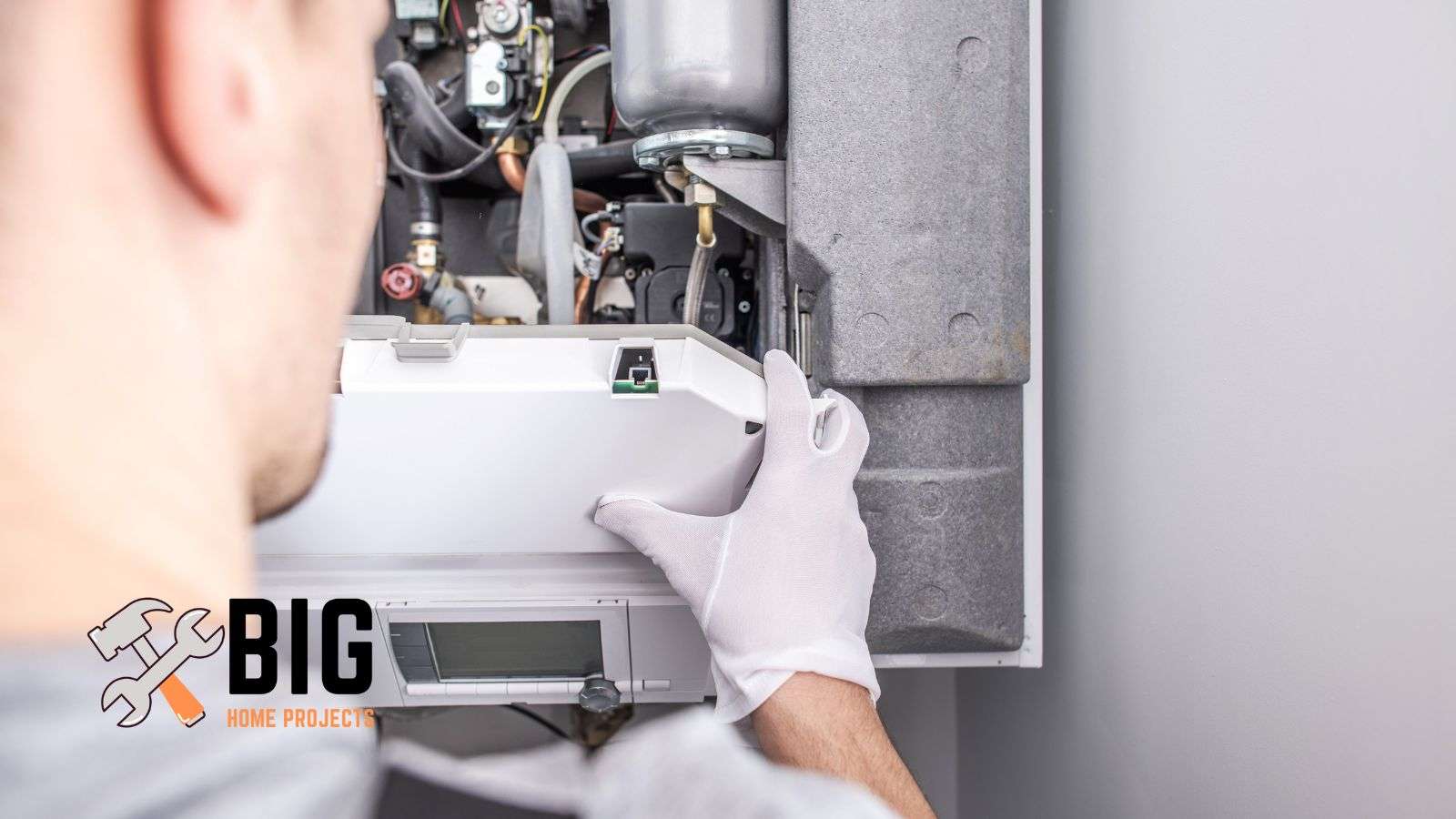
Managing furnace issues can be a daunting task, especially if you’re unfamiliar with the intricacies of HVAC systems. Knowing when to step in or when to call a professional is critical to maintaining your home’s comfort.
In this article, we’ll delve into common furnace problems, tools needed for DIY fixes, cost considerations, and safety precautions to take. We’ll also explore signals that indicate a need for professional intervention, along with preventive measures and resources for support.
Can I fix furnace issues myself?
Fixing furnace issues yourself is possible for certain straightforward problems, but be aware of the limitations and potential risks involved. Homeowners can frequently solve straightforward problems on their own, like changing an air filter or resetting a tripped circuit breaker.
DIY repairs can save you time and money, especially for minor problems that don’t require specialized knowledge or tools. However, it’s important to recognize that furnaces are complex systems that involve electricity, gas, and other potentially hazardous components. Attempting to fix more complicated issues without the necessary expertise can lead to further damage, safety hazards, or even voiding the warranty.
Some furnace problems may require specific diagnostic equipment or professional expertise to accurately identify and resolve.
3 DIY fixes for common furnace problems
1. Check and replace the air filter
A dirty or clogged air filter can restrict airflow and impact the furnace’s performance. Locate the air filter, typically found near the blower motor or in the return air duct. Turn off the furnace before removing the filter. Inspect the filter for dirt, dust, or debris. If it appears dirty or clogged, replace it with a new one of the same size and type. Make sure to install the filter in the correct orientation, following any arrows or indicators on the filter. Regularly checking and replacing the air filter every 1-3 months can improve efficiency and prevent potential issues.
2. Reset the circuit breaker
If your furnace isn’t turning on, it may be due to a tripped circuit breaker. Locate your home’s electrical panel and find the breaker labeled for the furnace. Switch the breaker to the “off” position and then back to the “on” position. If it trips again immediately or repeatedly, it could indicate an electrical issue that requires professional attention. However, if the furnace turns on after resetting the breaker, monitor it for any further problems. If it continues to trip, consult an HVAC technician to diagnose and resolve the underlying issue.
3. Clean and clear vents and registers
Blocked or obstructed vents and registers can restrict airflow and affect heating efficiency. Inspect all vents and registers throughout your home to make sure they are open and unobstructed by furniture, rugs, or other objects. Use a vacuum cleaner or a soft brush to remove any dust, dirt, or debris that may have accumulated on or around the vents. This helps maintain proper airflow and even heating throughout your home. Regularly cleaning vents and registers can prevent potential issues caused by restricted airflow.
How do I identify DIY furnace issues?
- Check thermostat settings: Check that the thermostat is set to heat mode and at the desired temperature. Confirm that the batteries are working if it’s a battery-operated thermostat.
- Inspect the circuit breaker and fuse. Check if the circuit breaker for the furnace is tripped or if the fuse is blown. Reset the circuit breaker or replace the fuse if necessary.
- Examine the air filter: Remove the air filter and inspect it for dirt, dust, or debris. Replace a dirty or clogged filter with a new one to improve airflow.
- Inspect the pilot light. If your furnace has a pilot light, check if it is lit. If not, follow the manufacturer’s instructions to relight it.
- Listen for unusual noises. Pay attention to any unusual sounds coming from the furnace, such as banging, rattling, or screeching. These noises may indicate loose or broken components.
- Check for blocked vents or registers. Make sure that all vents and registers are open and not obstructed by furniture, rugs, or other objects.
- Verify gas supply: Make sure the gas supply to the furnace is turned on. If you suspect a gas leak, contact a professional immediately.
- Inspect the condensate drain: If you have a high-efficiency furnace with a condensate drain, check if it is clogged or blocked. Clean or clear any obstructions if necessary.
- Observe the furnace cycle. Pay attention to how the furnace cycles on and off. If it frequently cycles or runs for short periods, it may indicate a problem that requires professional attention.
- Check for error codes. Some furnaces have diagnostic features that display error codes. Refer to your furnace manual to identify any error codes and their corresponding issues.
What are common furnace issues?
- Furnace not turning on: This is a common issue and can be caused by various factors, such as a faulty thermostat, a blown fuse, or a tripped circuit breaker.
- No heat or insufficient heat: If your furnace is running but not producing enough heat or no heat at all, it could be due to problems with the pilot light, ignition system, gas supply, or a clogged air filter.
- Frequent cycling: If your furnace frequently turns on and off, it may indicate a problem with the thermostat, airflow issues, or a malfunctioning limit switch.
- Noisy operation: Problems with the blower motor, fan belt, bearings, or other mechanical components can result in unusual noises coming from your furnace, such as banging, screeching, or rattling sounds.
- Uneven heating: If some areas of your home are significantly colder than others, it could be due to problems with the ductwork, zoning system, or improper furnace size for your home.
- High energy bills: A sudden increase in energy bills could be a sign that your furnace is not operating efficiently, potentially due to problems with the air filter, thermostat, or ductwork insulation.
What tools do I need to fix furnace issues?
- Screwdriver: A screwdriver with interchangeable tips (flathead and Phillips) is necessary for removing screws and accessing various components of the furnace.
- Adjustable wrench: An adjustable wrench is useful for tightening or loosening nuts and bolts on the furnace.
- Multimeter: A multimeter is essential for measuring voltage, resistance, and continuity. It helps diagnose electrical issues in the furnace.
- Flashlight: A flashlight is handy for illuminating dark areas of the furnace, especially when inspecting components or reading labels and markings.
- Wire strippers: Wire strippers are needed to remove insulation from wires when making electrical connections or repairs.
- Pipe wrench: A pipe wrench is useful for gripping and turning pipes, fittings, or gas supply connections.
- Vacuum cleaner: A vacuum cleaner with a hose attachment can be used to clean dust, debris, or soot from the furnace and its components.
- Duct tape: Duct tape is handy for temporarily sealing or securing loose ductwork or insulation.
- Safety gloves and goggles: Safety gloves protect your hands from sharp edges or hot surfaces, while goggles shield your eyes from debris or harmful substances.
- Replacement parts: Depending on the specific issue, you may need to have replacement parts on hand, such as a new air filter, fuse, or thermocouple.
How can I troubleshoot furnace issues?
- Check the thermostat settings: Confirm that the thermostat is set to the desired temperature and in the correct mode (heat). Adjust the settings if necessary.
- Inspect the circuit breaker and fuse. Check the electrical panel for any tripped circuit breakers or blown fuses related to the furnace. Reset the breaker or replace the fuse if needed.
- Examine the pilot light: If your furnace has a pilot light, check if it is lit. If not, carefully follow the manufacturer’s instructions to relight it. Take note of any unusual behavior or color of the flame.
- Verify the gas supply: Ensure that the gas supply valve to the furnace is turned on. If you suspect a gas leak, immediately turn off the gas supply and contact a professional.
- Inspect and clean the air filter. Remove the air filter and check if it is dirty or clogged. If so, replace it with a new one. Cleaning or replacing the air filter regularly improves airflow and system performance.
- Check for blocked vents and registers. Make sure that all vents and registers are open and unobstructed. Move any furniture, rugs, or objects that may be blocking the airflow.
- Inspect the condensate drain line: If your furnace has a condensate drain line, check for clogs or blockages. Clear any obstructions to prevent water backups or system malfunctions.
- Listen for unusual noises. Pay attention to any strange noises coming from the furnace during operation. Rattling, banging, or squealing sounds may indicate mechanical issues that require professional attention.
- Check for error codes: Some furnaces have built-in error codes. Refer to your furnace manual to identify any error codes displayed on the control panel. Look up the corresponding issues or contact a professional for assistance.
- Inspect the ignition system: If your furnace has an electronic ignition system, verify if it’s functioning correctly. Follow the manufacturer’s instructions to troubleshoot any ignition-related problems.
What safety precautions should I take when fixing furnace issues?
When fixing furnace issues, prioritize safety by following these precautions. Turn off the power supply at the main electrical panel. Wear safety gloves and goggles. Ensure proper ventilation. Shut off the gas supply valve for gas furnaces.
Consult the manufacturer’s manual for specific instructions. Use appropriate tools in good condition. Avoid excessive force. Exercise caution with flames and heat sources. Know your limits and seek professional assistance for complex tasks. Keep a fire extinguisher nearby in case of emergencies.
What furnace issues require a professional?
- Gas leaks: If you suspect a gas leak in your furnace, it is important to immediately evacuate the premises and contact a professional. Gas leaks can be highly dangerous and require specialized expertise to locate and repair the source safely.
- Electrical issues: A professional should handle problems with a furnace’s electrical components. Dealing with electrical wiring, circuit boards, or other electrical components without proper knowledge and training can lead to electrical hazards, fires, or further damage to the system.
- Complex mechanical repairs: Furnace problems that involve complex mechanical repairs, such as blower motor replacements, heat exchanger repairs, or burner assembly repairs, are best left to professionals. These repairs require specialized tools and expertise to ensure proper installation and prevent further damage.
- Refrigerant leaks: A qualified HVAC technician should address refrigerant leaks if your furnace is a component of a heat pump system or has refrigerant lines. Handling refrigerant without the proper certifications can be hazardous to your health and the environment.
- Warranty concerns: Attempting DIY repairs on your furnace may void the warranty. In order to handle any repairs or maintenance on your furnace while it is still under warranty, get in touch with a manufacturer-approved expert.
- Persistent or recurring issues: If you have attempted DIY troubleshooting but the problem persists or keeps recurring, it is a sign that professional intervention is necessary. A qualified technician can diagnose the underlying cause accurately and provide the appropriate solution.
- New installations or major upgrades: When installing a new furnace or making significant upgrades to your existing system, it is best to consult a professional. Proper sizing, installation, and configuration are crucial for optimal performance and safety.
How do I know when to call a professional?
First and foremost, if you detect a gas leak, such as the smell of rotten eggs or hissing sounds near the furnace, evacuate the premises immediately and contact a professional HVAC technician or your gas company. Gas leaks are highly dangerous and require immediate attention from trained professionals.
If you experience electrical problems with your furnace, such as frequent tripping of circuit breakers, sparking, or exposed wires, it is crucial to seek professional help to prevent electrical hazards or fires. Furthermore, if you encounter complex mechanical issues, refrigerant leaks, persistent or recurring problems that DIY attempts have failed to resolve, or if you need new installations or major upgrades, it is best to call a professional HVAC technician who has the knowledge, skills, and tools to accurately diagnose and fix the problem.
Finally, if your furnace is still under warranty, it is important to seek out an authorized professional to avoid voiding the warranty.
What are the costs involved in fixing furnace issues myself vs. hiring a professional?
When comparing the costs of fixing furnace issues, there are distinct differences between DIY repairs and hiring a professional. DIY repairs typically involve the cost of replacement parts, which can range from $10 to $50, along with the expense of basic tools and supplies. However, DIY repairs generally do not include labor costs, as you perform the repairs yourself.
On the other hand, hiring a professional HVAC technician incurs additional expenses. This may include a service call fee, which typically ranges from $50 to $150, and hourly labor rates that can vary from $75 to $200 per hour. Professionals may also include the cost of replacement parts in their estimate or invoice, depending on the specific component and brand. Obtaining quotes from local HVAC professionals will provide more accurate pricing information for your specific situation.
Consider the trade-off between the potential cost savings of DIY repairs and the peace of mind and expertise offered by hiring a professional.
Where can I get help or guidance on furnace issues?
If you need help or guidance on furnace issues, there are various resources available to assist you. Start by visiting our website directory, Big Home Projects, where you can find qualified HVAC contractors in your area who can provide professional assistance.
Check the manufacturer’s website for your specific furnace model, as they often offer troubleshooting guides and user manuals. Engage in online forums and communities dedicated to home improvement or HVAC topics, such as Reddit or Home Improvement Stack Exchange, to seek advice from knowledgeable individuals. YouTube tutorials can also be a valuable resource, with many channels offering detailed DIY videos on furnace troubleshooting and repairs.
Don’t hesitate to reach out to local HVAC professionals for phone consultations or recommendations. You can also explore home improvement books at your local library or bookstore for comprehensive guidance. Remember, while these resources can be helpful, prioritize safety and consult a professional if you encounter complex issues or feel unsure about performing repairs yourself.